| 陆军科技 | 海军科技 | 空军科技 | 电子与工业 |
|---|---|---|---|
|
|
「无」 没有
|
「无」 |
| 陆军学说 | 海军学说 | 空军学说 |
|---|---|---|
|
「无」 |
「无」 |
「无」 |
原页面:Colombia
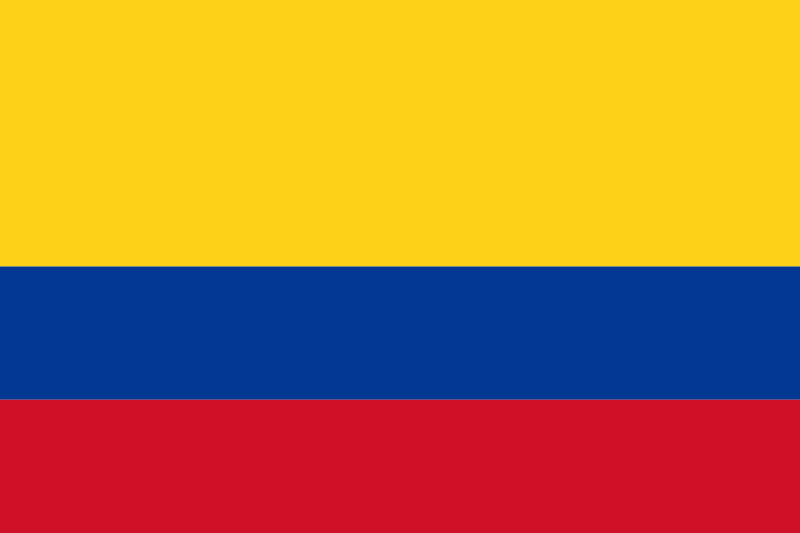 哥伦比亚 is a minor country in South America with a population of 8.00 M. It is bordered clockwise by the extensive Caribbean Sea,
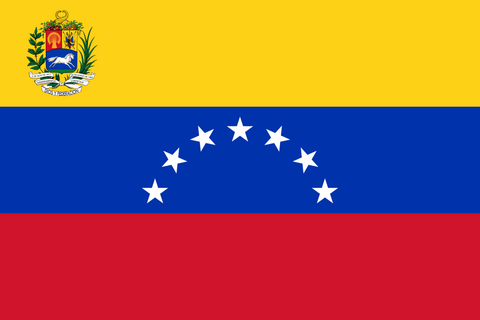 委内瑞拉,
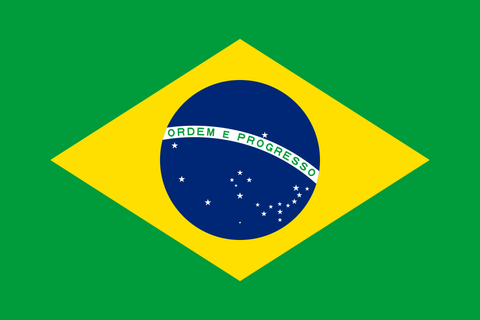 巴西,
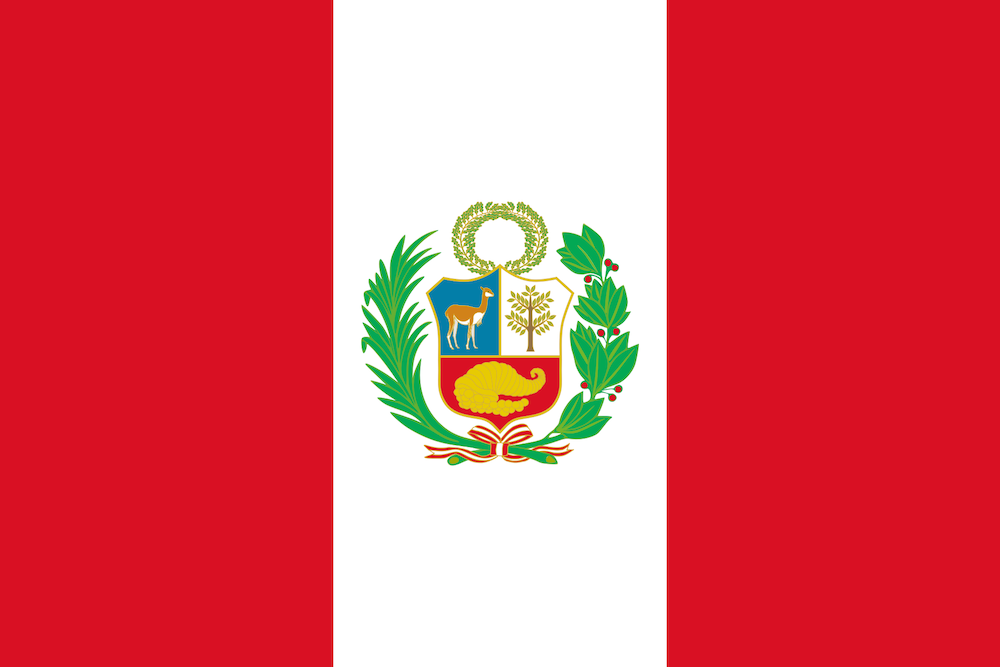 秘鲁,
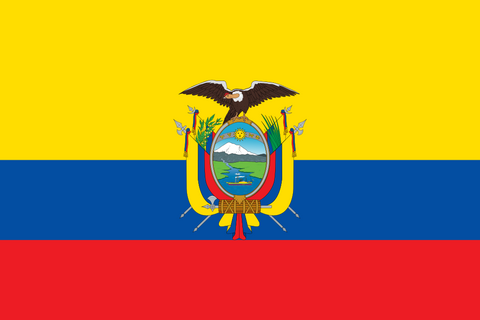 厄瓜多尔, Western Canal Zone in the Pacific Ocean and
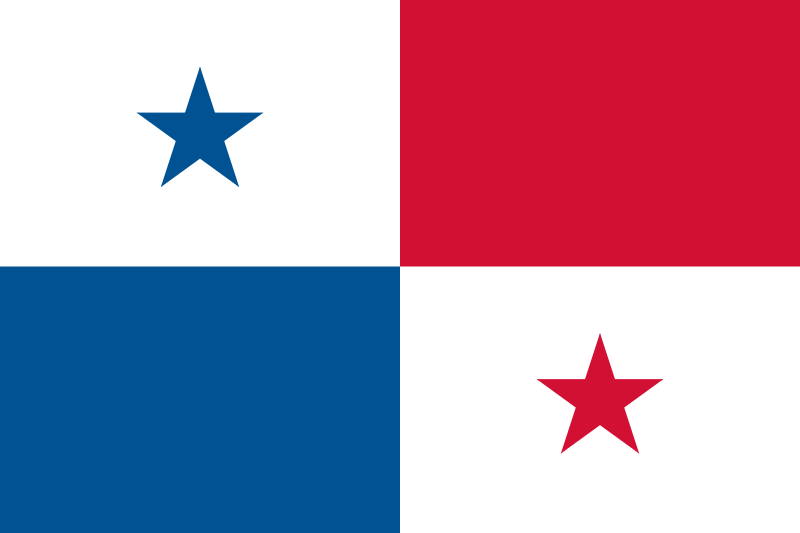 巴拿马. The
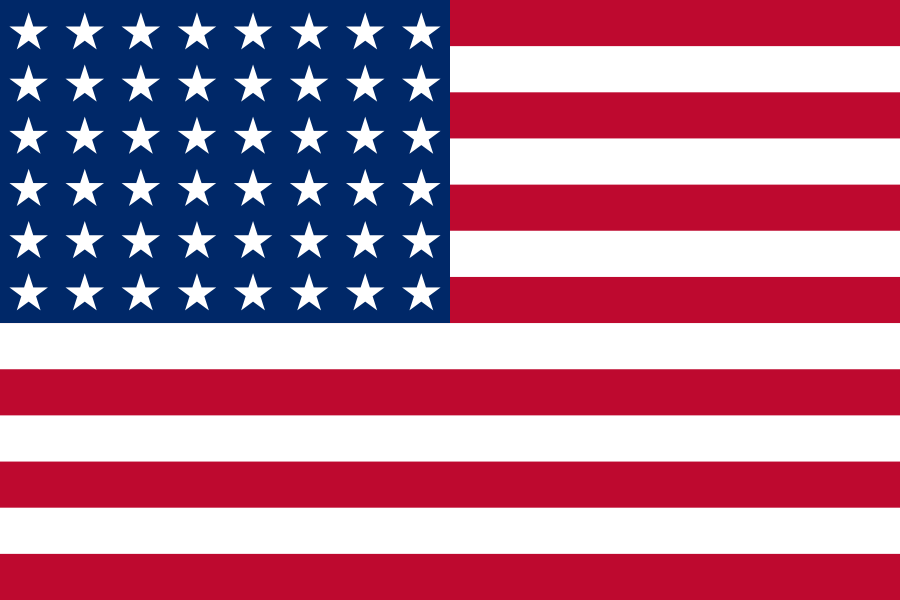 美国 control the important Panama Canal. The capital Bogota is located in the central state of Cundinamarca. The 天气和地形 are difficult; most of the country is mountainous and the climate is Very Hot in a number of provinces, making attrition very high. The border region with Panama, the Darien Gap, is one of the least accessible places on Earth; the Pan-American Highway stops just before and continues in Panama again.
Colombia became independent from the Spanish Empire on August 7, 1819. From that time until 1903, 巴拿马 was a province of Colombia. Shortly after, the contract and Hay–Bunau-Varilla Treaty for the construction of the Panama Canal was signed between French engineers and the 美国, one of the most prestigious engineering projects in history, finishing in 1914. The Monroe Doctrine was established in 1823 by the United States, to prevent further interventions of the European powers in Latin America. In 1904, this was expanded in the Roosevelt Corollary that stated the United States had the right to militarily intervene in case European countries sought renewed colonialism in Latin America. Following this, Colombia, together with 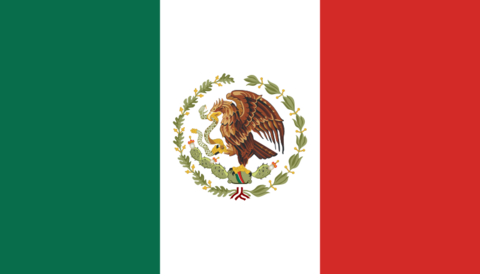 墨西哥, tightened relations with the United Kingdom.
In 1930, a period known as the Liberal Republic commenced with the election of president Enrique Olaya Herrera. Between September 1932 and May 1933, a short war with southern neighbor 秘鲁 took place after Peruvians declared the southernmost town along the Amazon River Leticia belonging to Peru. Leticia was founded by Peruvians in the 19th century. President Alfonso López Pumarejo was elected in 1934 and served until 1938 in his first term, to be replaced by Eduardo Santos. López Pumarejo focused on industrialization and economic reform of the country during his first term.
Colombia declared its neutrality under Eduardo Santos when World War II broke out. Santos was opposed to the 轴心国 powers. After López Pumarejo returned to power in 1942, he wanted to expand on the industrialization and economic reform started in his first term, but WWII impeded that. He was unpopular with the military commanders of Colombia and a coup was prepared to replace him. The coup d'etat failed in 1944 and López Pumarejo ruled until 1945, not serving his full four year presidency.
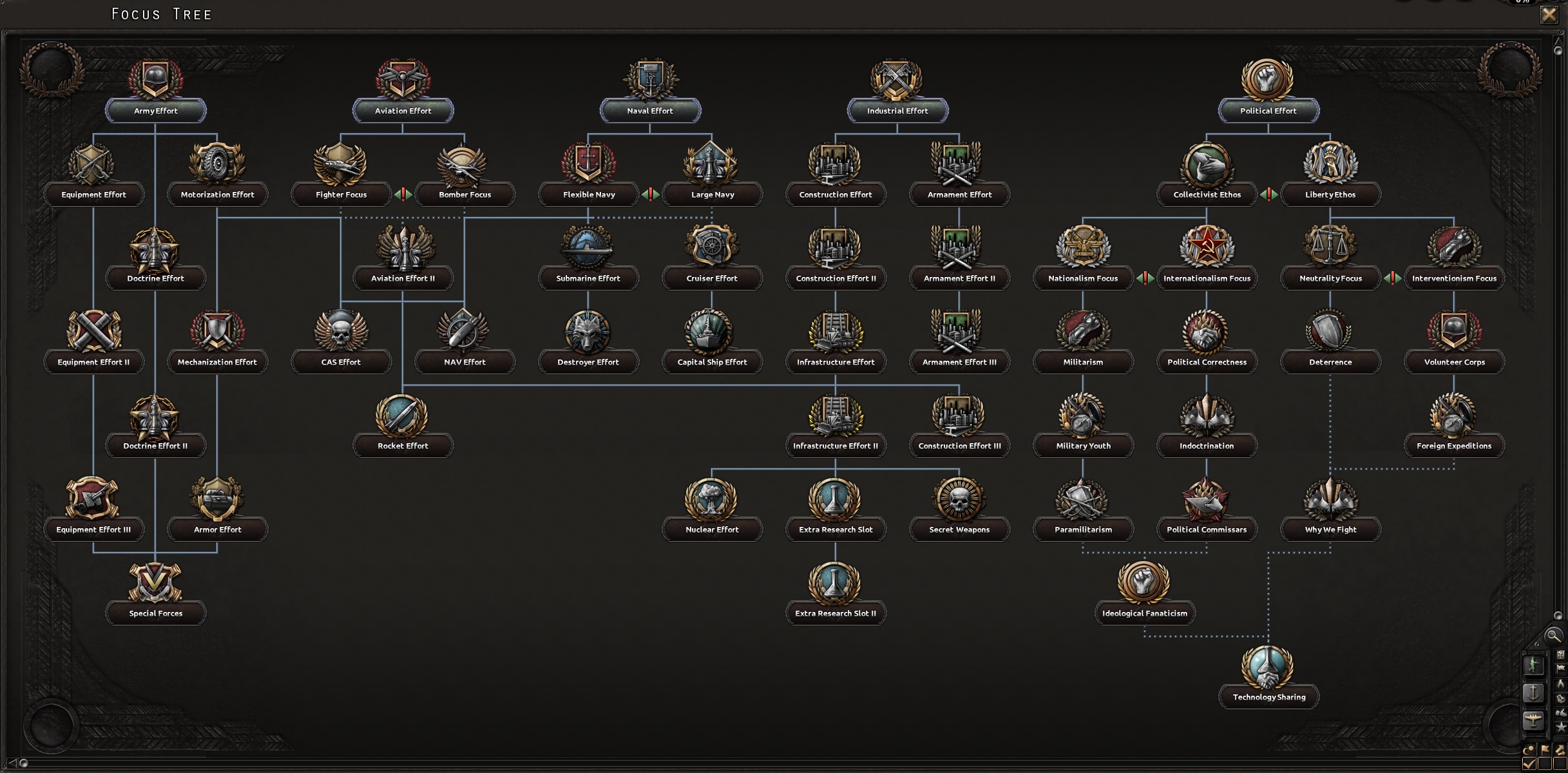
哥伦比亚 缺少专属国策树,因此改用通用国策树。
通用国策树有5个主要分支:
哥伦比亚 开局拥有以下国家精神:
哥伦比亚开局拥有 2 个可用科研槽;另有 3 个可通过国策树解锁。
| 陆军科技 | 海军科技 | 空军科技 | 电子与工业 |
|---|---|---|---|
|
|
「无」 没有
|
「无」 |
| 陆军学说 | 海军学说 | 空军学说 |
|---|---|---|
|
「无」 |
「无」 |
「无」 |
| 陆军科技 | 海军科技 | 空军科技 | 电子与工业 |
|---|---|---|---|
|
|
「无」 没有
|
|
| 陆军学说 | 海军学说 | 空军学说 |
|---|---|---|
|
|
|
哥伦比亚 的装备没有任何独特外观名称。
哥伦比亚 拥有 3 个州。
Colombia is unique in South America as it borders both the Caribbean Sea in the north and the Pacific Ocean (Western Canal Zone) in the west. The country shares land borders with 委内瑞拉 in the northeast, 巴拿马 in the northwest, 厄瓜多尔 in the southeast, 秘鲁 in the south and 巴西 in the east and southeast.
The country is subdivided into three 州; La Libertad in the north, bordering the Zulia state of Venezuela in the east and Panama in the northwest and the two seas; Cundinamarca in the center also bordering Venezuela (Zulia and a small strip of Miranda state) and Ecuador in the southeast and the Pacific Ocean and Meta, bordering Venezuela (states Miranda and Bolivar) in the northeast, Brazil (Amazonas state) in the east and southeast and Ecuador and Peru (Loreto state) in the south.
The majority of the country except the south of Meta is part of the Northern South America airspace. The sea regions bordering Colombia pertain to the Caribbean Sea (north) and Western Canal Zone (west) airspaces. Panama belongs to the Central America airspace and the southern part of Meta and bordering Brazil and southern Venezuela are in the Amazonas airspace.
The Andes runs straight through Cundinamarca, where also the capital Bogota is located, making Cundinamarca a very mountainous state with one jungle province. The La Guajira Desert in the northern tip of Colombia is in HOI4 represented as Forest. Major rivers are the Cauca (La Libertad) and Magdalena Rivers (La Libertad and Cundinamarca) flowing from south to north into the Caribbean Sea. Meta state has three major rivers; the Meta River flowing into the Orinoco to the northeast and two rivers part of the Amazon Basin to the east into Brazil.
| 州 | 城市 | 
|
地形(省份数) | 区域 | 
|
|---|---|---|---|---|---|
| 昆迪纳马卡 | Bogota | 10 |  丛林 (1)  山地 (6) |
城市区 | 4,953,049 |
| 拉利伯塔德 | Cartagena Medellin |
5 1 |
 森林 (1)  丘陵 (1)丛林 (3)山地 (4)  平原 (2) |
发达乡村区 | 2,826,781 |
| 梅塔 | – | – | 丛林 (5)平原 (2)
|
牧区 | 213,160 |
哥伦比亚开局为民主主义 ,每 4 年举行一次选举。下一次选举在 1938 年 2 月。
哥伦比亚 的起始政党。
| 同上 | 政党名称 | 支持率 | 领袖 | Ruling |
|---|---|---|---|---|
|
|
哥伦比亚自由党(PLC) | 99% | 阿方索·洛佩斯·普马雷霍 | 
|

|
哥伦比亚共产党(PCC) | 1% | 大卫·德比达尔 | 
|

|
法西斯主义 | 0% | 伊西多罗·索托马约尔 |
|

|
Partido Conservador Colombiano (Conservador) | 0% | 马里亚诺·奥斯皮纳·佩雷斯 |
|
| 同上 | 政党名称 | 支持率 | 领袖 | Ruling |
|---|---|---|---|---|
|
|
哥伦比亚自由党(PLC) | 100% | Eduardo Santo |
|
|
|
哥伦比亚共产党(PCC) | 0% | 大卫·德比达尔 |
|
|
|
法西斯主义 | 0% | 伊西多罗·索托马约尔 |
|
|
|
Partido Conservador Colombiano (Conservador) | 0% | 马里亚诺·奥斯皮纳·佩雷斯 |
|
哥伦比亚 的可能国家领袖。
| 意识形态 | 肖像 | 名称 | 党派 | 特质 | 效果 | 可用 |
|---|---|---|---|---|---|---|
自由主义 |
|
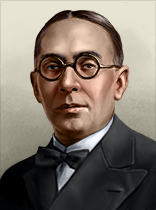
阿方索·洛佩斯·普马雷霍 | Partido Liberal Colombiano | – | – | 1936 年起始领袖 |
自由主义 |
|
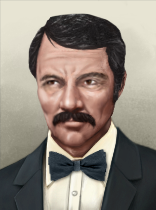
Eduardo Santo | Partido Liberal Colombiano | – | – | 1939 年起始领袖 |
无政府共产主义 |
|
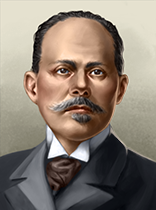
大卫·德比达尔 | Partido Comunista Colombiano | 能说会道的魅力者 编辑 |
|
起始共产主义领袖 |
长枪党主义 |
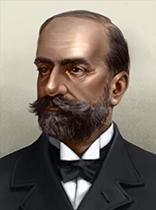
|
伊西多罗·索托马约尔 | 法西斯主义 | 坚韧的谈判者 |
|
起始法西斯领袖 |
中间主义 |
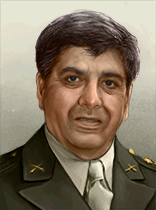
|
马里亚诺·奥斯皮纳·佩雷斯 | 哥伦比亚保守党 | – | – | 起始中立制领袖 |
哥伦比亚 的可能国名。
| 同上 | 国家名称 |
|---|---|
|
哥伦比亚 |
|
哥伦比亚社会主义共和国 |
|
新大哥伦比亚 |
|
新宪法 |
哥伦比亚 的部长与军事幕僚。
| 名称 | 特质 | 效果 | 要求 | 花费()
|
|---|---|---|---|---|
| José Ellis Quinsado | 幕后暗算者 |
|
– | 150 |
| M.E. Rojas de Moreno | 受拥戴的傀儡领袖 |
|
– | 150 |
| Raphael Hollmann | 仁慈绅士 |
|
– | 150 |
| Jorge Lopez Suyo | 恐怖亲王 |
|
– | 150 |
| 随机 | 共产主义革命者 |
|
|
150 |
| 随机 | 民主改革者 |
|
|
150 |
| 随机 | 法西斯煽动家 |
|
|
150 |
| 随机 | 神秘绅士 |
|
|
150 |
| 名称 | 特质 | 效果 | 要求 | 花费()
|
|---|---|---|---|---|
| 毛里西奥·索托·戈麦斯 | 海军理论家 |
|
– | 100 |
| 卡米洛·达萨·阿尔瓦雷斯 | 空战理论家 |
|
– | 100 |
| 名称 | 特质 | 效果 | 要求 | 花费()
|
|---|---|---|---|---|
| Eduardo Poirier Escobar | 陆军防御(专家) |
|
– | 100 |
| Luis Acevedo | 陆军机动(专家) |
|
– | 100 |
| Querista Sellor | 陆军组织(专家) |
|
– | 100 |
| 名称 | 特质 | 效果 | 要求 | 花费()
|
|---|---|---|---|---|
| Salvador Tiaga Gonzalez | 海军机动(专家) |
|
– | 100 |
| Ruben Piedrahita Arango | 决战(专家) |
|
– | 100 |
| 名称 | 特质 | 效果 | 要求 | 花费()
|
|---|---|---|---|---|
| Luis Bernardo Andrade | 夜间作战(专家) |
|
– | 100 |
| Luis Rodriguez | 全天候(专家) |
|
– | 100 |
| German Olano Moreno | 地面支援(专家) |
|
– | 100 |
| 名称 | 特质 | 效果 | 要求 | 花费()
|
|---|---|---|---|---|
| Enrico Díaz Carias | Carriers (Expert) |
|
– | 100 |
| Guillermo Padilla Manrique | 突击队(专家) |
|
– | 100 |
| Gabriel Paris Gordillo | 隐蔽(专家) |
|
– | 100 |
| Manuel Quinones | 战略轰炸(专家) |
|
– | 100 |
| 肖像 | 名称 |  技能 |
 攻击 |
 防御 |
 计划 |
 后勤 |
特质 | 要求 |
|---|---|---|---|---|---|---|---|---|
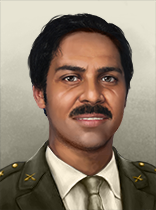
|
Gustavo Rojas Pinilla | 3 | 3 | 1 | 3 | 3 |  诡计者  城市突击专家 |
– |
| 标志 | 名称 | 类型 | 效果 | 要求 | 花费()
|
|---|---|---|---|---|---|

|
工业连 | 工业财团 | – | 150 | |

|
电子连 | 电子学财团 |
|
– | 150 |
哥伦比亚 的设计公司。
| 标志 | 名称 | 类型 | 效果 | 要求 | 花费()
|
|---|---|---|---|---|---|

|
装甲连 | 坦克设计商 |
选择此设计公司后,只要它仍在受雇,就会永久影响其受雇期间研究的所有装备的性能。 |
– | 150 |
| 标志 | 名称 | 类型 | 效果 | 要求 | 花费()
|
|---|---|---|---|---|---|

|
海军连 | 舰船设计商 |
|
– | 150 |
| 标志 | 名称 | 类型 | 效果 | 要求 | 花费()
|
|---|---|---|---|---|---|

|
轻型航空连 | 轻型飞机设计商 |
选择此设计公司后,只要它仍在受雇,就会永久影响其受雇期间研究的所有装备的性能。 |
– | 150 |

|
中型航空连 | 中型飞机设计商 |
选择此设计公司后,只要它仍在受雇,就会永久影响其受雇期间研究的所有装备的性能。 |
– | 150 |

|
重型航空连 | 重型飞机设计商 |
选择此设计公司后,只要它仍在受雇,就会永久影响其受雇期间研究的所有装备的性能。 |
– | 150 |

|
海军空军连 | 海军飞机设计商 |
选择此设计公司后,只要它仍在受雇,就会永久影响其受雇期间研究的所有装备的性能。 |
– | 150 |
| 标志 | 名称 | 类型 | 效果 | 要求 | 花费()
|
|---|---|---|---|---|---|

|
摩托化连 | 摩托化装备设计商 |
|
– | 150 |

|
轻武器公司 | 步兵装备设计商 |
|
– | 150 |

|
火炮连 | 火炮设计商 |
|
– | 150 |
哥伦比亚 可使用这些军工产业组织。
| ||||||||||||||||||||||||||||||||||||||||||||||||||||||||||||||
| ||||||||||||||||||||||||||||||||||||||||||||||||||||||||||
| ||||||||||||||||||||||||||||||||||||||||||||||||||||||||||||||||||
| ||||||||||||||||||||||||||||||||||||||||||||||||||||||||||||||||||||||||||||||||||||||||||||||||||||||||||||||||||||||||||||||||||||||||||||||||||||||||||||||||||||||||||||||||||||||||||||||||||||||||||||||||||
| 征兵法案 | 贸易法案 | 经济法令 |
|---|---|---|
 仅志愿兵役
|
 出口导向
|
 民用经济
|
*1936 年与 1939 年的法案相同。
 年份 |
 军用工厂 |
 海军船坞 |
 民用工厂 |
 建筑槽位 |
|---|---|---|---|---|
| 1936 | 1 | 0 | 7 (-2) | 11 |
*红色 中的数字表示生产消费品所需的民用工厂数量,依据经济法案以及军用与民用工厂总数向上取整。
年份 |
 石油 |
 铝 |
 橡胶 |
 钨 |
 钢铁 |
 铬 |
 煤 |
|---|---|---|---|---|---|---|---|
| 1936 | 23 (-11) | 0 | 0 | 0 | 0 | 0 | 9 (-4) |
*这些数字表示游戏开始一小时后可用的资源量。红色 中的数字表示因贸易法案而留作出口的资源量。
| 类型 | # 1936 | # 1939 | |
|---|---|---|---|
 |
步兵 | 6 | |
 |
师总数 | 6 | 6 |
 |
已用人力 | 25.80K | 25.80K |
| 师 | 名称列表 | # 1936 | # 1939 | 支援连 | 战斗营 |
|---|---|---|---|---|---|
 Brigada del Ejército |
步兵旅 | 6 | 6 |  |
3x 1x 
|
| 类型 | # 1936 | # 1939 | |
|---|---|---|---|
 |
驱逐舰 | 2 | |
 |
运输船队 | 15 | |
 |
舰船总数 | 2 | 2 |
|
已用人力 | 500 | 500 |
| 类型 | Class | Hull | 发动机 | # 1936 |  1936 |
# 1939 | 1939 |
设计说明 |
|---|---|---|---|---|---|---|---|---|
| DD | Antioquia | 早期驱逐舰 | 轻型 II | 2 | 2 | Light Battery II, Anti-Air I, Fire Control 0, Torpedo Launcher I, Depth Charge I, Minelaying Rails | ||
舰船类型术语:
| ||||||||
| 类型 |  1936 |
 1936 |
1939 |
1939
| |
|---|---|---|---|---|---|
 |
战斗机 | 30 | 30 | ||
 |
飞机总数 | 30 | 30 | 30 | 30 |
|
已用人力 | 600 | 600 | 600 | 600 |
哥伦比亚 has a small air force composed of a single wing of 30 P-6 fighters.
 以下是one of many玩家为哥伦比亚建议的战略。请记住,由于游戏的动态特性,其他玩家的情况可能会有所不同。
Colombia starts in a favorable geographical position with access to both the Caribbean Sea and the Pacific Ocean. Although no naval bases are built at the western seaway in the Western Canal Zone (Pacific), it is possible to build them there to have two naval fronts. The country is surrounded by 巴拿马 (Democratic) with the Panama Canal occupied by 美国 with just 3, but very strong infantry divisions with artillery. The eastern neighbors are 委内瑞拉 that is Fascist and 巴西 which is Non-Aligned. In the south are 厄瓜多尔 (Democratic) and 秘鲁 (Democratic with the Fascist party ruling in 1936 with 51%).
The 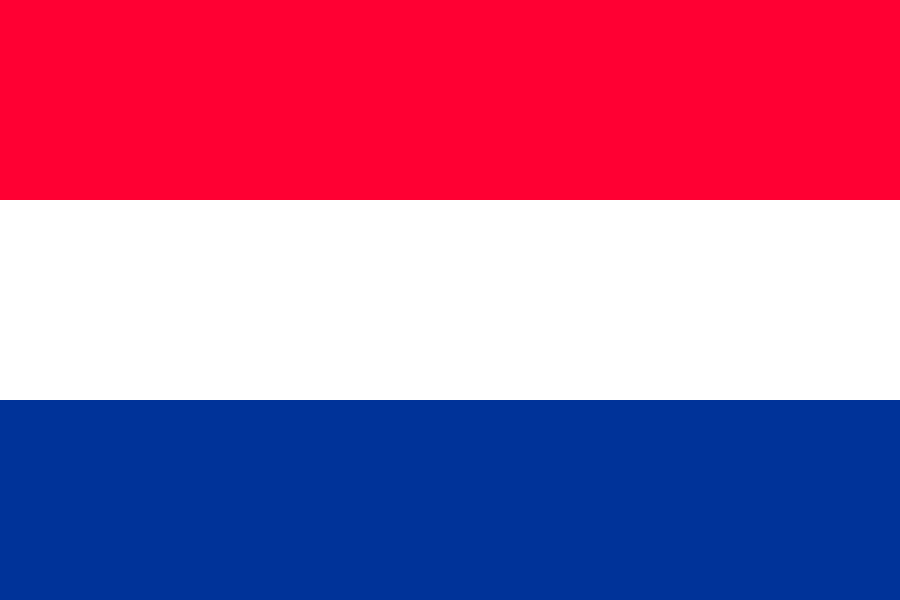 荷兰 is just off the coast to the northeast with Curaçao. Farther to the north are Jamaica, ruled by
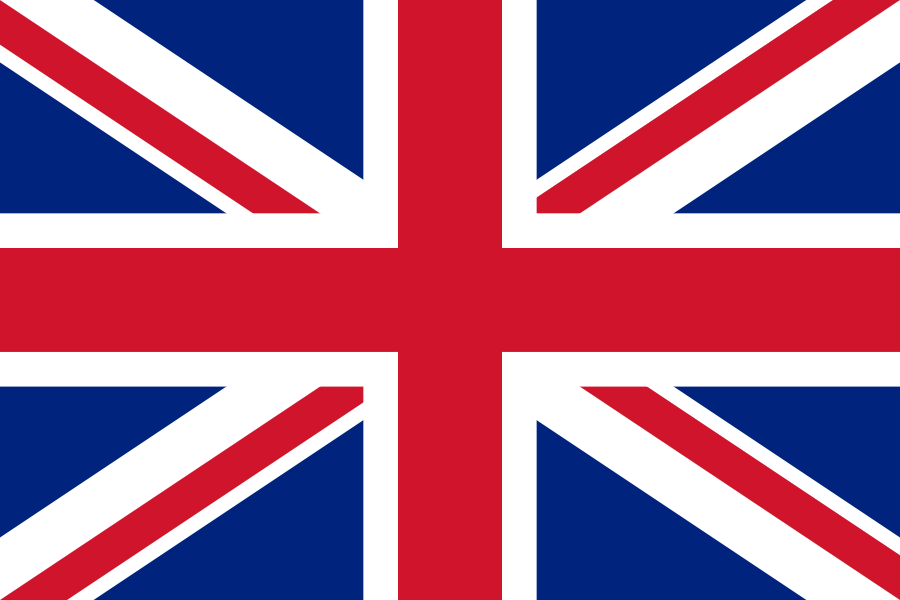 英国 and farther north the Caribbean countries
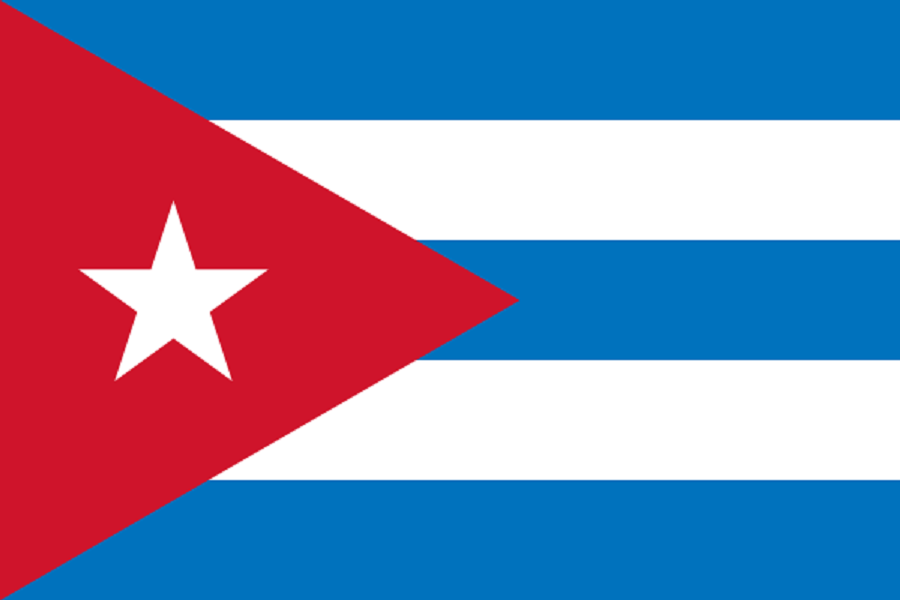 古巴 (Democratic),
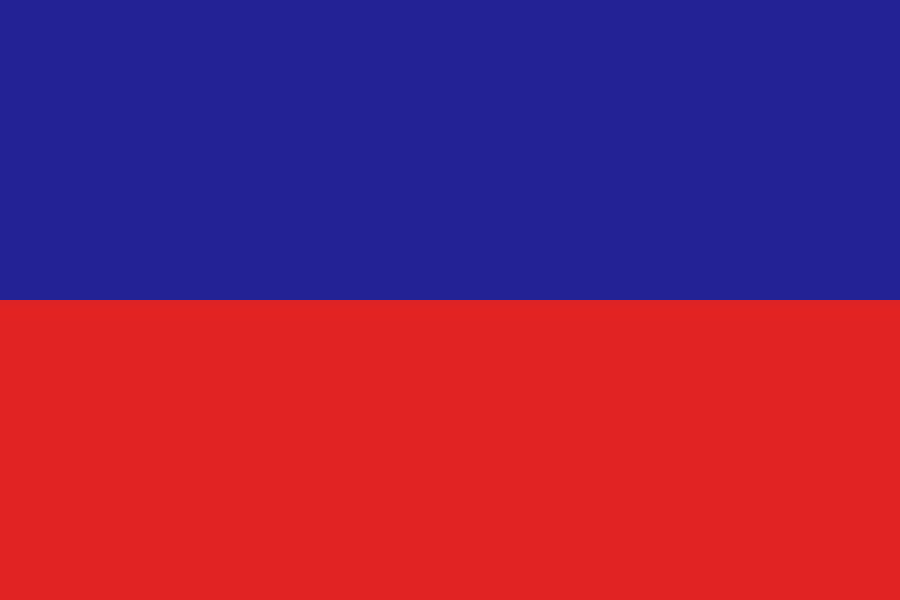 海地 (idem) and
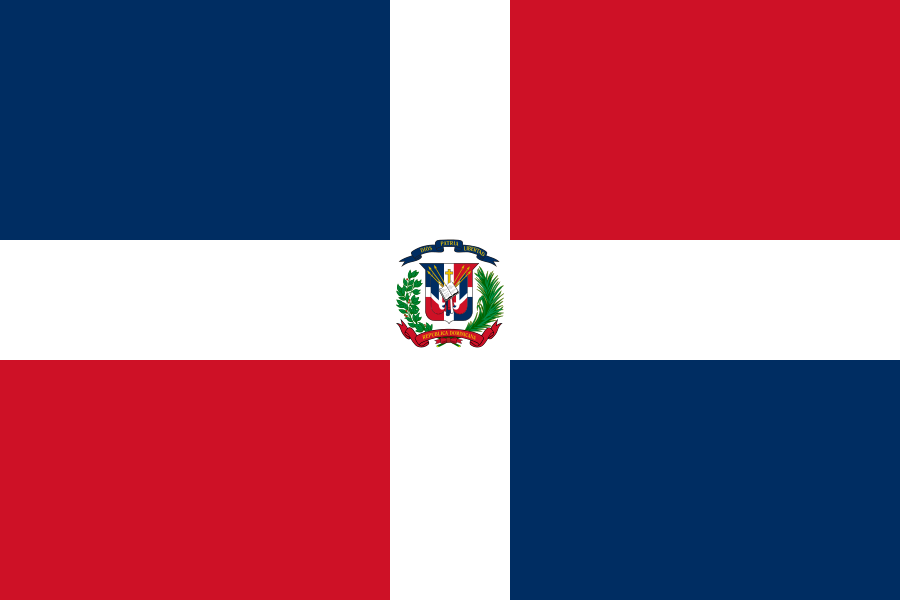 多米尼加 (Fascist). All Latin American neighbors are guaranteed by United States, just like Colombia itself.
The production capacity of the country is low at the start of the game, with 7 Civilian Factories and only 1 Military Factory. All resources need to be traded, except for oil which is plenty with 20. A good idea is to boost the industrial construction with the National Focus Tree on Industrial Effort -> Construction Effort, reaching the Extra Research Slot as fast as possible. That combined with the Research on Industry to enhance the capacity of the country. Because of the low capacity, it makes most sense to start the game playing Colombia in 1936, not 1939.
Democratic Colombia is surrounded by two Democratic countries, Panama and Ecuador, 2 Fascist countries Venezuela and Peru and Non-Aligned Brazil. As popularity of the ruling Democratic party is 99%, with only the Communist party at 1%, it takes quite a while to change 意识形态. The historically most correct way would be to stay Democratic and Neutral. For gameplay and to be able to declare war on your neighbors without too much 世界紧张度, it makes sense to shift to Fascism or Communism; due to your neighbors, the former is the far better option, also to join the Axis 阵营. The only Communist country in the whole Americas is landlocked and poor 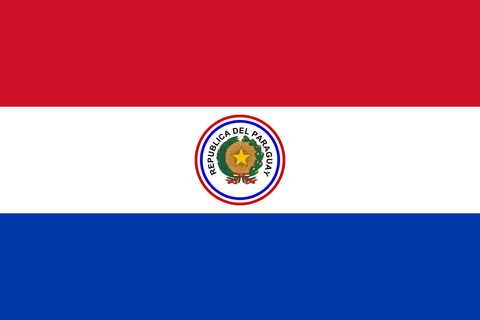 巴拉圭.
To move to Fascism, several options are offered and if you want to prevent your country to end up in 内战 and be divided in two (La Libertad turns away, making you lose your Caribbean Naval Bases, all of your oil, and the time and troops to gain La Libertad back), the best option is to go for population reforms around the elections of 1938. When Colombia turns Fascist, it takes the name Nueva Gran Colombia, referring to the historical Gran Colombia times when present-day Venezuela and Ecuador (and Panama) were part of the country. In case you choose to go for a Communist Colombia, the name changes to Colombian Socialist Republic.
Note that although the United States is guaranteeing your neighboring countries (and yourself), they only take action when a European power invades Latin America, allowing you to expand freely in most of the Americas (the British, Dutch and French colonies are not guaranteed) without them intervening.
Political Advisors can be used to turn your country Fascist or Communist and to boost your industry there are various options. You may want your military command to focus on land battles first with naval battles and airforce for later, depending on the direction you take.
Colombia starts rich in oil in La Libertad state, but lacks any of the other resources, so you need your 15 convoys and most of your Civilian factories for Trade. Ecuador has 2 , Peru 18 and 2 Tungsten, and Venezuela is extremely oil-rich with 184 . The Guyanas host vast resources of Aluminum; 112 in British Guyana, 12 in Suriname and 104 in French Guiana. Farther south, 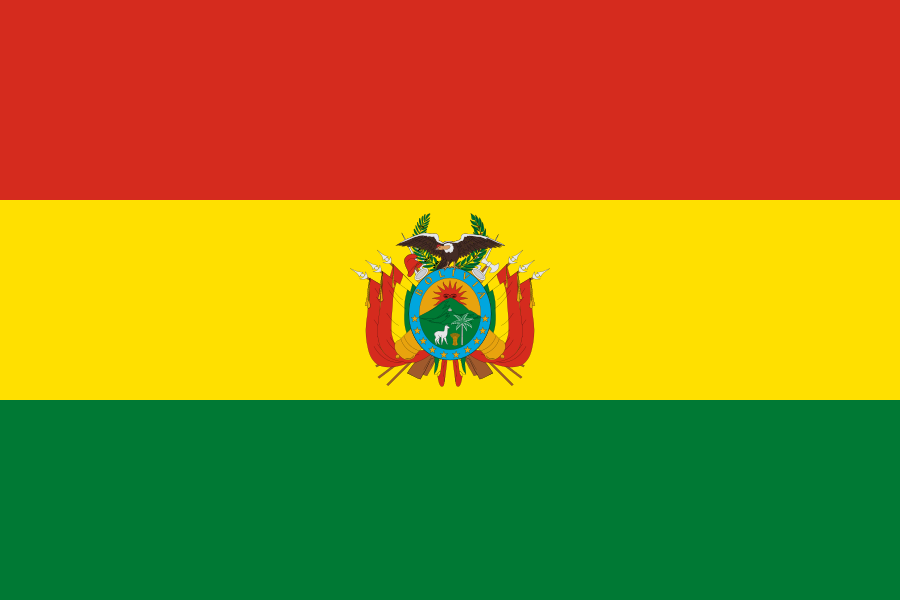 玻利维亚 is rich in (102) and has 2 Steel and
 智利 hosts 24 . Chromium can be acquired in Central America, between Panama and Mexico, but especially Cuba (160). Brazil is generally poor in resources, but dominates the South American Rubber market with 30.
Logical focuses for war are your weak southern neighbors; especially one mainland state Ecuador(South Colombia) and Peru. Venezuela is the next target later on, as they are simply East Colombia and must be reincorporated. Another set of possible targets that have little unlocked slots but major aluminum resources are the Guyanas, from west to east colonies of 英国 (British Guyana), 荷兰 (Suriname) and  法国 (French Guiana). While they are fighting with the Axis in Europe and Africa, their colonies are sparsely occupied by minor troops and can be easily taken with 海军登陆, just as Jamaica, Trinidad and Belize (British Mexico). Your northwestern neighbor Panama is split into two parts with the US occupied but very important Panama Canal in between, a good strategy for the longer term. Because of this barrier, you need Naval Invasions for the northern part of Panama. There are only three US divisions stationed at the crucial Panama Canal, but they are extremely strong in Attack (Soft和困难) and Defense and trying to conquer the Canal brings you into war with the far superior United States. To get to conquer the Panama Canal you also need a lot of naval and air superiority.
Because of the terrain (mountainous) and weather (jungle, hot, storm), the attrition is very high and armor (tanks) is not very effective. Better to focus on a lot of Infantry, armed with Artillery, to succeed in the Andes and surrounding jungles. Air superiority is not a major problem; your neighbours have small Airforces. After you turned Fascist (or Communist), the access for your Navy through the Panama Canal is blocked, but you can build a Naval Base at the Pacific coast in Cundinamarca (or western La Libertad) to maintain access to both sea regions.
For the longer term strategy when you want to expand into the Caribbean, up to the southern US, Brazil, Chile or northern Central America, and need longer range Air superiority, you may want to research Carriers as the Carrier Version Fighter plane is already researched at game start. Or alternatively research paratroopers and/or marines for invading the Caribbean islands and/or Central America easier. Note that to gain Victory Points in Brazil, you need to cross the enormous Amazon rainforest with high attrition and many rivers, so you might want to have established multiple fronts in the south (Bolivia, Argentina) and north (Guyanas) as well as carriers for air superiority before you start that major task.
It's easiest to go communist as soon as possible and immediately justify on 巴拿马和厄瓜多尔. Panama is very weak and will fall easily. Ecuador will put up more of a fight, but still has weak divisions and no air force. You can easily overpower them with the help of some CAS planes.
After annexing Panama and Ecuador, just bide your time, building up industry and the air force until the Axis and Allies go to war. Then justify on Venezuela; they're fascist so won't be guaranteed and will join the Axis. Venezuela has a larger army and will put up more of a fight, but with Allied help you should gain air superiority and gradually defeat them. Be warned that Peru may join the Axis before you defeat Venezuela, so it's wise to station troops at the Peruvian border. Note: do not join the Allies or the Comintern yet; the United States may rescind their guarantee, thus if you have to justify on Peru and declare war, the US will join as your enemy.
Peru is your strongest enemy, they have many divisions, a bigger navy, and an air force. Additionally their country is very mountainous and has many river crossings. Have good mountain divisions ready and make good use of your general's Makeshift Bridges trait. Build a lot of CAS and fighters as with a good enough industry you will eventually win the air war. Play cautiously and opportunistically, the Peruvian divisions will slowly lose strength and you'll be able to gradually push them back.
Once Peru is capitulated, you should be able to send your forces to Europe to help defeat the Axis and then annex your core territory.

我的船不会说谎(My Ships Don't Lie) 组建大哥伦比亚,并拥有 10 艘航母和 10 艘战列舰。 |

主动防御 作为任一共产主义南美或中美洲国家,占领华盛顿特区。 |

丛林激斗 作为任一南美国家,拥有亚马逊地区的全部州。 |

真正的秃鹰军团 作为 CHL、BOL、PRU、ECU、VEN、COL——向德国派遣志愿军 |

URSAL 成为共产主义国家并拥有整个南美洲 |
| 北美洲 |
| 南美洲 |
| 大洋洲 |
| Americas |
|
| 大洋洲 |
|
 稳定度:


 与以下互斥:


 Bahamas
 Belize
 英属安的列斯
 Cayenne
 格陵兰
 Guadeloupe
 Guyana
 Jamaica
 荷属安的列斯
 波多黎各
 魁北克
 里奥格兰德
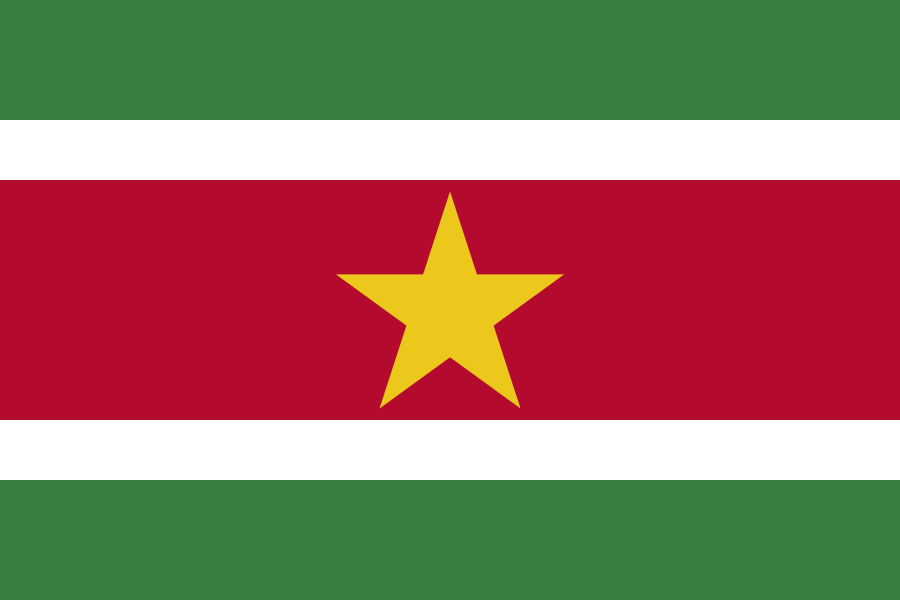 苏里南
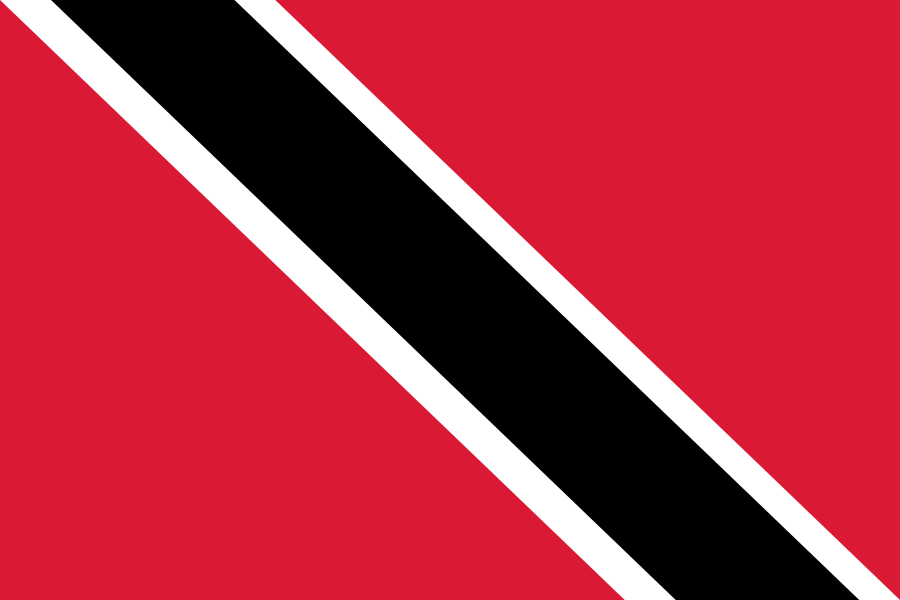 特立尼达和多巴哥
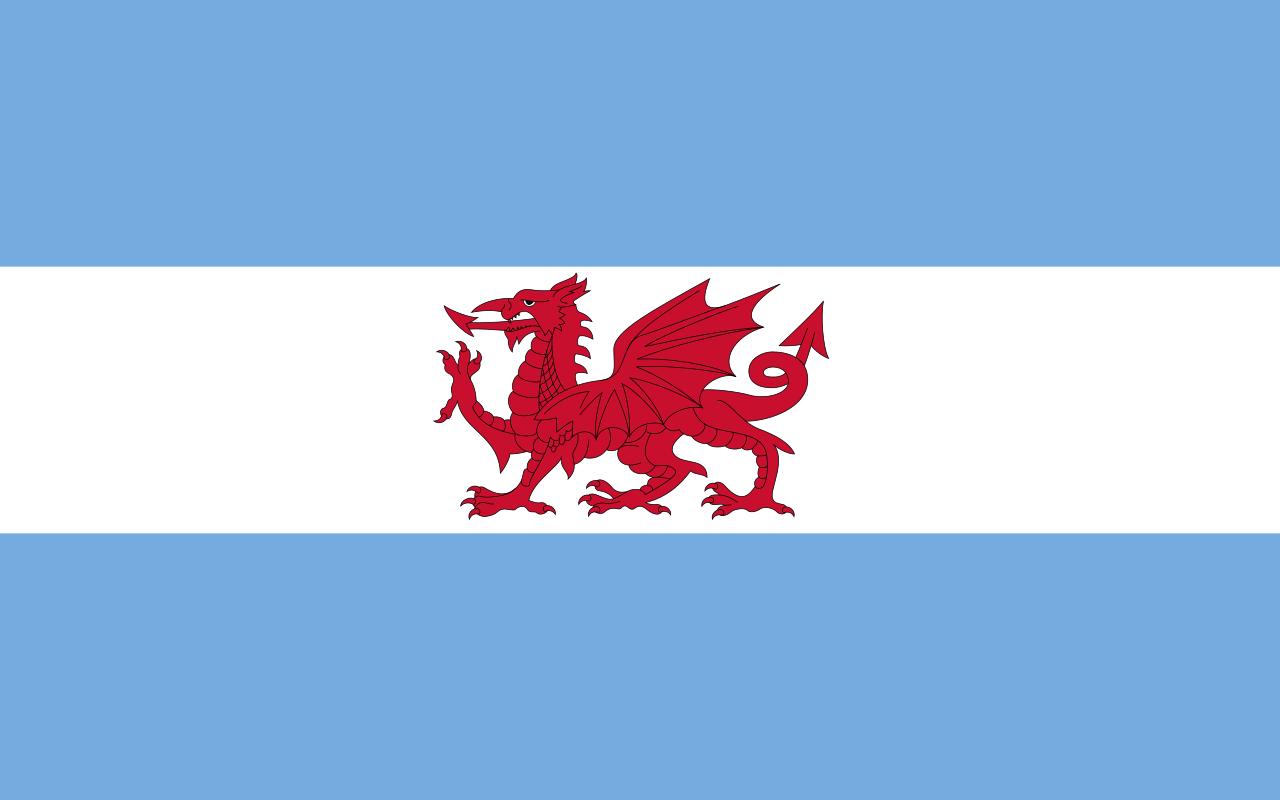 巴塔哥尼亚威尔士
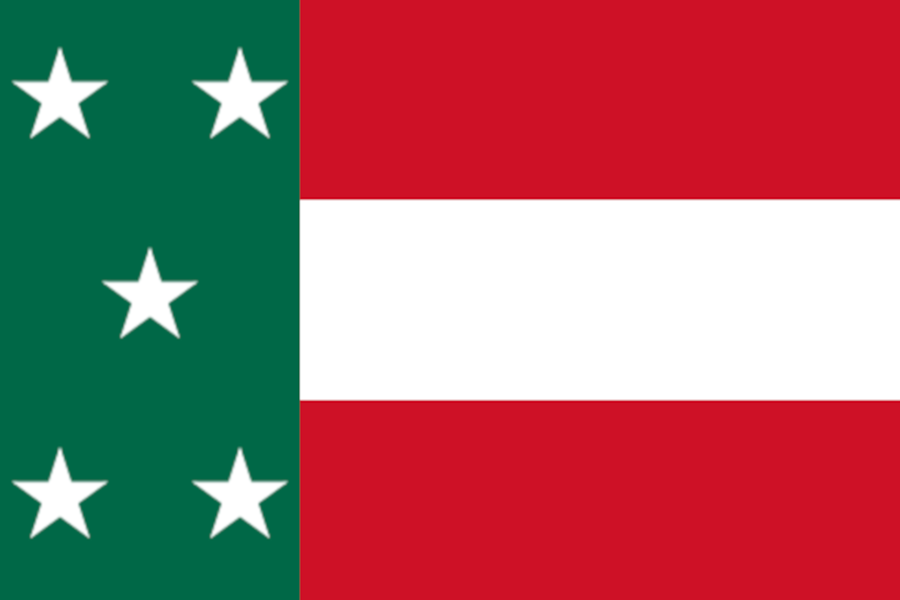 尤卡坦
 Bougainville
 夏威夷
 Mariana
 Melanesia
 Micronesia
 帕劳
 巴布亚新几内亚
 拉帕努伊
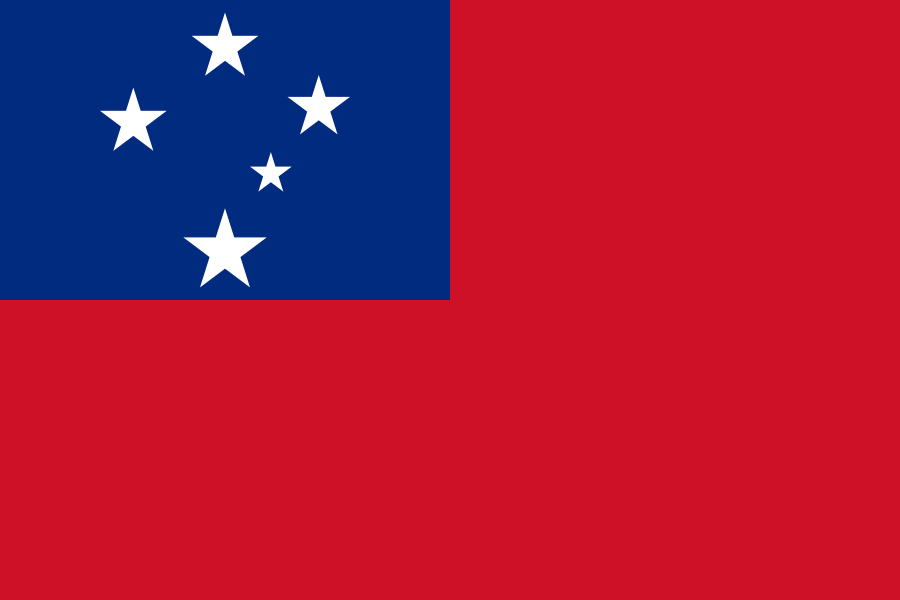 萨摩亚
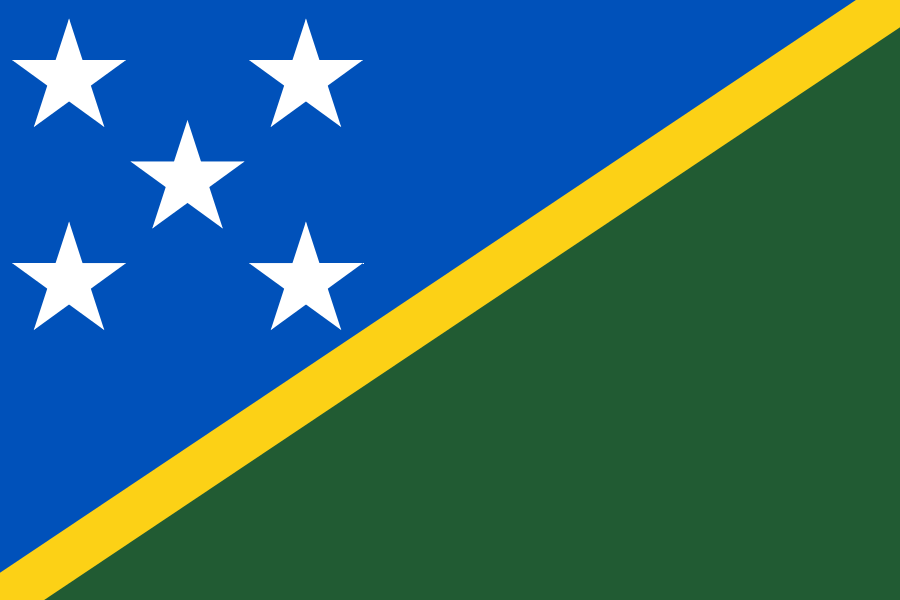 所罗门群岛
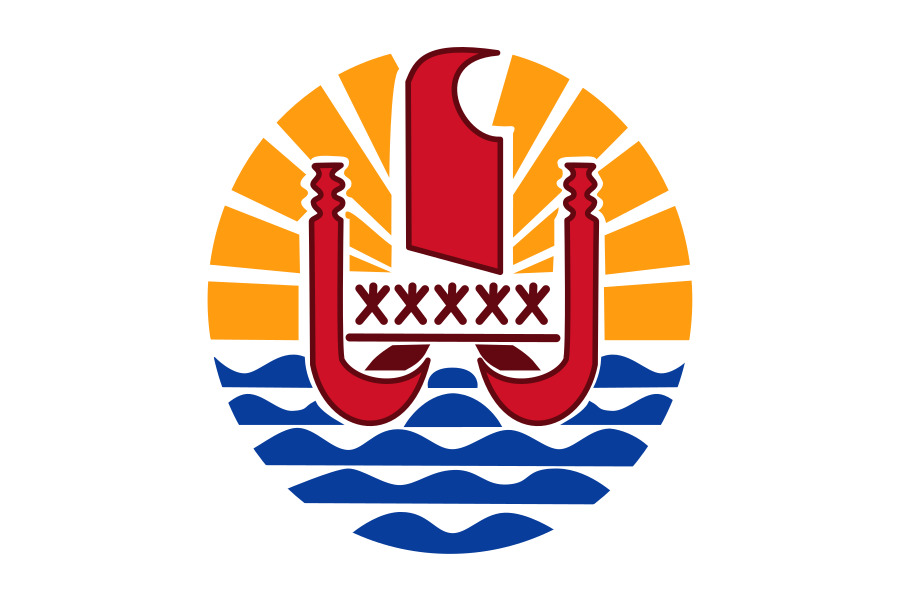 Tahiti
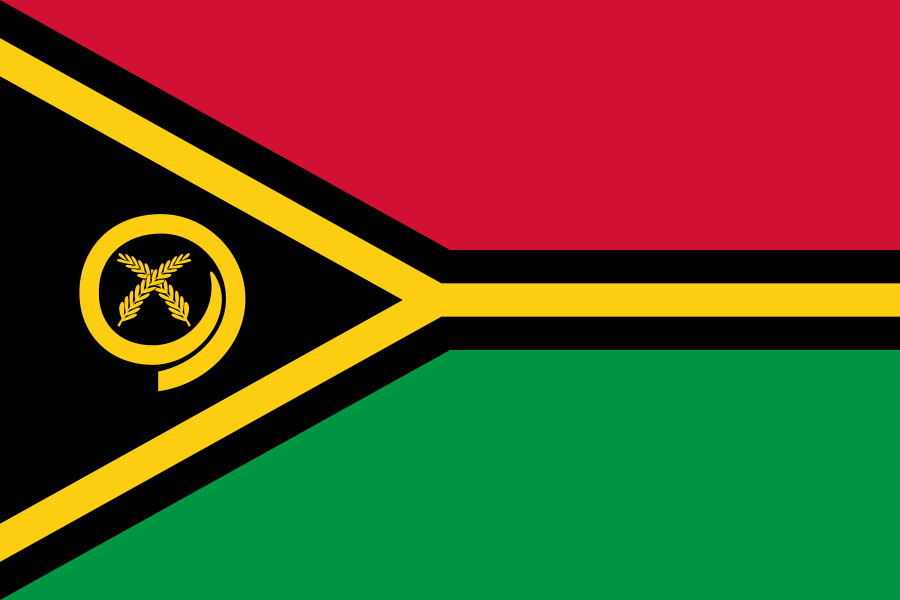 Vanuatu