| 陆军科技 | 海军科技 | 空军科技 | 电子与工业 |
|---|---|---|---|
|
|
没有
|
|
| 陆军学说 | 海军学说 | 空军学说 |
|---|---|---|
|
「无」 |
「无」 |
「无」 |
原页面:Netherlands
The  荷兰 is a minor country in Western Europe with a population of 7.94 M (core) and an additional 228.57 K (non-core). It borders
 德国和
 比利时 on the continent to its east and south, as well as
 法国 and the
 英国 overseas. The Netherlands rules a relatively big colonial empire, mainly through its
 整合傀儡国 of the
 荷属东印度 in Southeast Asia, but it also includes colonies in South America and the Caribbean.
Marred by the Great Depression, the Netherlands found itself teetering on the edge of instability, its foundations weakened by the global tremors of the Great Depression. The economic collapse not only devastated industries and livelihoods but also exposed the frailty of the Dutch government—an inefficient and fragmented system plagued by indecision and internal strife. As political paralysis deepened, the broader populace, traditionally pacifistic and wary of militarism, remained largely indifferent to the growing threats beyond their borders.
Historically, the Dutch nation attempted to stay Neutral in the upcoming conflict, but Germany had decided to invade the Netherlands on the 10th of May 1940, in order to bypass the French Maginot line. Like its neighbors, the Netherlands fell to the Germans and continued as a Government in Exile in London, while the queen and her family went to London. It engaged once more in the Asian theatre to fight off the invading Japanese from the Dutch East Indies, but failed and the Netherlands' biggest colony fell to the Japanese soon after its declaration of war against the Allies.
Historically, ever since the power of the monarch had been curbed by the revision of the constitution in 1848, the Netherlands has been a democracy with a figurehead monarch. However, universal suffrage was not attained until 1917. The nation had long been practising a policy of neutrality, but with the upcoming German threat it has decided to re-militarize the nation, although far too late.

The 荷兰, gets a unique 国策树.
The Dutch national focus tree can be divided into 3 branches and 5 sub-branches, as well as 3 joint branches with the 荷属东印度 and 1 additional joint branch:
荷属东印度 economic investments and bonuses in order to either become free and request surrounding territory, form a union with the Netherlands to create the  荷兰-印度尼西亚联邦 or make the 荷属东印度 a permanent puppet, giving economig bonuses to the Netherlands. 荷属东印度 in case it capitulates and gain war goal against
 委内瑞拉.
 Obtain Foreign Colonial Investments Branch (TAOG)雷霆临门 expands industry in the Dutch colonies, guarantees the 荷属东印度 stays loyal, and allows the Dutch to move their government to the 荷属东印度 in case it capitulates. 德国 or 英国 influence or head a neutral path.
 法西斯 sub-branch allows the Netherlands to ally with 德国, Placate the
 日本 with the 荷属东印度 or gain war goals on former colonial holdings and other Benelux nations.
 共产主义 sub-branch allows the Netherlands to release its colonial holdings, Join the
 苏联 or 法国 faction and gain war goals on non-communist western major nations and the Benelux.
 monarchist sub-branch allows Netherlands to make Wilhelmina head of government, gain guarantees from the
 美国 and take manpower from the Germans.
 民主主义 sub-branch allows the Netherlands to form the Benelux faction, invite other democratic European countries and create the European Union. 法国 or the 英国 with help to subjugate its wayward colony, remove escalation, or forces the 荷属东印度 to go it alone.
 澳大利亚、荷属东印度、法国、荷兰、英国和美国使用的联合分支。当与日本交战时,发起起始国策的国家会邀请其他符合条件国家加入。随后它为成员国提供海军加成,并可能将成员资格扩展至英属马来亚、新西兰和暹罗,但后者无法获得该分支。
The 荷兰 starts with the following 国家精神:
The 荷兰 begins with 3 research slots available; 2 more can be unlocked through the national focus tree.
| 陆军科技 | 海军科技 | 空军科技 | 电子与工业 |
|---|---|---|---|
|
|
没有
|
|
| 陆军学说 | 海军学说 | 空军学说 |
|---|---|---|
|
「无」 |
「无」 |
「无」 |
| 陆军科技 | 海军科技 | 空军科技 | 电子与工业 |
|---|---|---|---|
|
|
没有
|
|
| 陆军学说 | 海军学说 | 空军学说 |
|---|---|---|
|
|
|
The 荷兰 has a number of unique names for various technologies and equipment, listed here. Note that generic names are not listed.
| 类型 | 1918 | 1936 | 1939 | 1940 | 1941 | 1942 | 1943 | 1944 |
|---|---|---|---|---|---|---|---|---|
| 步兵装备 | Mannlicher M95 | Johnson M41 | Bergmann MP28 | Johnson M44 | ||||
| 摩托化步兵 | DAF Trado | |||||||
| 机械化 | DAF Pantrado 1 | DAF Pantrado 2 | DAF Pantrado 3 | |||||
| 两栖牵引车 | DAF MC-139 | DAF MC-143 |
| 科技年份 | 轻型(反坦克/自行火炮/防空) | 中型(反坦克/自行火炮/防空) | Modern | 重型 | Super-Heavy |
|---|---|---|---|---|---|
| 1918 | NA | ||||
| 1934 | PVT-1(TJ-1/PTG-1/无) | ZT-I | |||
| 1936 | PVT-2(TJ-2/PTG-2/无) | ||||
| 1938 | GVT-3(TJ-3/PTH-3/无) | ||||
| 1940 | GVT-4(TJ-4/PTH-4/无) | ZT-II | |||
| 1941 | PVT-5(TJ-5/PTG-5/无) | NA | |||
| 1943 | GVT-6(TJ-6/PTH-6/无) | ZT-III | |||
| 1945 | GVT-8 | ||||
| 备注:若无一步不退,中型坦克 I 与 II 将推迟一年解锁。 | |||||
| 科技年份 | 火炮 |
|---|---|
| 1934 | 7,5 cm M 02/04 |
| 1936 | |
| 1939 | 10,5 cm 10-veld |
| 1940 | |
| 1942 | 12 cm 12 lang 14 |
| 1943 |
| 科技年份 | 近距空中支援 | 战斗机 | 海军轰炸机 | 重型战斗机 | 战术轰炸机 | 战略轰炸机 |
|---|---|---|---|---|---|---|
| 1933 | Fokker D.XVII | Fokker C.V D/E | NA | |||
| 1936 | A-12 | Fokker D.XXI | Fokker T.IVa | Fokker G.1M | Fokker T.V | Pander F |
| 1940 | A-17 | F.K. 58 | Fokker T.VIII | Fokker G.1W | Fokker T.IX | Pander M |
| 1944 | A-21 | Fokker D.XXX | Koolhoven F.K.65 | Fokker G.XXIII | Koolhoven F.K.71 | Pander U |
The 荷兰 owns 3 core and 2 colonial states.
| 州 | 城市 | 
|
地形(省份数) | 区域 | 
|
是否核心州 |
|---|---|---|---|---|---|---|
| 布拉班特 | Breda Eindhoven Maastricht |
5 3 1 |
 森林 (2)  平原 (4)  城市 (1) |
城市区 | 1,449,000 | 
|
| 库拉索 | Willemstad | 1 | 平原 (1)
|
乡村区 | 76,299 | 
|
| 弗里斯兰 | 阿纳姆 Groningen Leeuwarden Utrecht |
1 3 1 5 |
森林 (1) 湖泊 (1)平原 (7) |
城市区 | 2,364,000 |
|
| 荷兰 | Amsterdam Rotterdam The Hague |
40 20 10 |
平原 (2)城市 (3)
|
大都市区 | 4,123,000 |
|
| 苏里南 | Paramaribo | 1 |  丛林 (3) |
乡村区 | 152,000 |
|
The Netherlands starts 1936 as a democracy, with elections every four years, the next being in April 1937. The ruling party is the Anti-Revolutionaire Partij led by Hendrikus Colijn.
The Netherlands has the following political parties:
| 政党 | 意识形态 | 支持率 | 党派领袖 | 国名 | 是否执政? |
|---|---|---|---|---|---|
| Anti-Revolutionaire Partij (Anti-Revolution Party) | 民主主义 |
93% | 亨德里库斯·科莱恩 | 荷兰 | Yes in 1936, no in 1939. |
| Christelijk-Historische Unie (Christian Historical Union) | 民主主义 |
Focus only | 迪尔克·扬·德海尔 | 荷兰 | Yes in 1939. In 1936, can come to power via the  "Form New Government" focus. |
| Christelijk-Historische Unie (Christian Historical Union) | 民主主义 |
Focus only | 彼得·斯约尔兹·赫布兰迪 | 荷兰 | No, can come to power via the  "Replace the Defeatist Government" focus. |
| Communistische Partij van Nederland (Communist Party of the Netherlands) | 共产主义 |
3% | 劳·德维瑟 | 人民联合省 | No |
| Nationaal-Socialistische Beweging (National-Socialist Movement) | 法西斯主义 |
4% | 安东·米塞特 | Dutch Rijk(尼德兰帝国) | No |
| Nationaal-Socialistische Beweging (National-Socialist Movement) | 法西斯主义 |
Decision only | 阿图尔·赛斯-英夸特 | Reichskommissariat Niederlande | No, can come to power via the Reichskommissariat Niederlande decision for the 德意志国
|
| Nederlandse Volksbeweging (Dutch People's Movement) | 中立主义 |
0% | 威廉·斯赫尔梅霍恩 | Kingdom of the Netherlands | No |
| Nederlandse Volksbeweging (Dutch People's Movement) | 中立主义 |
Focus only | Wilhelmina | Kingdom of the Netherlands | No, can come to power via the  "The Only Man in the Dutch Government" focus. |
In the 1939 start date, the popularity of all political parties is the same as the 1936 start date.
荷兰 的可能国家领袖。
| 意识形态 | 肖像 | 名称 | 党派 | 特质 | 效果 | 可用 |
|---|---|---|---|---|---|---|
保守主义 |
|
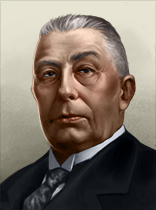
亨德里库斯·科莱恩 | 反革命党(ARP) | 严格紧缩政策拥护者 |
|
1936 年起始领袖 |
保守主义 |
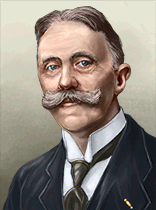
|
迪尔克·扬·德海尔 | Christelijk-Historische Unie (CHU)" | Defeatist |
|
can come to power through 组建新政府
|
保守主义 |
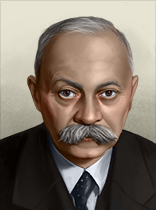
|
彼得·斯约尔兹·赫布兰迪 | 反革命党(ARP) | 「小丘吉尔」 |
|
can come to power through focus 替换失败主义政府
|
列宁主义 |

|
劳·德维瑟 | 荷兰共产党(CPN) | 资深共产党人 |
|
|
法西斯主义 |
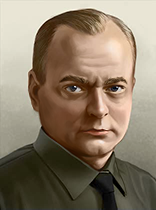
|
安东·米塞特 | 荷兰国家社会主义运动(NSB) | Leider |
|
|
雷克斯主义 |
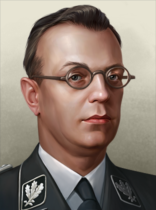
|
阿图尔·赛斯-英夸特 | 荷兰国家社会主义运动(NSB) | 纳粹同情者 |
|
can come to power via the Reichskommissariat Niederlande decision for the 德意志国
|
中间主义 |

|
威廉·斯赫尔梅霍恩 | 荷兰人民运动(NVB) | |||
中间主义 |
|
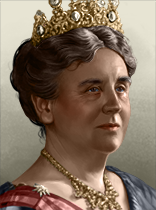
Wilhelmina | 荷兰人民运动(NVB) | Wilhelmina |
|
can come to power through focus 荷兰政府中唯一的能人
|
Being a conservative democratic country, the Netherlands has a (+20) relationship with other conservative Democratic countries, such as neighboring Belgium and 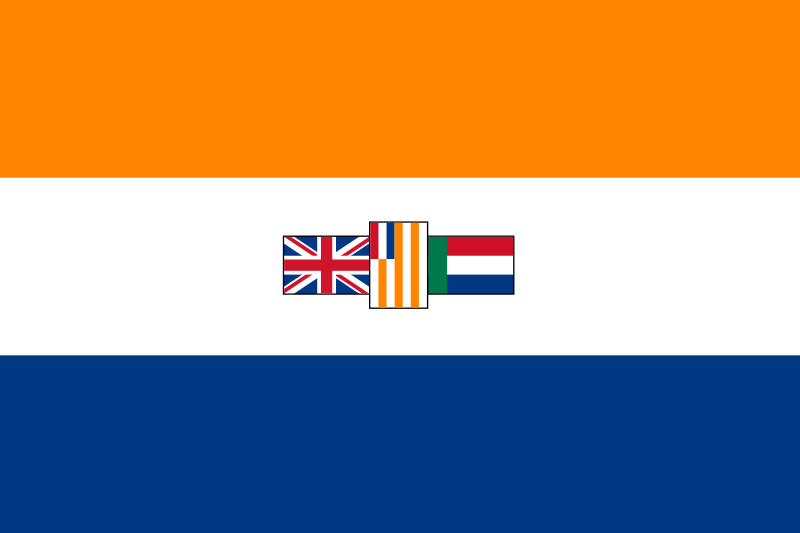 南非, and a (+10) relation with all other democratic nations. The Netherlands has a slightly negative (-10) relationship with everyone else who doesn't share the same ideology. It wields a relatively big colonial empire and holds the East Indies as a puppet.
The Netherlands does not have claims or cores on foreign soil.
The Netherlands starts out suffering from the effects of the Great Depression, restricting growth of the economy. Militarily, the Netherlands has a shortage of 人力.
荷兰 的部长与军事幕僚。
| 名称 | 特质 | 效果 | 要求 | 花费()
|
|---|---|---|---|---|
| 威廉·斯赫尔梅霍恩 | 民主改革者 |
|
|
150 |
| Saul de Groot | 共产主义革命者 |
|
|
150 |
| Antonie Pannekoek | Council Communist |
|
150 | |
| Walraven van Hall | Resistance Banker |
|
|
150 |
| Jacob Adriaan de Wilde | Genial Anti-Revolutionary |
|
|
150 |
| Anton de Kom | Colonial Communist |
|
150 | |
| Jan Goudriaan | 工业巨头 | - | 150 | |
| Adriaan Dijxhoorn | 军工实业家 | 以下条件之一必须成立:
|
150 | |
| Prince Bernhard | Adventurous Daredevil |
|
100 | |
| Cornelis van Geelkerken | 恐怖亲王 |
|
|
150 |
| Meinout Rost van Tonningen | 法西斯煽动家 |
|
|
150 |
| Adriaan de Hollander | Ilusive Gentlemen |
|
Has Created an Intelligence Agency (only available with La Resistance DLC) | 150 |
| 名称 | 特质 | 效果 | 花费()
|
|---|---|---|---|
| 戈德弗里德·范·福尔斯特·托特·福尔斯特 | 军事理论家 |
|
100 |
| 约翰内斯·特奥多鲁斯·菲尔斯滕纳 | 海军理论家 |
|
100 |
| 马里乌斯·拉艾马克斯 | 空战理论家 |
|
100 |
| 名称 | 特质 | 效果 | 要求 | 花费()
|
|---|---|---|---|---|
| Izaak Reijnders | 陆军机动(专家) |
|
- | 100 |
| 海因·特尔·波尔滕 | 陆军士气(专家) |
|
- | 100 |
| Hendrik Seyffardt | 陆军进攻(专家) |
|
|
100 |
| Henri Winkelman | 陆军防御(专家) |
|
已完成焦点 Appoint New Supreme Commander |
100 |
| 名称 | 特质 | 效果 | 花费()
|
|---|---|---|---|
| Conrad Helfrich | 商业袭击(天才) |
|
200 |
| Karel Doorman | 决战(专精) |
|
50 |
| 名称 | 特质 | 效果 | 花费()
|
|---|---|---|---|
| Petrus Wilhelmus Best | 夜间作战(专家) |
|
100 |
| Hendrik van Oyen | 空军改革者(专家) | 100 |
| 名称 | 特质 | 效果 | 花费()
|
|---|---|---|---|
| Charles Douw van der Krap | 海军打击(专家) |
|
100 |
| Nico van Straaten | 骑兵(专家) |
|
100 |
| Adrianus Rudolphus van den Bent | 步兵(专家) |
|
100 |
| Maarten Belzer | Concealment (Specialist) |
|
50 |
| 肖像 | 名称 |  技能 |
 攻击 |
 防御 |
 计划 |
 后勤 |
特质 | 要求 |
|---|---|---|---|---|---|---|---|---|
|
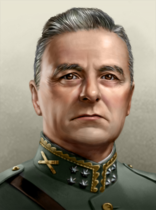
Henri Winkelman | 4 | 2 | 4 | 4 | 3 |  防御学说  Cautious  不屈防御者 |
|
|
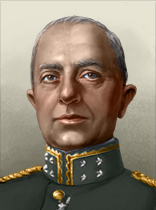
Izaak Reijnders | 2 | 2 | 2 | 1 | 4 |  老卫队  顽固战略家  Reckless |
|
|
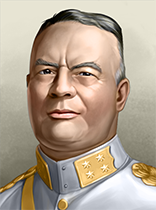
海因·特尔·波尔滕 | 3 | 2 | 3 | 2 | 3 |  后勤奇才  魅力非凡 |
|
| 肖像 | 名称 | 技能 |
攻击 |
防御 |
计划 |
后勤 |
特质 | 要求 |
|---|---|---|---|---|---|---|---|---|

|
Fanny Schoonheyt | 3 | 4 | 2 | 4 | 2 |  杰出战略家  诡计者  突击队 |
|
|
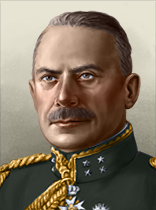
戈德弗里德·范·福尔斯特·托特·福尔斯特 | 4 | 4 | 4 | 4 | 3 | 杰出战略家 政治人脉  职业军官  装甲军官 |
– |
|
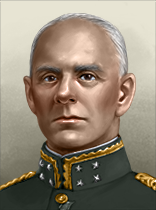
Petrus Wilhelmus Best | 3 | 2 | 3 | 2 | 3 |  组织者  娴熟参谋 |
– |

|
Prins Bernhard | 2 | 2 | 2 | 2 | 1 | 政治人脉 Reckless 媒体名人  步兵军官诡计者  Skirmisher |
|
| 肖像 | 名称 | 技能 |
攻击 |
防御 |
 MNV |
 COR |
特质 | 要求 |
|---|---|---|---|---|---|---|---|---|
|
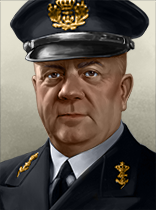
Conrad Helfrich | 4 | 5 | 2 | 3 | 2 |  Bold职业军官  海狼  卓越战术家 |
– |
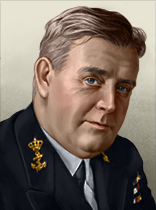
|
约翰内斯·特奥多鲁斯·菲尔斯滕纳 | 3 | 2 | 3 | 3 | 2 |  Caustic Personality  突破封锁者  苍蝇拍 |
– |
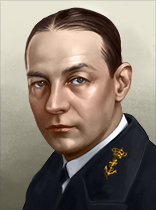
|
Karel Doorman | 3 | 3 | 2 | 3 | 2 | Bold 海军传承  舰队护卫者 |
– |
| 标志 | 名称 | 类型 | 效果 | 要求 | 花费()
|
DLC |
|---|---|---|---|---|---|---|

|
Royal Dutch Shell | 工业财团 |
|
|
75 | |

|
Philips | 电子学财团 |
|
|
75 |
荷兰 的设计商。
| 标志 | 名称 | 类型 | 效果 | 要求 | 花费()
|
|---|---|---|---|---|---|

|
装甲连 | 坦克设计商 |
选择此设计公司后,只要它仍在受雇,就会永久影响其受雇期间研究的所有装备的性能。 |
– | 150 |
| 标志 | 名称 | 类型 | 效果 | 要求 | 花费()
|
DLC |
|---|---|---|---|---|---|---|

|
阿姆斯特丹海军船厂 | 袭击舰队设计商 |
选择此设计公司后,只要它仍在受雇,就会永久影响其受雇期间研究的所有装备的性能。 |
|
150 | |

|
威尔顿·菲耶诺德 | 大西洋舰队设计商 |
选择此设计公司后,只要它仍在受雇,就会永久影响其受雇期间研究的所有装备的性能。 |
|
150 |
| 标志 | 名称 | 类型 | 效果 | 要求 | 花费()
|
DLC |
|---|---|---|---|---|---|---|

|
Fokker | 轻型飞机设计商 |
选择此设计公司后,只要它仍在受雇,就会永久影响其受雇期间研究的所有装备的性能。 |
|
75 | |

|
Koolhoven | 中型飞机设计商 |
选择此设计公司后,只要它仍在受雇,就会永久影响其受雇期间研究的所有装备的性能。 |
|
150 |
| 标志 | 名称 | 类型 | 效果 | 要求 | 花费()
|
DLC |
|---|---|---|---|---|---|---|

|
SOMUA | 摩托化装备设计商 |
|
|
150 | |

|
MAS | 步兵装备设计商 |
|
|
150 | |

|
Schneider | 火炮设计商 |
|
|
150 | |

|
Alsthom | 列车设计商 |
选择此设计公司后,只要它仍在受雇,就会永久影响其受雇期间研究的所有装备的性能。 |
|
150 |
荷兰 可使用这些军工产业组织。
| ||||||||||||||||||||||||||||||||||||||||||||||||||||||||||||||
| ||||||||||||||||||||||||||||||||||||||||||||||||||||||||||||||||||||||||||||||||||||||||||||||||||||||||||||||||||||||||||||||||||||||||||||||||
| ||||||||||||||||||||||||||||||||||||||||||||||||||||||||||||||||||||||||||||||||||||||||||||||||||||||||||||||||||||||||||||||||||||||||||||
| ||||||||||||||||||||||||||||||||||||||||||||||||||||||||||||||||||||||||||||||||||||||||||||||||||||||||||||||||||||||||||||||||||||||||||||||||||||||||||||||||||||||||||||||||||||||||||||||||||||||||||||||||||
荷兰 开局拥有以下法令:
1936
| 征兵法案 | 贸易法案 | 经济法令 |
|---|---|---|
 仅志愿兵役
|
 出口导向
|
 民用经济
|
1939
| 征兵法案 | 贸易法案 | 经济法令 |
|---|---|---|
 有限征兵
|
出口导向
|
民用经济
|
 年份 |
 军用工厂 |
 海军船坞 |
 民用工厂 |
 燃料筒仓 |
 Refineries |
 建筑槽位 |
|---|---|---|---|---|---|---|
| 1936 | 4 | 3 | 11 (-3) | 1 | 0 | 26 |
*红色 中的数字表示生产消费品所需的民用工厂数量,依据经济法案以及军用与民用工厂总数向上取整。
年份 |
 石油 |
 铝 |
 橡胶 |
 钨 |
 钢铁 |
 铬 |
 煤 |
|---|---|---|---|---|---|---|---|
| 1936 | 49 (-24) | 85 (-42) | 0 | 0 | 7 (-3) | 0 | 17 (-8) |
*这些数字表示游戏开始一小时后可用的资源量。红色 中的数字表示因贸易法案而留作出口的资源量。
| 类型 | # 1936 | # 1939 | |
|---|---|---|---|
 |
步兵 | 8 | 13 |
 |
师总数 | 8 | 13 |
 |
已用人力 | 72.00K | 114.50K |
| 师 | 名称列表 | # 1936 | # 1939 | 支援连 | 战斗营 |
|---|---|---|---|---|---|
 Infanterie Divisie |
步兵师 | 8 | 12 | 9x
| |
| Koloniaal Garnizoen |
Colonial Garrison | 0 | 0 | 2x
| |
 Mariniersdivisie |
陆战师 | 0 | 0 | 4x
| |
| Lichte Divisie^ |
步兵师 | 0 | 1 |  |
6x
|
| ^ 标记仅存在于 1939 年开局中的师。 | |||||
| 类型 | # 1936 | # 1939 | |
|---|---|---|---|
 |
重巡洋舰 | 3 | |
 |
轻巡洋舰 | 3 | 4 |
 |
驱逐舰 | 8 | 9 |
 |
潜艇 | 20 | 23 |
 |
运输船队 | 150 | |
 |
舰船总数 | 34 | 39 |
|
已用人力 | 10.80K | 12.30K |
| 类型 | Class | Hull | 发动机 | # 1936 |  1936 |
# 1939 | 1939 |
设计说明 |
|---|---|---|---|---|---|---|---|---|
| CA | Hertog Hendrik* | 岸防舰 | 巡洋舰 I | 1 | 1 | Light Cruiser Battery I, Fire Control 0, Cruiser Armor II, Torpedo Launcher I, Floatplane Catapult I | ||
| CA | Soerabaja | 岸防舰 | 巡洋舰 I | 2 | 2 | Heavy Battery I, Secondary Battery I, Anti-Air I, Fire Control 0, Cruiser Armor II | ||
| CL | De Ruyter | 早期巡洋舰 | 巡洋舰 II | 1 | 1 | Light Cruiser Battery I, Anti-Air I, Fire Control 0, Floatplane Catapult I | ||
| CL | Java* | 早期巡洋舰 | 巡洋舰 I | 2 | 2 | 2x Light Cruiser Battery I, Anti-Air I, Fire Control 0, Floatplane Catapult I | ||
| CL | Tromp^ | 早期巡洋舰 | 巡洋舰 II | 1 | Light Cruiser Battery II, Anti-Air I, Fire Control 0, Torpedo Launcher I, Floatplane Catapult I | |||
| DD | Van Galen | 早期驱逐舰 | 轻型 I | 4 | 4 | Light Battery I, Anti-Air I, Fire Control 0, Torpedo Launcher I, Depth Charge I | ||
| DD | Van Ghent* | 早期驱逐舰 | 轻型 I | 4 | 4 | 轻型火炮 I、防空炮 I、火控系统 0、鱼雷发射器 I、深水炸弹 I、布雷轨 | ||
| DD | Gerard Callenburgh | 基础驱逐舰 | 轻型 II | Light Battery II, Anti-Air I, Fire Control 0, Torpedo Launcher I, Depth Charge I, Minelaying Rails | ||||
| DD | van der Zaan^ | 基础驱逐舰 | 轻型 I | 1 | Light Battery I, Anti-Air I, Fire Control 0, 2x Minelaying Rails | |||
| SS | K-III* | 早期潜艇 | 潜艇 I | 5 | 5 | 鱼雷发射管 I | ||
| SS | K-XIV | 基础潜艇 | 潜艇 II | 5 | 6 | 2x Torpedo Tubes II | ||
| SS | O9* | 早期潜艇 | 潜艇 II | 10 | 10 | 鱼雷发射管 I | ||
| SS | O19^ | 改进型潜艇 | 潜艇 III | 2 | 2x 鱼雷发射管 II、布雷管 | |||
| * 表示某个变体已「过时」。 ^ 标记仅存在于 1939 年开局中的变体。 舰种术语:
| ||||||||
| 类型 |  1936 |
 1936 |
1939 |
1939
| |
|---|---|---|---|---|---|
 |
战斗机 | 0 | 60 | 72 | |
 |
近距空中支援 | 0 | 12 | 0 | 12 |
 |
战术轰炸机 | 0 | 0 | 16 | |
 |
飞机总数 | 0 | 12 | 60 | 100 |
|
已用人力 | 0 | 240 | 1.20K | 2.32K |
| 类型 | 机体 | Role | 主武器 | 副武器 | 发动机 | 特殊模块 |
|---|---|---|---|---|---|---|
| Fokker T.IV | 战间期中型 | 战术轰炸机 | 中型弹舱 | 轻型鱼雷挂架 | 2x 引擎 I | Flying Boat Medium |
| Fokker C.X | 战间期小型 | CAS | 炸弹挂锁 | 2x 轻机枪 | 1x 发动机 I | |
| Fokker G.I^ | 基础小型 | 战斗机 | 2x 机炮 I | 2x 轻机枪 | 2x 引擎 I | |
| Fokker T.V^ | 基础中型 | 战术轰炸机 | 中型弹舱 | 2x 发动机 II | Light MG Defense Turret 2x, Cannon Defense Turret | |
| Fokker D.XXI^ | 基础小型 | 战斗机 | 4x 轻机枪 | 1x 发动机 I | ||
| ^ 标记仅存在于 1939 年开局中的变体。 | ||||||
 以下是one of many玩家为荷兰建议的战略。请记住,由于游戏的动态特性,其他玩家的情况可能会有所不同。
Siding with the Allies is the historical and most 'sensible' approach for the Netherlands given the political situation, but makes them a nice, soft and juicy target for both Germany and Japan. The Dutch will be lacking in both manpower and industrial capacity. You indirectly control plenty of rubber and other resources from Indonesia, but you can't do anything with it since both your industry and your manpower is too small. The starting navy is actually half-decent, but not a global power, so one should focus on either bothering Germany with it, or protecting the colonies against Japan. The starting army is both under-equipped and small.
Without good mobilization policies, buildup will be slow and only a small number of projects can be completed before Germany and Japan invade. This means sacrifices will have to be made just to survive. The eastern part of the Netherlands will be sacrificed to the Germans, because the open plains are practically undefendable. Forming a compact defensive line around the province of Holland instead, using the rivers and landscape to its maximum advantage, will significantly improve their chances.
The Indonesian colonies can no longer be sacrificed to the Japanese by retreating all the colonial troops to the homeland because Indonesia is now a puppet and if they capitulate those forces are gone. (If you're really lucky though, Japan didn't even bother to invade Indonesia at all, which happens at times.) The entire industry should be focusing on basic infantry equipment, artillery and some small anti-tank. New military factories should be placed in Holland, Suriname, Guyana, or even Indonesia. Just not in the territory that will fall to the nazis.
The goal here is to dig in and holdout in Holland, until forces from the Allies come in to relieve the pressure. If Holland and Suriname are filled with factories, consider building forts. This is because, once again, it would only be helping the enemy to build factories in areas that can't be defended. You are probably going to run out of manpower pretty soon, it might be a good idea to disband your starting troops and replace them with Indonesian colonial divisions though you will have to transport your reinforcements from the other side of the planet. (Alternatively, you can deploy divisions at home and convert them to colonial templates. But it will still take some time to reinforce the divisions, and they will lose experience.) Be sure to leave some troops to defend your colony later on before the Japanese comes around knocking.
The biggest threat to you is the German Medium Tanks. Unupgraded basic AT guns will fail to penetrate Medium Tanks unless used in sufficiently large numbers which your industry probably won't allow at this stage, so you are going to have to at least research the first upgrade to the AT Guns which allows you to penetrate basic Medium Tanks with just AT Support divisions.
Don't bother with an air force. The industrial capacity should be reserved for the land force and a small nation as the Netherlands won't be able to make a big difference anyway.
Once Allied forces start arriving, one can start to think about liberating the mainland and even advancing into Germany alongside the Allies. By that time, industrial capacity will become less and less of a problem, but manpower will remain a major problem because of the small size of the Netherlands
As The Netherlands, you control a puppet with a large manpower pool: Indonesia, also called the Dutch Indies. Their industrial capacity is weak and their division template is primitive, but there is a way to use Indonesian manpower in combination with Dutch industry. As Indonesia is an Integrated 傀儡国, you can train a division from a colonial template, which will be filled with 0% from your manpower and 100% from the puppet (less if Indonesia promotes to a colony). But you can also duplicate this template and edit it, and it will still draw 100% manpower from your puppet. So add some more infantry, some artillery, maybe even a bit of armor to the duplicated template. To gain the required army experience, you will need to hire a military theorist early, or exercise your divisions a lot. With this strategy, you can field a 750 000 man army and stop the German attack right at the border instead of sacrificing 2/3 of the country.
An interesting switch to the Allied Foothold strategy described above comes with the non-aligned 'Oranje Boven' tree. This path ends with the 'Wilhelmism' focus, which gives some weekly manpower and forms German defector divisions once in a while. However, the real deal starts upon entering German soil. If Dutch forces are (one of) the first to cross the border into German core territory, the German Empire is proclaimed in that core territory. This 'German Empire' has Wilhelm II as the faction leader, is non-aligned and takes part of the German Reich's armies with it. However, the crazy part is that this faction is a Dutch puppet, and since it counts as a civil war breaking out that means the German Empire doesn't lose any land in the peace deal.
In order to make this work the best, send a small force under the command of Prince Bernhard (as he has some decent attack and supply stats) as an 'assault squad' to parts of the front in e.g. Africa, Italy or France, where you can make concentrated breakthroughs and encirclements. Since the German defectors give you weekly manpower, if you manage carefully and beware supply bottlenecks you don't run out of manpower. In this way, you can influence the war on smaller fronts. Keep doing this until you can safely cross the German border, which often will be either in France/Belgium or in the Alps. After the war you can quite easily annex the Germans if you strive for world domination.


| 西欧 |
|
| 东欧 |
| 西欧 |
|
| 东欧 |  波斯尼亚-黑塞哥维那  克罗地亚  塞浦路斯  黑塞哥维那  卡舒比  科索沃  马其顿  摩尔多瓦  黑山  塞尔维亚  西里西亚  斯洛伐克  斯洛文尼亚  特兰西瓦尼亚 |
| 苏联 |
|
 稳定度:
 战争支持度:


 Expand Curaçao Oil Refineries
 Philips



 与以下互斥:




 DAF


 A. I. Hembrug


 H. I. H. Siderius






 匈牙利




 巴登-符腾堡
 巴斯克地区
 Bavaria
 布列塔尼
 Catalonia
 Corsica
 加利西亚
 Hesse
 伦巴底-威尼西亚
 Malta
 梅克伦堡
 北爱尔兰
 奥克西塔尼亚
 教宗国
 Prussia
 莱茵共和国
 萨普米
 Sardinia-Piedmont
 Saxony
 苏格兰
 石勒苏益格-荷尔斯泰因
 Thuringia
 Tuscany
 两西西里
 威尔士
 威斯特法伦
 阿布哈兹
 Bashkortostan
 白俄罗斯
 Chechnya-Ingushetia
 楚瓦什
 Crimea
 Dagestan
 Kabardino-Balkaria
 Kalmykia
 卡累利阿
 Komi
 马里埃尔
 涅涅茨
 北奥塞梯-阿兰
 Tatarstan
 乌德穆尔特
 乌克兰
 伏尔加德意志