| 陆军科技 | 海军科技 | 空军科技 | 电子与工业 |
|---|---|---|---|
|
「无」 |
「无」 |
「无」 |
| 陆军学说 | 海军学说 | 空军学说 |
|---|---|---|
|
「无」 |
「无」 |
「无」 |
原页面:Manchukuo
 满洲国 is a minor nation in northern Asia and a puppet of
 日本. They have a population of 34.37 M. Manchukuo starts with negligible industry and limited resources but has a formidable amount of population in both start dates and possesses considerable potential for expansion. Manchukuo is an interesting Chinese nation in that it is ruled by 爱新觉罗·溥仪, the former emperor of the Qing Dynasty and the last emperor of China, and has a national focus tree devoted to carrying out Puyi's ambition: retaking the Dragon Throne which was wrongfully taken from him in 1911, by conquering all of China and restoring the fallen
 Qing Empire.
The Empire of Manchukuo, or The State of Manchuria, was a subject of the Japanese Empire from 1932–1945. It was established as a Japanese puppet state after the Japanese invasion of Manchuria following the Mukden Incident, with the former Chinese Qing emperor Puyi (also called Xuantong or the Xuantong Emperor) established as its leader, reigning as the Kangde Emperor. Although de jure independent, Manchukuo saw little diplomatic recognition from states outside of those influenced or controlled by the Axis powers (with the Soviet Union being the most notable exception, extending recognition as part of the Soviet–Japanese Neutrality Pact), and was de facto a Japanese puppet state throughout its existence. Manchukuo was dissolved after Japan's capitulation in World War II, alongside all other Japanese puppet states.
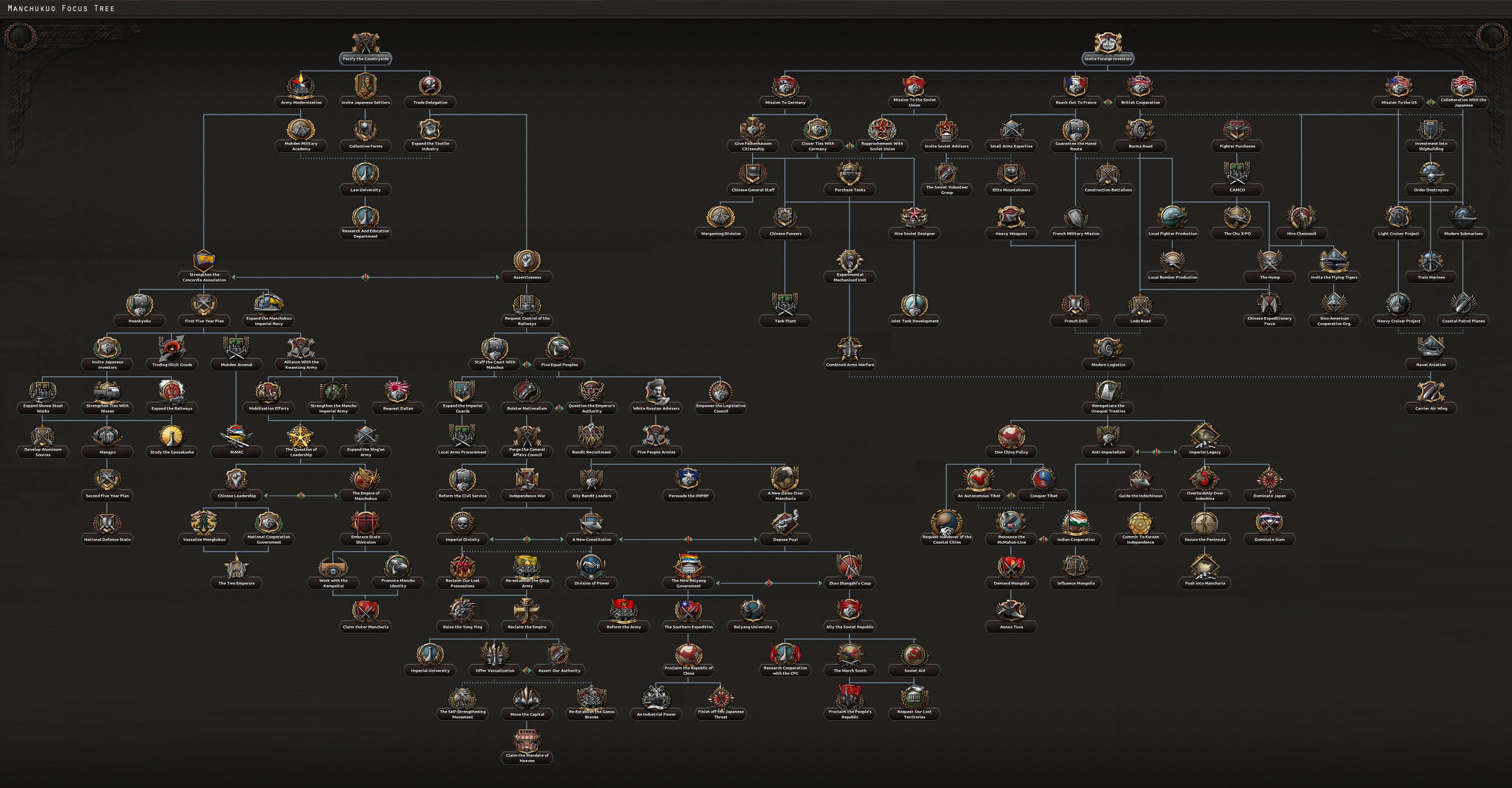
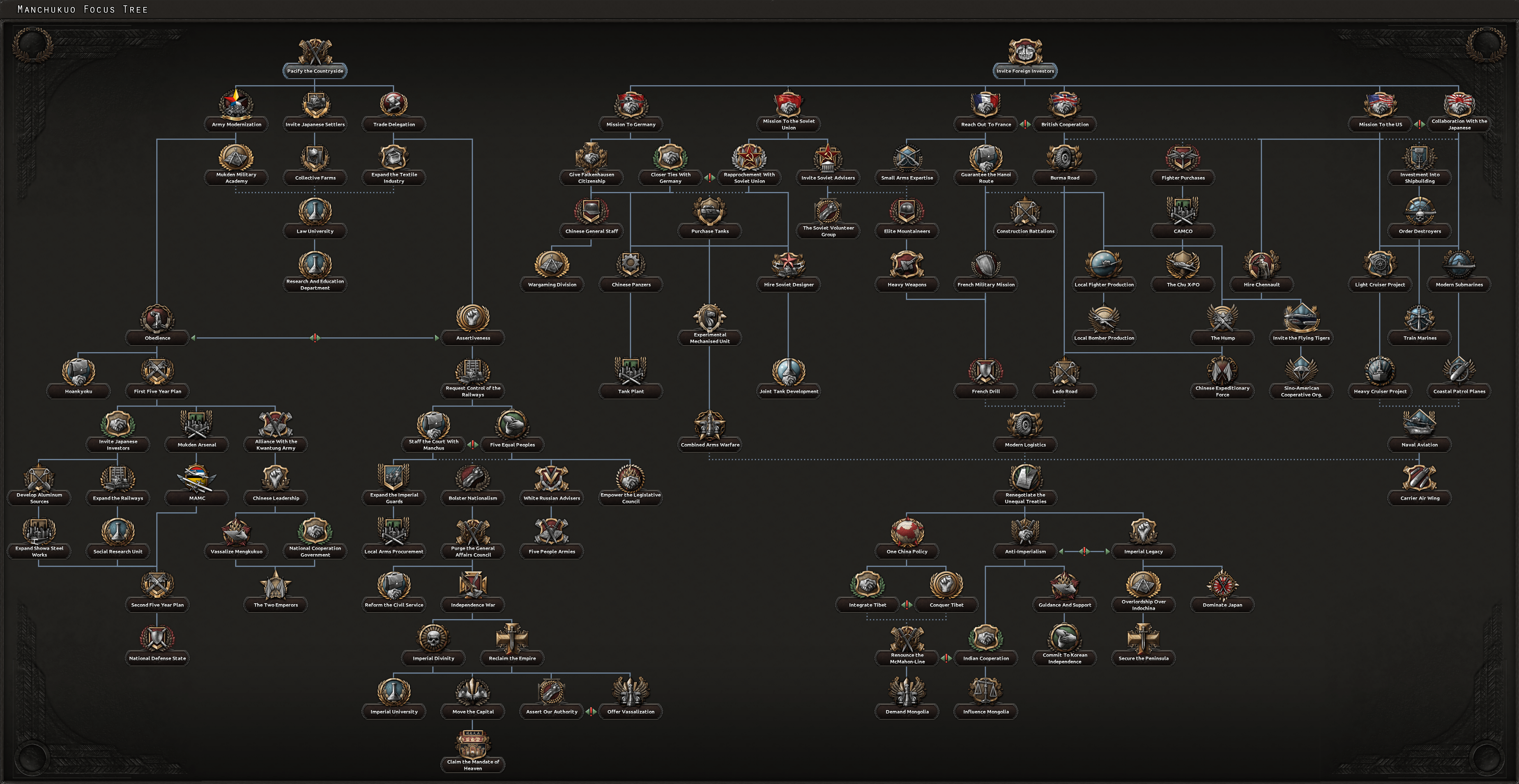
 不妥协,不投降的满洲国策树。
The Manchu national focus tree can be divided into 2 branches. Their unique branch contains 4 sub-branches:
满洲国's unique branch. 中华帝国 as 日本's puppet as well as the annexation of  蒙疆. The rightmost branch requires Puyi to not be the head of government and forms the Empire of Manchuria, incorporates Shinto into the culture, and gain claims and cores in the
 苏联 states in Outer Manchuria.
 民主主义 path and reform the Beiyang Clique and fight the rest of China in order to become the true successor of the Repubic of China. Player may also choose the
 共产主义 path to ally with the
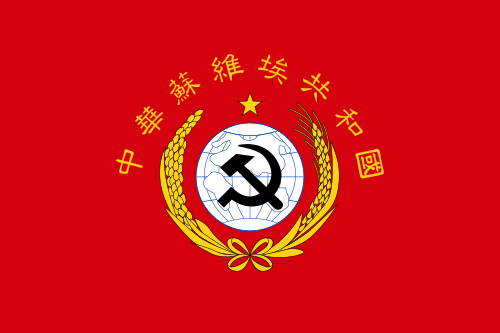 中华苏维埃共和国 and get aid from the 苏联 to form the
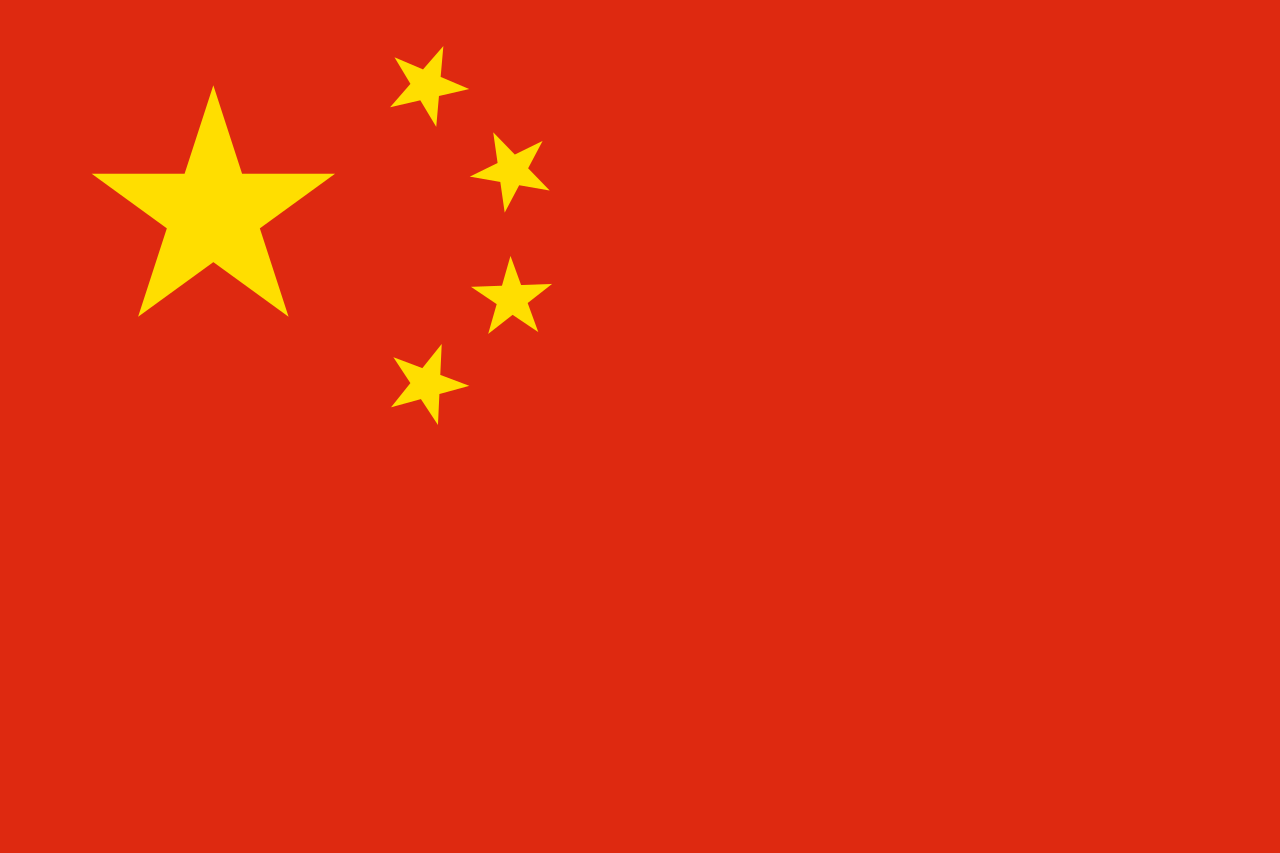 中华人民共和国 满洲国 to ask Major Countries for industrial support, with the evnetual end goal of industrialising the nation-state and renegotiating the Unequal Treaties and thus earning them recognition as the legitimate government of China, thus allowing them to unite China decisively. It is shared with the other Chinese nations.
满洲国 开局拥有以下国家精神:
满洲国开局拥有 2 个可用科研槽;另有 3 个可通过国策树解锁。
| 陆军科技 | 海军科技 | 空军科技 | 电子与工业 |
|---|---|---|---|
|
「无」 |
「无」 |
「无」 |
| 陆军学说 | 海军学说 | 空军学说 |
|---|---|---|
|
「无」 |
「无」 |
「无」 |
| 陆军科技 | 海军科技 | 空军科技 | 电子与工业 |
|---|---|---|---|
|
「无」 |
「无」 |
|
| 陆军学说 | 海军学说 | 空军学说 |
|---|---|---|
|
|
「无」 |
满洲国 has a number of unique names for various technologies and equipment, listed here. Particularly Japanese armaments, except their own 步兵装备. Note that generic names are not listed.
| 类型 | 1918 | 1936 | 1938 | 1939 | 1940 | 1942 | 1943 |
|---|---|---|---|---|---|---|---|
| 支援武器 | Type 3 Heavy Machine Gun & Type 11 mortar | Type 11 LMG & Type 10 grenade discharger | Type 99 LMG & Type 94 mortar | Type 1 HMG & Type 2 12 cm Mortar | |||
| 步兵装备 | Type 38 | Liao Type 13 | Type 100/40 | Type 100/44 | |||
| 步兵反坦克 | Type 2 Rifle Grenade | Type 4 AT Rocket Launcher |
| 科技年份 | 轻型(反坦克/自行火炮/防空) | 中型(反坦克/自行火炮/防空) | Modern | 重型(反坦克/自行火炮/防空) | Super-Heavy |
|---|---|---|---|---|---|
| 1918 | Ko-Gata | ||||
| 1934 | Type 94 | Type 95(Ka-To/Ji-Ro/无) | |||
| 1936 | Ha-Go (NA / Ke-Nu / Ko-Hi AA) | ||||
| 1938 | Chi-Ha(Ho-Ni I/Ho-I/无) | ||||
| 1940 | Chi-Nu(Ho-Ni III/Ho-Ro/无) | Iwakuro (Ho-Ri / Ho-Chi / NA) | |||
| 1941 | Ke-Ni (Ho-Ru / Ku-Se / Ta-Se) | Type 2604 | |||
| 1943 | Chi-Ri(Na-To/Ha-To/无) | O-I | |||
| 1945 | NA | ||||
| 备注:若无一步不退,中型坦克 I 与 II 将推迟一年解锁。 | |||||
Manchukuo borders 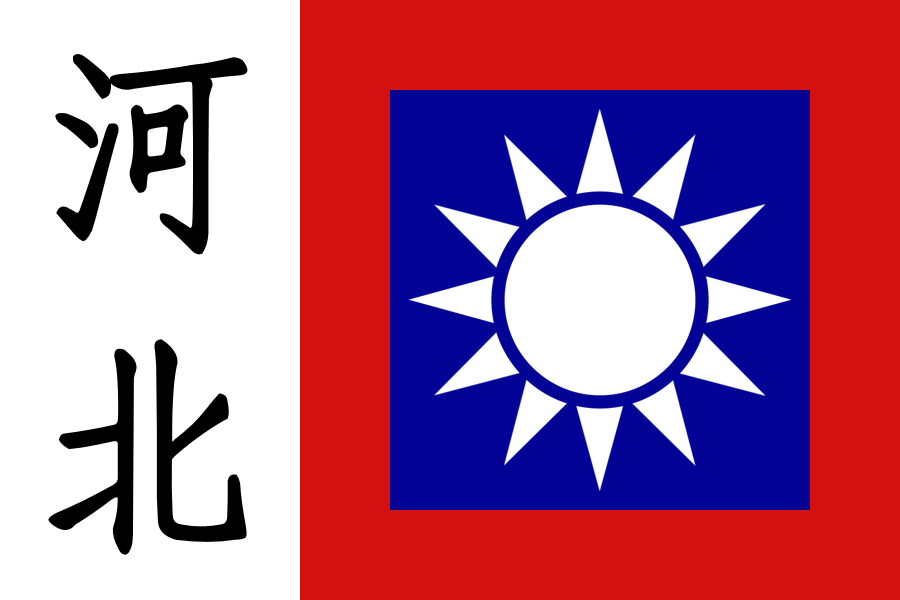 冀察 to the southwest, 蒙疆和
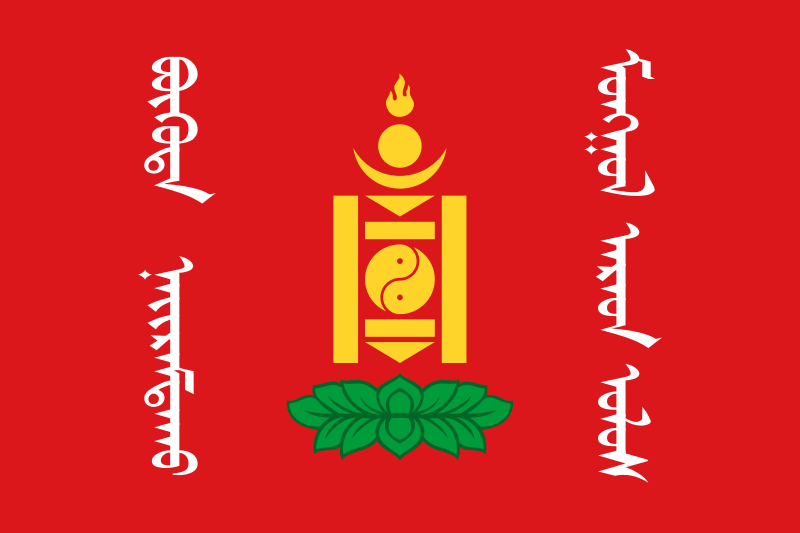 蒙古 to the west, 苏联 to the north and east, and 日本 to the south by Dalian territory, southeast by Korean territory and southwest through the territory of East Hebei. It has a core on Dairen which is owned by 日本. If a civil war breaks out in Japan (through Japan's focus tree), then Manchukuo will annex the aforementioned Japanese territories and puppet Mengjiang.
满洲国 owns 7 states.
| 州 | 城市 | 
|
地形(省份数) | 区域 | 
|
|---|---|---|---|---|---|
| 黑龙江 | Heihe Mohe Ulanhot |
2 1 1 |
 森林 (10)  丘陵 (7)  平原 (11) |
牧区 | 3,694,191 |
| Hulunbuir | Genhe Hailar Manzhouli Tauran |
1 1 1 1 |
森林 (2)丘陵 (3)平原 (7)
|
牧区 | 2,000,000 |
| 热河 | Chaoyang 热河 |
1 2 |
森林 (8)丘陵 (8) 山地 (3)平原 (8) |
牧区 | 1,975,377 |
| 吉林 | Harbin Hsinking |
1 1 |
森林 (5)丘陵 (16)山地 (9)平原 (8) 城市 (1) |
乡村区 | 7,536,266 |
| 辽北 | Tongliao | 1 | 森林 (5)丘陵 (4)山地 (1)平原 (11)
|
发达乡村区 | 3,643,373 |
| 辽宁 | Mukden Yingkou |
3 1 |
丘陵 (10)山地 (9)平原 (5)城市 (1)
|
城市区 | 10,264,620 |
| 松江 | Jiamusi | 1 | 森林 (2)丘陵 (8)山地 (7)平原 (13)
|
牧区 | 5,224,174 |
 Fascist (Emperor-Fascism)
 可迫使其他国家政府采纳相同意识形态可将一个国家变为傀儡国可派遣志愿军
Manchukuo starts in both 1936 and 1939 as fascist with Zhang Jinghui and Aisin Gioro Puyi as its leader respectively. Because it is fascist, public elections are not held.
| 政党 | 意识形态 | 支持率 | 党派领袖 | 是否执政? | 国名 |
|---|---|---|---|---|---|
| 满洲国协和会 | 法西斯主义 |
80% | 张景惠 | 是 | 满洲国 (if puppet under Japan) 大清 (if independent) Imperial Kwantung Territories (if a civil war starts in Japan) |
| 清朝 |  中立主义 |
20% | 爱新觉罗·溥仪 | No | 大清 |
| 马占山的匪帮 | 民主主义 |
0% | Ma Zhanshan | No | 满洲共和国 |
| 东北抗日联军 / 中国共产党 | 共产主义 |
0% | 赵尚志 | No | Free Democratic People's Republic of Manchukuo |
| 意识形态 | 肖像 | 名称 | 党派 | 特质 | 效果 | 可用 |
|---|---|---|---|---|---|---|
保守主义 |
|
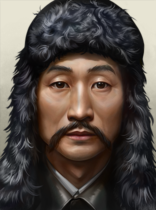
Ma Zhanshan | 马占山的匪帮 | Counter Insurgency Expert Generalissimo |
|
After completing focus  A New Dawn Over Manchuria |
马克思主义 |
|
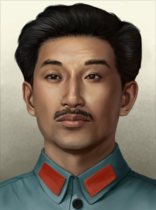
赵尚志 | 东北抗日联军 / 中国共产党 | Counter Insurgency Expert 坚定的斯大林主义者 |
|
After completing focus  赵尚志的政变 |
Emperor-Fascism |
|
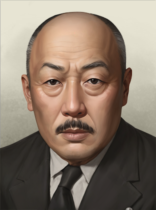
张景惠 | 满洲国协和会 | 日本傀儡 |
|
起始领袖 |
Emperor-Fascism |
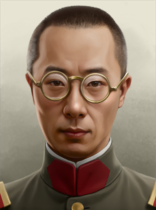
|
Pujie | 满洲国协和会 | Militarist | 可通过事件领导权问题上台 | |
Emperor-Fascism |
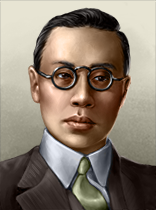
|
爱新觉罗·溥仪 | 满洲国协和会 | 武士道准则 |
|
can come to power via event 领导权问题 or after completing  清洗总务委员会 |
雷克斯主义 |
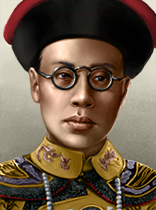
|
Xuantong | 满洲国协和会 | 武士道准则 |
|
After completing focus  宣称天命 |
Despotism |
|
爱新觉罗·溥仪 | 清朝 | 武士道准则 Figurehead Emperor |
|
after completing  一部新宪法 |
Despotism |
|
Xuantong | 清朝 | 武士道准则 |
|
After completing focus 宣称天命
|
满洲国 的可能国名。
| 同上 | 国家名称 |
|---|---|
|
Manchu Republic / Manchurian Federated Provinces* |
|
Free Democratic People's Republic of Manchukuo / Manchurian Socialist Republic* |
|
Manchukuo / Qing China / Imperial Kwantung Territories* |
|
大清 |
*If a civil war breaks out in Japan (caused by the 共产主义 or 民主主义 branches of Japan's National Focus tree)
During the 1936 and the 1939 start dates, Manchukuo is an Imperial Protectorate (puppet) of Japan.
Other than Japan, Manchukuo also borders 冀察和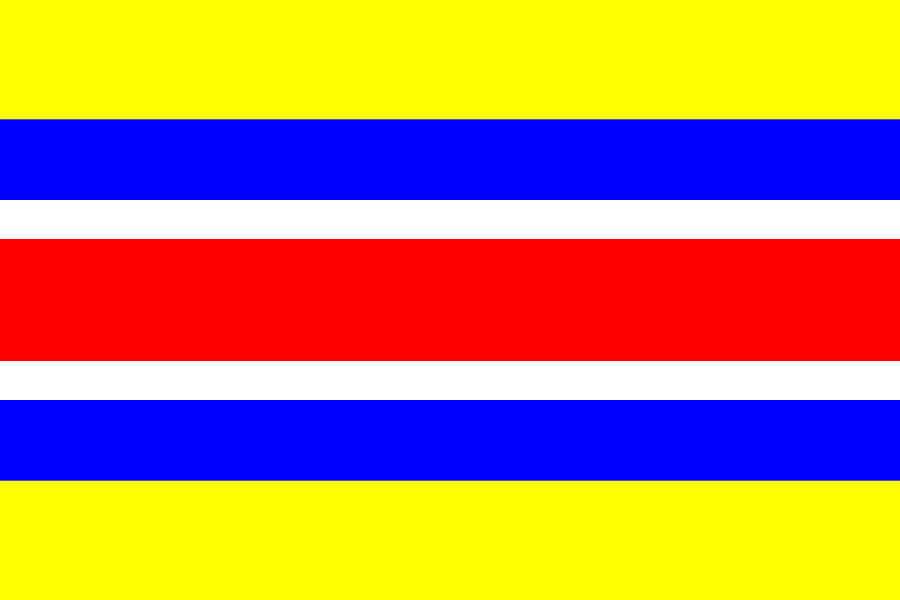 蒙疆, a soon-to-be puppet of Japan and potential ally of Manchukuo.
满洲国 的部长与军事幕僚。
| 肖像 | 名称 | 特质 | 效果 | 要求 | ( ) 花费 |
|---|---|---|---|---|---|

|
Megata Toshiro | 军备组织者 | – | 150 | |

|
Songgotu Zhanshan | 经济学家 |
|
|
150 |

|
格里戈里·谢苗诺夫 | 外贝加尔哥萨克军阿塔曼 |
|
|
150 |

|
随机 | 神秘绅士 |
|
|
150 |
|
|
随机 | 工业巨头 | – | 150 | |
|
|
随机 | 筑垒工程师 | – | 150 | |

|
随机 | 军工实业家 | – | 150 |
| 肖像 | 名称 | 特质 | 效果 | 要求 | () 花费 |
|---|---|---|---|---|---|

|
洪哲煌 | 军事理论家 |
|
– | 100 |

|
冼元 | 海军理论家 |
|
– | 100 |

|
Deng Ling | 空战理论家 |
|
– | 100 |

|
克莱尔·李·陈纳德 | 空战理论家 |
|
|
25 |
| 肖像 | 名称 | 特质 | 效果 | 要求 | () 花费 |
|---|---|---|---|---|---|

|
Guan Xingde | 陆军进攻(专家) |
|
– | 100 |

|
亚历山大·冯·法肯豪森 | 陆军进攻(专家) |
|
|
50 |
| 肖像 | 名称 | 特质 | 效果 | 要求 | () 花费 |
|---|---|---|---|---|---|

|
Yin Zuoqian | 决战(专精) |
|
– | 50 |
| 肖像 | 名称 | 特质 | 效果 | 要求 | () 花费 |
|---|---|---|---|---|---|

|
Nakajima Kesago | 地面支援(专家) |
|
– | 100 |
|
|
克莱尔·李·陈纳德 | 地面支援(专家) |
|
|
25 |
| Continental Ronin (Expert) |
|
| 肖像 | 名称 | 特质 | 效果 | 要求 | () 花费 |
|---|---|---|---|---|---|

|
Yonimitsu Kasahara | 陆军重整(专家) |
|
– | 100 |
|
|
Kyoiji Tomonaga | 步兵(专家) |
|
– | 100 |
|
|
Hesehn Tiemei | 陆军后勤(专家) |
|
– | 100 |
| 肖像 | 名称 |  技能 |
 攻击 |
 防御 |
 计划 |
 后勤 |
特质 | 要求 |
|---|---|---|---|---|---|---|---|---|
|
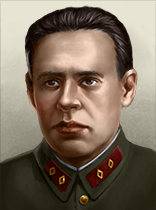
亚历山大·切列帕诺夫 | 3 | 3 | 3 | 2 | 2 |
| |
|
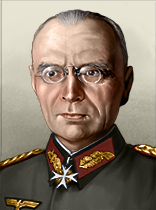
亚历山大·冯·法肯豪森 | 4 | 3 | 3 | 4 | 3 |  步兵军官 |
|
|
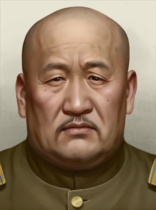
Altanochir | 2 | 2 | 1 | 2 | 2 |  山地战士 |
|
|
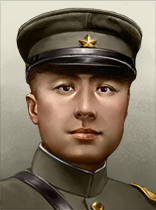
Aisin Gioro Xiqia | 3 | 3 | 3 | 3 | 1 |  职业军官 |
|
|
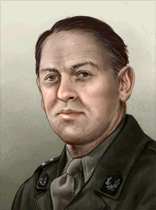
Charles Berger | 3 | 2 | 3 | 2 | 3 |
| |

|
格里戈里·谢苗诺夫 | 3 | 4 | 2 | 1 | 3 |  骑兵军官  骑兵将领 |
|
|
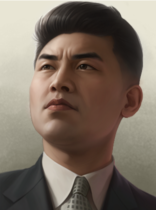
Kim Il-Sung | 3 | 5 | 2 | 3 | 2 |  严厉领袖 |
|
|
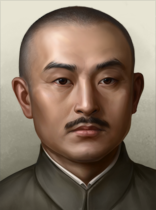
Jonjurjab | 2 | 2 | 1 | 2 | 2 | 骑兵将领
|
– |
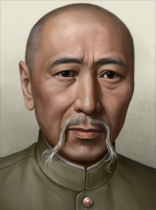
|
Jodbajab | 2 | 2 | 1 | 2 | 2 | 骑兵将领
|
|
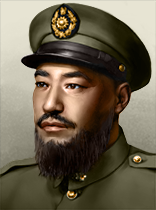
|
马步芳 | 3 | 4 | 2 | 2 | 2 | 骑兵将领
|
|
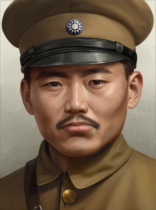
|
马步青 | 3 | 2 | 3 | 3 | 2 |
| |
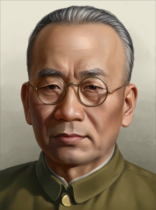
|
Ma Hongbin | 3 | 2 | 3 | 3 | 2 |
| |
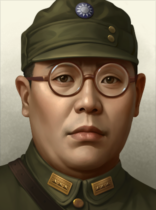
|
马鸿逵 | 3 | 2 | 3 | 3 | 2 |
| |
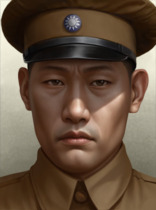
|
马虎山 | 3 | 2 | 3 | 3 | 2 |
| |
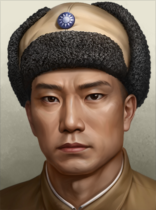
|
Ma Zhancang | 2 | 2 | 3 | 1 | 1 | 山地战士
|
|
|
|
Ma Zhanshan | 3 | 3 | 2 | 2 | 3 | 骑兵军官 组织者  游击战士 |
|
|
|
Pujie | 3 | 2 | 3 | 2 | 3 |  政治人脉  步兵将领 |
以下条件之一必须成立:
|
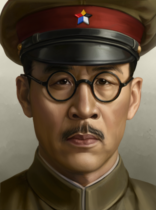
|
Urzhin Garmaev | 3 | 2 | 2 | 2 | 4 |  冬季专家  冬季专家 |
– |
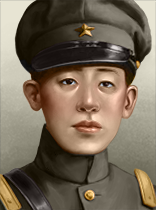
|
川岛芳子 | 3 | 3 | 3 | 2 | 2 | 骑兵军官
|
– |
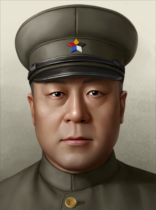
|
Yu Zhishan | 2 | 2 | 1 | 3 | 1 | 组织者
|
– |
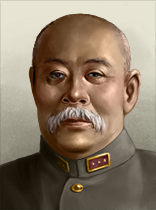
|
Zhang Haipeng | 2 | 2 | 2 | 1 | 2 | – | |
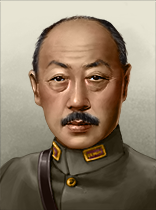
|
张景惠 | 2 | 2 | 1 | 2 | 2 | 步兵军官
|
– |
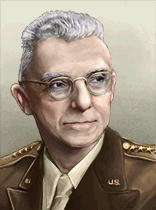
|
Joseph Stilwell | 1 | 2 | 1 | 1 | 1 | 政治人脉职业军官严厉领袖步兵军官
|
|
| 标志 | 名称 | 类型 | 效果 | 要求 | 花费()
|
DLC |
|---|---|---|---|---|---|---|

|
矿业委员会 | 资源开发公司 |
|
|
25 | |

|
鞍山钢铁厂 | 工业财团 |
|
显示条件:
|
150 | |

|
西部炼油厂 | 炼油财团 |
|
150 | ||

|
南京无线电厂 | 电子学财团 |
|
|
150 |
|

|
中苏资源调查 | 炼油财团 | 150 | |||

|
上海电子 | 电子学财团 |
|
|
150 | 
|

|
上海电力公司 | 能源供应公司 |
|
|
150 |
|

|
中国银行 | 垄断银行 |
|
|
150 |
|

|
永利化学工业 | 炼油财团 |
|
150 |
|
满洲国 的设计公司。
| 标志 | 名称 | 类型 | 效果与条件 | () 花费 |
|---|---|---|---|---|

|
中德技术代表团 | 重型坦克设计商 |
选择此设计公司后,只要它仍在受雇,就会永久影响其受雇期间研究的所有装备的性能。 |
150 |

|
莫罗佐夫设计局 | 机动坦克设计商 |
选择此设计公司后,只要它仍在受雇,就会永久影响其受雇期间研究的所有装备的性能。
|
150 |
| 标志 | 名称 | 类型 | 效果与条件 | () 花费 |
|---|---|---|---|---|

|
江南造船集团 | 近海防御舰队设计商 |
|
150 |
|
|
大沽造船厂 | 袭击舰队设计商 |
|
150 |
| 标志 | 名称 | 类型 | 效果与条件 | () 花费 |
|---|---|---|---|---|

|
CAMCO | 中型飞机设计商 |
选择此设计公司后,只要它仍在受雇,就会永久影响其受雇期间研究的所有装备的性能。
|
150 |
|
|
CAMCO - 战斗机部 | 中型飞机设计商 |
选择此设计公司后,只要它仍在受雇,就会永久影响其受雇期间研究的所有装备的性能。
|
150 |
|
|
CAMCO - 轰炸机部 | 中型飞机设计商 |
选择此设计公司后,只要它仍在受雇,就会永久影响其受雇期间研究的所有装备的性能。
|
150 |

|
Manchuria Aircraft Manufacturing Company- Fighter Division | 中型飞机设计商 |
选择此设计公司后,只要它仍在受雇,就会永久影响其受雇期间研究的所有装备的性能。
|
150 |
|
|
Manchuria Aircraft Manufacturing Company- Bomber Division | 中型飞机设计商 |
选择此设计公司后,只要它仍在受雇,就会永久影响其受雇期间研究的所有装备的性能。
|
150 |
|
|
Manchuria Aircraft Manufacturing Company- Large Projects Division | 中型飞机设计商 |
选择此设计公司后,只要它仍在受雇,就会永久影响其受雇期间研究的所有装备的性能。
|
150 |
| 标志 | 名称 | 类型 | 效果与条件 | () 花费 |
|---|---|---|---|---|

|
太原兵工厂 | 火炮设计商 |
|
150 |

|
辽宁兵工厂 | 摩托化装备设计商 |
|
150 |

|
汉阳兵工厂 | 步兵装备设计商 |
|
150 |

|
奉天兵工厂 | 步兵装备设计商 |
|
150 |
满洲国 可使用这些军工产业组织
| 标志 | 名称 | 类型 | 受影响装备 | 初始特质 | 要求 |
|---|---|---|---|---|---|
|
|
中德技术代表团 | 重型坦克设计商 | 所有重型坦克 |
|
|
|
|
莫罗佐夫设计局 | 快速坦克设计师 | 装甲科技 |
|
|
| 标志 | 名称 | 类型 | 受影响装备 | 初始特质 | 要求 |
|---|---|---|---|---|---|
|
|
江南造船集团 | 特遣舰队造船厂 | 所有航空母舰 所有巡洋舰 所有驱逐舰 |
|
|
|
|
大沽造船厂 | 袭击舰队 | 主力舰 屏卫舰 潜艇 |
|
|
| 标志 | 名称 | 类型 | 受影响装备 | 初始特质 | 要求 |
|---|---|---|---|---|---|
|
|
CAMCO | 多用途战术飞机 | 所有中型机 运输机 |
|
|
|
|
CAMCO - 战斗机部 | 轻型飞机设计商 | 战斗机与舰载战斗机 近距离空中支援 舰载近距离空中支援 |
|
|
|
|
CAMCO - 轰炸机部 | 近距离空中支援飞机设计师 | 近距离空中支援 舰载近距离空中支援 |
|
|
|
|
Manchuria Aircraft Manufacturing Company- Large Projects Division | 多用途战术飞机 | 所有中型机 运输机 |
|
|
|
|
Manchuria Aircraft Manufacturing Company- Fighter Division | 轻型飞机设计商 | 战斗机与舰载战斗机 近距离空中支援 舰载近距离空中支援 |
|
|
|
|
Manchuria Aircraft Manufacturing Company- Bomber Division | 近距离空中支援飞机设计师 | 近距离空中支援 舰载近距离空中支援 |
|
|
| 标志 | 名称 | 类型 | 受影响装备 | 初始特质 | 要求 |
|---|---|---|---|---|---|
|
|
太原兵工厂 | 火炮制造商 | 牵引式火炮 牵引式反坦克炮 牵引式防空炮 牵引式火箭炮 |
|
|
|
|
辽宁兵工厂 | 汽车制造商 | 卡车 机械化装备 摩托化火箭炮 |
|
|
|
|
汉阳兵工厂 | 步兵武器制造商 | 步兵装备 |
|
|
|
|
奉天兵工厂 | 步兵武器制造商 | 步兵装备 |
|
|
| 征兵法案 | 贸易法案 | 经济法令 |
|---|---|---|
 仅志愿兵役
|
 出口导向
|
 民用经济
|
*1936 年与 1939 年的法案相同。
 年份 |
 军用工厂 |
 海军船坞 |
 民用工厂 |
 建筑槽位 |
|---|---|---|---|---|
| 1936 | 3 | 0 | 2 (-1) | 16 |
*红色 中的数字表示生产消费品所需的民用工厂数量,依据经济法案以及军用与民用工厂总数向上取整。
年份 |
 石油 |
 铝 |
 橡胶 |
 钨 |
 钢铁 |
 铬 |
 煤 |
|---|---|---|---|---|---|---|---|
| 1936 | 6 (-3) | 11 (-5) | 0 | 6 (-3) | 42 (-21) | 6 (-3) | 18 (-9) |
*这些数字表示游戏开始一小时后可用的资源量。红色 中的数字表示因贸易法案而留作出口的资源量。
满洲国 starts with a very small military in Asia and will have to rely on Japan for their war against China unless the player is able to rapidly industrialize Manchukuo and build up a sizable military force.
| 类型 | # 1936 | # 1939 | |
|---|---|---|---|
 |
步兵 | 7 | 5 |
 |
骑兵 | 4 | |
 |
师总数 | 11 | 9 |
 |
已用人力 | 58.60K | 42.00K |
| 师 | 名称列表 | # 1936 | # 1939 | 支援连 | 战斗营 |
|---|---|---|---|---|---|
 Huncheng Lu* |
Mixed Brigade | 2 | 0 |  |
3x 3x 
|
| Bubing Shi |
步兵师 | 0 | 0 | 3x
| |
| Qu Jun |
Garrison Unit | 5 | 5 | 6x
| |
| Qibing Shi* |
骑兵师 | 4 | 0 | 4x
| |
| Qibing Shi^ |
骑兵师 | 0 | 4 | 3x
| |
| * 标记的是在 1939 年开局中被移除的师。 ^ 标记仅存在于 1939 年开局中的师。 | |||||
| 类型 | # 1936 | # 1939 | |
|---|---|---|---|
 |
运输船队 | 5 | |
 |
舰船总数 | 0 | 0 |
|
已用人力 | 0 | 0 |
满洲国 没有空军。
 以下是one of many玩家为满洲国建议的战略。请记住,由于游戏的动态特性,其他玩家的情况可能会有所不同。
 Puyi's Triumphant Return: The Restoration of the Qing Dynasty (Assertiveness)
Manchukuo in 1936 finds itself in a rather precarious situation, as being that the country was initially founded in 1932 and has only existed for 4 years at this point, many people still see Manchukuo as an artificial construct with little legitimacy, and therefore it commands little support from its population. In-game, this is represented by Manchukuo starting off with the National Spirit  Low Legitimacy, granting them an abysmal
 稳定度 of 2% and a
 战争支持度 of 0%, the lowest of any nation in the game.
Not only that, but if Puyi wishes to have a future that does not involve being at the mercy of the Japanese, he will have to prove his divine right to the Mandate of Heaven by throwing off the Japanese yoke, deposing the 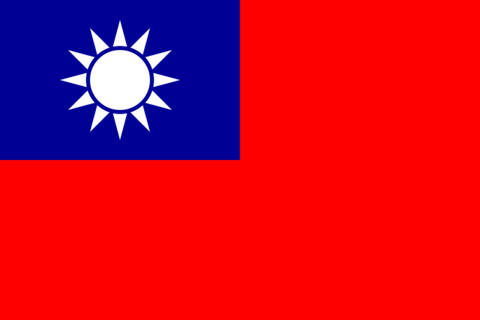 Nationalist government in Nanjing, crushing the Communists in Yan'an and subduing the Warlords across China before proclaiming the restoration of the Qing Dynasty that is his birthright.
That is a very ambitious goal to be aiming for, but if Puyi can pull it off, future Chinese historians will probably come to write of him as "the emperor that revived and restored unity to China in its darkest hour" for centuries to come.
Glorious though it may be, the path to victory for Puyi, and by extension Manchukuo, is littered with challenges and hardships to overcome in order to prove his right to the throne. The first of these, which Manchukuo has to deal with right from the start, is the problem with  Banditry. As long as this problem persists, outlaws, criminals and communist partisans will periodically launch raids against state property, causing damage to factories, infrastructure and the like, posing a major problem in that Manchukuo's starting industrial base is already very limited. Taking the national focus Pacify the Countryside will unlock a set of decisions that allows Manchukuo to either hunt down or pacify the bandits. If Manchukuo elects to pacify the bandits, they will have to station enough units in the chosen province and maintain control there for 180 days to neutralize the bandits, which is slower than the alternative but unlocks a set of decisions to recruit the bandits into the army afterward. If Manchukuo, on the other hand, decides to hunt down the bandits, then they just need to take the decision (which will cost 500 Infantry Equipment and 1000 Manpower), removing the bandits instantly but preventing you from recruiting them later.
After the country has been reasonably stabilized, Manchukuo can get on with the business of building up a proper industrial base, as they sorely need one if they wish to restore the Qing Dynasty. Successfully rooting out the bandits will allow Manchukuo to take the National Focuses  Invite Japanese Settlers和
 Collective Farms which will add more Population, Building Slots and Civilian Factories to Manchukuo, things they sorely lack. These can be coupled with the National Focuses
 Expand the Textile Industry和
 Invite Foreign Investors along with manual construction and researching 工业和engineering technologies to build up a satisfactory industrial base. Additionally, one should also research and start producing Trucks and Trains as well as build railways where necessary to improve supply, as these will be of considerable importance for future military actions.
While this is all taking place, it is also worth keeping an eye on what Japan is up to in terms of National Focuses. One branch of their National Focus tree, specifically  The Manchurian Project and all Focuses after it, allows Japan to improve the industrial base of Manchukuo, so it might just be wise to stay loyal and obedient until Japan has managed to complete all focuses in The Manchurian Project branch as Manchukuo has nothing but benefits to gain from this.
In order to start down the path to reforming the Qing Dynasty, the National Focus  强硬 must be taken. This will unlock a series of National Focuses that will allow Manchukuo to gradually become more autonomous under Japan, with the ultimate goal of declaring independence from them.
But Imperial Japan is not going to surrender control over their Manchurian possessions peacefully, and with that in mind, an expansion of the Imperial Army will be necessary - a Manchu declaration of independence will start a war with Japan, which can be expected to have fielded as many as around 100-150 divisions ready to subjugate its rebellious subject. In addition to that, Manchukuo will also have to depose 国民党中国, which can be expected to have somewhere around 70-120 divisions and will also not give up without a fight. As such, Manchukuo will have to expand its military in order to stand a chance against its opponents. Because it does not have the manpower of its main enemies, it will likely have to focus on quality over quantity in terms of land units.
步兵 is cheap and easy to produce but it pays greatly to also introduce specialized units to augment the army's fighting capability.骑兵 units can be of notable use as they are 1.6 times as fast as regular infantry at the cost of only being slightly more expensive in terms of supply use and equipment, which can make them useful as cheap rapid-response units to intercept and delay enemy units while other units make their way over to assist in the defense. Additionally, until Manchukuo can acquire enough trucks and fuel to run them, cavalry are the best supporting units to add to armored units. To enhance individual unit defense, adding in engineers as a support company is also a good choice. If Manchukuo intends to rely on Infantry to serve as a reliable backbone of their army, then they should embrace the
 Grand Battle Plan Land doctrine, and select the
 Elevated Engineering Corps and
 静态战军官团 spirits, to add up defensive bonuses for the Infantry units. This way, they will form a reliable wall of soldiers that can hold ground and allow for more specialized units to launch operations off of, although it will also require the adoption of a kind of "pacing" to their use, to make maximum use of the elevated planning bonuses. In a historical playthrough, Manchukuo will adopt Grand Battle Plan and the aforementioned officer corps spirits by 1939.
 火炮 is a very valuable addition to Manchukuo's arsenal as 国民党中国 usually employs only Infantry along with some occasional Cavalry units so artillery can allow Manchukuo to deal extra high damage to the Chinese units to conserve on its limited manpower reserves. Beware that artillery is rather expensive to produce in the early game given your lack of resources so it is best to first use support artillery (as it requires fewer guns, albeit at the cost of less power) and only upgrade to line artillery (which is more powerful but requires more guns) once the player has secured the means to produce artillery reliably. Adding enough artillery into infantry divisions allows them to be employed as attacking units, albeit at the cost of low organization and higher casualties. In addition to the base artillery, once the sufficient industry and resources have been acquired, Manchukuo can further improve on its fighting capabilities by diversifying its arsenal and introducing
 Anti-Tank Artillery和
 Anti-Air Artillery to the fray, granting them some means to effectively deal with tanks, trucks, and planes which can be a very valuable asset to have when facing 日本 in a war of independence. If one intends to extensively use different types of artillery as part of their strategy, then Manchukuo should adopt the
 Superior Firepower Land doctrine, as it grants multiple bonuses to artillery, among other things. but is less effective in defensive engagements.
Manchukuo should aim to deploy somewhere around 70-80 units minimum in order to have a chance of facing Japan and Nationalist China.
Finally, a somewhat more ambitious option is to build tanks and field armored units. Due to Manchukuo's initially limited industrial capacity, this will most likely be in the form of  light tanks, as medium tanks are not available until 1938 and heavy tanks are too expensive to be practical. This is especially relevant if one is progressing down theInvite Foreign Investors branch of the focus tree, as the sub-branch
 Mission to Germany will give several bonuses to armor development as well as some additional Military Factories for manufacturing tanks and will also provide Manchukuo with a free armor division template to work with. Since the other Chinese states usually do not make or field any armor or much artillery, this means that a tank-using Manchukuo can gain a considerable combat advantage over their units. By researching the 1934 and 1936 Light hulls and using cheap modules such as the One-Man Turret, Small Cannons or Automatic Cannons, Diesel or Gasoline engines, Riveted Armor and Bogie Suspension, one can keep the tanks cheap while allowing for them to be functional and useful. Light tanks also have the advantage of being less severely affected by adverse terrain and having lower fuel consumption than heaver variants. One can alter the design by converting it into a
 light sp artillery by using a Light Support Gun. Alternatively, by using a Light Fixed Superstructure as the turret, one can make use of Medium cannons and Howitzers, which are much more effective against infantry, but ineffective against armored, motorized or mechanized units. To provide support for the tanks without losing too much speed, add
 trucks into the armored division, or, if resources/fuel supplies don't allow that, then use cavalry units as a stopgap instead. If tanks are to be Manchukuo's main weapon of choice, then one should choose the
 Mobile Warfare Land doctrine and select the
 Embrace the Future and
 摩托化推进军官团 spirits to help with swiftly creating and integrating armored units into the army.
Tanks will, however, require  燃料 to run, which is refined from石油, of which Manchukuo has none at the start. The only way to easily remedy this is to either research and build
 synthetic oil refineries和
 fuel silos, which takes time but is more reliable in the long run, or import it through trade, which is overall cheaper and easier, but costs precious Civilian Factories and can be disrupted by war or embargoes. Additionally, Mobile Warfare increases unit organization, but does not provide any other stat bonuses and thus cannot offset any HP damage received by said units, potentially resulting in much more serious manpower and equipment losses. Given Manchukuo's limited initial industrial capabilities, this risk must be taken into consideration.
One National Focus in particular that Manchukuo can take advantage of when preparing to rebel against Japan is 清洗总务委员会, as it unlocks a repeatable decision to seize equipment from Japan. Once Manchukuo declares independence from Japan, a certain amount of equipment will be transferred from Japan to Manchukuo and all Japanese divisions will suffer a temporary Resource shortage in Manchuria penalty to attack and defense against Manchu divisions, with the amount of equipment transferred and the duration and severity of the penalty increasing the more times the decision has been taken.
Additionally the national focus  Local Arms Procurement will grant 4 Military Factories and unlock a decision named "Create Underground Workshops", which can be taken when at war with Japan, and will grant 3 additional Military Factories as well as add a national spirit that makes Infantry Equipment -25% cheaper to produce but also adds a very nasty -40% penalty to reliability. The benefits and drawbacks of this national focus are equally significant: the 7 Military Factories obtained from the focus and decision is a considerable and valuable addition to Manchukuo's initially limited industrial potential and when combined with the production cost reduction, will allow Manchukuo to roughly equal 国民党中国 in its production capacity, giving Manchukuo much better chances when facing Japan and China, but the reliability penalty is also a significant drawback, as it will cause equipment losses from attrition to increase considerably. Equipment like artillery pieces and vehicles (tanks, trucks, mechanized) will be most severely affected. This can be somewhat mitigated with
 maintenance companies but the most practical method is to simply discontinue the decision when no longer needed, to retain the factories but remove the penalty.
While the player is building up their industry and military they should also keep an eye on what 日本 is up to as this strategy relies on waiting for Japan to attack China and then waiting until Japan is firmly into China before betraying them as a well-timed betrayal can potentially allow Manchukuo to fell both countries in one fell swoop. One should ideally wait until Japan has forced China to around 50% surrender progress, as by that point, Japan's forces will be deep in Central China, far away from Manchukuo, and betraying them at that point could allow Manchukuo to quickly conquer the Western parts of China before Japan is able to react properly, which could cause many Japanese divisions to end up caught and trapped between the Manchurian and Chinese forces and destroyed.
Before attacking Japan, the focus Invite Japanese Settlers should be taken and completed for free manpower and civilian factories as well as to grant access to the focuses after it, since you cannot complete this focus when at war with Japan.
Once the war against Japan begins, Manchukuo should aim to rapidly conquer the Korean Peninsula and secure the coastline of Northern China as Japan is very likely to attempt to use the same strategy against Manchukuo as they would against Nationalist China; i.e. launching Naval Invasions and transferring troops across the South China Sea to open up new fronts. Whenever Manchukuo manages to conquer factories, these should immediately be put to use in expanding and improving the Manchu military to better oppose the Japanese. In addition to manufacturing new equipment to field new divisions, one could also improve their fighting capabilities by improving existing divisions and creating new division templates to improve combat performance and (once resources allow it) the Manchurian military can be further enhanced by manufacturing airplanes to field an airforce as achieving air superiority can be a very useful benefit when trying to conquer China as Manchukuo.
It is also worth noting that Manchukuo will remain at war with Nationalist China if they were at war when declaring independence, and therefore will have to defeat them as well. Unfortunately, in the latest version of Hearts of Iron 4 the peace deal that one would get by securing all mainland Japanese territory is broken forcing you to continue fighting Japan.
Not being given the white peace means it will be a continuous 3 way war and you will have to guard your ports from naval invasion, and should China be defeated first this will lead to a very messy situation as Japan will puppet China and some of the warlords. However this way you can easily defeat Japan using paratroopers since you still have access to Korea and you can take all of China earlier.
If you did not accept Japan's call to arms and thus managed to avoid war with the Nationalists and the Chinese Warlords, you can still join the Chinese United Front after completing the "War of Independence" focus. Provided that you managed to defeat the Japanese, you can leave the United Front and turn on your temporary allies. Doing this path you can take the focus to subjugate the warlords and get some of them to join you before going after China. However you will have to annex them manually before being able to take the focus to declare the Chinese Empire. It should be noted that whether the white peace triggers for the Chinese united front is random and may force restarts if you are playing in ironman mode.
When advancing into China, one should strive to launch spearhead offensives along railway lines to capture  supply hubs to both disrupt enemy logistics and cause attrition to force them into falling back and to secure one's own supply. This is where having tanks can come in handy, as they make for excellent spearhead units. The coastal states of China have moderately more infrastructure and better supply lines than the interior states, which are underdeveloped and undersupplied, with little in the way of railways or supply hubs. Be prepared to build more railways as your units advance (and upgrade existing ones), building them in the direction towards existing supply lines and connecting them once they are secured under your control.
Once the Nationalists and Communists have been taken care of, Aisin Gioro Puyi now finds himself ruling over a country divided by warlordism, and in order to restore the Qing Dynasty and reclaim his position as Emperor of China, he must unite China once again by conquering the Warlords (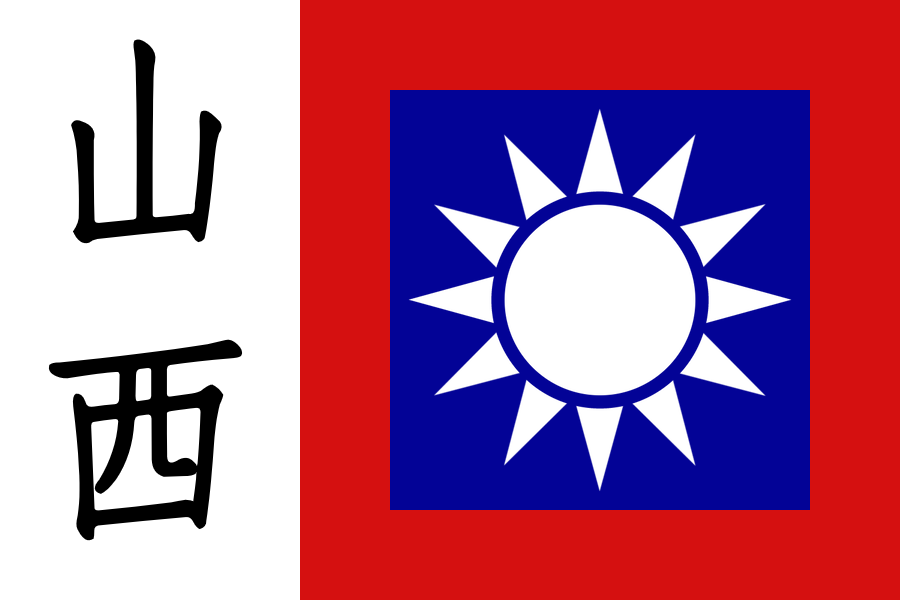 晋系,
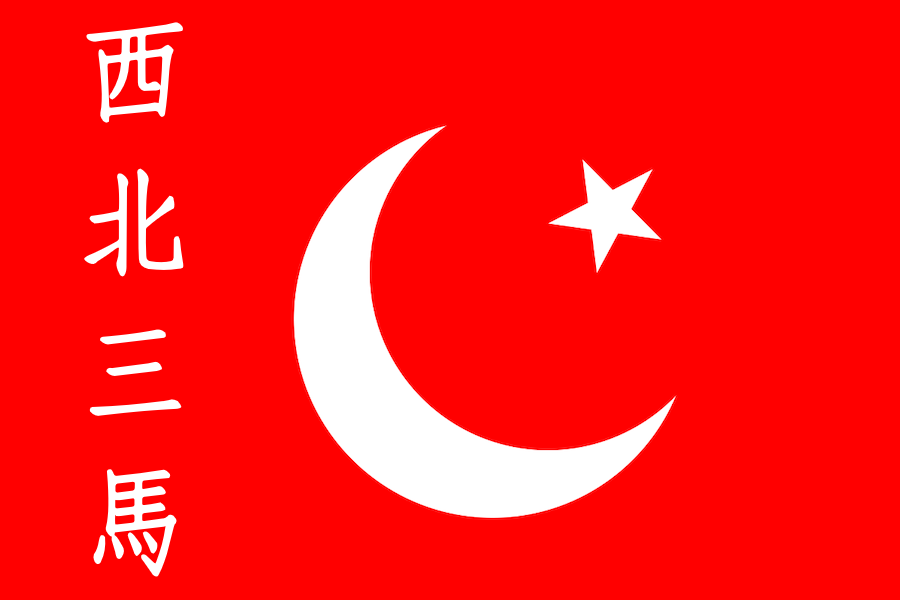 西北三马,
 滇系和
 桂系, as not only do these Warlords unlawfully occupy Chinese territory and have the ability to steal more of it through border wars, each warlord can also reform itself into a new 国民党中国 or 共产主义中国 through their National Focus Tree and contest the Qing dynasty's claim to the rulership of all of China.
Luckily, Manchukuo's National Focus tree contains all the necessary tools for uniting China. The National Focuses  收复帝国和
 Assert Our Authority serve to grant Manchukuo cores on all Chinese states and a wargoal against all Chinese warlords and the later National Focus
 一个中国政策 will grant wargoals against all other Chinese nations. Compared to Japan and Nationalist China, the warlords are considerably easier to conquer and should not post much of a challenge for Manchukuo. Once Manchukuo has successfully gained ownership and control of all Chinese core states, they can take the National Focus Reclaim the Mandate of Heaven and officially proclaim the restoration of the 清朝, thus restoring Aisin Gioro Puyi's rightful title of the Xuantong Emperor. As it reads on the lost Heirloom Seal of the Realm: Shòumìng yú tiān jì shòu yǒngchāng, "Having received the Mandate from Heaven, may the emperor lead a long and prosperous life."
After Manchukuo has successfully unified all of China under its rule and evolved into Qing China, they will have to spend some time recovering from the endeavor and rebuilding and developing China after decades of chaos and anarchy since the fall of the Qing Dynasty in 1911. A massive industrialization program must be launched, and this will involve the mass 建造 of more factories and dockyards, the building of infrastructure and railways, establishment of air bases and naval bases as well as reorganizing and building up the imperial military to a modern standard, to defend the realm. Qing China needs to build a modern navy and airforce, and develop an army on par with that of other major powers, and possibly even venture into the realm of special projects. In many ways, Puyi's Imperial China will be embarking on a project similar to the Great Leap Forward initiated in our timeline's by Mao's Communist China (and the later economic reforms launched by Deng Xiaoping after Mao's death), but Puyi's Imperial Revitalization has the potential to go much further and yield far greater results.
As far as industry is concerned, China's growth potential is roughly equivalent to the other great powers, with China being in possession of multiple core states with a fair number of building slots each, so there is plenty of room to build up industry in. When fully industrialized, China can easily reach over well 100 factories in total in just its own core states. When deciding which industrial format to choose, the preferred option here would be 集中工业, as once the industrialization is well underway, Qing China will be able to field a proper airforce to defend its airspace and the higher production bonuses for Concentrated Industry are more useful, alongside the bonus to factory capacity in states. When it comes to the Imperial Military, the Navy and Airforce are more or less and blank slate, as Manchukuo initially did not possess either, so Qing China can choose to build up its forces from the ground up according to its own design while utilizing the newest and best available technologies.
While this national reconstruction project is ongoing, one should also begin to look abroad and take stock of the situation. Depending on how long the reconquest and reunification of China took, the game will likely now be in the early 1940s, and World War II likely well underway. This gives Qing China many possible avenues of action (once they are sufficiently prepared).
日本 and conquer them once and for all, to finish off their most immediate and long-standing rival for good. Thailand、Malaya
 和Indonesia以及更广阔的印太地区,复制他们的成果,把西方列强逐出东亚和南亚,将本地区资源据为己有,重建中国作为区域霸权的历史地位。从那里起,中国可以继续向非洲和中东推进,着手为自己开拓一个殖民帝国。既然欧洲人能做到,那么中华帝国当然也一定能做到。

 India and create a collaborationist government out of them, and Qing China will then be in control of nearly half of the world's population.法西斯国家,清中国可以决定拉近与
 德国的关系(尤其是如果他们已完成Mission to Germany和Closer Ties with Germany
 ——二者位于Invite Foreign Investors分支)。一个完全统一且走法西斯路线的中华帝国,实力与德国相当,甚至可能更强,因此有可能通过站在轴心国一边来扭转战局。作为轴心国的一员,清中国或许终能向昔日羞辱它的列强复仇,并按自己的构想瓜分世界。 苏联 from the east, to apply additional pressure on the Russians to bring about their collapse, allowing Operation Barbarossa to succeed, inflicting a death blow to global communism. From there, the Axis Powers can turn their attention toward the






 Western Allies and focus their efforts on finally defeating them. This time, the perpetrators of China's Century of Humiliation shall burn!


 fortifying/entrenching its position, potentially siding with the Allies if threatened. If played this way, then Imperial China would at long last succeed in bringing about an end to the Century of Humiliation and emerge from the war as an equal to the Western Powers. Additionally, if active enough in the war, then China could even have a chance to gain their share of the spoils and from there become one of the leading post-war great powers, potentially even putting Qing China on the path to becoming a possible future superpower, like China eventually did historically.苏联,因为它有一个国策可以让它同日本开战;而且按 AI 的典型行为,任何日本傀儡国几乎肯定都会被拖入这场冲突,而苏联又以投入海量部队而闻名。如果日本此时还没有击败其他所有敌人,你们俩都会陷入大麻烦。


| 亚洲 |
|
| 中国军阀 |
| 中东 |
| 亚洲 |
|
| 中东 |
|
| 苏联 |
|
| 印度土邦 |
|
| 印度尼西亚土邦 |
|


 Approach Semyonov





 Invite Soviet Advisers
 Vassalize Mengkukuo
 Re-establish the Qing Army
 French Military Mission
 Ally Bandit Leaders
 Re-Establish the Gansu Braves
 Chinese Leadership
 Chinese Expeditionary Force和














 阿伊努共和国
 Brunei
 柬埔寨
 占婆共和国
 Champasak
 虾夷共和国
 Korea

 Laos
 Maldives
 巴基斯坦
 Ryukyu
 新加坡
 Sabah
 Sarawak
 斯里兰卡
 Taiwan
 Vietnam
 Assyria
 巴林
 Israel
 库尔德斯坦
 阿曼伊玛目国
 卡塔尔
 南阿拉伯
 特鲁西尔诸邦
 Altai
 亚美尼亚
 阿塞拜疆
 布哈拉
 Buryatia
 楚科奇
 Evenkia
 远东共和国
 佐治亚
 Karakalpakstan
 Kazakhstan
 哈卡斯
 希瓦
 Kyrgyzstan
 Ostyakia-Vogulia
 Sakha
 Tajikistan
 Taymyria
 Turkmenistan
 Uzbekistan
 符拉迪沃斯托克
 Yamalia
 Balochistan
 Bangladesh
 中印度诸邦
 海得拉巴
 卡拉特
 克什米尔
 卡利斯坦
 科拉普尔与德干诸邦
 马德拉斯诸邦
 曼尼普尔
 迈索尔
 西北边境
 Rajputana
 锡金
 Sindh
 西印度诸邦
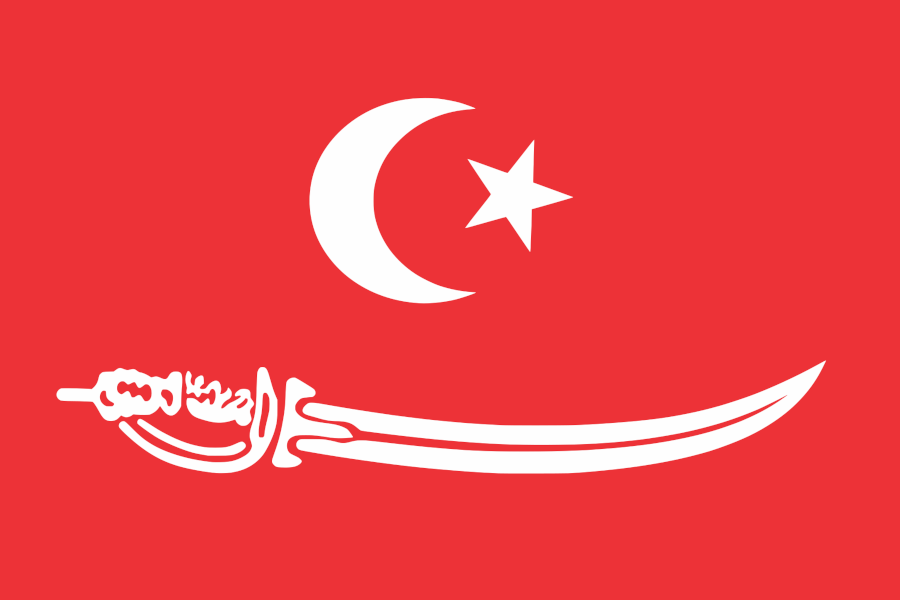 Aceh
 Bali
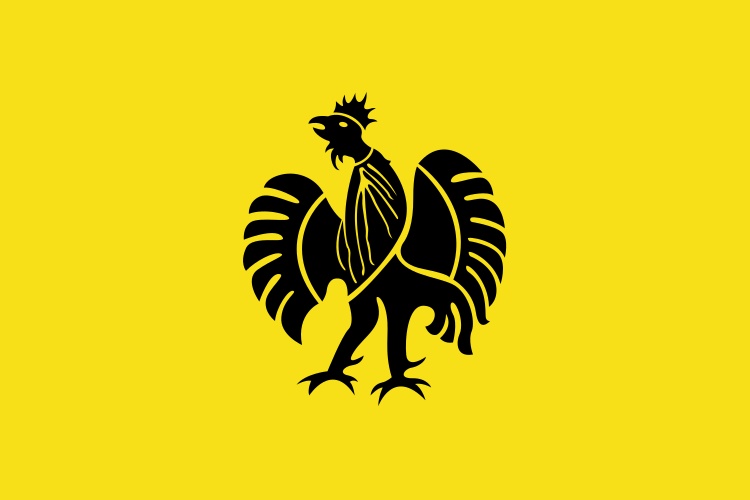 Gowa
 Pontianak
 Siak
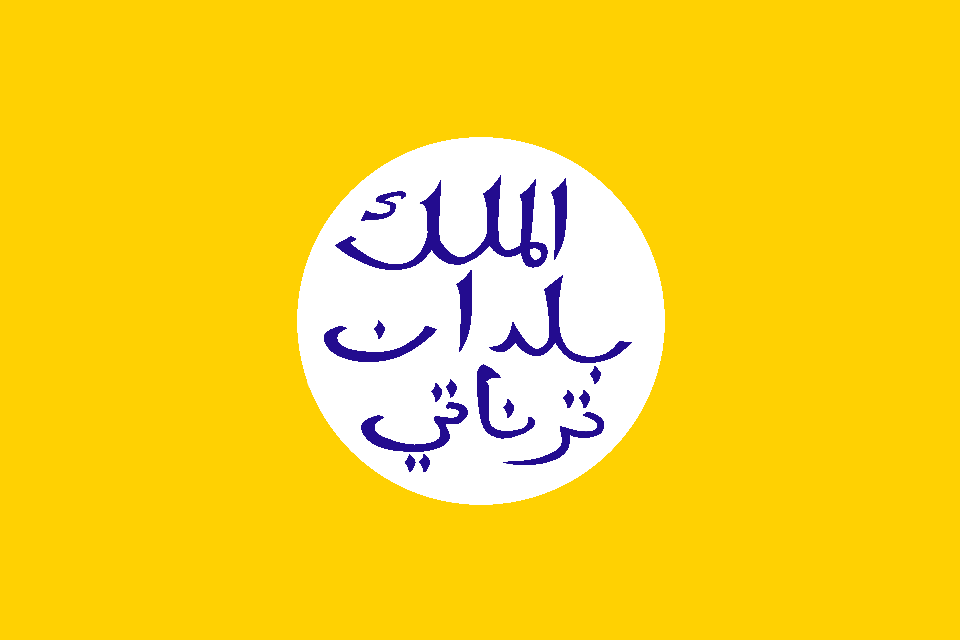 Ternate
 Timor-Leste
 西巴布亚