 战争支持度:


 Personal Leadership









| 西欧 |
|



















| 东欧 |





 匈牙利





| 西欧 |
|
 巴登-符腾堡
 巴斯克地区
 Bavaria
 布列塔尼
 Catalonia
 Corsica
 加利西亚
 Hesse
 伦巴底-威尼西亚
 Malta
 梅克伦堡
 北爱尔兰
 奥克西塔尼亚
 教宗国
 Prussia
 莱茵共和国
 萨普米
 Sardinia-Piedmont
 Saxony
 苏格兰
 石勒苏益格-荷尔斯泰因
 Thuringia
 Tuscany
 两西西里
 威尔士
 威斯特法伦
| 东欧 |  波斯尼亚-黑塞哥维那  克罗地亚  塞浦路斯  黑塞哥维那  卡舒比  科索沃  马其顿  摩尔多瓦  黑山  塞尔维亚  西里西亚  斯洛伐克  斯洛文尼亚  特兰西瓦尼亚 |
| 苏联 |
|
原页面:Kumul Khanate
The  哈密汗国 is a Chinese warlord state in northwestern China with a population of 700 K. It borders
 甘马(马家军) to the southeast,
 和田马家军 to the south, and
 新疆 to the west. It is the only one of the many warlord nations that starts as a releasable and with a unique focus tree that shares with other warlords and in particular with fellow Ma warlord nations. It may be released and playable by event when, as 新疆, the player selects the focus
 进军于阗.
The Kumul Khanate was a semi-autonomous feudal Turco-Mongol khanate (roughly equivalent to a banner in Mongolia and Manchuria) that existed within the  清朝 and, after its collapse in 1911-1912, the
 中华民国 until it was dissolved in 1930 and replaced with three provincial administrative districts; Hami, Yihe and Yimu. Its former territory is now part of the Hami prefecture in Xinjiang in China.
The khans of Kumul, with Maqsud Shah and his son Nasir Shah being the last ones, were direct descendants of the khans of the Chagatai Khanate and thus, some 30 generations removed, the last known descendants of the great conqueror Genghis Khan of the Mongol Empire some 700 years earlier.
Maqsud Shah (known to the Chinese as the Hami Wang, to his subjects as Khan Maqsud or Sultan Maqsud and to the Europeans as the King of the Gobi), was a devout muslim ruling over a petty oasis kingdom from an ancient and ramshackle palace in Hami, one of three towns making up the capital of Kumul proper, known to the Chinese as Huicheng. He had a bodyguard consisting of 40 Chinese soldiers armed with Type 88 and Type 24 Mauser rifles and had a Chinese garrisson billeted in the fortified town as well as a Uyghur militia throughout the countryside. The third town in his domain was the New City or Xincheng. By 1928, it was estimated that Maqsud Shah ruled over some 25.000-30.000 Kumuliks, a far cry from the tens of millions once ruled over by his Mongol ancestors. He was responsible for levying taxes, dispensing justice and so forth, through an administration consisting of 21 Begs or local governors.
Throughout Maqsud's reign, Kumul remained relatively peaceful and prosperous. He paid a small annual tribute to Urumqi and in return the Xinjiang government paid him a formal subsidy of 1200 silver taels every year. For the Uyghurs of Kumul, they were free from the typical persecution under Chinese officials. The only tax paid by citizens of Kumul was in livestock, generally sheep or goats, given annually to the Khan. The soil of the oasis was rich and well cultivated. In March of 1930, Maqsud Shah died of old age. His eldest son Nasir Shah should have inherited the throne of Kumul, but the governor of Xinjiang at the time, Jin Shuren, who was quite corrupt, blocked this and dissolved the khanate to seize its revenue for himself and his government, splitting it into three provincial administrations (Hami, Yihu and Yiwu). Yulbars Khan, Maqsud Shah's former court chancellor, was sent to Kumul to set up a local government. The dissolution of the khanate caused uproar among the Kumulik population, as not only would their tax exemption be abolished, but they were now expected to pay one year of back-taxes and Han settlers (including refugees from Gansu ( 甘马(马家军)) and Qinghai ( 青马(马家军)) further west) were encouraged to settle in Kumul in vast numbers. This very quickly boiled over and the Kumul area erupted into open rebellion in 1931-1934, during which Yulbars Khan (who may have masterminded the uprising) assisted Nasir Shah in an attempt to restore the khanate and regain his throne, but this was unsuccessful despite inflicting serious losses on the local garrisons, although Yulbars did succeed in ultimately causing the downfall of Jin Shuren. The subsequent fate of Nasir Shah, the heir to Maqsud Shah and the last known descendant of Genghis Khan, is unknown beyond this point.
After Jin Shuren was later ousted by 盛世才 in 1934, Yulbars Khan would later be appointed as Chief of the Procurement Department of the New 36th Division commanded by Ma Hushan ( 和田马家军) and as Commissioner for Reconstruction Affairs by the Xinjiang provincial government. After the Islamic rebellion of 1937, where Ma Hushan led the 6th Uyghur Division and the 36th Tungan Division in an assault on Urumchi, was violently suppressed by Sheng Shicai with  苏联 support (including 5000 intervention troops, airplanes and BT-7 tanks), Yulbars fled to Nanjing and only returned to Kumul in 1946.
Yulbars Khan later led the Chinese Hui Muslim cavalry and White Russian exile forces against the  People's Liberation Army that was invading Xinjiang in 1949, but suffered a defeat and fled to India in 1951, after which he made his way to Taiwan, the home of the exiled Kuomintang Nationalist government. He was appointed Governor of Xinjiang (in absentia) and after publishing his memoirs in 1969, he remained in Taiwan until his death in 1971.
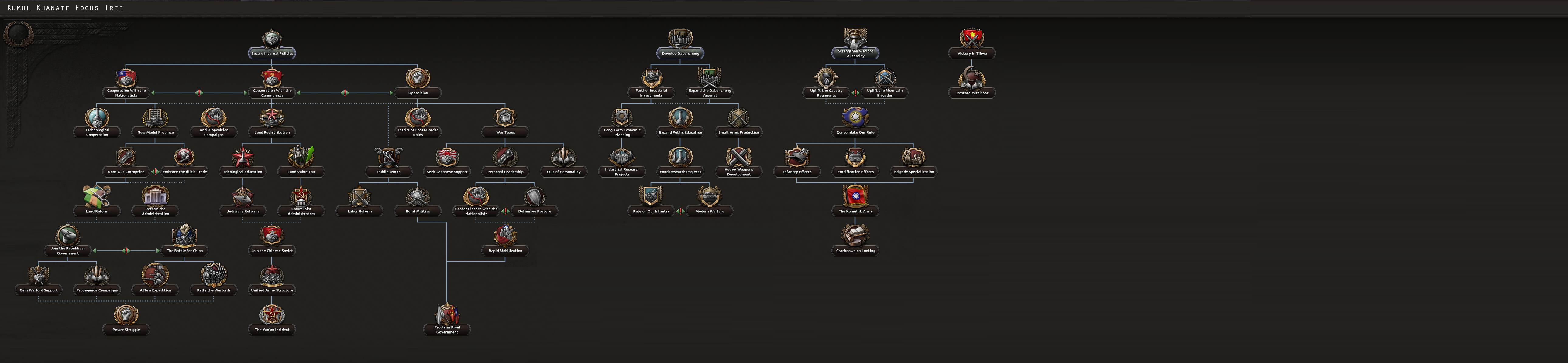
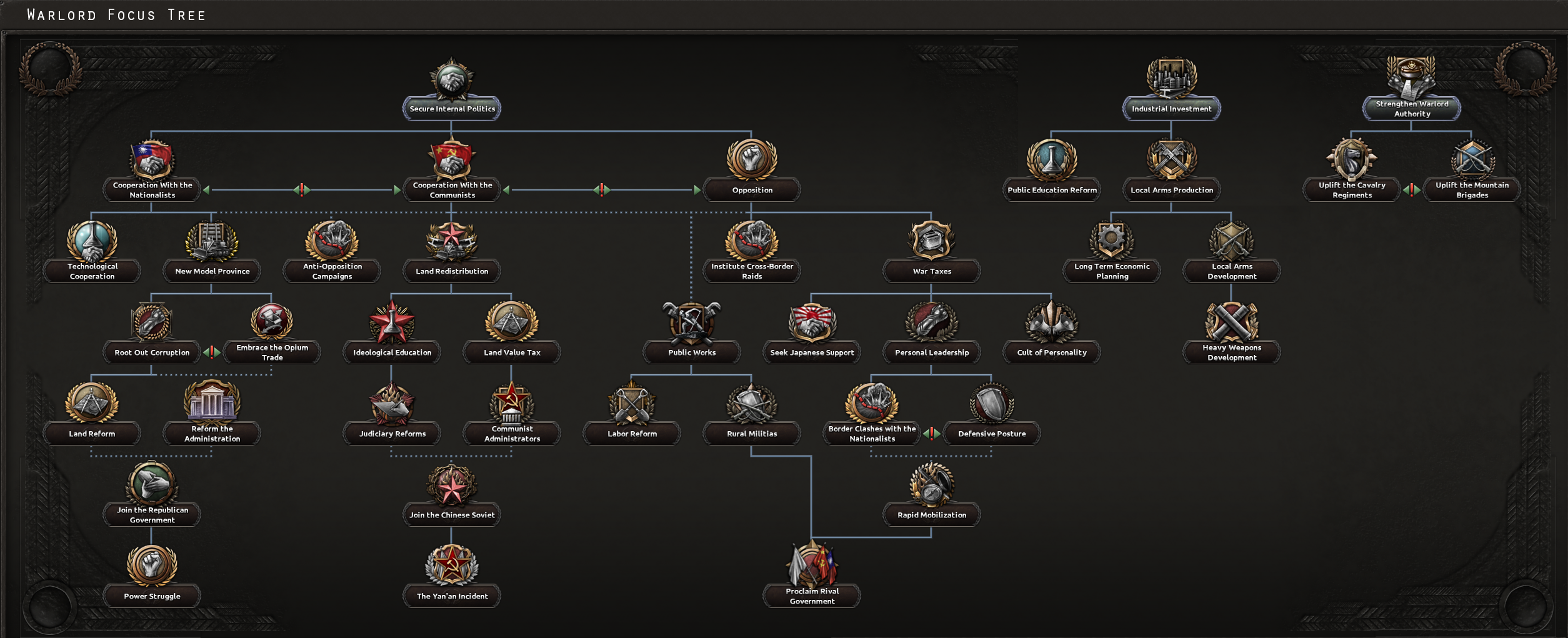
 不妥协,不投降的军阀国策树。
The 哈密汗国 uses the shared Warlords national focus tree along with the other warlords and may inherit the Nationalist or 共产主义 Chinese focus trees. With the 不妥协,不投降 expansion enabled, the Warlords national focus tree is expanded, along with a small unique branch only available to the Kumul Khanate. It also grants access to the new shared Nationalist和共产主义 focus trees for the warlords at the end of the tree.
The Kumul Khanate national focus tree can be divided into 2 branches and 3 sub-branches and 1 country specific branch:
国民党中国结盟。这会把当前国策树替换为国民党军阀国策树。Nationalist和中国共产党、与二者对立的政府,并根据政党支持度给予其国民党军阀国策树或中国共产党军阀国策树。 Warlord State,并为该国的骑兵或山地兵提供加成。
Victory in Tihwa Branch 哈密汗国. This cores the Sinkiang region, then cores the territory belonging to Ma Cliques and the Muslim regions of China. It will also allow the formation of Yettishar.
哈密汗国 开局拥有以下国家精神:
With the 不妥协,不投降 expansion enabled, the Kumul Khanate starts with the following additional national spirits:
when it gets released via the The Second Kumul Rebellion event, it will also get the following national spirit:
The 哈密汗国 starts with 2 research slots.
| 陆军科技 | 海军科技 | 空军科技 | 电子与工业 |
|---|---|---|---|
|
|||
| 学说 | |||
The 哈密汗国 has unique names for certain technologies and equipment. Note that techs without unique names are not listed.
| 类型 | 1918 | 1936 | 1939 | 1942 |
|---|---|---|---|---|
| 步兵装备 | 八八式 | 二四式 | 青岛 MP18 | M42 Marlin |
哈密汗国拥有 1 个州。
| 州 | 城市 | 
|
地形(省份数) | 区域 | 
|
|---|---|---|---|---|---|
| Dabancheng | Hami | 2 |  沙漠 (5)  丘陵 (2)  山地 (1) |
乡村区 | 700,000 |
The 哈密汗国's starting political parties.
| 同上 | 政党名称 | 支持率 | 领袖 | Ruling |
|---|---|---|---|---|

|
民主主义 | 0% | 通用 | 
|

|
共产主义 | 0% | 通用 |
|

|
法西斯主义 | 0% | 通用 |
|

|
Council of 12 begs (Beg) | 100% | Yulbars Khan | 
|
备注: Kumul Khanate does not exist in the 1939 start and cannot be released.
| 意识形态 | 肖像 | 名称 | 党派 | 特质 | 效果 | 可用 |
|---|---|---|---|---|---|---|
社会主义 |
|
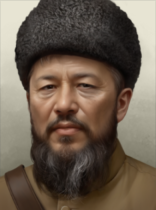
Yulbars Khan | 中国民主同盟 | The Wild Horse |
|
在完成国策「确保内部政治」之后 |
反修正主义 |
中国共产党 | |||||
雷克斯主义 |
蓝衣社 | |||||
Despotism |
Beig | 起始领袖 |
Possible country names for the 哈密汗国.
| 同上 | 国家名称 | Condition |
|---|---|---|
|
Kumul Republic | |
|
Turco-Mongol Federative People's Republic | |
|
Chagatai Khanate | |
|
哈密汗国 | |
 |
哈密汗国 |  军阀附属国 |
|
Kumul |  一体化军阀附属国 |
The Kumul Khanate can form the  大元 (a unique version of the
 中华帝国 exclusive to Kumul) by progressing down its Warlord national focus tree, completing either the
 Power Struggle or
 Proclaim Rival Government national focuses to switch over to the Nationalist Chinese Warlord national focus tree and then completing the
 Form a Preparatory Committee national focus and progressing down the subsequent focuses.
Additionally, the Kumul Khanate can also form  大蒙古和
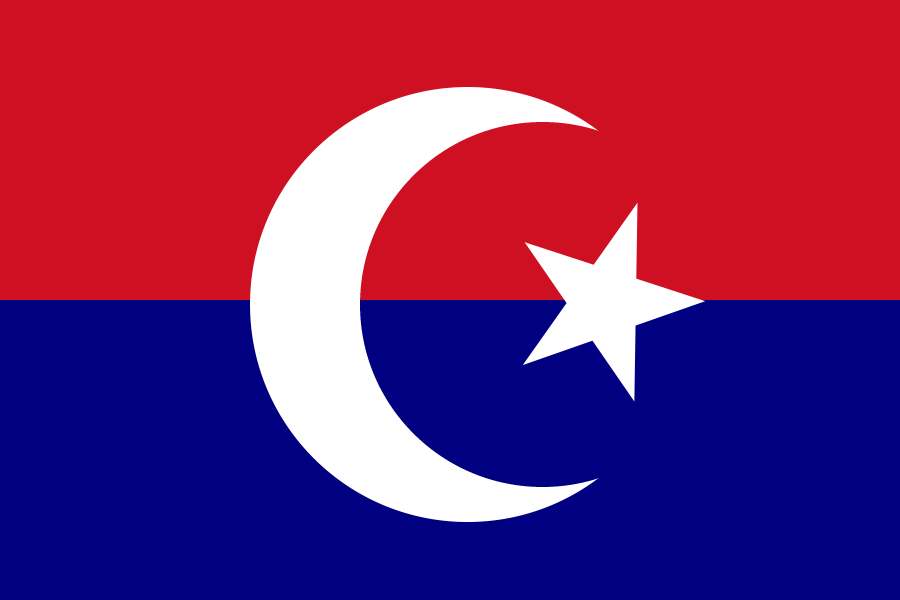 Turkestan through decisions if it can conquer the required territories, most of which are held by 新疆,
 蒙疆 the
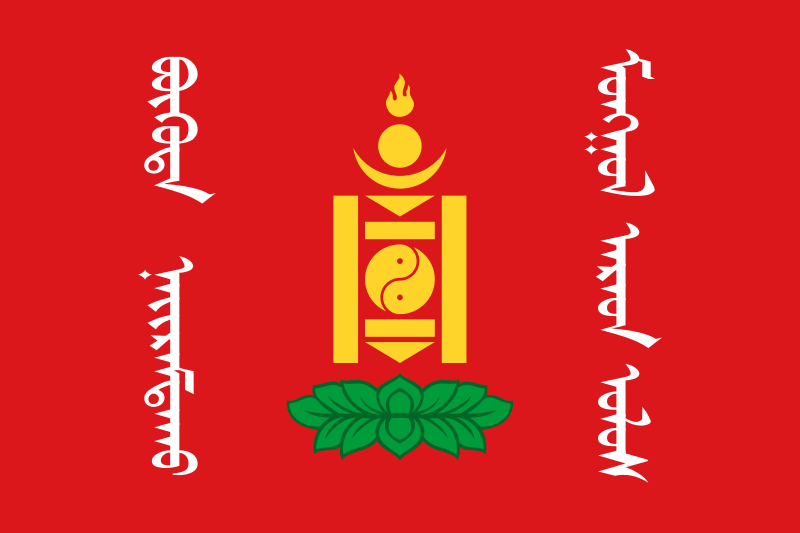 蒙古人民共和国, the 苏联和
 满洲国 at the start of the game.
No other Chinese nation, warlord or otherwise, is able to form all of these three nations at once, meaning the Kumul Khanate can potentially reach the highest possible core population of any Chinese nation.
Successfully forming all three of these nations will allow the Kumul Khanate to succeed in restoring much of the empire that Genghis Khan, the distant ancestor of the khans of Kumul (themselves the last known descendants of Genghis Khan) once forged seven centuries before the events of Hearts of Iron 4. Quite the comeback from the brink of extinction.
哈密汗国 的部长与军事幕僚。
| 肖像 | 名称 | 特质 | 效果 | 要求 | ( ) 花费 |
|---|---|---|---|---|---|

|
Suksaha Linge | 筑垒工程师 | – | 150 | |

|
Guan Shangzhi | 工业巨头 | – | 150 | |

|
Fu Xiangying | 军工实业家 | – | 150 | |

|
随机 | 共产主义革命者 |
|
150 | |

|
随机 | 民主改革者 |
|
150 | |

|
随机 | 法西斯煽动家 |
|
150 |
| 肖像 | 名称 | 特质 | 效果 | 要求 | () 花费 |
|---|---|---|---|---|---|

|
谭马 | 军事理论家 |
|
– | 50 |

|
谢鹏 | 空战理论家 |
|
– | 50 |

|
高江 | 海军理论家 |
|
– | 50 |
| 肖像 | 名称 | 特质 | 效果 | 要求 | () 花费 |
|---|---|---|---|---|---|
|
|
Sonngotu Xiangying | 陆军防御(专精) |
|
– | 50 |

|
Nalan Linge | 陆军进攻(专精) |
|
– | 50 |
| 肖像 | 名称 | 特质 | 效果 | 要求 | () 花费 |
|---|---|---|---|---|---|

|
Oboi Xingde | 决战(专精) |
|
– | 50 |
| 肖像 | 名称 | 特质 | 效果 | 要求 | () 花费 |
|---|---|---|---|---|---|

|
Mingzhu Shangzhi | 地面支援(专家) |
|
– | 100 |
| 肖像 | 名称 | 特质 | 效果 | 要求 | () 花费 |
|---|---|---|---|---|---|
|
|
Oboi Shangzhi | 火炮(专精) |
|
– | 50 |

|
Mingzhu Kang'an | 舰队后勤(专精) |
|
– | 50 |
|
|
Changlin Linge | 反潜(专精) |
|
– | 50 |
|
|
马哈茂德·穆希提 | 骑兵(专家) |
|
|
50 |
|
|
Nalan Zhanshan | 陆军后勤(专精) |
|
– | 50 |
|
|
Hesehn Linge | 空战训练(专家) |
|
– | 100 |
| 肖像 | 名称 |  技能 |
 攻击 |
 防御 |
 计划 |
 后勤 |
特质 | 要求 |
|---|---|---|---|---|---|---|---|---|
|
|
Yulbars Khan | 2 | 2 | 1 | 2 | 2 |  骑兵将领 |
|
|
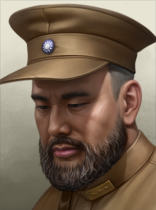
马哈茂德·穆希提 | 2 | 1 | 2 | 3 | 1 | - |
|
| 标志 | 名称 | 类型 | 效果 | 要求 | 花费()
|
DLC |
|---|---|---|---|---|---|---|

|
矿业委员会 | 资源开发公司 |
|
|
25 | |

|
鞍山钢铁厂 | 工业财团 |
|
显示条件:
|
150 | |

|
西部炼油厂 | 炼油财团 |
|
150 | ||

|
南京无线电厂 | 电子学财团 |
|
|
150 |
|

|
中苏资源调查 | 炼油财团 | 150 | |||

|
上海电子 | 电子学财团 |
|
|
150 |
|

|
上海电力公司 | 能源供应公司 |
|
|
150 |
|

|
中国银行 | 垄断银行 |
|
|
150 |
|

|
永利化学工业 | 炼油财团 |
|
150 |
|
哈密汗国 的设计商。
| 标志 | 名称 | 类型 | 效果与条件 | () 花费 |
|---|---|---|---|---|

|
中德技术代表团 | 重型坦克设计商 |
选择此设计公司后,只要它仍在受雇,就会永久影响其受雇期间研究的所有装备的性能。 |
150 |

|
莫罗佐夫设计局 | 机动坦克设计商 |
选择此设计公司后,只要它仍在受雇,就会永久影响其受雇期间研究的所有装备的性能。
|
150 |
| 标志 | 名称 | 类型 | 效果与条件 | () 花费 |
|---|---|---|---|---|

|
江南造船集团 | 近海防御舰队设计商 |
|
150 |
|
|
大沽造船厂 | 袭击舰队设计商 |
|
150 |
| 标志 | 名称 | 类型 | 效果与条件 | () 花费 |
|---|---|---|---|---|

|
CAMCO | 中型飞机设计商 |
选择此设计公司后,只要它仍在受雇,就会永久影响其受雇期间研究的所有装备的性能。
|
150 |
|
|
CAMCO - 战斗机部 | 中型飞机设计商 |
选择此设计公司后,只要它仍在受雇,就会永久影响其受雇期间研究的所有装备的性能。
|
150 |
|
|
CAMCO - 轰炸机部 | 中型飞机设计商 |
选择此设计公司后,只要它仍在受雇,就会永久影响其受雇期间研究的所有装备的性能。
|
150 |
| 标志 | 名称 | 类型 | 效果与条件 | () 花费 |
|---|---|---|---|---|

|
太原兵工厂 | 火炮设计商 |
|
150 |

|
辽宁兵工厂 | 摩托化装备设计商 |
|
150 |

|
汉阳兵工厂 | 步兵装备设计商 |
|
150 |

|
奉天兵工厂 | 步兵装备设计商 |
|
150 |
The 哈密汗国 has access to these 军事工业组织
| 标志 | 名称 | 类型 | 受影响装备 | 初始特质 | 要求 |
|---|---|---|---|---|---|
|
|
中德技术代表团 | 重型坦克设计商 | 所有重型坦克 |
|
|
|
|
莫罗佐夫设计局 | 快速坦克设计师 | 装甲科技 |
|
|
| 标志 | 名称 | 类型 | 受影响装备 | 初始特质 | 要求 |
|---|---|---|---|---|---|
|
|
江南造船集团 | 特遣舰队造船厂 | 所有航空母舰 所有巡洋舰 所有驱逐舰 |
|
|
|
|
大沽造船厂 | 袭击舰队 | 主力舰 屏卫舰 潜艇 |
|
|
| 标志 | 名称 | 类型 | 受影响装备 | 初始特质 | 要求 |
|---|---|---|---|---|---|
|
|
CAMCO | 多用途战术飞机 | 所有中型机 运输机 |
|
|
|
|
CAMCO - 战斗机部 | 轻型飞机设计商 | 战斗机与舰载战斗机 近距离空中支援 舰载近距离空中支援 |
|
|
|
|
CAMCO - 轰炸机部 | 近距离空中支援飞机设计师 | 近距离空中支援 舰载近距离空中支援 |
|
|
| 标志 | 名称 | 类型 | 受影响装备 | 初始特质 | 要求 |
|---|---|---|---|---|---|
|
|
太原兵工厂 | 火炮制造商 | 牵引式火炮 牵引式反坦克炮 牵引式防空炮 牵引式火箭炮 |
|
|
|
|
辽宁兵工厂 | 汽车制造商 | 卡车 机械化装备 摩托化火箭炮 |
|
|
|
|
汉阳兵工厂 | 步兵武器制造商 | 步兵装备 |
|
|
|
|
奉天兵工厂 | 步兵武器制造商 | 步兵装备 |
|
|
| 征兵法案 | 贸易法案 | 经济法令 |
|---|---|---|
 仅志愿兵役
|
 出口导向
|
 民用经济
|
The 哈密汗国 Does not have any factories, and no building slots.
The 哈密汗国 Does not have any resources.
| 师 | # 1936 | |
|---|---|---|
 |
Kumullik Militia | 2 |
 |
Uyghur Regiment | 2 |
 |
师总数 | 4 |
 |
已用人力 | 16k |
| 师 | 名称列表 | 支援连 | 战斗营 |
|---|---|---|---|
 Kumullik Militia |
民兵 | 4x Paramilitary | |
 Uyghur Regiment |
骑兵 | 4x Cavalry | |
 Juntuán |
步兵 | 6x Infantry | |
| Soviet Volunteers |
步兵 | 5x Infantry |
哈密汗国, as a releasable, starts with none but rather inherits 新疆's templates.
But if Sinkiang takes the focus 进军于阗, Kumul Khanate starts with 4 units, with 2 Paramilitary Division units and 2 Cavalry Divisions.
哈密汗国 does not start with a navy.
哈密汗国 does not start with an air force.
 以下是one of many玩家为哈密汗国建议的战略。请记住,由于游戏的动态特性,其他玩家的情况可能会有所不同。
The Kumul Khanate, despite being an in-game "nation", by any scenario it doesn't exist, so the player only benefits by picking up Sinkiang and then taking the focus that releases them by a focus. Although being the only one of the many warlord nations that starts as a releasable and with a unique focus tree that shares with other warlords and in particular with fellow Ma warlord nations, makes up for an interesting conquest upon uniting all Turkic, Chinese and Mongolian lands under the Kumul Khanate flag.
In order to play as early as Kumul Khanate, is to pick the mentioned nation above as Sinkiang. In the early scenario, the player has to rush down in focuses that releases Kumul Khanate faster, as in Strengthening The Warlord Authority or Cooperating With The USSR. In a matter of technology, Kumul Khanate also inherits whatever Sinkiang gains from national focuses or by decision, if the player wishes to remain to play as Sinkiang a little longer just to have their technologies passable for Kumul Khanate gets them altogether. Considering that Sinkiang will have a brewing conflict with Khotan Ma, that little time wont be in their favor, therefore the player has to start as soon as possible. To make it easier, take the troops and dislocate them in the west or disband them in order to make the Kumul Khanate's campaign easier.
Once Sinkiang takes the focus 进军于阗, Sinkiang gets the event where the player can either supress the rebellion or switch tag and take the Kumul Khanate. In this point, Sinkiang finds itself in a war with two fronts: one with Khotan Ma and one with Kumul Khanate. Fortunately, as Kumul Khanate doesn't have any war plans against Khotan Ma, considering these two nations are waging war against Sinkiang. In spite of Kumul Khanate having more unit numbers compared to Sinkiang and balanced manpower, Kumul Khanate has green level troops, and it wouldn't stand a chance to fight with one Sinkiang unit. The strategy for Kumul Khanate is to rush down and take and annex all of Sinkiang before Khotan Ma does. Snaking, encircling and getting to the cities as quick as possible.
After Sinkiang has been annexed, Khotan Ma is the next target. Declare war on them, considering that their troops are not strong, therefore the strategy of snaking, encircling and taking the victory points applies here too. And Khotan Ma should be taken care of easily but tediously. Once Restore Yettishar focus has been taken, then the Kumul Khanate now known as Yettishar marks its conquest to the east, as it has cores on the Ma Warlord clique nations. Should the player persist on the opposition path, then it unlocks the path of having cores on all of China.
Next to follow, if the Kumul Khanate has completed the warlord focuses and has picked either one, it would be easier to pick a fight with the Ma Cliques. Fighting the Ma's can be relatively tedious. Ningxia Ma and Gansu Ma being relatively easy to take down with the outmanoeuvring strategy. And Qinghai Ma would be a decent difficulty as they have more territory. Finally with Qinghai Ma last, by using the same outmanoeuvering and pin down attack strategies, the Kumul Khanate has no worry to hold on the Ma cores, as it cores every Chinese core so far. With this done and if the player has completed all of the warlord focuses of the Kumul Khanate, it is time to rush and go for Warlord subjugation in the generic Nationalist China focus tree. It would give a few wargoals for the player to strike and annex the warlords. Alternatively, go with the "Invite Foreign Investors" by rushing down all the way until you reach the "One China Policy".
Considering that the "Renegotiate the Unequal Treaties" focus is usually bypassed as the Kumul Khanate doesnt have the national spirit. If China and the rest of the East sided warlords are at war with Japan, it is a good opportunity to pick targets one by one. Be vary of the territories. Of the said nations. The Northeastern Army, in comparison to Sichuan and Communist China, is an easier target. Whereas the other two tend to increase their army, and utilize their mountainous terrain. In alternative to that, use the border conflict decision missions as an alternative to gain territory against the neighbors. Make sure to fix the supply routes, research trains and improve on division templates. Otherwise, if that proves to be obsolete, simply declare war on them by "One China Policy" focus, battle them in a preferable terrain. Or, research mountaineer divisions to fare better in the mountainous battlefields.
In addition, Kumul Khanate can ironically become the second most industrial power in China, only behind Chiang's China, thanks due to both its Warlord shared focus trees. Moreover, Kumul Khanate can also core the Central Asian nations, forming Turkestan and along with Mongolian lands, particularly Mongolia, Mengjiang and a few Soviet Mongol cores, allowing the Kumul Khanate to partly restore the Mongol Empire of yore.


The last achievement, "Genghis Khan't", is ironic given the background of the Kumul Khanate's rulers.
| 西欧 |
|
| 东欧 |
| 西欧 |
|
| 东欧 | 波斯尼亚-黑塞哥维那 克罗地亚 塞浦路斯 黑塞哥维那 卡舒比 科索沃 马其顿 摩尔多瓦 黑山 塞尔维亚 西里西亚 斯洛伐克 斯洛文尼亚 特兰西瓦尼亚
|
| 苏联 |
|
 阿布哈兹
 Bashkortostan
 白俄罗斯
 Chechnya-Ingushetia
 楚瓦什
 Crimea
 Dagestan
 Kabardino-Balkaria
 Kalmykia
 卡累利阿
 Komi
 马里埃尔
 涅涅茨
 北奥塞梯-阿兰
 Tatarstan
 乌德穆尔特
 乌克兰
 伏尔加德意志