| 陆军科技 | 海军科技 | 空军科技 | 电子与工业 |
|---|---|---|---|
无
|
|
没有
|
|
| 陆军学说 | 海军学说 | 空军学说 |
|---|---|---|
|
|
「无」 |
原页面:France
法国 is a major power in 1936, one of the winners of the Great War, and in control of a globe-spanning empire. It has a population of 42.24 M (core) and another 66.81 M (non-core). Its heartland in Europe is rich; almost half of Africa is under its control, and it has colonies in Indochina, Syria, and Guyana, not to mention direct control of islands in all the oceans of the world. However, its government is divided, with Communist influences threatening to weaken it further.
The memory of the Great War is also very much alive, and the people of France are reluctant to fight another major war in Europe. Should an aggressive adversary like Germany threaten its heartland, France is unlikely to be willing to sustain defensive efforts that could see the entire country devastated. On top of that, the French military leadership is made up of old guards who are inexperienced with modern warfare and dangerously complacent regarding the intentions of their enemies.
That being said, if a player takes control of France and is able to iron out all of the country's internal problems and strengthen the military-industrial complex enough before war breaks out, they are in a good position to repulse and defeat both Germany and Italy and annex both countries, thus ending those threats for good.
If played correctly, the Second World War (and any other conflicts before 1948) could very well see France reborn and reshaped and emerge from the crucible of war as the far bigger and stronger  欧洲联盟. If allied with the
 英国 (which can annex all of its dominions and even the
 美国 to form the 帝国联邦), these two titans can easily become the dominant superpowers of the post-war world order. If invaded and puppeted or freed by
 德意志国 or
 意大利, it will turn into
 自由法国.
 法国, along with the 英国, guaranteed the independence of
 波兰 prior to its invasion by 德国. Feeling secured by the Maginot Line in the Eastern provinces of Alsace-Lorraine, France declared war against Germany with the United Kingdom in 1939 after Germany's invasion of Poland. However, around a year later, in 1940, when actual combat ensued between all three powers, the Allied armies were defeated in just six weeks during the Battle of France against Germany and 意大利, in contrast to the years-long campaign expectation by both sides. Thinking their chances poor regardless, Germany gambled on a decisive victory by sending Panzer divisions through
 卢森堡 and the Ardennes' forested hills, terrain which the French supreme commander Gamelin thought unable to sustain tank movements. The Panzers then drove—without waiting for infantry to secure their supply lines—through France to the English Channel, surrounding the bulk of the Allied forces which had been sent to
 比利时's border with Germany aiming to deny them room for mobile warfare and overconfident that their main thrust would be through Belgium as in WWI's Schlieffen Plan.
Threatened with annihilation, the British evacuated their expeditionary forces and what Allied units they could until Dunkirk fell. Soon thereafter, the French front collapsed and Germany begun an offensive southwards capturing Paris completely unopposed on the 14th of June and occupying the northern half of France (with the frontline going from Bordeaux to Grenoble) by the 24th of June. The French military completely disintegrated and the French government agreed to an armistice on the 25th of June—effectively surrendering the whole country—in a defeat which caused great astonishment to the rest of the world, as up until that point, France was a leading world power (both economically and militarily) that only 20 years earlier had won the Great War.
After the crushing and humiliating defeat, Germany and Italy annexed territories of eastern France (equivalent to the states of Alsace-Lorraine, Nord-Pas-de-Calais, Savoy, Nice and Corsica in-game) while the rest of metropolitan France was placed under the jurisdiction of  维希法国, a German client state led by Marshal Philippe Pétain with its de facto capital in the French town of Vichy. France's colonial empire on the other hand, was either occupied by the United Kingdom and the Free French forces under general Charles de Gaulle in the small mountainous country of Andorra or conquered by the Axis powers (primarily Italy and Japan).
France can form the 欧洲联盟 through a decision if it is  democratic and controls the requisite territories (those being all of its own starting core states a well as the starting core states of 德国, 意大利, the
 荷兰, 比利时和 卢森堡.
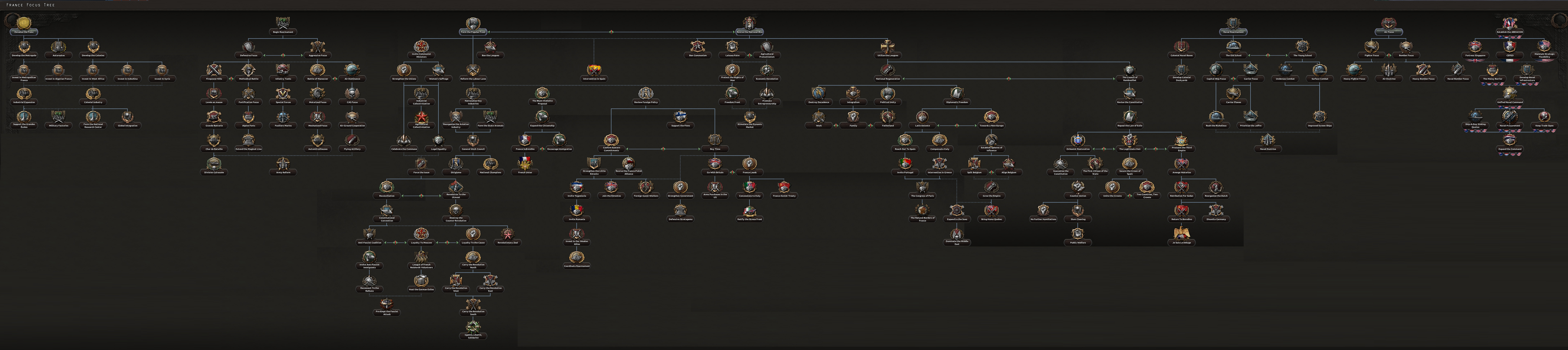
The French national focus tree can be divided into 5 branches and 7 sub-branches and 1 joint branch:
 陆军改革 which removes the starting 国家精神
 Victors of the Great War.
 Inefficient Economy and leads to the
 共产主义 sub-branch. The right side of the branch develops construction speed, manipulates party popularity, and leads to the
 法西斯和
 monarchist sub-branch. Both sides lead to the historical 民主主义 sub-branch of the focus tree and Intervention in
 西班牙 decisions.共产主义, gain manpower and political power. The Reconciliation section gives stability and political power. It leads to the Anti-Fascist coalition section which allies with neighboring or Balkan 共产主义和民主主义 nations and manpower. The Revolution to the Utmost gives war support and a civil war. It leads to the Loyalty to the Cause section which gives war goals against the 英国, 西班牙, 德国, and 意大利. Both the Reconciliation and the Revolution to the Utmost leads to the Loyalty to Moscow section which allows France to join the Comintern. This section and the Anti-Fascist coalition section leads to a focus that gives war goals against all neighboring 法西斯主义 nation.
 抵抗运动 DLC is not enabled. This allows France to become 共产主义.
 Full Employment. Depending on the choice of the colonies, the French Union focus allows France to annex and core its colonies or increase resistance.
 捷克斯洛伐克,
 南斯拉夫,
 罗马尼亚, and 波兰, support
 芬兰 in their war, join the Allies or create the Stresa Front with the 英国和 意大利.法西斯主义, gain claims on various nations and make alliances with other European nations. The Latin Entente section allows France to ally with 西班牙,
 葡萄牙, and 意大利 for French Somaliland, gain claims on
 希腊 and war goals on 德国, 比利时, 卢森堡 and the 荷兰. The Towards a New Europe section allows France to join the Axis, gain claims and war goals on 比利时和
 加拿大. Both sections lead to war goals claims and subjugation on the Middle East. 德国和 意大利. The Légitimist section gives an alliance, an annexation or wargoal on 西班牙. The Bonapartist section gives war goals against 英国, 比利时, 卢森堡 荷兰, 德国, and the
 苏联. It also has a focus to split 德国 into 7-9 different countries.抵抗运动 DLC is not enabled. This allows France to become 法西斯主义.
 澳大利亚、荷属东印度
 、法国、荷兰、英国和美国使用的联合分支。当与日本交战时,发起起始国策的国家会邀请其他符合条件国家加入。随后它为成员国提供海军加成,并可能将成员资格扩展至英属马来亚、新西兰和
 暹罗,但后者无法获得该分支。
法国 开局拥有以下国家精神:
All of France's negative spirits can be removed though it will take several years to complete all the focuses needed.
陆军改革 focus at the bottom of the Begin Rearmament branch. Force the Issue,
 Defensive Stratagems,
 政治统一 or
 Repeal the Law of Exile.
 Encourage Immigration or
 Foreign Guest-Workers. If conscription is increased beyond Limited Conscription, Full Employment will turn into turn into Worker Shortage, giving a -10% penalty to factory and dockyard output.
 Ban the Leagues or
 Ban Communism. It will also disappear if stability reaches 70%, but will return if stability drops to 50%.
 Nationalize Key Industries和
 General Work Council or
 Laissez-Faire和
 Economic Devolution. Note that Laissez-Faire will have effect after a period of 2 years after completion.
法国开局拥有 3 个可用科研槽;另有 2 个可通过国策树解锁。
| 陆军科技 | 海军科技 | 空军科技 | 电子与工业 |
|---|---|---|---|
无
|
|
没有
|
|
| 陆军学说 | 海军学说 | 空军学说 |
|---|---|---|
|
|
「无」 |
| 陆军科技 | 海军科技 | 空军科技 | 电子与工业 |
|---|---|---|---|
无
|
|
没有
|
未启用《抵抗运动》
|
| 陆军学说 | 海军学说 | 空军学说 |
|---|---|---|
|
|
|
法国 为各种科技与装备设有一些独特名称与外观,列于此处。请注意,通用名称不在此列。
| 类型 | 1918 | 1936 | 1938 | 1939 | 1940 | 1942 | 1944 |
|---|---|---|---|---|---|---|---|
| 支援武器 | FM Chauchat & Stokes mortar | Hotchkiss M1914 & Brandt Mle 1935 | FM 24/29 & Brandt Mle 27/31 | Hotchkiss M1922 & Brandt Mle 1942 | |||
| 步兵装备 | Mle 1886 M93 | MAS-36 | MAS-38 | MAS-40 | |||
| 摩托化步兵 | Citroën U23 | ||||||
| 机械化 | Citroën P107 | SOMUA MCG | AMX-VCI | ||||
| 装甲车 |
S15 | Panhard 165 | Panhard 178 |
| 科技年份 | 轻型(反坦克/自行火炮/防空) | 中型(反坦克/自行火炮/防空) | Modern | 重型(反坦克/自行火炮/防空) | Super-Heavy |
|---|---|---|---|---|---|
| 1918 | FT-17 | ||||
| 1934 | H35 | B1 (NA / Canon de 194 / NA) | |||
| 1936 | FCM 36 (AMR 35 ZT-3 / NA / NA) | ||||
| 1938 | AMC 35 (W15 TCC / ARL V39 / NA) | ||||
| 1940 | S35(SAu 40/105 AM/无) | ARL 44 | |||
| 1941 | AMX 12t (UE-57 / F3 155 mm / NA) | FCM-F1 | |||
| 1943 | SARL 42 | AMX-M4 | |||
| 1945 | AMX 50t | ||||
| 备注:若无一步不退,中型坦克 I 与 II 将推迟一年解锁。 | |||||
| 科技年份 | 防空炮 | 火炮 | 反坦克炮 |
|---|---|---|---|
| 1934 | Canon de 75 mle 1897 | ||
| 1936 | Hotchkiss 25 mm | Canon de 25 mm | |
| 1939 | Canon de 105 L mle 1936 | ||
| 1940 | Schneider 37 mm | Canon de 47 mm SA mle 37 | |
| 1942 | Canon de 155mm GPF | ||
| 1943 | Canon de 75 CA modèle 1940 | Canon de 76 mm mle 1943 |
| 科技年份 | 近距空中支援(舰载) | 战斗机(舰载) | 海军轰炸机(舰载) | 重型战斗机 | 战术轰炸机 | 战略轰炸机 | 侦察机 | 运输机 |
|---|---|---|---|---|---|---|---|---|
| 1933 | NiD 62 | MB.200 | NA | F.221 | ||||
| 1936 | Br.693 (Ni.140) | M.S.406 (D.510) | 298 (Laté 298B) | Potez 630 | Amiot 143 | F.223 | MB-131 | |
| 1940 | LN.401 (LN.401) | D.520 (D.790) | CAO.600 (Laté 312C) | Bre 690 | LeO 451 | MB.162 | CAO-700 | Amiot 143 |
| 1944 | Noréclair (SO.8000 Narval) | MB.157 (D.525) | D.750 (D.750P) | Bre 700 C2 | MB.174 | Bre 482 | SE.161 | |
| 喷气发动机技术 | ||||||||
| 1945 | Ouragan | NA | ||||||
| 1950 | NA | NA | NA | |||||
France is located in Western Europe. It consists of mainland France and the island of Corsica. France also controls a large number of overseas territories and colonies including, Algeria, Syria, Madagascar, and resource-rich Indochina.
Their colony of Syria has some local autonomy. It is represented in the game as a 傀儡国 called 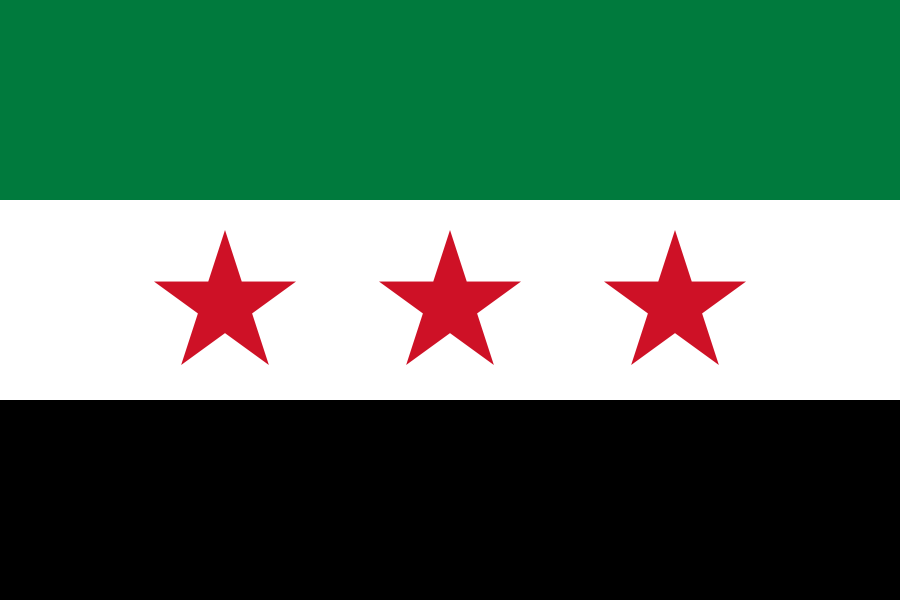 叙利亚共和国. Including
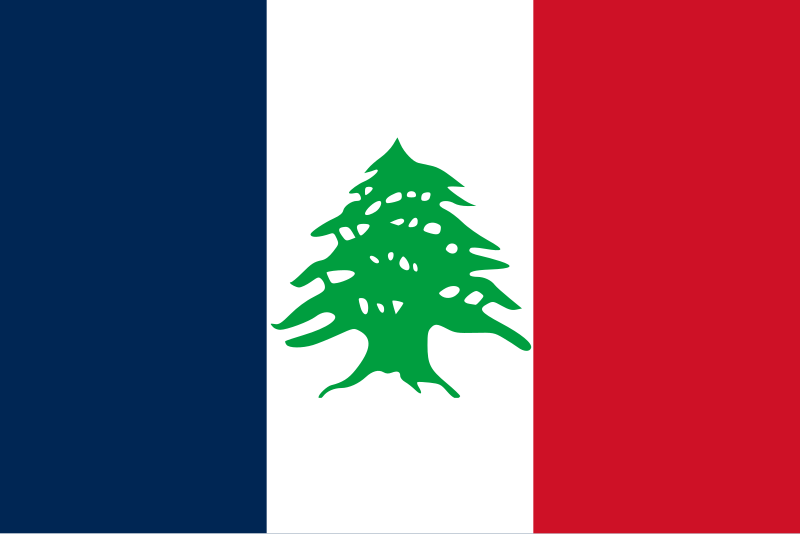 黎巴嫩, these are the two colonies that start as autonomous as French puppet states.
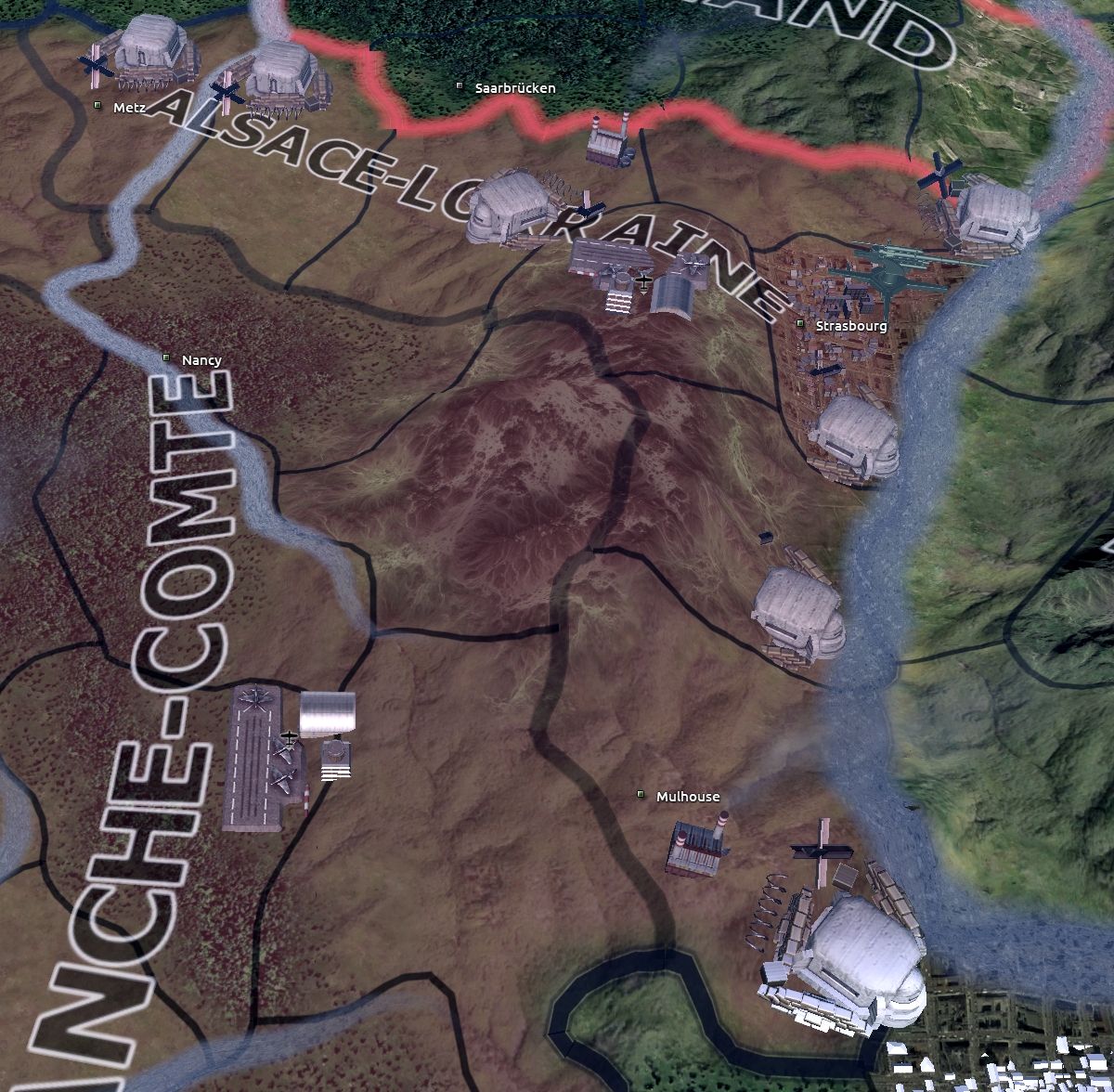
France is dominated by flat, arable land in the Northwest and forest and highland in the center. France borders 比利时 to the north, with the Ardenne forest making natural bulwark. To the Northeast in the region of Alsace-Lorraine lies the small Vosges mountain range and the huge river Rhine, which makes up the natural border with 德意志国. To the south lie the Pyrenees mountains which separate France from 西班牙. To the east lies 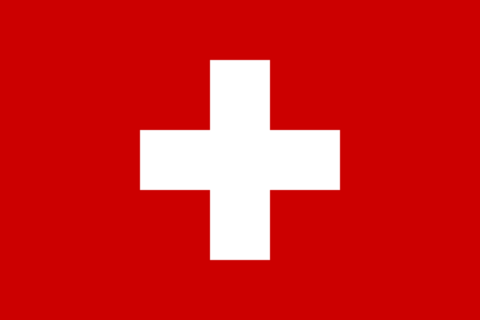 瑞士和 意大利 lies to the southeast separated by the huge Alps mountain range. Significant rivers include the river Rhine between France and 德意志国, Le Rhône to the southeast, La Seine to the northwest, La Loire which runs through the center, and La Garonne which runs in the southwest. To the south is the Mediterranean Sea, and to the west is the Bay of Biscay. The English Channel separates France from the British Isles to the north.
法国 owns 25 core and 46 colonial states.
| 州 | 城市 | 
|
地形(省份数) | 区域 | 
|
是否核心州 |
|---|---|---|---|---|---|---|
| Algerian Desert | – | – |  沙漠 (17) |
荒地 | 207,733 | 
|
| Algiers | Algiers Oran |
5 5 |
 丘陵 (3)  山地 (5)  平原 (1)  城市 (1) |
发达乡村区 | 3,089,944 |
|
| Alpes | Grenoble | 1 | 山地 (2)平原 (4)
|
发达乡村区 | 1,007,500 | 
|
| Alsace-Lorraine | Colmar Haguenau Metz Mulhouse Strasbourg |
0 0 10 5 5 |
丘陵 (4)山地 (2)平原 (1)城市 (1)
|
城市区 | 1,915,600 |
|
| Aquitaine | Bordeaux | 20 |  森林 (3)平原 (1)城市 (1) |
城市区 | 1,140,400 |
|
| Auvergne | Vichy | 3 | 森林 (3)丘陵 (4)山地 (2)平原 (2)
|
发达乡村区 | 877,800 |
|
| B.E.T. | – | – | 沙漠 (3)
|
荒地 | 18,744 |
|
| Bamako | Bamako | 1 | 森林 (2)平原 (2)
|
乡村区 | 1,662,391 |
|
| Bouches-du-Rhône | Marseille | 10 | 丘陵 (1)山地 (1)平原 (2)城市 (1)
|
城市区 | 1,670,310 |
|
| 勃艮第 | Dijon | 5 | 森林 (3)平原 (9)
|
城市区 | 1,370,800 |
|
| 布列塔尼 | Brest Lorient Rennes |
20 5 1 |
森林 (3)平原 (7)
|
城市区 | 2,396,600 |
|
| 柬埔寨 | Kompong Som Phnom Penh |
0 1 |
森林 (14)丘陵 (4) 丛林 (2)  湖泊 (1)平原 (7) |
发达乡村区 | 5,245,000 |
|
| 喀麦隆 | Yaoundé | 1 | 森林 (1)丘陵 (2)丛林 (4)
|
乡村区 | 2,945,782 |
|
| 卡萨布兰卡 | 卡萨布兰卡 Rabat |
10 2 |
丘陵 (2)山地 (6)平原 (8)城市 (1)
|
乡村区 | 3,197,719 |
|
| Centre | Orleans Tours |
15 10 |
森林 (3)平原 (6)
|
稀疏城市区 | 1,546,300 |
|
| Centre-Sud | Châteauroux | 1 | 森林 (2)平原 (7)
|
发达乡村区 | 636,400 |
|
| 乍得 | N'Djamena | 1 | 森林 (2)湖泊 (1)平原 (9)
|
牧区 | 1,442,456 |
|
| Champa | Saigon | 3 | 森林 (4)丘陵 (10)山地 (6)平原 (8)城市 (1)
|
发达乡村区 | 5,245,000 |
|
| Champagne | Reims Sedan Troyes |
5 1 5 |
森林 (2)丘陵 (3)平原 (7)
|
城市区 | 1,370,800 |
|
| Comoro Islands | – | – | 平原 (1)
|
小岛 | 126,703 |
|
| Constantine | Annaba Constantine |
1 3 |
丘陵 (4)山地 (7)
|
发达乡村区 | 2,343,837 |
|
| Corsica | Ajáccio | 1 | 丘陵 (1)山地 (1)平原 (1)
|
发达乡村区 | 322,900 |
|
| 达荷美 | Porto Novo | 1 | 森林 (3)
|
牧区 | 1,351,563 |
|
| Equatorial Africa | Bangui | 1 | 森林 (8)
|
牧区 | 1,136,921 |
|
| 弗朗什孔泰 | Besancon Nancy |
5 5 |
森林 (6)丘陵 (1)山地 (1)平原 (2)
|
城市区 | 1,517,500 |
|
| 法属加勒比 | Pointe-à-Pitre | 1 | 平原 (3)
|
乡村区 | 444,290 |
|
| 法属圭亚那 | Cayenne | 1 | 丛林 (2)
|
牧区 | 47,341 |
|
| 法属印度 | Pondichéry | 1 | 平原 (1)
|
飞地 | 286,410 |
|
| 法属索马里兰 | 吉布提 | 1 | 沙漠 (2)
|
飞地 | 85,232 |
|
| Gabès | Gabès | 1 | 沙漠 (9)丘陵 (1)湖泊 (2)
|
牧区 | 427,824 |
|
| 加蓬 | Libreville | 1 | 丛林 (4)
|
牧区 | 409,752 |
|
| Gao | – | – | 沙漠 (2)平原 (3)
|
荒地 | 498,718 |
|
| Guangzhouwan | Fort-Bayard | 1 | 森林 (1)
|
飞地 | 200,000 |
|
| 几内亚 | Conakry | 1 | 森林 (6)
|
牧区 | 195,041 |
|
| 法兰西岛 | Paris | 50 | 森林 (1)平原 (6)城市 (2)
|
大都市区 | 7,038,500 |
|
| Ivory Coast | Abidjan | 1 | 森林 (3)丛林 (3)
|
牧区 | 3,850,734 |
|
| Kayes-Koulikoro | – | – | 平原 (6)
|
牧区 | 1,163,674 |
|
| Kerguelen | – | – | 平原 (1)
|
微型岛屿 | 96 |
|
| Languedoc | Montpellier | 1 | 森林 (1)丘陵 (6)山地 (1)平原 (3)
|
发达乡村区 | 1,691,200 |
|
| Laos | Vientiane | 1 | 森林 (24)丘陵 (3)山地 (6)
|
牧区 | 1,184,000 |
|
| 利穆赞 | Limoges | 5 | 森林 (11)平原 (2)
|
稀疏城市区 | 1,343,700 |
|
| Loire | Nantes | 5 | 森林 (1)丘陵 (1)平原 (8)城市 (1)
|
城市区 | 1,388,400 |
|
| 马达加斯加 | Antananarivo | 1 | 沙漠 (1)丘陵 (2)丛林 (2)山地 (5)
|
乡村区 | 3,694,611 |
|
| Marrakech | Marrakech | 3 | 沙漠 (6)山地 (8)
|
荒地 | 1,865,552 |
|
| 毛里塔尼亚 | Nouakchott | 1 | 沙漠 (4)平原 (1)
|
牧区 | 225,000 |
|
| Mauritanian Desert | – | – | 沙漠 (6)平原 (1)
|
荒地 | 124,200 |
|
| Middle Congo | Brazzaville Loango |
3 1 |
森林 (3)丛林 (2)
|
牧区 | 746,415 |
|
| Midi Pyrenees | Toulouse | 5 | 森林 (3)丘陵 (6)山地 (4)平原 (4)城市 (1)
|
城市区 | 1,825,000 |
|
| Nendo | – | – | 平原 (1)
|
小岛 | 5,167 |
|
| 新喀里多尼亚 | 努美阿 维拉港 | 1 1 |
平原 (9)
|
小岛 | 51,876 |
|
| 尼日尔 | Niamey | 1 | 平原 (3)
|
乡村区 | 543,817 |
|
| Nord-Pas-de-Calais | Calais Dunkerque Lille |
15 5 10 |
平原 (7)城市 (1)
|
密集城市区 | 2,976,400 |
|
| 诺曼底 | Cherbourg Dieppe Le Havre Rouen |
3 3 10 5 |
森林 (1)丘陵 (3)平原 (9)城市 (2)
|
城市区 | 2,332,100 |
|
| Picardy | Amiens | 5 | 森林 (4)平原 (3)
|
发达乡村区 | 1,580,000 |
|
| Poitou | La Rochelle | 5 | 森林 (1)平原 (9)
|
发达乡村区 | 1,603,100 |
|
| Pyrénées-Atlantiques | Bayonne | 3 | 森林 (2)丘陵 (1)
|
发达乡村区 | 280,723 |
|
| Reunion | – | – | 丛林 (1)
|
小岛 | 186,637 |
|
| Rhone | Lyon | 10 | 森林 (2)丘陵 (3)山地 (4)平原 (3)城市 (1)
|
城市区 | 2,973,200 |
|
| Savoy | Annecy Nice |
1 5 |
山地 (10)城市 (1)
|
发达乡村区 | 907,500 |
|
| 塞内加尔 | Dakar | 5 | 森林 (2)平原 (4)
|
牧区 | 1,638,000 |
|
| Southern Sahara | – | – | 沙漠 (5)平原 (4)
|
荒地 | 1,456,356 |
|
| 圣皮埃尔和密克隆 | – | – | 平原 (1)
|
微型岛屿 | 3,426 |
|
| Tahiti | 帕皮提 | 1 | 平原 (2)
|
小岛 | 105,786 |
|
| Tlemcen | Batna | 1 | 沙漠 (6)丘陵 (6)山地 (10)
|
荒地 | 811,486 |
|
| 多哥 | Lomé | 1 | 森林 (3)
|
牧区 | 1,101,346 |
|
| Tombouctou | – | – | 沙漠 (4)
|
荒地 | 79,243 |
|
| 东京 | Cao Bang Hanoi |
1 5 |
森林 (7)丘陵 (1)山地 (4)平原 (5)城市 (1)
|
发达乡村区 | 8,528,000 |
|
| Trung Bo | Hué | 2 | 森林 (5)丘陵 (7)山地 (2)平原 (1)
|
发达乡村区 | 3,000,000 |
|
| 突尼斯 | Bizerte Sfax Tunis |
1 1 10 |
丘陵 (6)平原 (5)城市 (1)
|
发达乡村区 | 1,982,940 |
|
| 上沃尔特 | Ouagadougou | 1 | 森林 (1)平原 (5)
|
牧区 | 3,186,184 |
|
| Var | Toulon | 1 | 森林 (2)丘陵 (1)山地 (1)
|
稀疏城市区 | 485,000 |
|
France starts with 50%  and 10%
 base. These are changed to 49.6% and 10% after modifiers.
法国 的起始政党。
| 同上 | 政党名称 | 支持率 | 领袖 | Ruling |
|---|---|---|---|---|
|
|
激进党 | 64% | 皮埃尔·赖伐尔 |
|
|
|
Parti Communiste Francais | 20% | 莫里斯·多列士 |
|
|
|
法兰西主义运动 | 1% | 马塞尔·比卡尔 |
|
|
|
法兰西行动 | 15% | 夏尔·莫拉斯 |
|
| 同上 | 政党名称 | 支持率 | 领袖 | Ruling |
|---|---|---|---|---|
|
|
激进党 | 64% | 莱昂·布鲁姆 |
|
|
|
Parti Communiste Francais | 20% | 莫里斯·多列士 |
|
|
|
法兰西主义运动 | 1% | 马塞尔·比卡尔 |
|
|
|
法兰西行动 | 15% | 夏尔·莫拉斯 |
|
法国 的可能国家领袖。
| 意识形态 | 肖像 | 名称 | 党派 | 特质 | 效果 | 可用 |
|---|---|---|---|---|---|---|
自由主义 |
|
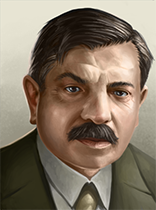
皮埃尔·赖伐尔 | 激进党 | Stout Defender |
|
1936 年起始领袖 |
社会主义 |
|
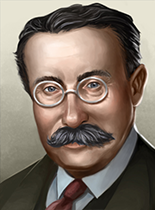
莱昂·布鲁姆 | 激进党 | 不情愿的干涉主义者 Stout Defender |
|
|
保守主义 |
|
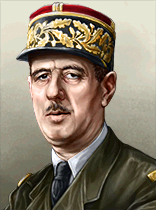
夏尔·戴高乐 | 激进党 | – | – |
|
斯大林主义 |
|
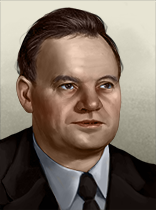
莫里斯·多列士 | Parti Communiste Francais | – | – |
起始共产主义领袖 |
马克思主义 |
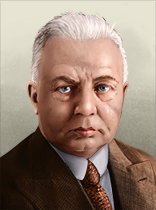
|
勒内·尼科 | Union Populaire Française | Reluctant Veteran |
|
|
| Proletariat Internationalist |
|
| ||||
法西斯主义 |
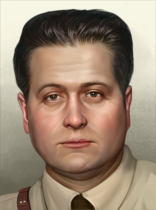
|
马塞尔·比卡尔 | 法兰西主义运动 | Fascist Corporatist |
起始法西斯领袖 | |
雷克斯主义 |
|
皮埃尔·赖伐尔 | 法兰西主义运动 | 坚韧的谈判者 |
|
|
法西斯主义 |
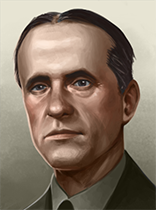
|
François de La Rocque | Parti Social Français | 退役军官 |
|
|
纳粹主义 |

|
雅克·多里奥 | Parti Populaire Français | 热切的合作者 |
|
|
法西斯主义 |
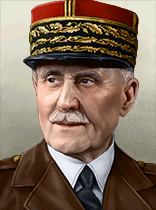
|
菲利普·贝当 | 法兰西主义运动 | – | – |
|
中间主义 |
|
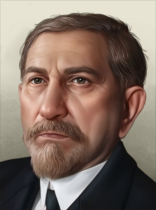
夏尔·莫拉斯 | 法兰西行动 | 编辑 君主派媒体大亨 |
|
起始中立制领袖 |
温和主义 |
|
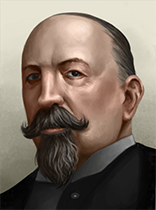
让三世 | 奥尔良党 | 奥尔良公爵 |
|
|
温和主义 |

|
亨利六世 | 奥尔良党 | 巴黎伯爵 |
|
|
Despotism |
|
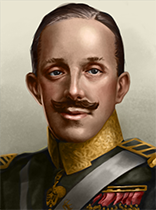
阿方索一世 | 正统主义党 | – | – |
|
Despotism |
|
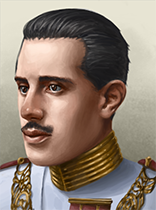
Jackques II | 正统主义党 | – | – |
|
Despotism |

|
拿破仑六世 | 波拿巴党 | – | – |
|
France starts outside of the 同盟国 at the start of 1936, but has options to join later. It also has focuses to form its own faction with 捷克斯洛伐克 and invite 南斯拉夫和 罗马尼亚 to form the Little Entente - if it does form the Little Entente, it can also take additional focuses to invite the 英国和 波兰 to the Entente.
France has a focus to unlock decisions concerning whether to intervene in the Spanish Civil War, or encourage non-interference by other parties. If it opts to encourage non-interference, success will give it a stability boost. If it opts to interfere, however, it will unlock a series of decisions - said decisions will boost war support; after getting war support to a certain level, France can opt to intervene directly in the Spanish Civil War. By default, it can only intervene on the side of the Republicans, but should it change ideologies, France can instead opt to intervene on the side of the Nationalists, the Carlists, the Falangists, or the Communists. Interestingly, the way these decisions are coded makes it entirely possible for a Fascist France to intervene on the side of Republican Spain and also drag the Axis in.
If Germany goes down its historic tree, France can opt to mobilize in response to the remilitarization of the Rhineland (taking this decision has a steep cost in political power and stability; note that France can only object if Germany completes the Remilitarize the Rhineland focus; if Germany remilitarizes the Rhineland by going to war, France cannot object). If the UK supports France, France (and any puppets France has at the time) will join the Allies, and if the Germans refuse to back down, when France goes to war, a civil war will break out. If the UK refuses to back up France, however, France can either opt to oppose Germany itself (which will also trigger a civil war) or it can back down. If Germany does back down in response to either instance, not only will the Rhineland remain demilitarized, but it will also give them a negative debuff that will lock off Anschluss for 1 year (additionally, when Germany does go to war, this will mean that the Rhineland will be unprotected by German troops for a while). Similarly, France can act differently in response to German demands for the Sudetenland than the UK; if the UK agrees to let Germany have the Sudetenland, France can either agree with the UK, which will also cancel its guarantee of Yugoslavia, or refuse to go along with the UK and form a faction with Czechoslovakia. However, if the UK refuses to let Germany have the Sudetenland, France can either opt to stay out of the conflict (which will cancel their guarantees of Czechoslovakia and Yugoslavia), or it can reaffirm its support (if the UK is not in a faction already but France is in one, the UK is added to France's faction and vice-versa; however, if both France and the UK are in separate factions, then France will guarantee Czechoslovakia). Similarly, if Germany overthrows Hitler and opts to restore the Kaiser, France can raise an objection to the Return of Kaiser Wilhelm II (the AI will usually limit its response based on how much tension Germany has generated); similar to the remilitarization of the Rhineland, the UK can opt to support or not support France, and Germany can either choose to continue ahead or compromise and instead install Wilhelm III as Kaiser. This will give them a similar debuff, but unlike the Rhineland Challenge Met debuff, none of Germany's focuses will be blocked.
If France is capitulated by a non-democratic Germany, and Germany is still at war with another major in the same faction as France, Germany can opt to set up an unofficial government in France - what government this is will depend on what ideology Germany is at the time. If Germany is Fascist, it will establish Vichy France. However, if Germany has restored the Kaiser, it will instead establish Bourbon France, although unlike what happens if France manually restores the monarchy, this Bourbon France will not have a king in charge (France will also become Bourbon France if it becomes a puppet of a non-aligned government). Alternatively, if France is Democratic and aligned with the UK (the UK can be any ideology), France can instead propose joining the two countries in the Franco-British Union - this decision will end the game for the French Player if the UK accepts, but in return, the British player will gain all existing French cores (this can include any gained through other methods), all French Units, Ships, Generals, Admirals, and equipment; while the Union can remain afterwards if the British player opts not to let France go independent when the Union is at peace, they will lose all French cores and generals/admirals if they choose to do so.
France can form the European Union if Democratic, and if it has , can also form the Kingdom of Franco-Spain if it goes Legitimist, and Spain also goes Carlist (on historical, the Carlists will almost never spawn if the player is not in charge of Spain and will only spawn on historical if Franco does not secure the North in time; unlike with Spain, France can form the Kingdom of Franco-Spain even if Spain has a different king) - if Spain was to obtain any other cores, France would also gain said cores (Gibraltar if the UK decolonizes or Spain forms Iberia, and any Portuguese cores gained by Spain as a result of forming Iberia - this can include Brazil, Angola, and Mozambique if Portugal was able to core those territories). Through the focus "The Blum-Violette Proposal", France can gain cores on Northern Algeria. Additionally, through the focus "French Union", France can gain cores on any of their colonies in Africa, the Middle East, or Indochina, although the cores gained will differ as the outcome is always random - interestingly, if Morocco, Algeria, or Tunisia was to form Andalusia, then be re-conquered by France, it can still agree to be cored through French Union, which would result in France gaining all cores that Morocco had (hypothetically, the same would be true for Arabia if Lebanon or Syria were to form the nation, be re-conquered by France, and then agree to be cored through French Union), although this would be slightly redundant if Legitimist France was to do so, as Andalusia requires Spain and Portugal to be formed) - note that the Blum-Violette proposal would not grant France cores on Andalusia if formed this method, as said focus is fixed in regards to what cores it grants.
| Rule | Whether it applies | Reason |
|---|---|---|
| Can declare war on country of the same ideology group without a war goal | No | 民主主义 |
| Can Guarantee other Ideologies | 是 | 民主主义 |
| Can create Factions | No | No National Spirit. Requires National Focus |
| 通过保障独立降低世界紧张度 | 是 | 民主主义 |
| 可将一个国家变为傀儡国 | No | 民主主义 |
| Can justify wargoals against a country that have not generated world tension | No | 民主主义 |
| 可建立合作政府 | No | 民主主义 |
法国 的部长与军事幕僚。
| 肖像 | 名称 | 特质 | 效果 | 要求 | 花费()
|
|---|---|---|---|---|---|

|
莫里斯·多列士 | 共产主义革命者 |
|
|
150 |

|
莱昂·布鲁姆 | 民主改革者 |
|
|
150 |

|
马塞尔·比卡尔 | 法西斯煽动家 |
|
|
150 |
| Marcel Déat | Neo-Jacobin |
|
150 | ||

|
René Massigli | Hawk |
|
|
75 |

|
Georges Bonnet | 谦卑的绥靖者 |
|
|
75 |
| 夏尔·莫拉斯 | 国家整合主义者 |
|
75 | ||

|
Philippe Henriot | 宣传大师 |
|
|
75 |

|
Pierre Pucheu | 技术官僚 |
|
|
150 |
| Georges Valois | National Syndicalist |
|
150 | ||

|
Gaston Henry-Haye | 沉默的实干家 |
|
– | 150 |

|
雅克·杜克洛 | 幕后暗算者 |
|
– | 150 |

|
Paul Baudouin | 能说会道的魅力者 |
|
– | 150 |

|
Vincent Auriol | 金融专家 |
|
|
150 |

|
Roger Salengro | 仁慈绅士 |
|
|
150 |

|
Zinovy Peshkov | 军工实业家 | – | 150 | |

|
Félix Gouin | 工业巨头 | – | 150 | |

|
Charles Tillon | 军备组织者 | – | 150 | |

|
保罗·雷诺 | 军需总监 | – | 150 | |

|
Maurice-Henri Gauché | 神秘绅士 |
|
|
150 |
| 肖像 | 名称 | 特质 | 效果 | 要求 | 花费()
|
|---|---|---|---|---|---|

|
马克西姆·魏刚 | 军事理论家 |
|
| |

|
夏尔·戴高乐 | 闪电战理论家 |
|
|
100 |

|
亨利·吉罗 | 军事理论家 |
|
– | 100 |

|
维克托·德南 | 突击航空 |
|
– | 150 |

|
让·德库 | 海军理论家 |
|
– | 100 |

|
让-马里·贝热雷 | 空战理论家 |
|
– | 100 |

|
路易·卡恩 | 大舰队倡导者 |
|
– | 150 |
| 肖像 | 名称 | 特质 | 效果 | 要求 | 花费()
|
|---|---|---|---|---|---|

|
Maurice Gamelin | 陆军进攻(专家) |
|
显示条件:
|
100 |
|
|
马克西姆·魏刚 | 陆军防御(专家) |
|
|
100 |

|
Alphonse Georges | Army Maneuver (Specialist) |
|
显示条件:
|
50 |

|
Henri Marie Auguste Bineau | 陆军进攻(专精) |
|
– | 50 |

|
Pierre Alombert Goget | 陆军防御(专精) |
|
– | 50 |
| 肖像 | 名称 | 特质 | 效果 | 要求 | 花费()
|
|---|---|---|---|---|---|

|
François Darlan | 决战(专家) |
|
– | 100 |

|
Marcel Gensoul | 海军航空兵(专家) |
|
– | 50 |

|
Jean-Marie Abrial | 破交作战(专家) |
|
– | 100 |
| 肖像 | 名称 | 特质 | 效果 | 要求 | 花费()
|
|---|---|---|---|---|---|

|
Joseph Vuillemin | Ground Support (Specialist) |
|
– | 50 |

|
Robert Odic | All-Weather (Specialist) |
|
– | 50 |

|
Phillipe Féquant | 空军改革者(专家) | – | 100 | |
| Jean C. Romatet | 老卫队 |
|
显示条件:
|
50 |
| 肖像 | 名称 | 特质 | 效果 | 要求 | 花费()
|
|---|---|---|---|---|---|

|
Philippe Leclerc | 突击队(专家) |
|
– | 100 |

|
Charles Huntziger | 陆军后勤(专精) |
|
– | 50 |

|
René-Emile Godfroy | 屏卫舰(专家) |
|
显示条件:
|
100 |

|
Jean de Laborde | Capital Ships (Specialist) |
|
– | 50 |

|
Martial Valin | 制空(专家) |
|
– | 100 |

|
Jean-Francois Jannekeyn | 战术轰炸(专家) |
|
– | 100 |

|
Émile Muselier | 舰队后勤(专家) |
|
– | 100 |

|
Alfred Heurtaux | 空战训练(专家) |
|
– | 100 |

|
René Prioux | 骑兵(专家) |
|
– | 100 |
| Joseph Doumenc | Army Regrouping (Specialist) |
|
显示条件:
|
100 | |
| Émile Laure | 骑兵(专家) |
|
显示条件:
|
100 |
| 肖像 | 名称 |  技能 |
 攻击 |
 防御 |
 计划 |
 后勤 |
特质 | 要求 |
|---|---|---|---|---|---|---|---|---|
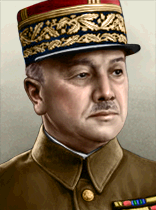
|
Alphonse Georges | 3 | 2 | 2 | 4 | 2 |  老卫队  Cautious  防御学说 |
|
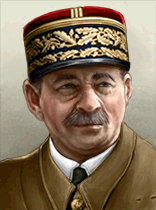
|
Antoine-Marie-Benoît Besson | 2 | 1 | 2 | 2 | 2 | 老卫队防御学说
|
|
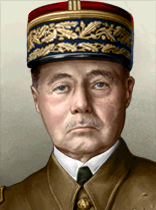
|
Maurice Gamelin | 2 | 1 | 4 | 2 | 2 | 老卫队 顽固战略家  职业军官防御学说 |
|
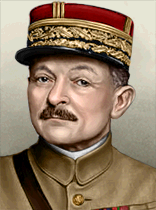
|
马克西姆·魏刚 | 3 | 3 | 4 | 2 | 3 | 老卫队顽固战略家职业军官防御学说
|
– |
| 肖像 | 名称 | 技能 |
攻击 |
防御 |
计划 |
后勤 |
特质 | 要求 |
|---|---|---|---|---|---|---|---|---|
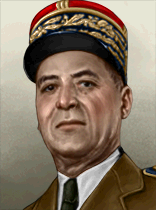
|
Alphonse Juin | 4 | 3 | 2 | 4 | 4 | 职业军官 Cautious 装甲军官 |
– |
|
|
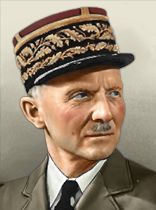
Charles De Gaulle | 4 | 5 | 4 | 3 | 2 |  媒体名人  严厉领袖装甲军官 |
– |
|
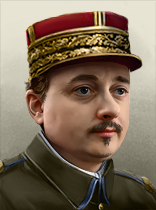
Charles Huntziger | 3 | 3 | 1 | 3 | 3 | 老卫队 步兵军官 |
– |
|
Gaston-Henri Billotte | 2 | 1 | 3 | 1 | 2 | 老卫队 Cautious步兵军官
|
|
|
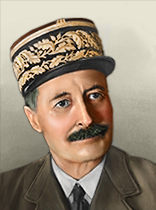
亨利·吉罗 | 3 | 2 | 2 | 4 | 2 | 职业军官 Cautious步兵军官 诡计者 |
– |
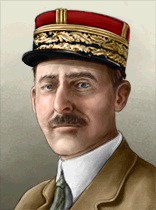
|
Henry Freydenberg | 2 | 1 | 2 | 2 | 2 | 老卫队步兵军官
|
|

|
Jean de Lattre de Tassigny | 4 | 5 | 2 | 5 | 3 |  杰出战略家  骑兵军官  战争英雄诡计者 |
– |
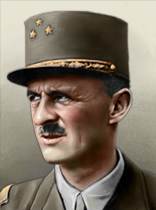
|
Philippe Leclerc | 3 | 3 | 2 | 2 | 3 | 职业军官 Reckless装甲军官 |
– |

|
René Olry | 3 | 2 | 4 | 2 | 2 | 老卫队步兵军官 山地兵 |
– |
| 肖像 | 名称 | 技能 |
攻击 |
防御 |
 MNV |
 COR |
特质 | 要求 |
|---|---|---|---|---|---|---|---|---|

|
François Darlan | 3 | 2 | 2 | 3 | 3 |  Bold  海军传承  卓越战术家 |
– |

|
Jean de Laborde | 1 | 1 | 1 | 1 | 1 |  航空爱好者海军传承 |
– |
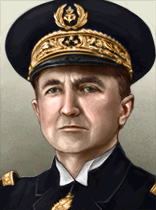
|
Jean-Marie Charles Abrial | 3 | 2 | 3 | 3 | 2 |  Chief Engineer卓越战术家 |
– |
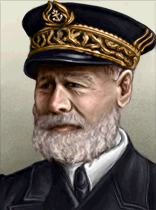
|
Jean-Pierre Esteva | 2 | 1 | 2 | 2 | 2 | 航空爱好者
|
– |
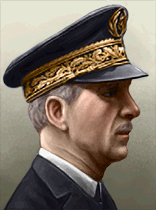
|
René-Émile Godfroy | 2 | 2 | 1 | 2 | 2 | 老卫队 Gentlemanly  战列舰拥护者  Spotter |
|
| 标志 | 名称 | 类型 | 效果 | 要求 | 花费()
|
DLC |
|---|---|---|---|---|---|---|

|
FAMH | 工业财团 |
|
|
150 | |

|
Société Française Radio-Électrique | 电子学财团 |
|
|
150 |
法国 的设计公司。
| 标志 | 名称 | 类型 | 效果 | 要求 | 花费()
|
DLC |
|---|---|---|---|---|---|---|

|
Renault | 重型坦克设计师 |
选择此设计公司后,只要它仍在受雇,就会永久影响其受雇期间研究的所有装备的性能。 |
|
150 | |

|
AMX | 机动坦克设计商 |
选择此设计公司后,只要它仍在受雇,就会永久影响其受雇期间研究的所有装备的性能。 |
|
150 | |

|
Hotchkiss | 步兵坦克设计商 |
选择此设计公司后,只要它仍在受雇,就会永久影响其受雇期间研究的所有装备的性能。 |
|
150 | |

|
APX | 中型坦克设计商 |
选择此设计公司后,只要它仍在受雇,就会永久影响其受雇期间研究的所有装备的性能。 |
|
150 | |

|
Panhard | 装甲车设计师 |
选择此设计公司后,只要它仍在受雇,就会永久影响其受雇期间研究的所有装备的性能。 |
|
150 |
|
| 标志 | 名称 | 类型 | 效果 | 要求 | 花费()
|
DLC |
|---|---|---|---|---|---|---|

|
FCM | 地中海舰队设计商 |
选择此设计公司后,只要它仍在受雇,就会永久影响其受雇期间研究的所有装备的性能。 |
|
150 | |

|
AEB | 护航舰队设计商 |
选择此设计公司后,只要它仍在受雇,就会永久影响其受雇期间研究的所有装备的性能。 |
|
150 | |

|
ACL | 大西洋舰队设计商 |
选择此设计公司后,只要它仍在受雇,就会永久影响其受雇期间研究的所有装备的性能。 |
|
150 | |

|
ACF | 袭击舰队设计商 |
选择此设计公司后,只要它仍在受雇,就会永久影响其受雇期间研究的所有装备的性能。 |
|
150 |
| 标志 | 名称 | 类型 | 效果 | 要求 | 花费()
|
DLC |
|---|---|---|---|---|---|---|

|
Morane-Saulnier | 轻型飞机设计商 |
选择此设计公司后,只要它仍在受雇,就会永久影响其受雇期间研究的所有装备的性能。 |
|
150 | |

|
Bloch | 中型飞机设计商 |
选择此设计公司后,只要它仍在受雇,就会永久影响其受雇期间研究的所有装备的性能。 |
|
150 | |

|
Amiot | 重型飞机设计商 |
选择此设计公司后,只要它仍在受雇,就会永久影响其受雇期间研究的所有装备的性能。 |
|
150 | |

|
Levasseur | 海军飞机设计商 |
选择此设计公司后,只要它仍在受雇,就会永久影响其受雇期间研究的所有装备的性能。 |
|
150 | |

|
SNCAN | 重型飞机设计商 |
选择此设计公司后,只要它仍在受雇,就会永久影响其受雇期间研究的所有装备的性能。 |
显示条件:
|
150 | |

|
SNCAO | 中型飞机设计商 |
选择此设计公司后,只要它仍在受雇,就会永久影响其受雇期间研究的所有装备的性能。 |
显示条件:
|
150 | |

|
SNCASE | 轻型飞机设计商 |
选择此设计公司后,只要它仍在受雇,就会永久影响其受雇期间研究的所有装备的性能。 |
显示条件:
|
150 | |

|
SNCASO | 海军飞机设计商 |
选择此设计公司后,只要它仍在受雇,就会永久影响其受雇期间研究的所有装备的性能。 |
显示条件:
|
150 | |

|
SNCAC | 飞机设计商 |
选择此设计公司后,只要它仍在受雇,就会永久影响其受雇期间研究的所有装备的性能。 |
显示条件:
|
150 |
| 标志 | 名称 | 类型 | 效果 | 要求 | 花费()
|
DLC |
|---|---|---|---|---|---|---|

|
SOMUA | 摩托化装备设计商 |
|
|
150 | |

|
MAS | 步兵装备设计商 |
|
|
150 | |

|
Schneider | 火炮设计商 |
|
|
150 | |

|
Alsthom | 列车设计商 |
选择此设计公司后,只要它仍在受雇,就会永久影响其受雇期间研究的所有装备的性能。 |
|
150 |
法国 可使用这些军工产业组织。
| ||||||||||||||||||||||||||||||||||||||||||||||||||||||||||||||||||||||||||||||||||||||||||||||||||||||||||||||||||||||||||||||||||||||||||||||||||||||||||||||||||||||||||||||||||||||||||||||||||||||||||||||||||||||||||||||||||||||||||||||||||||||||||||||||||||||||||||||||||||
| ||||||||||||||||||||||||||||||||||||||||||||||||||||||||||||||||||||||||||||||||||||||||||||||||||||||||||||||||||||||||||||||||||||||||||||||||||||||||||||||||||||||||||||||||||||||||||||||||||||||||||||||||||||||||||||||||||||||||||||||||||||||||||||||||||||||||||||
| ||||||||||||||||||||||||||||||||||||||||||||||||||||||||||||||||||||||||||||||||||||||||||||||||||||||||||||||||||||||||||||||||||||||||||||||||||||||||||||||||||||||||||||||||||||||||||||||||||||||||||||||||||||||||||||||||||||||||||||||||||||||||||||||||||||||||||||||||||||||||||||||||||||||||||||||||||||||||||||||||||||||||||||||||||||||||||||||||||||||
| ||||||||||||||||||||||||||||||||||||||||||||||||||||||||||||||||||||||||||||||||||||||||||||||||||||||||||||||||||||||||||||||||||||||||||||||||||||||||||||||||||||||||||||||||||||||||||||||||||||||||||||||||||||||||||||||||||||||||||||||||||||||||||||||||||||||||||||||||
法国 starts with the following laws:
1936
| 征兵法案 | 贸易法案 | 经济法令 |
|---|---|---|
 有限征兵
|
 出口导向
|
 民用经济
|
1939
| 征兵法案 | 贸易法案 | 经济法令 |
|---|---|---|
有限征兵
|
出口导向
|
 部分动员
|
 年份 |
 军用工厂 |
 海军船坞 |
 民用工厂 |
 燃料筒仓 |
 Refineries |
 建筑槽位 |
|---|---|---|---|---|---|---|
| 1936 | 8 | 11 | 33 (-14) | 1 | 0 | 205 |
*红色 中的数字表示生产消费品所需的民用工厂数量,依据经济法案以及军用与民用工厂总数向上取整。
年份 |
 石油 |
 铝 |
 橡胶 |
 钨 |
 钢铁 |
 铬 |
 煤 |
|---|---|---|---|---|---|---|---|
| 1936 | 0 | 361 (-180) | 84 (-42) | 37 (-18) | 549 (-274) | 152 (-76) | 94 (-47) |
*这些数字表示游戏开始一小时后可用的资源量。红色 中的数字表示因贸易法案而留作出口的资源量。
| 类型 | # 1936 | # 1939 | |
|---|---|---|---|
 |
步兵 | 51 | 81 |
 |
山地兵 | 4 | 7 |
 |
骑兵 | 6 | 5 |
 |
摩托化步兵 | 7 | |
 |
轻型坦克 | 6 | 5 |
 |
中型坦克 | 0 | 2 |
 |
重型坦克 | 0 | 4 |
 |
师总数 | 74 | 115 |
 |
已用人力 | 576.90K | 920.40K |
France has 74 divisions in 1936, but many of those are colonial divisions with only six infantry battalions, and their armored divisions are basically brigades.
France relies on the heavy fortifications at the border with 德国, the Maginot Line to defend them. With its far-flung and vast colonial possessions, defending them against attack will require a higher concentration of light, fast forces compared to Metropole defense.
In terms of technology, France has a good head start on mechanized, motorized and tank forces with only a little catch-up for infantry weapons. The problem with fielding a modern army will be expanding France's production base, which is both extremely limited and faced with the prospect of crippling manpower shortages in the very near future in 1936.
| 师 | 名称列表 | # 1936 | # 1939 | 支援连 | 战斗营 |
|---|---|---|---|---|---|
 Division d'Infanterie* |
步兵师 | 19 | 0 |   |
9x
|
| Division d'Infanterie^ |
步兵师 | 0 | 53 | |
9x
|
| Division Coloniale |
Colonial Division | 9 | 16 | |
9x
|
 Division d'Infanterie Motorisée* |
摩托化师 | 7 | 0 |  |
9x
|
| Division d'Infanterie Motorisée^ |
摩托化师 | 0 | 7 | |
9x
|
 Division d'Infanterie Alpine* |
山地师 | 4 | 0 | 12x
| |
| Division d'Infanterie Alpine^ |
山地师 | 0 | 7 | |
9x
|
 Division de Cavalerie |
骑兵师 | 6 | 5 | |
4x
|
 Division Légère Mécanique* |
Light Mechanized Division | 1 | 0 | |
2x 4x
|
 Division Légère Mécanique^ |
Light Mechanized Division | 0 | 2 | |
2x 2x 3x
|
| Brigade de Chars de Combat |
装甲师 | 5 | 9 | 4x
| |
| Brigade Coloniale* |
Colonial Division | 23 | 0 | 6x
| |
| Brigade Coloniale^ |
Colonial Division | 0 | 7 | 4x
| |
| Division Forteresse^ |
守备师 | 0 | 5 | |
9x
|
 Brigade Cuirassée^ |
坦克旅 | 0 | 4 | |
2x
|
| * 标记的是在 1939 年开局中被移除的师。 ^ 标记仅存在于 1939 年开局中的师。 | |||||
| 类型 | Chassis | Role | 主武器 | Turret | Suspension | 装甲(等级) | 发动机(等级) | 特殊模块 |
|---|---|---|---|---|---|---|---|---|
| FCM 36^ | 改进型轻型 | 轻型坦克 | 小型火炮 | 单人 | Bogie | 焊接(4) | Diesel (2) | 倾斜装甲 |
| Char B1 | 基础型重型坦克 | 重型坦克 | 中型榴弹炮 | Superstructure | Bogie | Riveted (4) | 汽油(6) | Basic Radio, Secondary Cannon Turret |
| Char B1bis^ | 基础型重型坦克 | 重型坦克 | 中型榴弹炮 | Superstructure | Bogie | Riveted (6) | 汽油(6) | Basic Radio, Secondary Cannon Turret |
| AMC 35^ | 基础中型 | 中型坦克 | 改进型小型机炮 | 双人 | Bogie | 焊接(3) | 汽油(4) | |
| H-35 | 基础轻型 | 轻型坦克 | 小型火炮 | 单人 | Bogie | Cast (4) | 汽油(2) | |
| SOMUA S35 | 战间期中型 | 中型坦克 | 改进型小型机炮 | 单人 | Bogie | Welded (5) | 汽油(4) | 基础无线电 |
| FT mod. 31* | 战间期轻型 | 轻型坦克 | 重机枪 | 单人 | Bogie | 铆接(2) | 汽油(1) | |
| FT Char Cannon* | 战间期轻型 | 轻型坦克 | 小型火炮 | 单人 | Bogie | 铆接(2) | 汽油(1) | |
| * 表示某个变体已「过时」。 ^ 标记仅存在于 1939 年开局中的变体。 | ||||||||
| 类型 | # 1936 | # 1939 | |
|---|---|---|---|
 |
航空母舰 | 1 | |
 |
战列巡洋舰 | 0 | 2 |
 |
战列舰 | 5 | |
 |
重巡洋舰 | 7 | |
 |
轻巡洋舰 | 7 | 12 |
 |
驱逐舰 | 52 | 70 |
 |
潜艇 | 63 | 77 |
 |
运输船队 | 300 | |
 |
舰船总数 | 135 | 174 |
|
已用人力 | 58.50K | 77.50K |
France boasts a somewhat modern - if badly understrength - fleet. Whilst the Marine Nationale is strong enough to decisively defeat either the Kriegsmarine or the Regia Marina alone, it would have no chance against a combined Axis fleet. As with her tanks, France begins the game with modern naval technology, such as 1936 BB, DD and SS techs and two unique designs: La Fantasque, a destroyer model with tier 3 (1940) engines, and the Surcouf Class cruiser submarine. Many of these designs are clearly aimed against an anti-surface role, prioritizing fast, lightly-armored ships with minimal ASW capability and strong scouting capabilities. However, poor naval infrastructure and low shipbuilding priority means that constructing a large modern fleet is not easy, and in fact can often be counter-productive in that it denies vital industrial capacity from tank and motorized production.
| 类型 | Class | Hull | 发动机 | # 1936 |  1936 |
# 1939 | 1939 |
设计说明 |
|---|---|---|---|---|---|---|---|---|
| CV | Béarn | 改装战列舰 | 重型 I | 1 | 1 | 2x Hangar Space, Secondary Battery I, Anti-Air I | ||
| CV | Joffre | 基础型航空母舰 | 航空母舰 II | 2x Hangar Space, Dual-Purpose Secondary Battery III, Anti-Air I | ||||
| BB | Bretagne | 早期重型舰船 | 重型 I | 3 | 3 | 2x Heavy Battery I, 2x Secondary Battery I, 2x Anti-Air I, Fire Control 0, Battleship Armor I | ||
| BB | Courbet* | 早期重型舰船 | 重型 I | 2 | 2 | 2x Heavy Battery I, 3x Secondary Battery I, Anti-Air I, Fire Control 0, Battleship Armor I | ||
| BC | Richelieu | 基础型重型舰船 | 重型 II | 1 | 2 | 2x Heavy Battery II, 2x Secondary Battery II, 2x Anti-Air I, Fire Control 0, Battlecruiser Armor II, Floatplane Catapult I | ||
| BC | Dunkerque | 基础型重型舰船 | 重型 II | 1 | 2 | 2x Heavy Battery I, 2x Secondary Battery I, 2x Anti-Air I, Fire Control 0, Battlecruiser Armor II, Floatplane Catapult I | ||
| CA | Algérie | 早期巡洋舰 | 巡洋舰 II | 1 | 1 | 2x 中型主炮 I、2x 防空 I、火控 0、巡洋舰装甲 I、水上飞机弹射器 I | ||
| CA | Suffren* | 早期巡洋舰 | 巡洋舰 II | 6 | 6 | 2x Medium Battery I, Anti-Air I, Fire Control 0, Cruiser Armor I, Torpedo Launcher I, Floatplane Catapult I | ||
| CL | Duguay-Trouin* | 早期巡洋舰 | 巡洋舰 II | 5 | 5 | 2x Light Cruiser Battery I, Anti-Air I, Fire Control 0, Torpedo Launcher I, Floatplane Catapult I | ||
| CL | La Galissonnière | 早期巡洋舰 | 巡洋舰 II | 1 | 4 | 6 | 2x Light Cruiser Battery II, 2x Anti-Air I, Fire Control 0, Cruiser Armor I, Floatplane Catapult I | |
| CL | Émile Bertin | 早期巡洋舰 | 巡洋舰 II | 1 | 1 | 2x Light Cruiser Battery II, 2x Anti-Air I, Fire Control 0, Minelaying Rails | ||
| DD | Bourrasque* | 早期驱逐舰 | 轻型 I | 26 | 26 | Light Battery I, Anti-Air I, Fire Control 0, 2x Torpedo Launcher I | ||
| DD | Chacal* | 早期驱逐舰 | 轻型 II | 24 | 24 | Light Battery I, Anti-Air I, Fire Control 0, 2x Torpedo Launcher I, Depth Charge I | ||
| DD | Le Fantasque | 早期驱逐舰 | Light III | 2 | 4 | 18 | Light Battery II, Anti-Air I, Fire Control 0, Torpedo Launcher I, Torpedo Launcher II, Depth Charge I | |
| DD | Le Hardi^ | 基础驱逐舰 | 轻型 II | 6 | Light Battery III, Anti-Air I, Fire Control 0, 2x Torpedo Launcher II, Depth Charge I | |||
| DD | Mogador^ | 基础驱逐舰 | 轻型 II | 2 | 2x Dual-Purpose Main Battery II, Anti-Air I, Fire Control 0, Torpedo Launcher II, Depth Charge I | |||
| SS | 600 Series* | 早期潜艇 | 潜艇 I | 19 | 19 | 鱼雷发射管 I | ||
| SS | 630 Series* | 早期潜艇 | 潜艇 I | 16 | 16 | 鱼雷发射管 I | ||
| SS | Minerve | 早期潜艇 | 潜艇 II | 4 | 6 | 2x 鱼雷发射管 I | ||
| SS | Redoutable | 基础潜艇 | 潜艇 II | 21 | 7 | 29 | 2x 鱼雷发射管 I | |
| SS | Saphir* | 早期潜艇 | 潜艇 I | 6 | 6 | 鱼雷发射管 I、布雷管 | ||
| SS | Aurore^ | 基础潜艇 | 潜艇 II | 1 | 2x Torpedo Tubes II | |||
| SS | Surcouf | 巡洋潜艇 | 潜艇 II | 1 | 1 | Torpedo Tubes II, Floatplane Catapult I, Light Battery I | ||
| * 表示某个变体已「过时」。 ^ 标记仅存在于 1939 年开局中的变体。 舰种术语:
| ||||||||
| 类型 |  1936 |
 1936 |
1939 |
1939
| |
|---|---|---|---|---|---|
 |
战斗机 | 452 | 630 | 666 | |
 |
近距空中支援 | 0 | 66 | 56 | |
 |
海军轰炸机 | 44 | 48 | 58 | |
 |
重型战斗机 | 0 | 36 | 0 | |
 |
战术轰炸机 | 204 | 120 | 178 | |
 |
战略轰炸机 | 0 | 84 | 12 | |
 |
飞机总数 | 700 | 700 | 970 | 970 |
|
已用人力 | 18.08K | 21.44K | 24.40K | 23.68K |
France starts 1939 with a small, but modern air force.
| 类型 | 机体 | Role | 主武器 | 副武器 | 发动机 | 特殊模块 |
|---|---|---|---|---|---|---|
| M.B. 200* | 战间期中型 | 战术轰炸机 | 中型弹舱 | 2x 引擎 I | 轻机枪防御炮塔 | |
| F.222 | 战间期大型 | 战略轰炸机 | 大型弹舱 | 4x 引擎 II | 轻机枪防御炮塔 | |
| Amiot 143 | 战间期中型 | 战术轰炸机 | 中型弹舱 | 炸弹挂锁 | 2x 发动机 II | 轻机枪防御炮塔 |
| Latécoère 296 | 战间期小型 | 海军轰炸机 | 轻型鱼雷挂架 | 1x 发动机 I | Floats | |
| D.510 | 战间期小型 | 战斗机 | 2x 轻机枪 | 1x 机炮 I | 1x 发动机 II | |
| PL.7* | Inter-War Carrier | 海军轰炸机 | 轻型鱼雷挂架 | 1x 发动机 I | 轻机枪防御炮塔 | |
| D.371* | Inter-War Carrier | 战斗机 | 4x 轻机枪 | 1x 发动机 I | ||
| D.500* | 战间期小型 | 战斗机 | 4x 轻机枪 | 1x 发动机 I | ||
| NiD 62* | 战间期小型 | 战斗机 | 2x 轻机枪 | 1x 发动机 I | ||
| Br. 19* | 战间期小型 | CAS | 炸弹挂锁 | 1x 发动机 I | 轻机枪防御炮塔 | |
| Potez 631^ | 基础小型 | 战斗机 | 4x 轻机枪 | 2x 机炮 I | 2x 发动机 II | 轻机枪防御炮塔 |
| LN.40^ | 基础型航空母舰 | CAS | 炸弹挂锁 | 1x 机炮 I | 1x 发动机 II | 俯冲减速板 |
| Br. 693^ | 改进型小型 | CAS | 小型弹舱 | 1x Cannon I, 2x Light Machine Gun | 2x 发动机 II | Light MG Defense Turret, Armor Plates |
| LeO 451^ | 改进型中型 | 战术轰炸机 | 中型弹舱 | 2x 发动机 II | Light MG Defense Turret, Cannon Defense Turret | |
| M.B. 210^ | 基础中型 | 战术轰炸机 | 中型弹舱 | 2x 发动机 II | 轻机枪防御炮塔 | |
| M.B. 152^ | 基础小型 | 战斗机 | 2x 轻机枪 | 2x 机炮 I | 1x 发动机 II | |
| M.S. 406^ | 基础小型 | 战斗机 | 2x 轻机枪 | 1x 机炮 I | 1x 发动机 I | |
| * 表示某个变体已「过时」。 ^ 标记仅存在于 1939 年开局中的变体。 | ||||||
 以下是one of many玩家为法国建议的战略。请记住,由于游戏的动态特性,其他玩家的情况可能会有所不同。
Historically, France elected to 组建人民阵线, the left-wing Democratic path. This puts Léon Blum in power and unlocks  Reform the Labour Laws plus six more focuses that improve the economy and add free factories. Note that the Matignon Agreements can be repealed later for 50 PP but no other penalty. The right-wing Democratic path via
 Revive the National Bloc focuses on market reforms to fix the economy. Either way the priority is to get rid of your starting national spirits as soon as possible, especially Disjointed Government. Getting to
 Strengthen Government requires at least 350 days, or up to 490 via Revive the National Bloc and
 Confirm Eastern Commitments. A year after taking Strengthen Government, you can take Defensive Stratagems to finally remove Disjointed Government. This means France will be starved for political power until 1938.
For your military, France's 18-width 'Division d'Infanterie' is good, though support anti-air is a good addition. The mountaineers and motorized infantry are also useful, but everything else can be converted to regular infantry. Medium tank divisions can be useful for encirclements but the limited military industry means you can't build more than a few armored divisions. A railway gun can be helpful for defending on the Belgian border and pushing back into Germany. Finally, building a lot of 1936 fighters is the only real counter to Germany's huge air force. The naval game isn't especially relevant as Germany is unable to construct a substantial surface fleet and Britain is capable of subduing the Regia Marina in the Mediterranean. As far as strategy goes, let your enemies attack without counterattacking, then push only when your troops are at full strength while your enemies are down to 75% or so.
If you go to war over Poland in mid-1939, the Axis can attack through three fronts: Alsace-Lorraine, Belgium after Germany conquers them, and Italy after they join Germany's faction. None of your other territory really matters, though you can place small forces to hold Corsica and Tunisia from the Italians. Alsace-Lorraine has level 10 forts so the Germans can't make any progress against two infantry divisions per tile. Belgium is dangerous because of the open terrain and the huge force that Germany will send this way. One option is to build forts to level 2 or 3 and then get Extend the Maginot Line to add 2 more forts to each tile. The Italian front has good defensive terrain and a weaker foe but supply is bad in Savoy, so two good choices are to build a supply hub close to the Italian border or to entrench a few tiles to the west, letting the Italians advance a little way into the unsupplied area.
If you  加强小协约国 instead of joining the Allies, the war is likely to start in mid-1938 instead. This version of the war may be easier because you won't face trouble on the Belgian or Italian fronts and the Germans will be bogged down attacking 捷克斯洛伐克. If instead France joins no factions they won't be called in for the attack on Poland but Germany will still attack in 1940.
Release all occupied lands as 傀儡国 in ways that would result in as many tiny states as possible. All in all it will result in more manpower - on 1936, it's going from 274.51K to 309.40K once everything is released while keeping cores. And that's just French soldiers alone; you could then make colonial divisions to steal manpower of puppets, and request control of their divisions. Just check what country has how much manpower; for example, 越南共和国 has lots of manpower. If we factor in every puppet, that's a lot of manpower to use. Keep in mind what Manpower of France is more valuable and less replaceable than manpower of various "banana republics". Once manpower of one of 傀儡国 starts running low (gets to about 10-20K) - switch to another 傀儡国 to drain; once all of them are dangerously low - start draining them to zero. Use actual fully-french divisions as last resort.
These puppets will also complete 通用国策树; they would build up themselves, so you could focus industrial efforts as France. Releasing them earlier (or immediately) will allow for more build-up - but their templates will be starting ones, meaning crap divisions, what would in turn screw with "Steal manpower" plan. You can duplicate and edit templates of said Puppets - but you need Army Experience for that, and each Puppet has it's own templates.
法国 should release 索马里苏丹国早于意大利 does so - make 意大利 waste a little bit more of manpower. 英国 can't normally release 索马里苏丹国, so that's not an issue.
Release 1-state puppets first. Divide territories into as many tiny puppets as possible. E.G. 索科托哈里发国 must be released before 尼日尔.
The only problem, is that, likely, if France capitulates, the Free France wouldn't have direct control of 傀儡国 banana republics. As such, if you're literally planning to lose, colonies should be kept directly. However, it's a lot easier to hold off mainland France without capitulating, than it is to re-capture mainland France and launch counter-offensive against Axis as Free France; as such, non-capitulation plan is preferable, and for it the puppet strategy is preferable.
France has, a unique potential to gain cores on The 荷兰, 比利时, 西班牙, 葡萄牙, 巴西, 德国, and 意大利 through incredible luck.
For the first step, in forming the super Kingdom of Franco-Spain, you must put on non-historical focuses, and restart saves until 葡萄牙 does its focus 新国家. Once you get the news article detailing that there has been a royal marriage between 巴西和葡萄牙 you can move on. Next step is forming the 欧洲联盟. Follow the Forming the 欧洲联盟 steps for how to form it, but make sure to not go down any focus tree other than the monarchist branch, as well as making sure that the Carlists win the Spanish civil war and the monarchist Portuguese win their civil war and the Brazilian monarchist civil war (If they Don't fire, don't worry, that just means you don't have to help them through the civil wars). Note that you can still form the Kingdom of Franco-Spain if Carlist Spain did not win, provided that they did spawn (as you can liberate Spain to them in the peace deal), although doing so will lock you out of gaining cores on any Portuguese states.
Note that one can spawn Carlist Spain on Historical if certain conditions are met (while this won't allow you to gain Brazilian Cores, you can still gain cores on all of Iberia if Spain forms that nation) - as soon as the Spanish Civil War begins, start Intervention in the Spanish Civil War and rush the decision for Volunteers. Send Tank Volunteers to Republican Spain, and use them to secure the ports in Asturias; delay for as long as possible (if Nationalist Spain does either a Methodical Approach or Caudillo of Spain after Martyrdom for Primo de Riveria instead of Consolidate the North, you're on the right track). Note that once you go to war with Germany, you'll have to recall those volunteers, so after the Carlists Spawn, delete your existing tank volunteers and immediately send some new ones to Carlist Spain (at the start of the game, France starts with 6 tank Divisions - convert all of these to the template with motorized, and you'll have several good divisions on your hands), and use them to clean up as much of the other factions as possible before going to war with the nations required for the EU.
After forming the EU, you must restore the monarchy through the Légitimistes, continue down the focus tree, but before completing be sure that Spain has formed the Iberian union ( if they did the focus for the Iberian union but 葡萄牙 refused, if the save is 铁人模式, immediately alt f4, but if on regular mode, reload to the latest auto save until 葡萄牙 accepts), Upon completing Focus to annex Spain, you should have cores on all of western Europe (Spain gets a core on Gibraltar when it forms Iberia) and Brazil (if Portugal was able to integrate Mozambique and Angola, you also gain cores on those states as well).
This is a good route to take if the UK refuses to back you when Germany tries to remilitarize the Rhineland. You get a choice either to back down or to go to war against Germany alone. Choose to go to war. It seems like a disaster waiting to happen (low stability, poorly equipped army, low manpower, and a threat of a civil war on top of all that) but it can work out quite well. The reason is that 1936 Germany can't break through a fully manned Maginot line, it is not yet allied with Italy, and it can't stage naval invasions, so you are quite safe from them. Put half of your remaining military on the Maginot line and use the other half to end the civil war. When it is won, follow the focuses toward "Little Entente". You are in for a couple of years with dismal stats (10% stability, 0% war support, -50% construction speed, negative political power, and equipment deficits everywhere) but you won't be in any real danger. Eventually you will be able to start your own faction and invite into it, in quick succession, Czechoslovakia, Poland, Romania, the UK with its satellites, and Yugoslavia. Move all your forces except for the army guarding the Maginot line into Poland as soon as it joins. Germany will invade Czechoslovakia and may even force it to capitulate before the tide turns, Poland will be reluctant to join the war, but, once everyone is in, your combined forces will sweep through Germany east to west, very likely capitulating it before 1940.
France is quite possibly the best candidate to form the European Union as if staying democratic, it can expect to end up in a defensive war against both Germany and Italy, allowing both countries to be annexed in a single peace treaty. The main problem with forming the EU as France is the inability to annex Belgium, Netherlands, and Luxembourg but this can be worked around by going down the French Entente line in the focus tree. Be sure to kick Czechoslovakia out of the faction before Sudetenland as otherwise you will end up in a war with Germany too early. Wait for Germany to capitulate all the minors on the mainland before justifying on an axis member and joining the war.
Once the war starts its important to deny military access to all other belligerents and rack up massive war score on your own. The most straightforward approach would be to first neutralize Italy by launching naval invasions to encircle and destroy their troops before marching on Rome. Start in Sicily and work your way up the peninsula towards Rome. If you have land forts around level 6 or higher then the Axis nations will be very hesitant to assault your positions and you can focus on taking down Italy. Once Italy falls, be sure to quickly capitulate Germany before the Allies are able to do that. You need to have a high war score in order to pull off this strategy.
Once the Axis powers are defeated and the peace treaty commences, annex the BeNeLux (Belgium, Netherlands, Luxembourg) countries in their entirety and as much of Italy and Germany in the first peace treaty as possible. Try to annex all coastal states as the Allies will not annex any states that they cannot reach. Only Italy's and Germany's starting regions are needed so a German Republic forming in Austria or an Italian Republic forming in Albania (due to Allied demands) is very convenient if you can cut then off and stop them from getting more land in the peace deal.
An alternative (albeit untested) way to form the EU is to allow Hungary to become a major power and then occupy and hold the territories needed before the peace deal.
If playing on multiplayer with a player-controlled Soviet Union, one method is to have them join the war and have them declare on the Benelux countries - as this will drag them into the Axis, they can be taken into the peace deal. Note that doing so may result in the UK guaranteeing them, so it's recommended that either the UK also be player-controlled, or the USSR have caused as little tension as possible (justifying on the Dutch East Indies can also help lower the tension).
Lastly, it is also possible to take advantage of several random events to increase Communist support high enough and flip France to communism, allowing them to manually justify war goals on Belgium, Luxembourg and the Netherlands and annex them, then progress down the Democratic branch of the National Focus tree and drift back to Democracy and form the EU.

大协约(Big Entente) 以法国完成「小协约国」国策,并让你或你阵营中的某个成员拥有德国的全部核心。 |

去死吧,背信弃义的阿尔比恩! 作为法西斯法国或维希法国,占领整个大不列颠。 |

第二次就会成功 作为法国,在拿破仑六世担任你的国家领袖时占领莫斯科。 |

法兰西万岁(Vive la France) 作为法国坚持到 1948 年,且从未投降或屈服。 |

青年学派万岁 作为法国,在 1945 年前拥有至少 150 艘驱逐舰并研究最高等级的鱼雷发射器科技。 |
| 西欧 |
|
| 东欧 |
| 西欧 |
|
| 东欧 |  波斯尼亚-黑塞哥维那  克罗地亚  塞浦路斯  黑塞哥维那  卡舒比  科索沃  马其顿  摩尔多瓦  黑山  塞尔维亚  西里西亚  斯洛伐克  斯洛文尼亚  特兰西瓦尼亚 |
| 苏联 |
|
 : 100)
 反法西斯联盟

 民族复兴
 拉丁协约
 宣告第三帝国
 Leftist Rhetoric
 Invite Communist Ministers
 利用联盟

 Buy Time
 Integralism


 Defensive Focus
 Battle of Maneuver
 Aggressive Focus



 与以下互斥:


 Form the State Arsenals





 匈牙利


 巴登-符腾堡
 巴斯克地区
 Bavaria
 布列塔尼
 Catalonia
 Corsica
 加利西亚
 Hesse
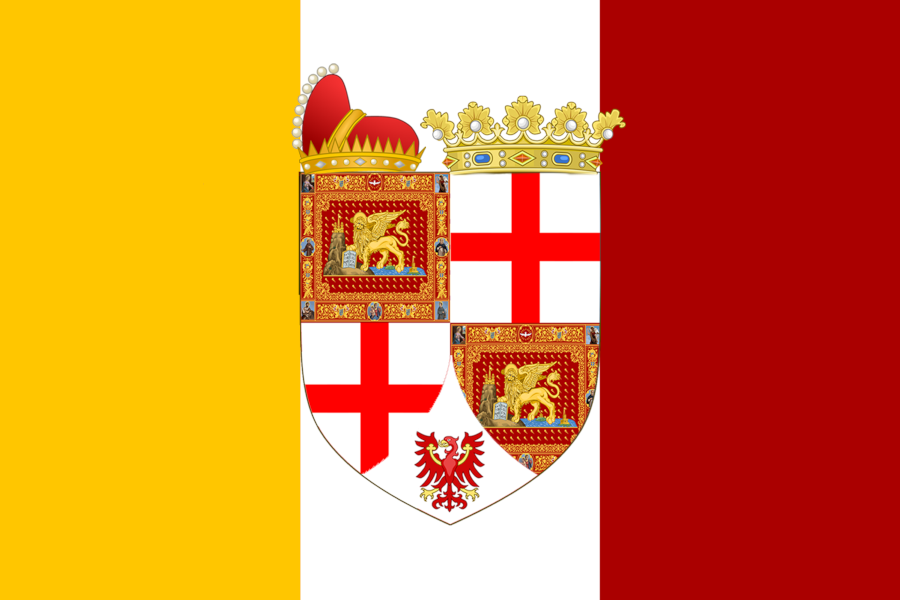 伦巴底-威尼西亚
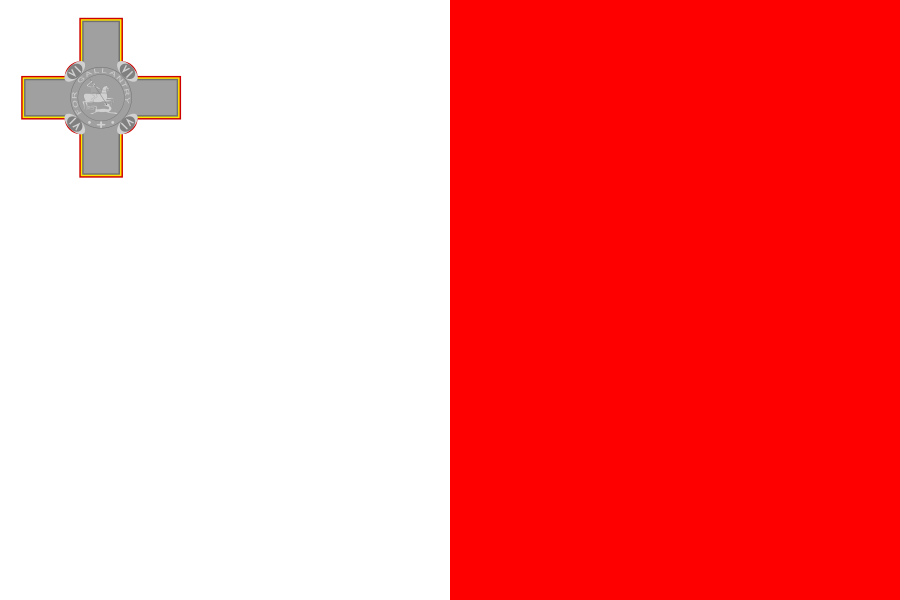 Malta
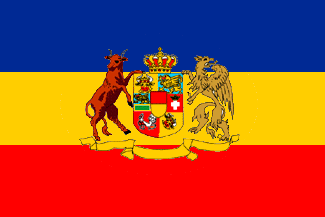 梅克伦堡
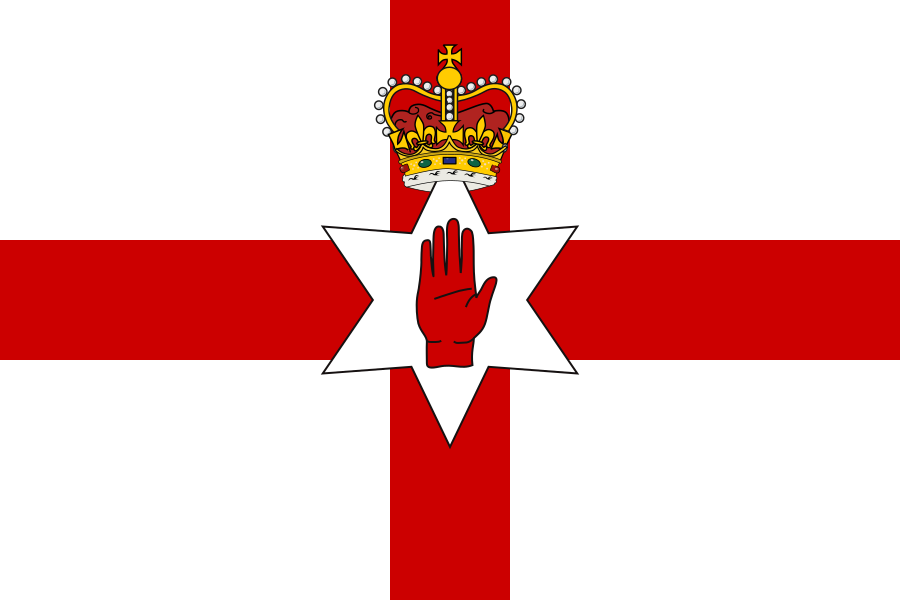 北爱尔兰
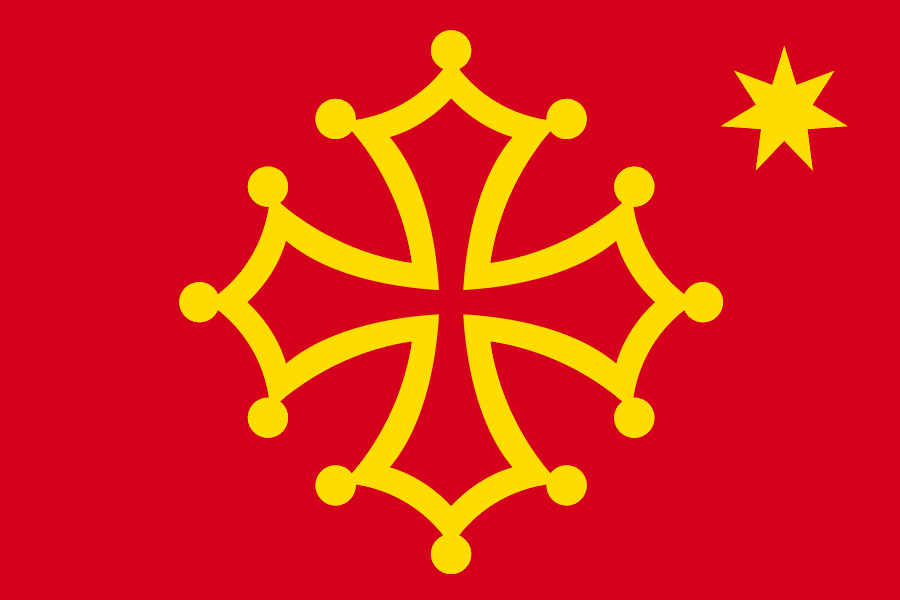 奥克西塔尼亚
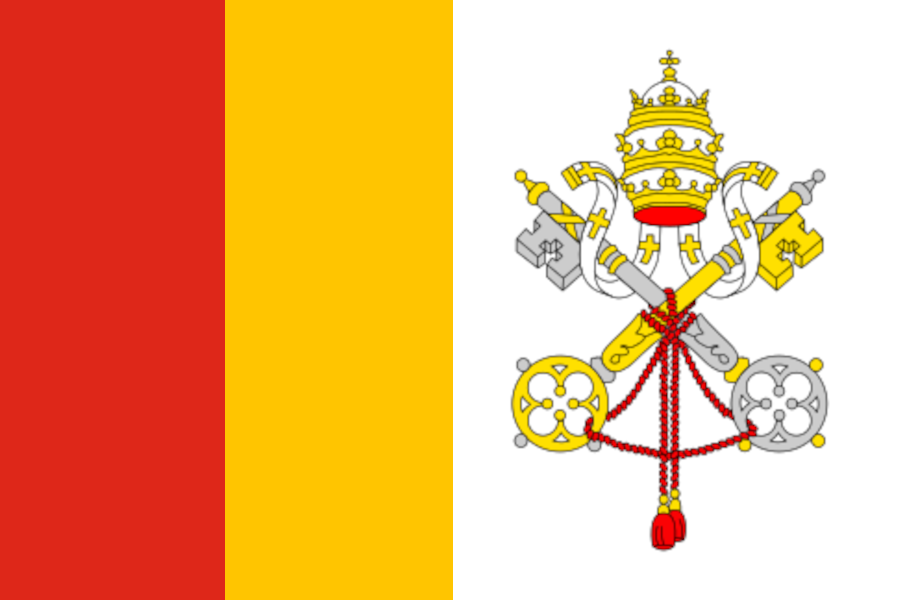 教宗国
 Prussia
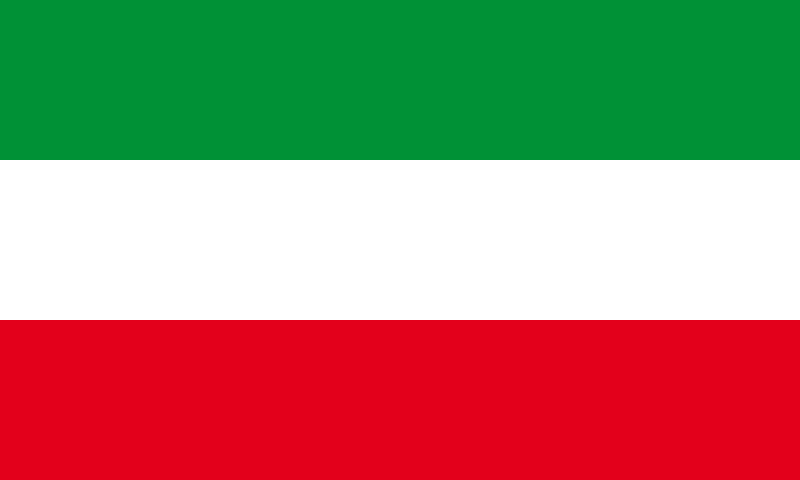 莱茵共和国
 萨普米
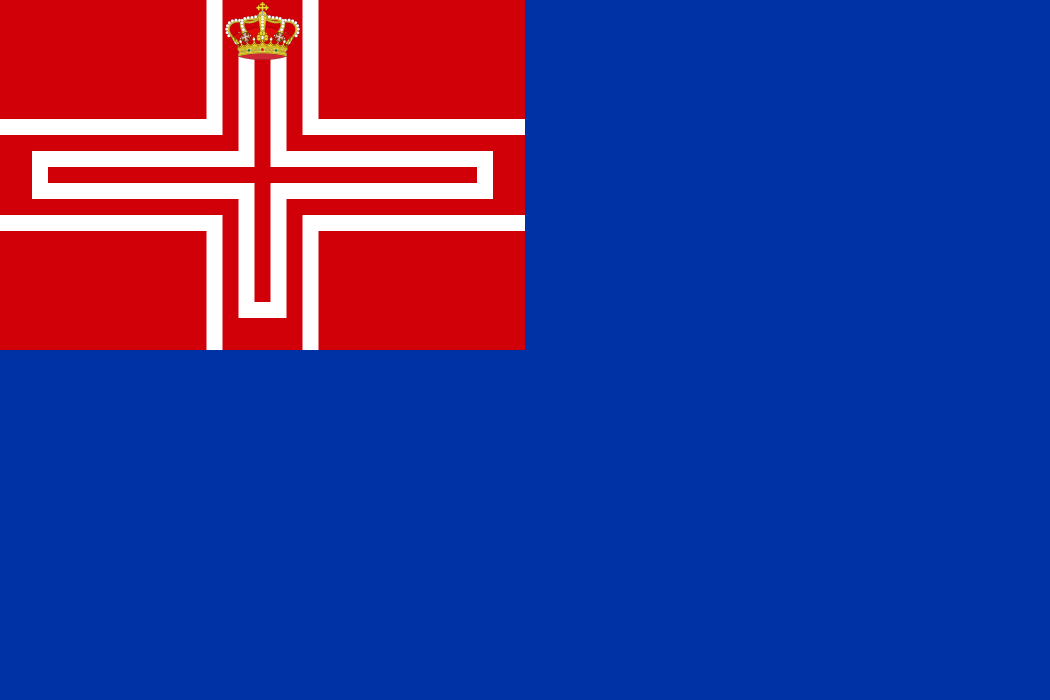 Sardinia-Piedmont
 Saxony
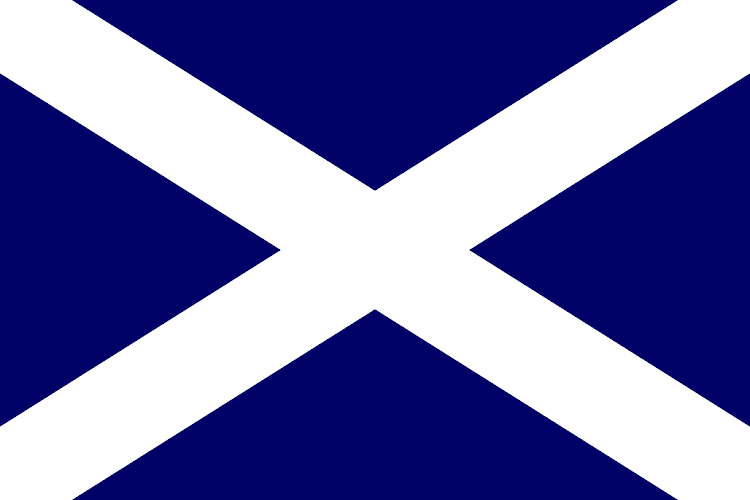 苏格兰
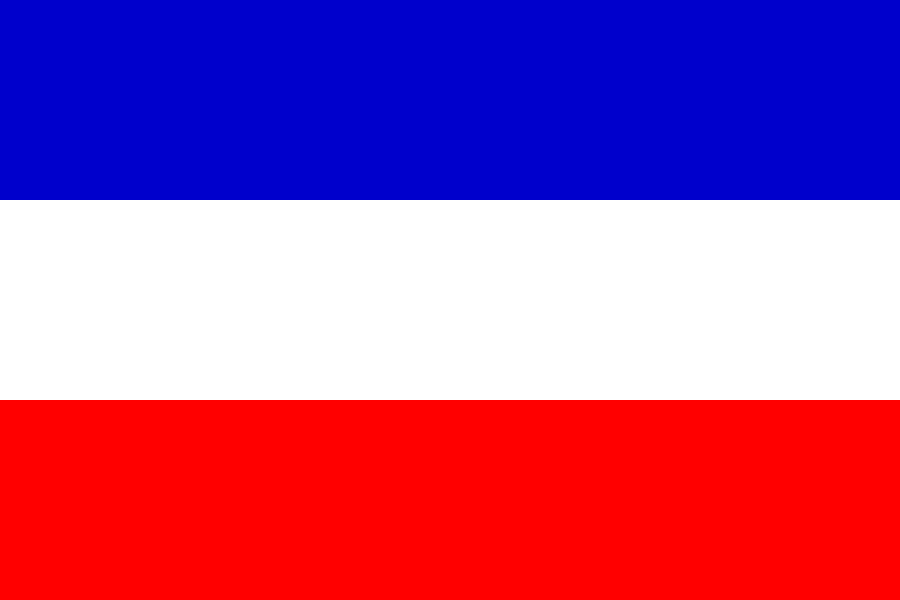 石勒苏益格-荷尔斯泰因
 Thuringia
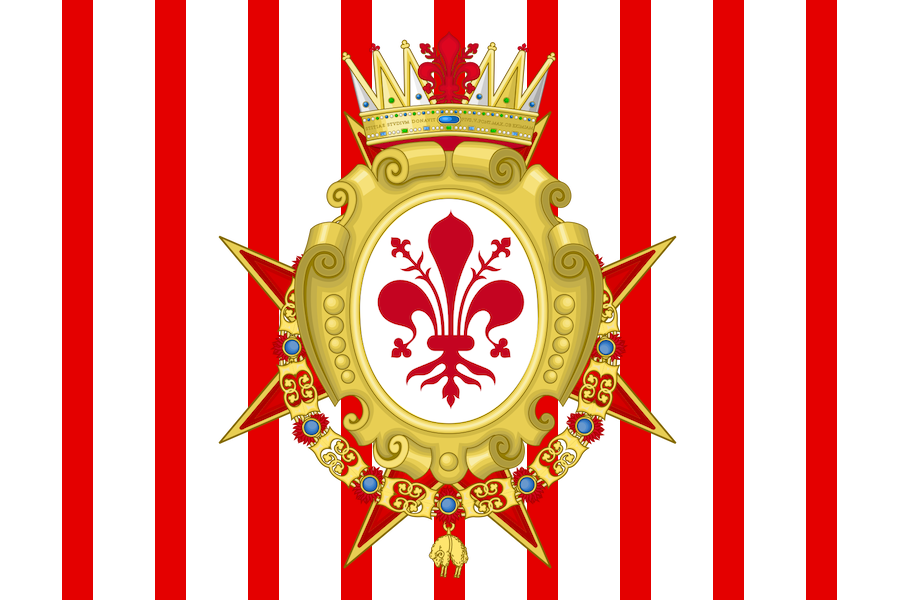 Tuscany
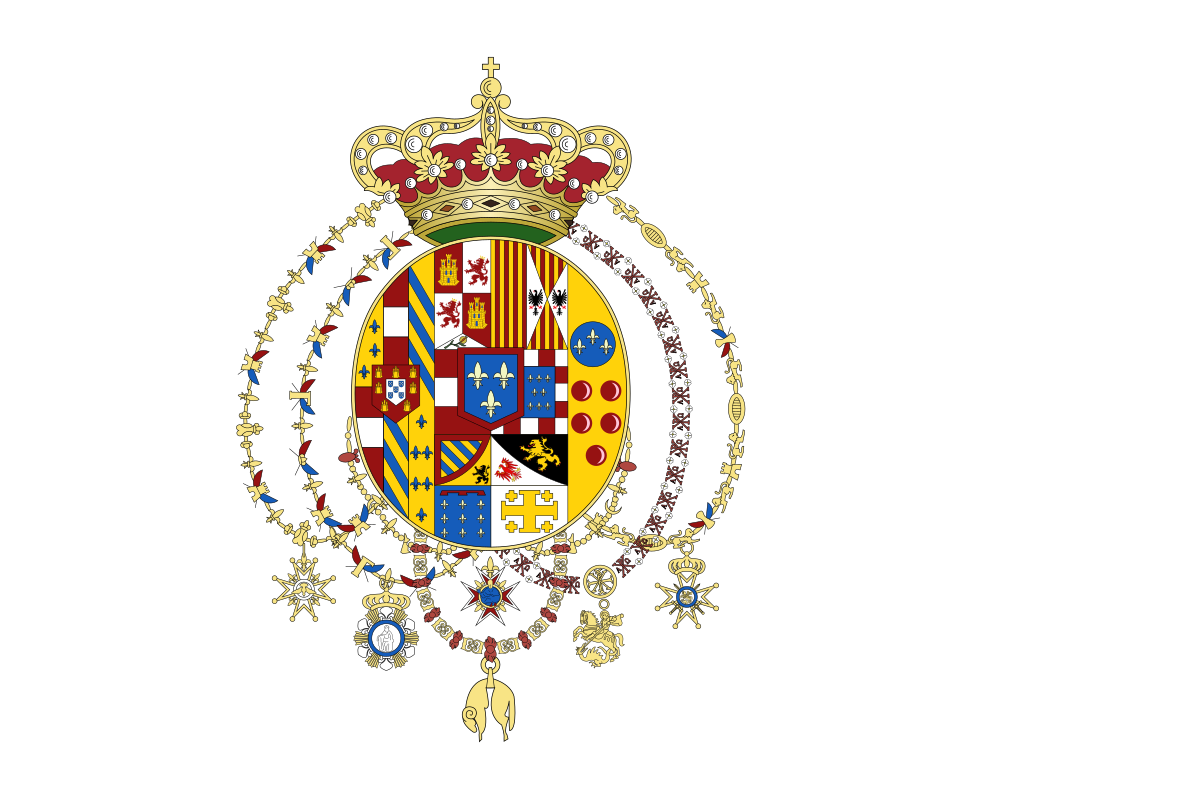 两西西里
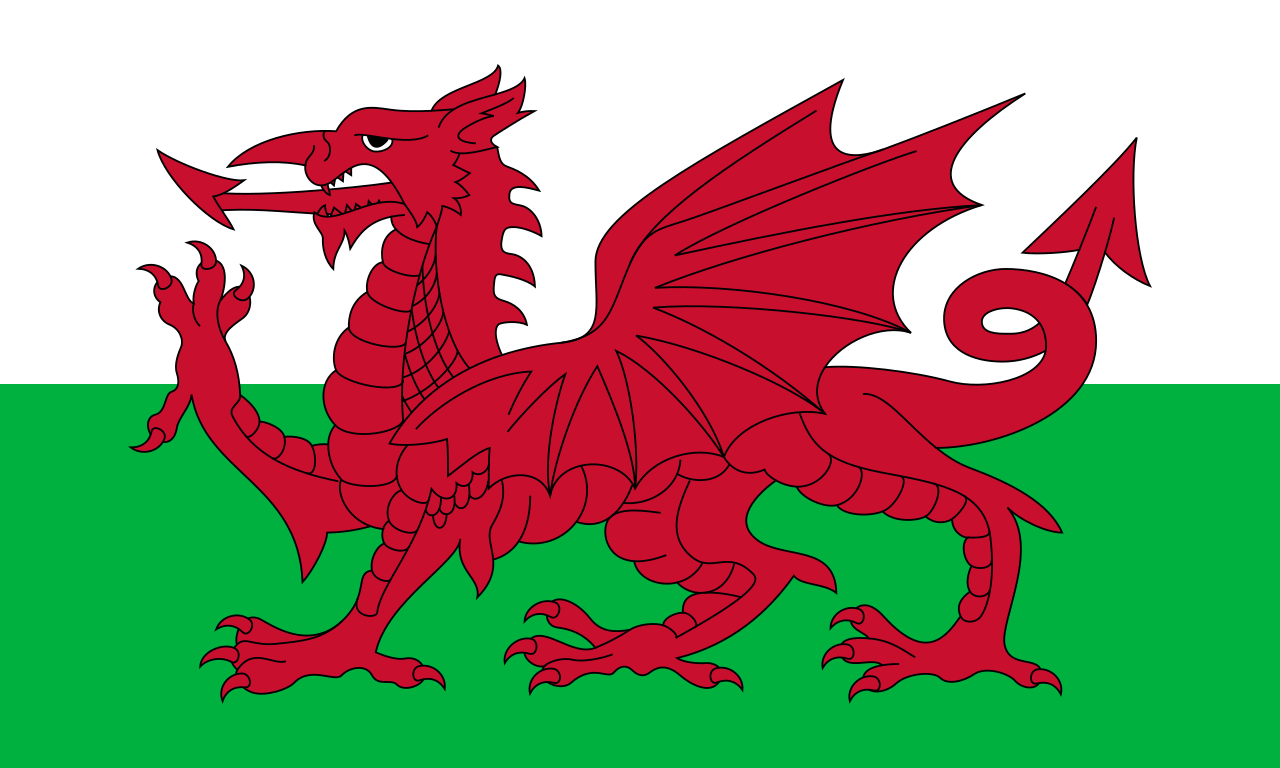 威尔士
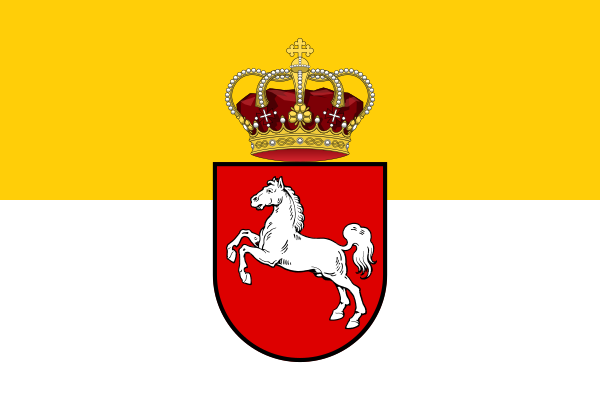 威斯特法伦
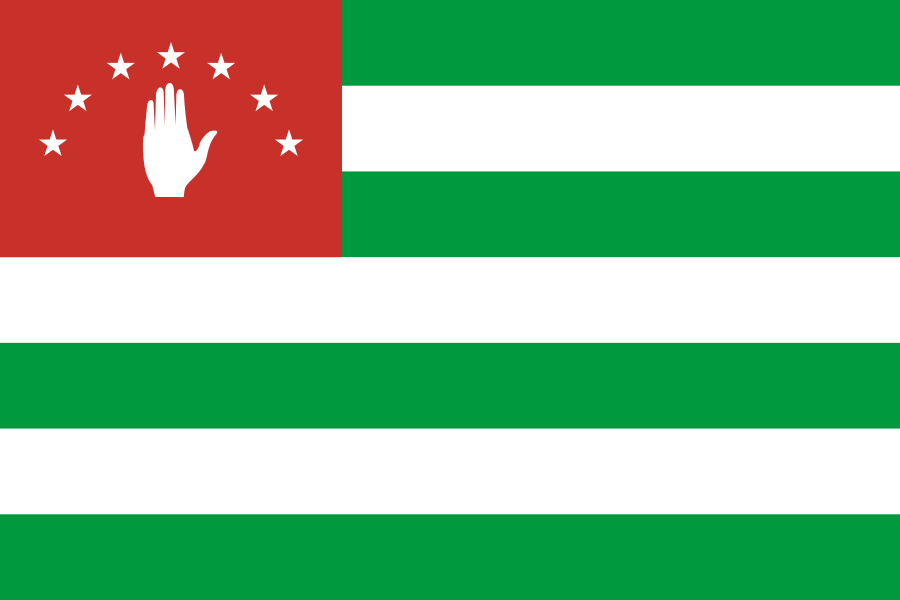 阿布哈兹
 Bashkortostan
 白俄罗斯
 Chechnya-Ingushetia
 楚瓦什
 Crimea
 Dagestan
 Kabardino-Balkaria
 Kalmykia
 卡累利阿
 Komi
 马里埃尔
 涅涅茨
 北奥塞梯-阿兰
 Tatarstan
 乌德穆尔特
 乌克兰
 伏尔加德意志