| 陆军科技 | 海军科技 | 空军科技 | 电子与工业 |
|---|---|---|---|
|
|
没有
|
「无」 |
| 陆军学说 | 海军学说 | 空军学说 |
|---|---|---|
|
「无」 |
「无」 |
「无」 |
原页面:Estonia
 爱沙尼亚 is a minor country in Northern Europe with a population of 1.1 M. Located on the coast of the Baltic Sea, it borders
 拉脱维亚 to the south, and the
 苏联 to the east.
As the Russian civil war broke out in November 1917, the Bolsheviks, who had taken over the official government, signed the Brest-Litovsk Treaty, in which they agreed to have a ceasefire with the Germans and ceded parts of western Russia to the advancing German troops. Estonia declared its independence by February 1918. The withdrawal of forces in western Russia after the German surrender in 1918, allowed the Bolsheviks to advance through heading west. Allied forces, in hope of ensuring the independence of Estonia, and hoping to stop the communist advance to the Baltic states, allowed the deployment of the German Freikorps, German anti-communist paramilitaries. The war for independence lasted 14 months and ended with the failure of Red Army troops to conquer the Baltic states and the forced withdrawal of Freikorps from Estonia.
The independence of Estonia lasted for about 20 years. Soviet interests on conquering the region began to increase approaching World War II, and its fate would be decided by the Ribbentrop-Molotov pact, in which Estonia and other Baltic states (among other states and regions) would be included in the Soviet sphere of influence. Estonia was initially forced to allow the Soviets to establish military bases on its territory and was fully occupied by the Soviet Union in 1940, this occupation was briefly interrupted by Operation Barbarossa when Germany occupied the area, reorganizing the Baltic States into the "Reichskommisariat Ostland". The area was re-occupied by the Soviet Union in 1944 and Estonia was annexed into the Soviet Union and reorganized into the Estonian SSR. Estonia remained part of the Soviet Union until 1991 when it declared itself independent during the collapse of the Soviet Union.
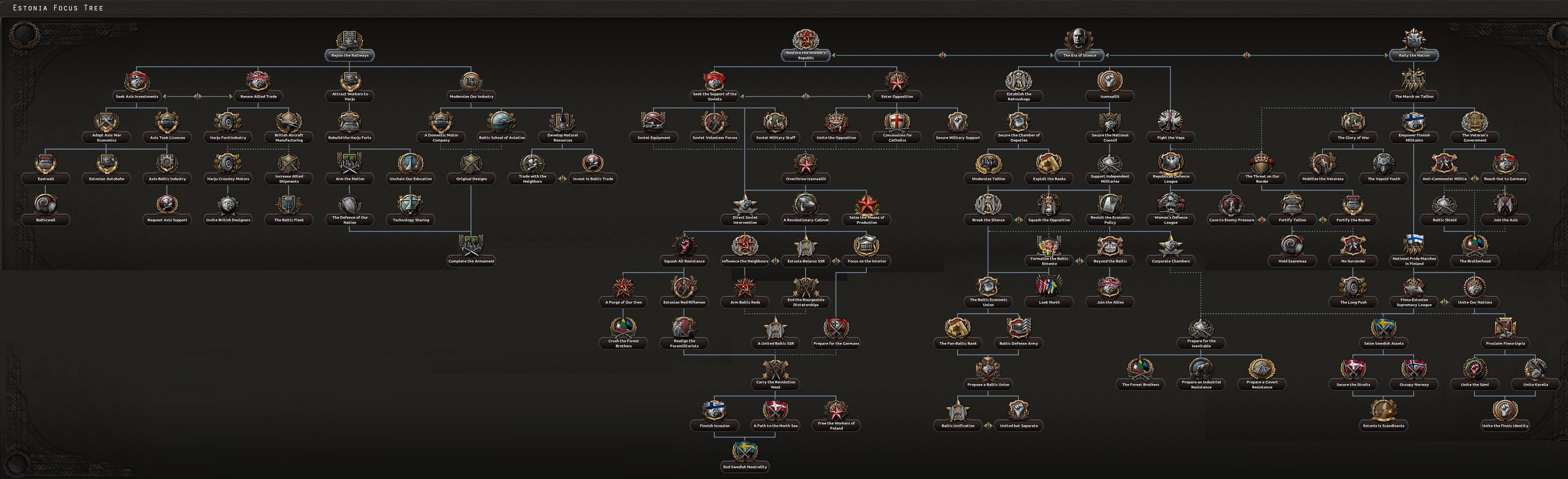
爱沙尼亚, along with the other Baltic States, gets a unique national focus tree as part of the  一步不退 expansion. Without the expansion, Estonia utilizes the 通用国策树.
The Estonian national focus tree can be divided into 4 branches and 3 sub-branches:
 法西斯主义 or
 民主主义 major.
 共产主义 and either become a 苏联 puppet or independent. It also allows expansion to the other Baltic states and Scandinavia.民主主义 or to stay
 中立主义. It also removes the Vaps threat and gives the possibility to surrender to an invading nation and become its puppet.民主主义 faction.法西斯主义 branch may trigger a civil war, but it allows Estonia to flip
 芬兰 Fascist and later annexing and gaining cores on it. It allows Estonia to gain war goals against the other Scandinavian nations or the 苏联 and either create the
 北欧联盟 or create the
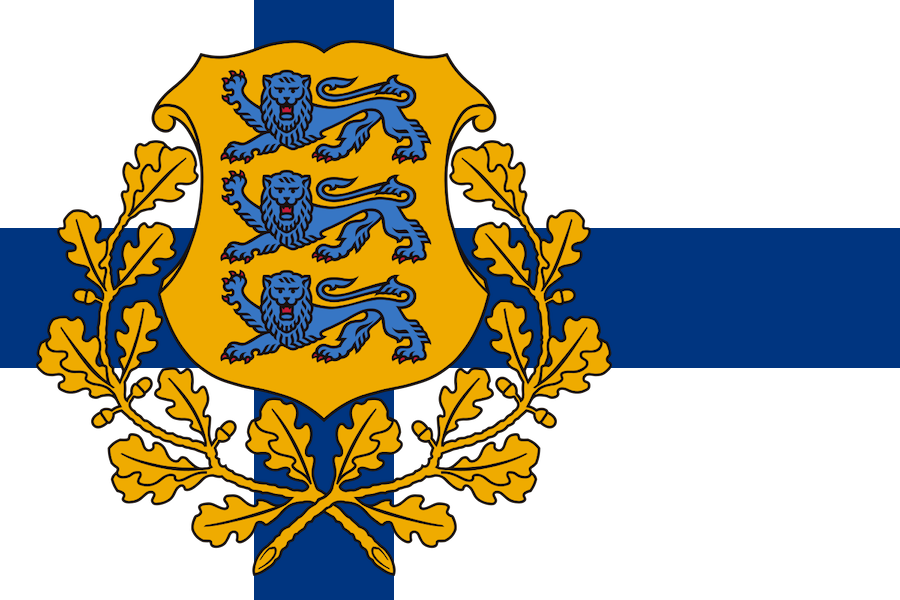 爱沙尼亚-芬兰联盟 and later the
 Empire of Finno-Ugra.
 land forts on border provinces and, depending on which country was chosen as the greater threat, gives attack and defensive bonuses against
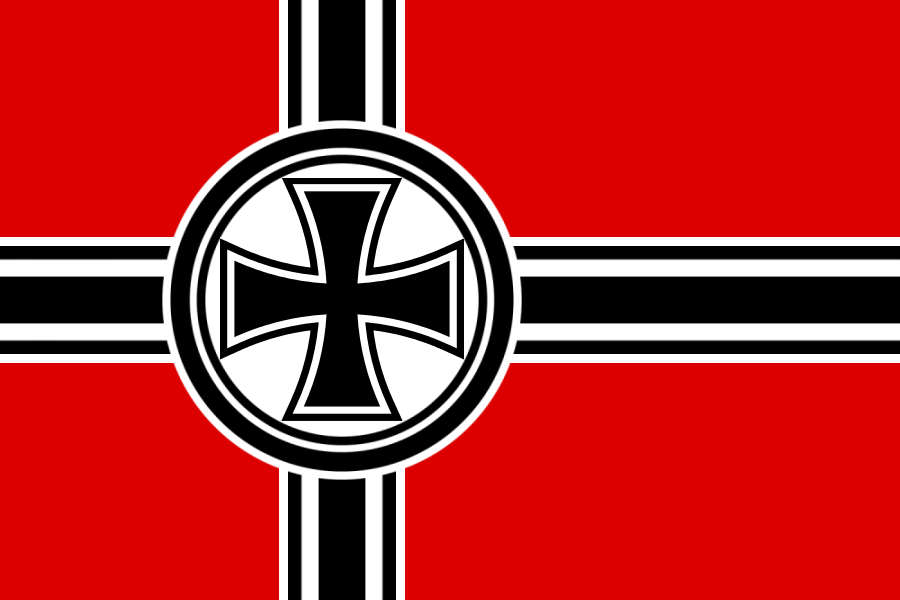 德国 or the 苏联.
With the DLC 一步不退 enabled, Estonia starts with the following 国家精神:
爱沙尼亚开局拥有 3 个可用科研槽;另有 2 个可通过国策树解锁。
| 陆军科技 | 海军科技 | 空军科技 | 电子与工业 |
|---|---|---|---|
|
|
没有
|
「无」 |
| 陆军学说 | 海军学说 | 空军学说 |
|---|---|---|
|
「无」 |
「无」 |
「无」 |
| 陆军科技 | 海军科技 | 空军科技 | 电子与工业 |
|---|---|---|---|
|
|
没有
|
|
| 陆军学说 | 海军学说 | 空军学说 |
|---|---|---|
|
|
|
爱沙尼亚 的装备没有任何独特外观名称。
爱沙尼亚拥有 5 个州。
| 州 | 城市 | 
|
地形(省份数) | 区域 | 
|
|---|---|---|---|---|---|
| 哈尔尤 | Tallinn | 5 |  森林 (3)  城市 (1) |
城市区 | 275,220 |
| 派尔努 | 派尔努 | 1 | 森林 (5) 平原 (1) |
乡村区 | 423,070 |
| 萨列马 | Kuressaare | 1 | 森林 (2)
|
小岛 | 32,370 |
| Tartu | Tartu Võru |
1 1 |
森林 (5)
|
乡村区 | 225,840 |
| 维鲁马 | Narva Rakvere |
1 1 |
森林 (5) 湖泊 (1)平原 (1) |
乡村区 | 150,560 |
爱沙尼亚 is able to form the  波罗的海联邦.
| 政党 | 意识形态 | 支持率 | 党派领袖 | 国名 | 是否执政? |
|---|---|---|---|---|---|
| Rahvuslik Keskerakond (RKE) | 民主主义 |
20% | 扬·滕尼松 | 爱沙尼亚共和国 | 
|
| 爱沙尼亚共产党(EKP) | 共产主义 |
5% | 约翰内斯·卡宾 | Estonian People's Republic |
|
| Eesti Vabadussõjalaste Liit (Vapsid) | 法西斯主义 |
15% | 阿图尔·西尔克 | 瓦普斯爱沙尼亚 |
|
| Isamaaliit | 中立主义 |
60% | 康斯坦丁·帕茨 | 爱沙尼亚 | 
|
Note: Estonia has dynamic tag changes for when they are puppeted by Germany.
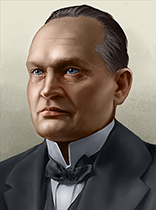
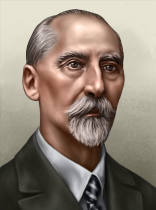
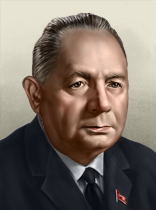
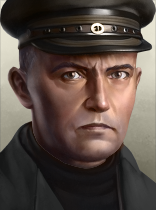
爱沙尼亚 的可能国家领袖。
| 意识形态 | 肖像 | 名称 | 党派 | 特质 | 效果 | 可用 |
|---|---|---|---|---|---|---|
寡头 |
|
康斯坦丁·帕茨 | Isamaaliit | Starting Leader | ||
保守主义 |
|
扬·滕尼松 | 民族中间党(RKE) | can come to power via  打破沉默 | ||
斯大林主义 |
|
约翰内斯·卡宾 | 爱沙尼亚共产党(EKP) | can come to power via  推翻祖国联盟 if the focus 加入反对派 hasn't been taken | ||
马克思主义 |
|
扬·安韦尔特 | 爱沙尼亚共产党(EKP) | Revolutionary |
|
can come to power via 推翻祖国联盟 if the focus 加入反对派 has been taken
|
法西斯主义 |
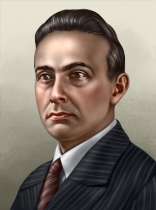
|
阿图尔·西尔克 | 爱沙尼亚自由战士联盟(瓦普斯) | can come to power via  向塔林进军 |
As a non-aligned nation, Estonia has an overall positive opinion towards non-aligned countries, and slightly negative opinion towards democratic, communist and fascist countries.
爱沙尼亚 的部长与军事幕僚。
| 名称 | 特质 | 效果 | 要求 | 花费()
|
|---|---|---|---|---|
| Johannes Käbin | 共产主义革命者 |
|
|
150 |
| Jan Tõnisson | 民主改革者 |
|
|
150 |
| Andres Larka | 法西斯煽动家 |
|
|
150 |
| Boris Kumm | 幕后暗算者 |
|
– | 150 |
| August Rei | 受拥戴的傀儡领袖 |
|
– | 150 |
| August Jakobson | 革命诗人 |
|
150 | |
| Jüri Uluots | 工业巨头 | – | 150 | |
| Viktor Puskar | Veteran Anti-Bolshevik |
|
150 | |
| Voldemar Voolman | Socialist Justice |
|
|
150 |
| Henrik Allik | 爱国社会主义者 |
|
|
150 |
| Johan Pitka | Vapsid Economist |
|
|
150 |
| Hjalmar Mäe | Vapsid Economist |
|
|
150 |
| 名称 | 特质 | 效果 | 要求 | 花费()
|
|---|---|---|---|---|
| 尤汉·图林 | 军事理论家 |
|
– | 100 |
| 亚历克斯·尼克 | 海军理论家 |
|
– | 100 |
| 名称 | 特质 | 效果 | 要求 | 花费()
|
|---|---|---|---|---|
| Johan Laidoner | 陆军操练(专家) |
|
– | 100 |
| Alfons Rebane | 陆军士气(专家) |
|
– | 100 |
| 名称 | 特质 | 效果 | 要求 | 花费()
|
|---|---|---|---|---|
| Oskar Eiriksson | 海军改革者(专家) | – | 100 | |
| Alfred Vendt | 海军机动(专家) |
|
– | 100 |
| 名称 | 特质 | 效果 | 要求 | 花费()
|
|---|---|---|---|---|
| Richard Tomberg | 全天候(专家) |
|
– | 100 |
| Leo Sepp | 地面支援(专家) |
|
– | 100 |
| 名称 | 特质 | 效果 | 要求 | 花费()
|
|---|---|---|---|---|
| Aleksander Jaakson | 火炮(专家) |
|
– | 100 |
| Richard Veermaa | 骑兵(专家) |
|
– | 100 |
| Nikolay G. Karotamm | 步兵(专家) |
|
– | 100 |
| Voldemar Mere | 舰队后勤(专家) |
|
– | 100 |
| 肖像 | 名称 |  技能 |
 攻击 |
 防御 |
 计划 |
 后勤 |
特质 | 要求 |
|---|---|---|---|---|---|---|---|---|
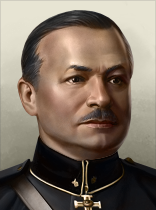
|
Andres Larka | 3 | 2 | 3 | 2 | 3 |  老卫队 |
|
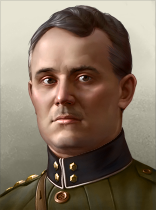
|
Johan Laidoner | 3 | 2 | 2 | 4 | 2 | 老卫队
|
| 肖像 | 名称 | 技能 |
攻击 |
防御 |
计划 |
后勤 |
特质 | 要求 |
|---|---|---|---|---|---|---|---|---|
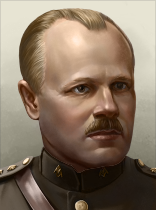
|
Alexander Jaakson | 3 | 2 | 3 | 4 | 3 |  步兵军官  Veteran Anti-Bolshevik |
|
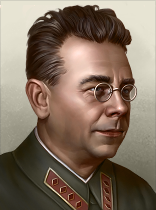
|
August Kork | 3 | 4 | 4 | 3 | 3 |  Communist Sympathizer |
|
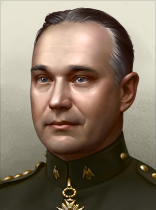
|
Herbert Brede | 2 | 2 | 2 | 1 | 1 | 老卫队
|
|
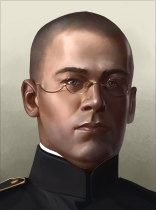
|
Jakob Palvadre | 3 | 3 | 4 | 3 | 3 | 步兵军官 Communist Sympathizer
|
|
|
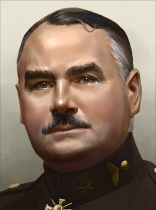
Otto Heinze | 1 | 2 | 2 | 2 | 1 | Veteran Anti-Bolshevik
|
| 标志 | 名称 | 类型 | 效果 | 要求 | 花费()
|
|---|---|---|---|---|---|

|
工业连 | 工业财团 | – | 150 | |

|
电子连 | 电子学财团 |
|
– | 150 |
爱沙尼亚 的设计公司。
| 标志 | 名称 | 类型 | 效果 | 要求 | 花费()
|
|---|---|---|---|---|---|

|
装甲连 | 坦克设计商 |
选择此设计公司后,只要它仍在受雇,就会永久影响其受雇期间研究的所有装备的性能。 |
– | 150 |
| 标志 | 名称 | 类型 | 效果 | 要求 | 花费()
|
DLC |
|---|---|---|---|---|---|---|

|
帕尔迪斯基港 | 舰船设计商 |
选择此设计公司后,只要它仍在受雇,就会永久影响其受雇期间研究的所有装备的性能。 |
|
150 |
| 标志 | 名称 | 类型 | 效果 | 要求 | 花费()
|
DLC |
|---|---|---|---|---|---|---|

|
皇家空军 | 中型飞机设计商 |
选择此设计公司后,只要它仍在受雇,就会永久影响其受雇期间研究的所有装备的性能。 |
|
150 |
|

|
轻型航空连 | 轻型飞机设计商 |
选择此设计公司后,只要它仍在受雇,就会永久影响其受雇期间研究的所有装备的性能。 |
|
150 | |

|
重型航空连 | 重型飞机设计商 |
选择此设计公司后,只要它仍在受雇,就会永久影响其受雇期间研究的所有装备的性能。 |
|
150 | |

|
海军空军连 | 海军飞机设计商 |
选择此设计公司后,只要它仍在受雇,就会永久影响其受雇期间研究的所有装备的性能。 |
|
150 |
| 标志 | 名称 | 类型 | 效果 | 要求 | 花费()
|
DLC |
|---|---|---|---|---|---|---|

|
福特汽车公司 | 摩托化装备设计商 |
|
75 |
| |

|
RSAF Enfield | 步兵装备设计商 |
|
75 |
| |

|
Royal Arsenal | 火炮设计商 |
|
75 |
| |

|
Arsenal Tallinn | 步兵装备设计商 |
|
|
150 |
爱沙尼亚 可使用这些军工产业组织。
| ||||||||||||||||||||||||||||||||||||||||||||||||||||||||||||||
| ||||||||||||||||||||||||||||||||||||||||||||||||||||||||||||||||||
| ||||||||||||||||||||||||||||||||||||||||||||||||||||||||||||||||||||||||||||||||||||||||||||||||||||||||||||||||||||||||||||||||||||||||||||
| ||||||||||||||||||||||||||||||||||||||||||||||||||||||||||||||||||||||||||||||||||||||||||||||||||||||||||||||||||||||||||||||||||||||||||||||||||||||||||||||||||||||||||||||||||||||||||||||||||||||||||||||||||||||||||||||||||||||||||||||||||||||||||||||||||||||||||||||||||||||||||||||||||||||||||||||||||||||||||||||||||||||||||||||||||||||||||
| 征兵法案 | 贸易法案 | 经济法令 |
|---|---|---|
 有限征兵
|
 出口导向
|
 民用经济
|
 年份 |
 军用工厂 |
 海军船坞 |
 民用工厂 |
 建筑槽位 |
|---|---|---|---|---|
| 1936 | 2 | 0 | 4 (-2) | 13 |
*红色 中的数字表示生产消费品所需的民用工厂数量,依据经济法案以及军用与民用工厂总数向上取整。
年份 |
 石油 |
 铝 |
 橡胶 |
 钨 |
 钢铁 |
 铬 |
 煤 |
|---|---|---|---|---|---|---|---|
| 1936 | 0 | 0 | 0 | 0 | 3 (-1) | 0 | 0 |
*这些数字表示游戏开始一小时后可用的资源量。红色 中的数字表示因贸易法案而留作出口的资源量。
| 类型 | # 1936 | # 1939 | |
|---|---|---|---|
 |
步兵 | 3 | |
 |
骑兵 | 6 | 0 |
 |
师总数 | 9 | 3 |
 |
已用人力 | 24.54K | 19.50K |
| 师 | 名称列表 | # 1936 | # 1939 | 支援连 | 战斗营 |
|---|---|---|---|---|---|
 Jalaväediviisi* |
步兵师 | 3 | 0 | 6x
| |
| Jalaväediviisi^ |
步兵师 | 0 | 3 |  |
6x
|
| Ratsavägi* |
步兵师 | 6 | 0 | 4x 
| |
| * 标记的是在 1939 年开局中被移除的师。 ^ 标记仅存在于 1939 年开局中的师。 | |||||
| 类型 | # 1936 | # 1939 | |
|---|---|---|---|
 |
潜艇 | 0 | 2 |
 |
运输船队 | 5 | |
 |
舰船总数 | 0 | 2 |
|
已用人力 | 0 | 400 |
| 类型 | Class | Hull | 发动机 | # 1936 |  1936 |
# 1939 | 1939 |
设计说明 |
|---|---|---|---|---|---|---|---|---|
| SS | Kalev^ | 基础潜艇 | 潜艇 I | 2 | 鱼雷发射管 I、布雷管 | |||
| ^ 标记表示该变体仅在 1939 年开局时可用。 舰种术语:
| ||||||||
| 类型 |  1936 |
 1936 |
1939 |
1939
| |
|---|---|---|---|---|---|
 |
战斗机 | 18 | 18 | ||
 |
飞机总数 | 18 | 18 | 18 | 18 |
|
已用人力 | 360 | 360 | 360 | 360 |
 以下是one of many玩家为爱沙尼亚建议的战略。请记住,由于游戏的动态特性,其他玩家的情况可能会有所不同。
Estonia is one of the most difficult minor nations to play, as it is a target of the Soviet Union that will eventually annex them. This makes Estonia's position very precarious, as it cannot fight either power on its own. Since the USSR is by far the greatest threat to its survival, Estonia must seek to ally itself with either the Axis or the Allies until it can stand on its own two feet.
The path that will follow down to the fascist focus for Estonia. An ambition that goes beyond the Baltics and seeks to unify the Finno Ungrian people under one banner. To start initially, this requires to decision decide every core that has a March on Tallinn completed focus to generate more support for the fascist alignment. It should be made sure that fascist support should go majorly perhaps beyond 83% to secure almost all support on the core states, as the Isamaaliit(non aligned party) will declare a civil war. It should be easy, as it requires to pin down the rest of the troops and go for the undefended capital. Estonia surely lacks in manpower at this point, and it is best advised to complete "The Glory of War" focuses and its rest to generate a decent amount to fill the ranks and have some more in the reserves.
Finland is another nation that the Soviets have a target on too. Although, it is wider and possesses more population, industry and armed forces compared to Estonia, its forces pale in comparison with its neighbours. It is best to utilize the Finnish Militants to march throughout the Finnish cores via decision if Estonia completes "National Pride Marches in Finland". Finland with and without focus tree will subsequently accept annexation following with the "Unite Our Nations" Focus and decisions done. If otherwise, again like with the initial moments of the Tallinn marches, Finland should have a major fascist support in order to make its annexation as swift and easy for the civil war.
What follows next is to unify the Baltics under Estonia. "The Brotherhood" national focus grants annexation goals that favor more than the justification. Latvia being the first to border, possesses 2 submarines that, if it is conquered quickly, can be used as the first gain of a Naval force, albeit a tiny one of that. Including the former Finnish navy, it adds a slight strength to Estonia. Conquering Latvia and Lithuania is maneuverable so it requires to take their capital and the rest of the cities while pinning their troops. In the aftermath of their annexation, form the Baltic Unitary State, which will finally core the rest of the Baltic cores under the Estonian control, including Memel and Vilnius which are controlled by Poland or Germany. The cherry on top is the "Proclaim Finno-Ugria" focus, which allows the nation to be called Estonia-Finland League, gaining cores on all Finland.
Before heading prematurely to war, a bit of attention should be given on industry, improving supply lines and raising a proper army to make further conquests upon Scandinavia. Some of them may appear weak on paper, but the terrain, supply lines and a possible surprise attack or naval invasion can change the course of action, and turn it in their favor. Put some infantry units in the mainland Baltic states, in order to avoid a quick and humiliating capitulation. And at the same time, add strength on the invading force reserved for Sweden and Norway, especially.
Sweden possesses a decent force, well equipped and can provide itself a solid defense in the harsh terrain. But that wont seem impossible to break through their defenses. Pin most of their troops and let one unit or two to maneuver throughout its territories, and cut them off from supply and rush down to their capital, and soon or later to their last standing core state. Annex them and take the navy. Invading Norway next poses a risk, as it is guaranteed by France and the United Kingdom. The remaining choice is to join the Axis, to prepare for an inevitable war with the Soviets, as they will demand Karjala, and standing against them without the German help will seem difficult.
The war with the Soviets will certainly guarantee a large bloodshed, and this means that the manpower will be grinded to dust, trying to defend your soil. Taking Superior Firepower Doctrine will be necessary to be used in this theatre. With Germany on your side, it will help with the heavy lifting, and it will bring the rest of the Axis to help with the campaign. And it will secure the Estonian-Finnish frontlines too, albeit giving more attacks from the flanks other than the German frontline. As the rest of the Axis are doing the work, it is best to built supply lines and hubs extensively to improve the movement and general performance of the advancing Axis army. Push and gain as much victory points from the Soviet, slowly assisting the rest of the Axis to finish the Soviet Union entirely. As they capitulate, take the necessary states to form Finno-Ugria, and depending on the players actions it can take either the rest of the soviet states and other comintern in their possession or just let the rest of the Axis decide what to do.
Norway is the remaining country with a sizeable Sami core states. Unless it has joined the Allies or has become an Axis puppet state, the chance of uniting the Finno Ugria nation becomes difficult. If Norway is entirely an Axis member, Estonia-Finland will have to leave the Axis and declare war upon Norway. And, with enough compliance (although it may take a while for 60% compliance), it can finally form Finno-Ugria.
This is an alternative if Estonia has already annexed and cored its Baltic neighbors, and has not annexed Finland yet. And the tensions are relatively mild, Scandinavia possesses another way to be subdued and annexed by Estonia itself. Initially starting with Denmark, depending on its national spirit or path, it will surrender or try to resist. Norway is the next target and it isnt guaranteed yet by the allies, and it best as followed to annex or puppet them along with Denmark. Sweden being the last nation, just like with the Swedish Conquest of the first strategy can be invaded this time by utilizing 3 nations to help with the frontlines. Rush down to the capital and puppet them next. Finish up the focus "Estonia is Scandinavia" and with the said puppet nations, they will get annexed and cored by Estonia. And Estonia itself will be known as The Nordic League.


| 西欧 |
|
| 东欧 |
| 西欧 |
|
| 东欧 |  波斯尼亚-黑塞哥维那  克罗地亚  塞浦路斯  黑塞哥维那  卡舒比  科索沃  马其顿  摩尔多瓦  黑山  塞尔维亚  西里西亚  斯洛伐克  斯洛文尼亚  特兰西瓦尼亚 |
| 苏联 |
|
 Restore the Worker's Republic
 Rally the Nation

 稳定度:
 A Revolutionary Cabinet


 The Veteran's Government
 战争支持度:
 Soviet Military Staff


 Harju Ford Industry


 与以下互斥:




 克罗斯利汽车




 匈牙利
 巴登-符腾堡
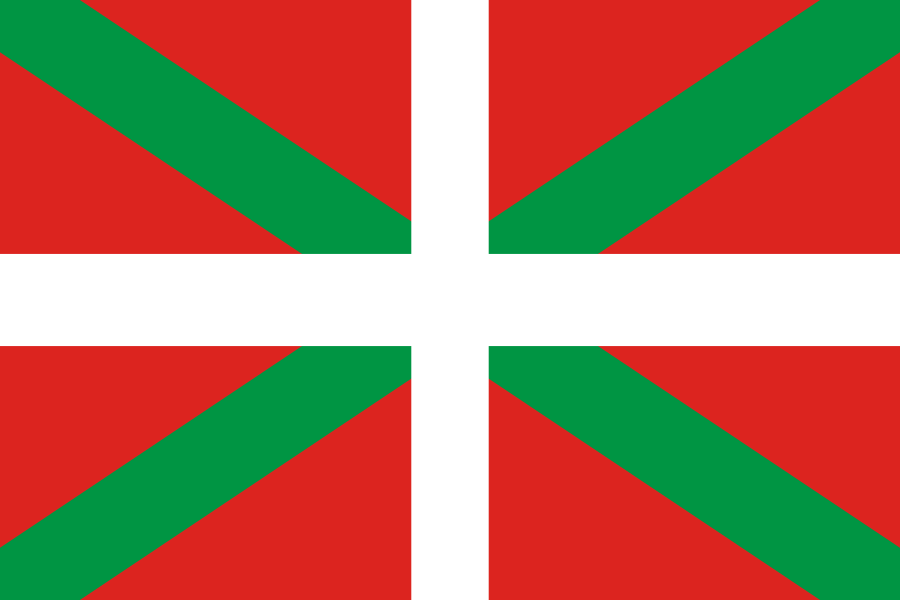 巴斯克地区
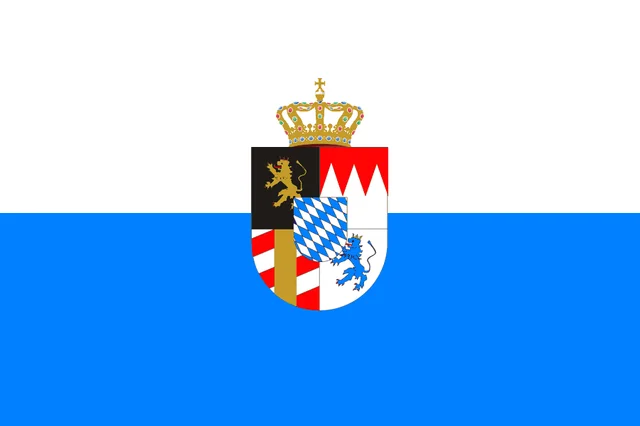 Bavaria
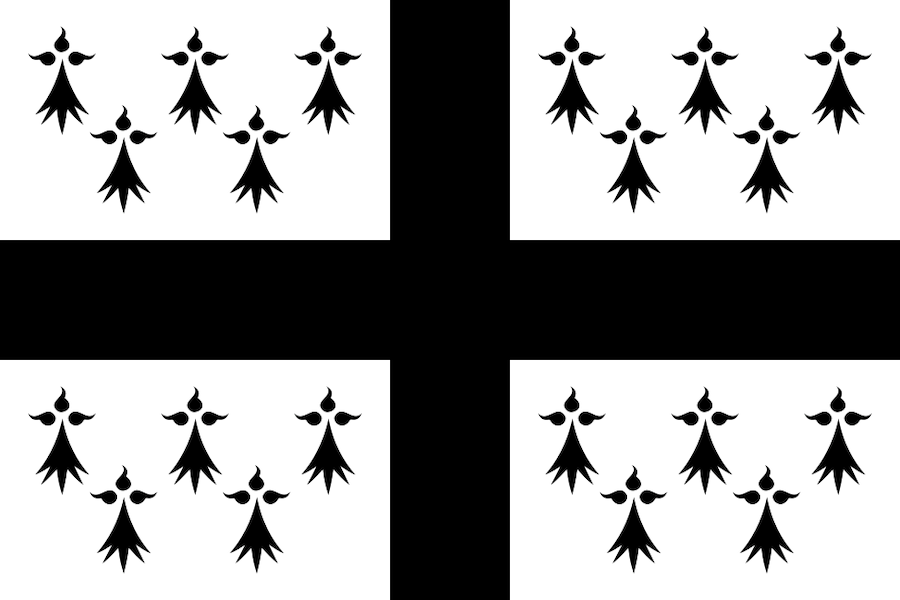 布列塔尼
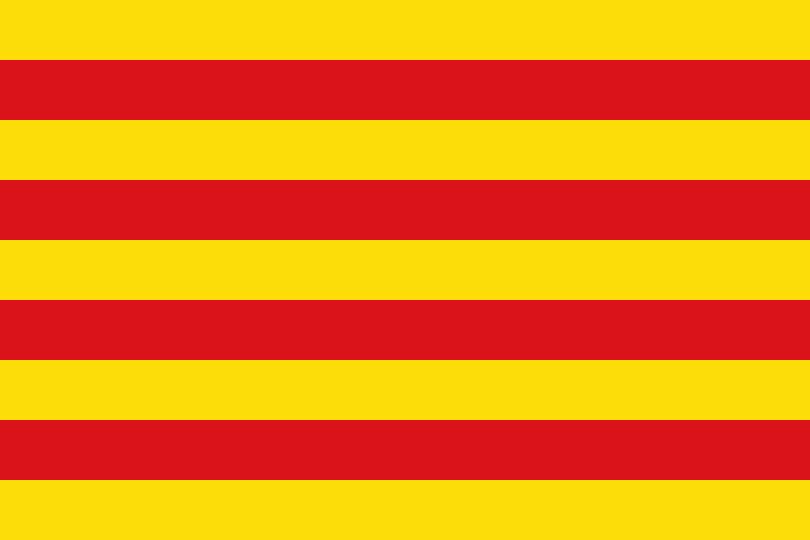 Catalonia
 Corsica
 加利西亚
 Hesse
 伦巴底-威尼西亚
 Malta
 梅克伦堡
 北爱尔兰
 奥克西塔尼亚
 教宗国
 Prussia
 莱茵共和国
 萨普米
 Sardinia-Piedmont
 Saxony
 苏格兰
 石勒苏益格-荷尔斯泰因
 Thuringia
 Tuscany
 两西西里
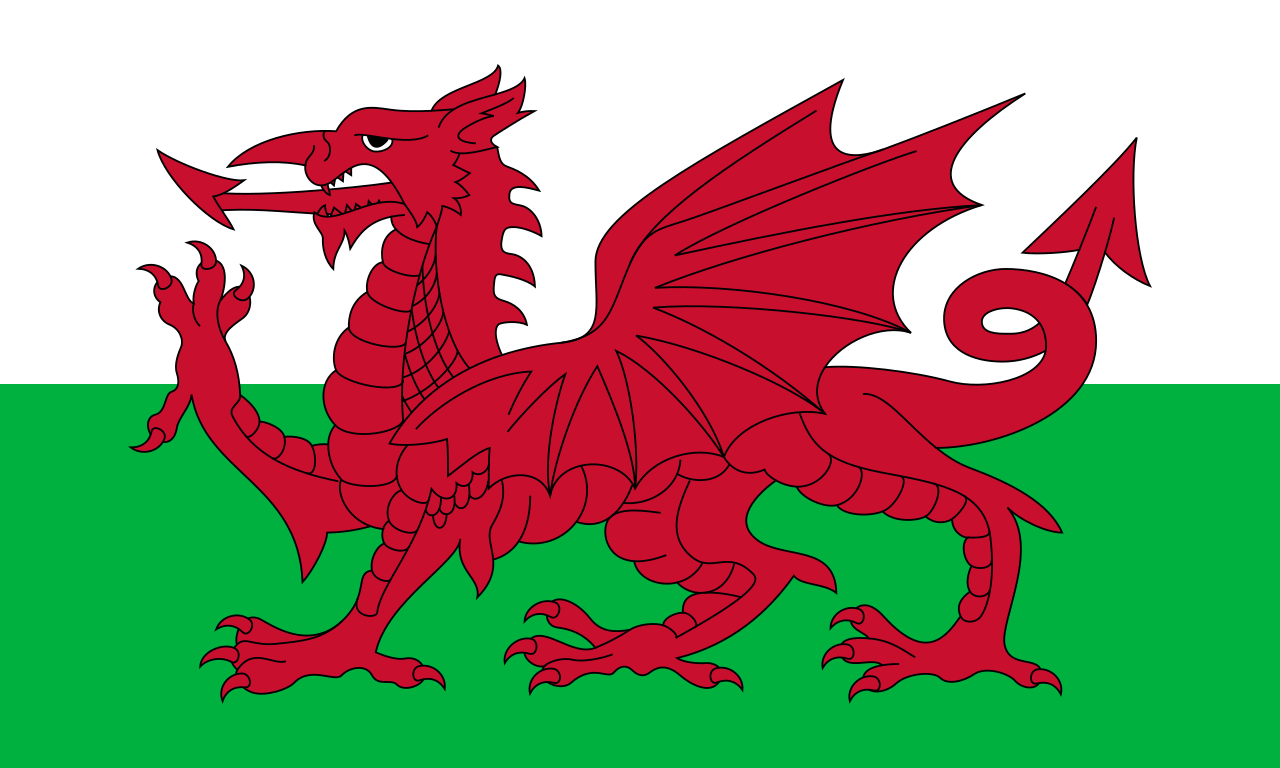 威尔士
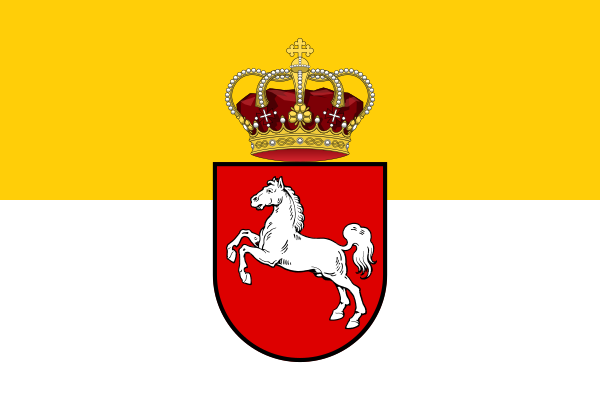 威斯特法伦
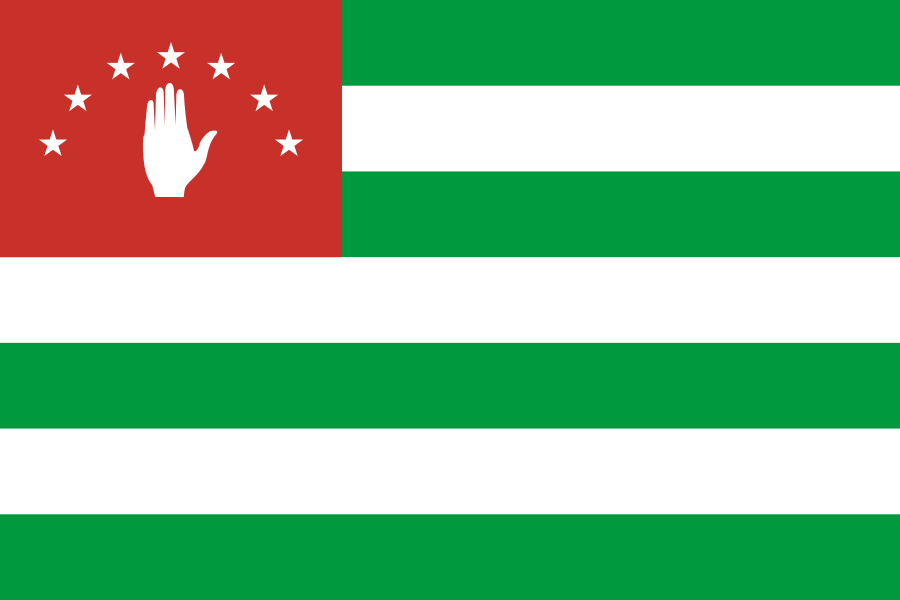 阿布哈兹
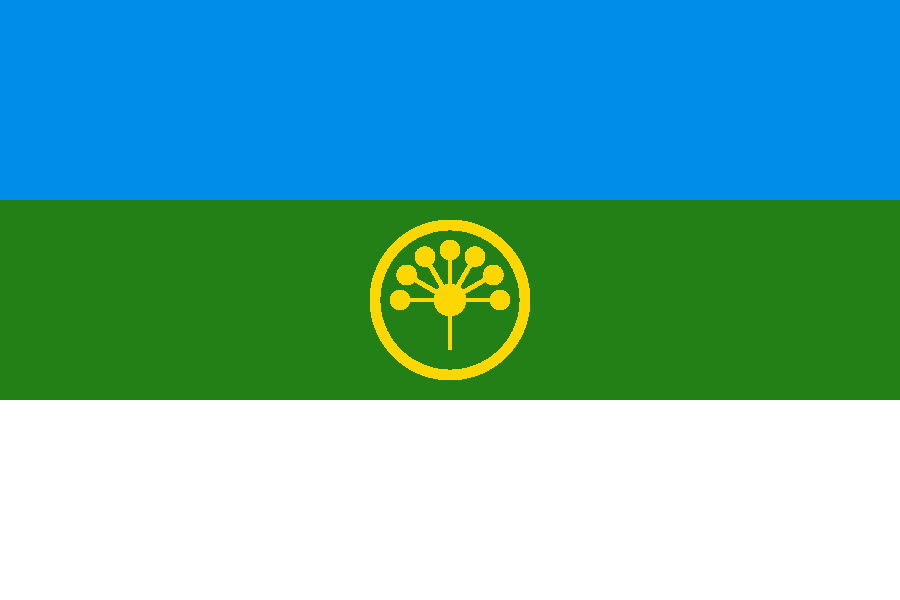 Bashkortostan
 白俄罗斯
 Chechnya-Ingushetia
 楚瓦什
 Crimea
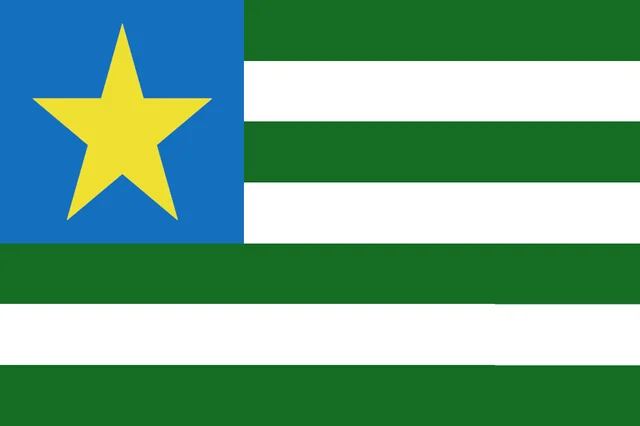 Dagestan
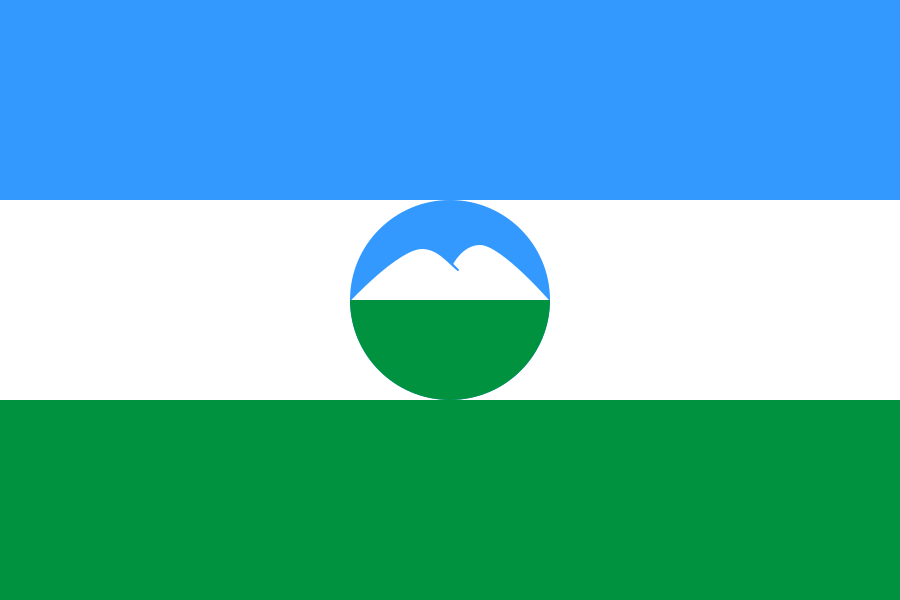 Kabardino-Balkaria
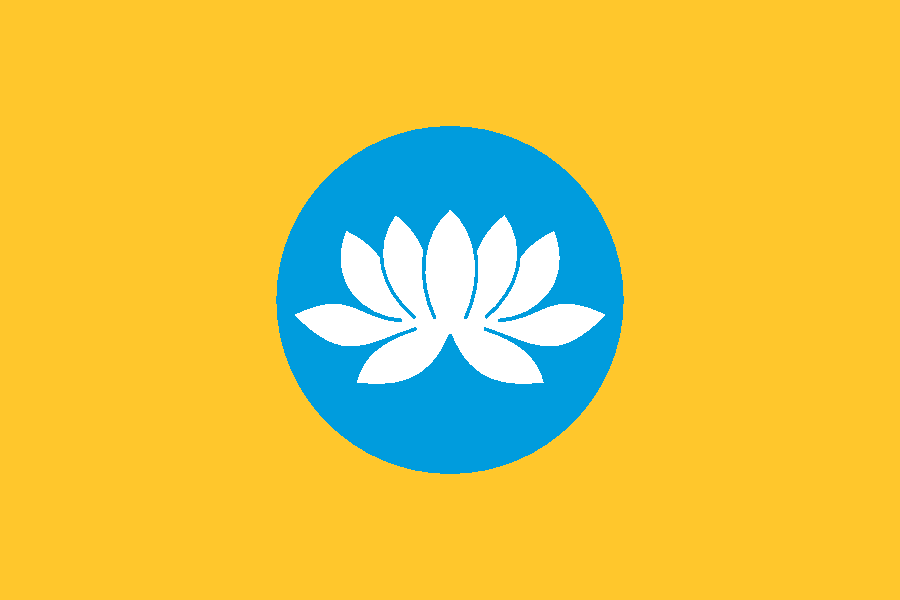 Kalmykia
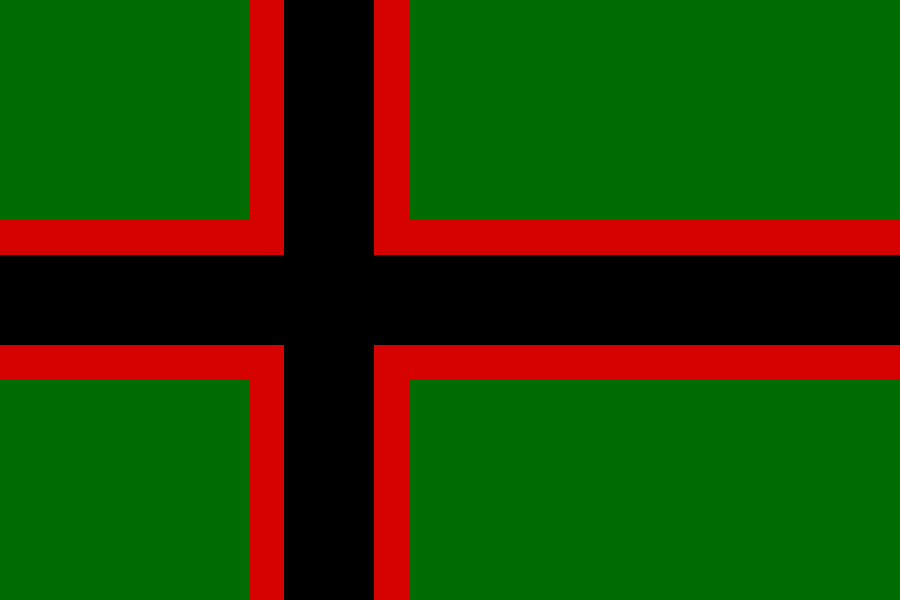 卡累利阿
 Komi
 马里埃尔
 涅涅茨
 北奥塞梯-阿兰
 Tatarstan
 乌德穆尔特
 乌克兰
 伏尔加德意志