| 陆军科技 | 海军科技 | 空军科技 | 电子与工业 |
|---|---|---|---|
无
|
|
没有
|
|
| 陆军学说 | 海军学说 | 空军学说 |
|---|---|---|
|
「无」 |
「无」 |
原页面:Poland
 波兰 is a regional power in Central Europe. They have a population of 31.97 M. It is between two major powers, the
 德意志国 and the
 苏联. It is arguably the 6th strongest country in Europe during World War II. Their leader is Ignacy Moscicki, leader of the Sanacja (Non-Aligned).
Finding themselves in the rather unfortunate position of being caught between 2 superpowers who are coveting their land, Poland has an extremely hard time defending themselves should a war on 2 fronts happen. Their industry, while decent and having a fairly good potential, fails to keep up with either the rapidly militarizing Germans to the West or the expeditiously industrializing Soviets to the East, let alone both of them combined together.
Although their allies of  法国和
 英国 can come to their aid, their low support for war and indecisive measures meant that Poland will have to stand for itself more than anyone else.
Alternatively, rather than risking a war on 2 fronts, they could also halt their policy of neutrality and make concessions to either the Germans or the Soviets to hope to appease (or even ally) one of them and focus on the other side of conflict to make defensive measures easier and retain some degree of independence.
Their problems are not only external threats, however, internal strifes are also taking shape in Poland. The elites in the country are jockeying for power in vital positions in the government, and would require either appeasement or neutralization to make sure they won't become a threat to the ruling party. While simultaneously the impoverished masses are about to go on strikes and riots over anger at the high food prices and lack of measures to fix the issue, could Poland suppress them long enough before the issue is solved?
Appeasement or resistance? Independence or collaboration? Economical prosperity or desperate defense? These are vital questions that Poland has to contemplate, not only because it determines their fate, but also because it would not be long until they have to be answered.
The Second Polish Republic (Pol: Druga Rzeczpospolita) was perhaps the sixth most powerful country in Europe in 1936, but was caught between two rising superpowers — 德国 under the fanatical Nazis, and the 苏联, the epicenter of  Communism. Due largely to limited economic resources, Poland was unable to keep pace with the intense armament efforts of its neighbors. After being the target of Hitler's political machinations, becoming Poland's friend while weakening the country's independence and ties with 法国, the Molotov-Ribbentrop Pact between the Soviet Union and Germany paved the way for territorial demands and, soon, war.
World War II is most often considered to have begun on 1 September 1939 with the invasion of Poland by the German Reich. Both the 英国, the leader of the 同盟国, and 法国 guaranteed Poland's independence, and did declare war on Germany. However, no real pressure was brought against the Third Reich. Almost 100 French divisions invaded Germany, but were ordered to halt 1 km from the thin and undermanned Siegfried Line and withdraw to their original positions in the Maginot Line. For 8 months after, the “Phoney War” of minor skirmishes and almost unreal quiet held sway as the allies did nothing. After the war, a German officer remarked that had the allies pressed their offensive then, Germany could only have held out for a few weeks.
The last divisions of the Polish Army capitulated after a month, on the 6th of October; but the Polish Government never officially surrendered. Indeed, their resistance was one of the best organized in Europe, complete with schools and a postal service. The Polish struggle continued on the Western Front with the Polish Fleet and Polish army brigades who evacuated through  罗马尼亚 to France and thence to England.
Polish soldiers played key roles in the war including the Battle of Britain, the Battle of Narvik, and the Battle of Monte Cassino. However, the rise of the “Iron Curtain” and the West-East division of Europe negotiated between the allies and 共产国际 left Poland a Soviet satellite state, its true independence not to return until the fall of the USSR decades later.
Poland was soon divided between Germany and the Soviet Union since the last divisions surrendered, with brutal occupation methods used to suppress the populace into submission, crush resistance movements, and eradicate their culture and/or people. The estimated death toll of Polish citizens between 1939 - 1945 amount to ~6 Million (roughly 1/5th of their Population). in August 2009, the Polish Institute of National Remembrance puts the cause of deaths at around 5.47 M ~ 5.62 M (caused by Germans) and 150 K (caused by Soviets).
The division between the 2 superpowers was, however, short-lived (roughly a year and a half). After Germany invaded France in 10 May 1940 (and successfully conquering France in 25 June), they've begun to set their eyes on the Soviet Union and would launch an invasion into the Soviet Union in 22 June 1941 and take Poland whole, until Soviet counteroffensives and joint efforts with the Allied forces successfully defeated the Nazis in 1945 May. However, the division of land between the 2 powers meant that Poland will remain a satellite state to the Soviet Union and will not gain full independence until the latter's dissolution in 1991.

波兰 gets a unique national focus tree as part of a free DLC. With the 一步不退 DLC, this tree is expanded. If neither DLC is enabled, Poland will use the generic national focus tree instead.
The Polish national focus tree can be divided into 10 branches and 9 sub-branches:
苏联 and/or the 德意志国 depending of the side of the sub-branch. Until the player has completed one side of the sub-branch, the other side cannot be started. 民主主义 Poland.
 法西斯主义 Poland.
 中立主义 support. The middle focus keeps the Castle as head of the government, thus removing the possibility of chosing other Sanation Left or the Sanation Right focuses. The lower part of the sub-branch is allowed to be selected if the other Sanation factions are chosen. It allows Poland to align with the Allies and asks or demands alignment from
 立陶宛 or 罗马尼亚民主主义, 法西斯主义 or 共产主义 ideologies. It is only available if the DLC
 一步不退 is disabled.民主主义 or 共产主义 after a civil war. The 共产主义 path gives Poland the choice to align with the 苏联 or go independent. If Poland chooses to go 民主主义, it has the choice to join the Allies or form a new faction with 法国. It also allows Poland to gain colonial holdings in
 利比里亚 or Madagascar.Monarchy and elect a King.
 共主邦联 with
 捷克斯洛伐克 with the possibility of annexation and coring. It installs Otto von Habsburg as King of
 匈牙利 giving Poland a choice to make an alliance. It also gives cores and a war goal to several 德国 states.共主邦联 with 罗马尼亚和
 匈牙利 with the possibility of creating the
 波兰-罗马尼亚王国. The Commonwealth side mirrors several focuses from the Lithuanian national focus tree and allows Poland to form the
 波兰-立陶宛联邦 苏联和
 南斯拉夫. It also allows the creation of the Slavic Union formable nation.法西斯主义. It gives war goals for the Baltic and Slovakian States and gives the player the choice between getting claims on and going to war with 德国 or becoming its
 帝国保护国 for claims on the 苏联. Completing
 Complete the Bermontian Mission focus allows the creation of the
 顿河军 and the
 库班军 as independent nations or puppets of Poland.法西斯主义 branch allows Poland to become a 帝国保护国 of 德国 and give them land for a chance to gain territory in a future war with the 苏联 and it may allow Poland to declare a war for independence. Part of this side is shared with the Cossack-King Sub-branch. The player may also chose for Poland to be independent of 德国 and make its own faction with other Falangist nations.
 芬兰,
 丹麦,
 瑞典,
 挪威,
 爱沙尼亚,
 拉脱维亚, 立陶宛, 捷克斯洛伐克,
 奥地利, 匈牙利, 南斯拉夫,
 希腊 or
 土耳其, and
 意大利.
 抵抗运动 DLC is enabled.
波兰 starts with these national spirits if the 波兰:团结与准备 DLC is enabled:
波兰开局拥有 3 个可用科研槽;另有 2 个可通过国策树解锁。
| 陆军科技 | 海军科技 | 空军科技 | 电子与工业 |
|---|---|---|---|
无
|
|
没有
|
|
| 陆军学说 | 海军学说 | 空军学说 |
|---|---|---|
|
「无」 |
「无」 |
| 陆军科技 | 海军科技 | 空军科技 | 电子与工业 |
|---|---|---|---|
无
|
|
没有
|
|
| 陆军学说 | 海军学说 | 空军学说 |
|---|---|---|
|
|
|
波兰 为各种科技与装备设有一些独特名称,列于此处。请注意,通用名称不在此列。
| 类型 | 1918 | 1936 | 1938 | 1939 | 1940 | 1942 | 1943 | 1944 |
|---|---|---|---|---|---|---|---|---|
| 支援武器 | Ckm wz. 25 & Moździerz wz. 18 | Rkm Browning wz.1928 & Granatnik wz. 36 | Ckm wz.32 & Moździerz wz. 31 | Nkm wz. 38 FK & Moździerz wz. 40 ST | ||||
| 步兵装备 | Kb Mauser wz.98a | Kbsp wz.38M | wz. 38 Mors | wz. 43 Błyskawica | ||||
| 步兵反坦克 | Kb Ppanc wz. 35 Ur | ET-38 anti-tank grenade | ||||||
| 摩托化步兵 | Polski Fiat 621 | |||||||
| 机械化 | C4P | C2P | C7P |
| 科技年份 | 轻型 | 中等 | Modern | 重型 | Super-Heavy |
|---|---|---|---|---|---|
| 1918 | Renault FT | ||||
| 1934 | TKS | 27TP | |||
| 1936 | 7TP | ||||
| 1938 | 10TP | ||||
| 1940 | 14TP | 32TP | |||
| 1941 | 9TP | Behemot | |||
| 1943 | Husarz | Bestia | |||
| 1945 | Ułan | ||||
| 备注:若无一步不退,中型坦克 I 与 II 将推迟一年解锁。 | |||||
| 科技年份 | 防空炮 | 火炮 | 反坦克炮 |
|---|---|---|---|
| 1934 | 75mm wz. 1897 | ||
| 1936 | 40mm wz. 36 | 37mm wz. 36 | |
| 1939 | Haubica 100 mm wz. 14/19 | ||
| 1940 | Armata plot. 75mm wz. 36 | Armata ppanc. 47mm wz. 39 | |
| 1942 | Armata 155 mm wz. 40 | ||
| 1943 | NA | Armata ppanc. 76mm wz. 43 |
| 科技年份 | 近距空中支援(舰载) | 战斗机(舰载) | 海军轰炸机(舰载) | 重型战斗机 | 战术轰炸机 | 战略轰炸机 |
|---|---|---|---|---|---|---|
| 1933 | PZL.11 | Żubr | NA | |||
| 1936 | Karaś (Karaś Floty) | Jastrząb (Jastrząb Floty) | Foka (Foka Floty) | Wilk | Łoś | Pszczoła |
| 1940 | Sum (Sum Floty) | Kania (Kania Floty) | Lew Morski (Lew Morski Floty) | Ryś | Miś | Osa |
| 1944 | Okoń (Okoń Floty) | Pustułka (Pustułka Floty) | Mors (Mors Floty) | Lis | Dzik | Szerszeń |
| 喷气发动机技术 | ||||||
| 1945 | Orzeł | Borsuk | ||||
| 1950 | Sęp | Rosomak | Komar | |||
波兰 owns 18 states.
| 州 | 城市 | 
|
地形(省份数) | 区域 | 
|
|---|---|---|---|---|---|
| Białystok | Białystok Suwałki |
3 1 |
 森林 (6)  平原 (3) |
乡村区 | 1,157,200 |
| 但泽 | 但泽 | 10 |  城市 (1) |
城市区 | 366,730 |
| 格丁尼亚 | Bydgoszcz 格丁尼亚 Toruń |
1 5 5 |
森林 (4)平原 (4)
|
城市区 | 713,370 |
| Katowice | Katowice | 5 | 森林 (1)城市 (1)
|
城市区 | 1,000,000 |
| Kielce | Kielce Ostrowiec Radom |
5 0 5 |
森林 (2) 丘陵 (3)平原 (2) |
发达乡村区 | 1,835,700 |
| 克拉科夫 | 克拉科夫 Tarnów Zamość |
20 3 1 |
森林 (2)丘陵 (6) 山地 (1)平原 (3)城市 (2) |
密集城市区 | 3,692,800 |
| Lublin | Biała Podlaska Lublin |
0 1 |
平原 (9)
|
发达乡村区 | 2,464,600 |
| 利沃夫 | 利沃夫 Tarnopol |
3 0 |
森林 (3)平原 (6)城市 (1)
|
城市区 | 3,227,800 |
| Łódz | Łódź | 10 | 森林 (1)平原 (5)城市 (1)
|
发达乡村区 | 2,632,000 |
| Nowogródek | Baranowicze Grodno |
1 3 |
森林 (7) 沼泽 (2)平原 (2) |
乡村区 | 1,598,900 |
| Płock | Płock | 5 | 森林 (5)平原 (4)
|
乡村区 | 1,412,100 |
| Polesie | Brześć Litewski Pińsk |
1 1 |
森林 (5)沼泽 (8)平原 (2)城市 (1)
|
乡村区 | 1,232,200 |
| Poznań | Poznań | 10 | 森林 (3)平原 (5)城市 (1)
|
城市区 | 2,106,500 |
| 斯坦尼斯瓦沃夫 | Drohobych 斯坦尼斯瓦沃夫 |
0 1 |
森林 (3)山地 (4)
|
发达乡村区 | 2,180,300 |
| Vilna | Wilno | 3 | 森林 (2)平原 (1)城市 (1)
|
乡村区 | 517,081 |
| Warsaw | Siedlce Warsaw |
1 25 |
森林 (1)平原 (7)城市 (1)
|
密集城市区 | 3,089,000 |
| Wilejka | Mołodeczno | 1 | 森林 (6)平原 (1)
|
乡村区 | 726,000 |
| Wołyn | Kowel Kowel Łuck Równe |
3 0 0 1 |
森林 (3)沼泽 (3)平原 (4)
|
发达乡村区 | 1,985,600 |
| 政党 | 意识形态 | 支持率 | 党派领袖 | 国名 | 是否执政? |
|---|---|---|---|---|---|
| Polskie Stronnictwo Ludowe | 民主主义 |
18% | 斯坦尼斯瓦夫·米科瓦伊奇克 | 波兰共和国 | No, but can come to power by coup |
| Polskie Stronnictwo Ludowe | 民主主义 |
--- | 斯坦尼斯瓦夫·米科瓦伊奇克 | 波兰农民联盟 | No, but can come to power via picking him in event after the focus  Elect a PSL Leader . |
| Polskie Stronnictwo Ludowe | 民主主义 |
--- | 文岑蒂·维托斯 | 波兰共和国 | No, but can come to power via picking him in event after the focus Elect a PSL Leader .
|
| Powszechna Organizacja Społeczeństwa | 民主主义 |
--- | 瓦莱雷·斯瓦韦克 | 波兰复兴共和国 | No, but can come to power via focus 城堡中的新国王 .
|
| Partia Liberalno-Demokratyczna | 民主主义 |
--- | 瓦迪斯瓦夫·拉奇凯维奇 | 波兰共和国 | No, but can come to power via event if Poland capitulates. |
| Komunistyczna Partja Polski | 共产主义 |
2% | 瓦迪斯瓦夫·哥穆尔卡 | Polish People's Republic | No, but can come to power by coup or via picking him in event after the focus  组建左翼内阁 . |
| Komunistyczna Partja Polski | 共产主义 |
--- | 玛丽亚·科舒茨卡 | 波兰农民共和国 | No, but can come to power via picking her in event after the focus 组建左翼内阁 .
|
| Oboz Narodowo Radykalny-Falanga | 法西斯主义 |
15% | 博莱斯瓦夫·皮亚塞茨基 | Falangist Poland (If Independent or a puppet)/The Generalgovernement (If is specifically a German Puppet) | No, but can come to power by coup or via focus  华沙暴动 . |
| Narodowa Democracja | 法西斯主义 |
--- | 罗曼·德莫夫斯基 | 波兰民族共和国 | No, but can come to power via focus  重启全国选举 . |
| Obóz Zjednoczenia Narodowego | 法西斯主义 |
--- | 爱德华·雷兹-希米格维 | Polish Sanation Junta | No, but can come to power via focus  OZN 的胜利 . |
| 别尔蒙托夫党 | 法西斯主义 |
--- | 帕维尔·别尔蒙特-阿瓦洛夫 | 别尔蒙托夫波兰王国 | No, but can come to power via picking him in event after the focus  履行十一月五日法案 . |
| Sanacja | 中立主义 |
65% | 伊格纳齐·莫希齐茨基 | 波兰 | 是 |
| Powszechna Organizacja Społeczeństwa | 中立主义 |
--- | 瓦莱雷·斯瓦韦克 | 复兴派波兰 | No, but can come to power via focus 城堡中的新国王 .
|
| Obóz Zjednoczenia Narodowego | 中立主义 |
--- | 爱德华·雷兹-希米格维 | 复兴派波兰 | No, but can come to power via focus OZN 的胜利 .
|
| Sanacja | 中立主义 |
--- | 瓦迪斯瓦夫·西科尔斯基 | 波兰 | No, but can come to power via event if Poland capitulates. |
| Sanacja | 中立主义 |
--- | 博莱斯瓦夫·维尼亚瓦-德武戈绍夫斯基 | 波兰 | No, but can come to power via event if Poland capitulates. |
| 罗曼诺夫家族 | 中立主义 |
--- | Anna Andersson ("Anastasia Romanov") | 波兰王国会议 | No, but can come to power via picking her in event after the focus 履行十一月五日法案 .
|
| 哈布斯堡家族 | 中立主义 |
--- | 卡尔·阿尔布雷希特一世 | 波兰王国 | No, but can come to power via picking him in event after the focus 履行十一月五日法案 .
|
| 霍亨索伦-锡格马林根家族 | 中立主义 |
--- | 米哈伊一世 | 波兰王国 | No, but can come to power via picking him in event after the focus 履行十一月五日法案 .
|
| 韦廷家族 | 中立主义 |
--- | 弗里德里希·克里斯蒂安 | 波兰王国 | No, but can come to power via picking him in event after the focus 履行十一月五日法案 .
|
波兰 的可能国家领袖。
| 意识形态 | 肖像 | 名称 | 党派 | 特质 | 效果 | 可用 |
|---|---|---|---|---|---|---|
寡头 |
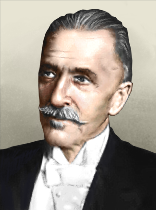
|
伊格纳齐·莫希齐茨基 | 复兴运动 / 社会总组织(POS) / 民族统一阵营(OZN) | 起始领袖 | ||
寡头 |
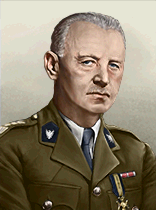
|
瓦迪斯瓦夫·西科尔斯基 | 复兴运动 / 社会总组织(POS) / 民族统一阵营(OZN) | 爱国游击队员 |
|
can come to power via capitulation if Ignacy Mościcki is country leader or focus  为不可避免之事作准备 if focus  完成四月宪法 is complete while hosted in exile by a Democratic country and current ruling party is Fascist or Non-Aligned. |
寡头 |
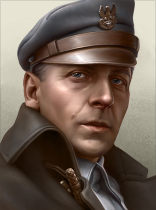
|
博莱斯瓦夫·维尼亚瓦-德武戈绍夫斯基 | 复兴运动 / 社会总组织(POS) / 民族统一阵营(OZN) | 波兰军团成员 |
|
can come to power via capitulation if Ignacy Mościcki is country leader or focus 为不可避免之事作准备 if focus 完成四月宪法 is complete while hosted in exile by a Democratic country and current ruling party is Fascist or Non-Aligned.
|
寡头 |
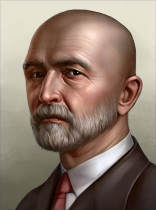
|
瓦莱雷·斯瓦韦克 | 社会总组织(POS) | 民主复辟派 | can come to power via focus 城堡中的新国王
| |
Oligarchism |
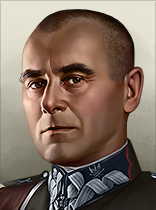
|
爱德华·雷兹-希米格维 | 民族统一阵营(OZN) | 卫生派军国主义者 | can come to power via focus OZN 的胜利
| |
Despotism |
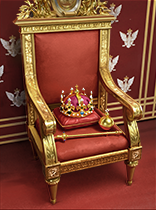
|
Sejmik Regency | 摄政会议 | can come to power via focus  召集摄政会议 | ||
Despotism |
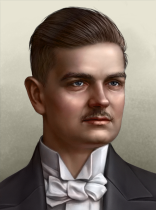
|
弗里德里希·克里斯蒂安 | 韦廷家族 | 王室正统派 |
|
可通过事件Friedrich Christian Claims the Throne上台 |
Despotism |
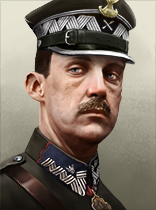
|
卡尔·阿尔布雷希特一世 | 哈布斯堡家族 | 爱国国王 |
|
can come to power via event The Habsburg Candidate or via the 匈牙利 focus 哈布斯堡治下的波兰 or via the Austrian决议Install a Habsburg Monarch in Austrian Poland
|
Despotism |
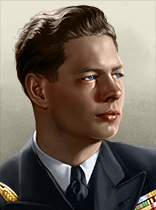
|
米哈伊一世 | 霍亨索伦-锡格马林根家族 | 可通过事件Crown Prince Michael of Romania上台 | ||
Despotism |
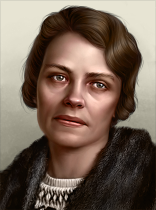
|
阿纳斯塔西娅·罗曼诺娃 | 罗曼诺夫家族 | 最后的罗曼诺夫? |
|
可通过事件Anastasia Romanov Arrives in Poland上台 |
Despotism |
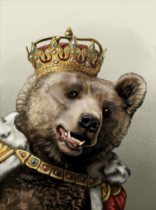
|
Wojtek | 罗曼诺夫家族 | 承负王座之人 |
|
can come to power via event The Fate of Anastasia Romanov if Wojtek is a commander |
Despotism |
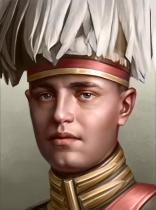
|
明道加斯三世 | 乌拉赫家族 | King of Lithuania 士兵国王 |
|
可通过事件Mindaugas III Supporters Demand Abdication上台 |
社会主义 |
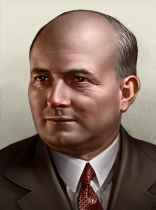
|
斯坦尼斯瓦夫·米科瓦伊奇克 | 波兰人民党(PSL) | 农民英雄 |
|
can come to power via mission The Peasant’s Strike! |
自由主义 |
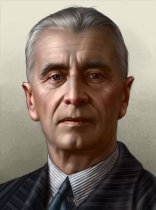
|
瓦迪斯瓦夫·拉奇凯维奇 | 自由民主党(PLD) | 民主复辟派 | can come to power via capitulation if Ignacy Mościcki is country leader or focus 为不可避免之事作准备 if focus 完成四月宪法 is complete while hosted in exile by a Democratic country and current ruling party is Fascist or Non-Aligned.
| |
社会主义 |
|
瓦莱雷·斯瓦韦克 | 社会总组织(POS) | 左翼大臣 |
|
can come to power via focus 城堡中的新国王
|
社会主义 |
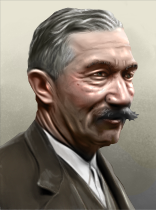
|
文岑蒂·维托斯 | 波兰人民党(PSL) | 莫尔日阵线捍卫者 |
|
可通过事件领导权问题上台 |
列宁主义 |
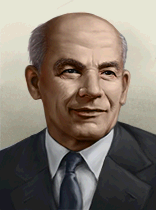
|
瓦迪斯瓦夫·哥穆尔卡 | 波兰共产党(KPP) | Pro-Soviet |
|
can come to power via focus 组建左翼内阁
|
马克思主义 |
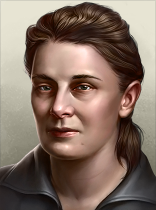
|
玛丽亚·科舒茨卡 | 波兰共产党(KPP) | 独立左派 |
|
can come to power via focus 组建左翼内阁
|
长枪党主义 |
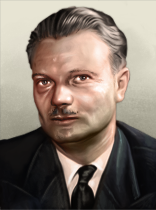
|
博莱斯瓦夫·皮亚塞茨基 | 民族激进阵营-长枪队(ONR-Falanga) | 桀骜不驯的长枪党人 |
|
can come to power via focus 华沙暴动
|
长枪党主义 |
|
爱德华·雷兹-希米格维 | 民族统一阵营(OZN) | 卫生派军国主义者 | can come to power via focus OZN 的胜利
| |
纳粹主义 |
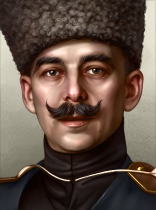
|
帕维尔·别尔蒙特-阿瓦洛夫 | 别尔蒙托夫党 | 哥萨克国王 |
|
可通过事件哥萨克国王上台 |
法西斯主义 |
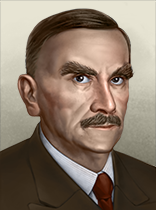
|
罗曼·德莫夫斯基 | 民族民主党(ND) | 波兰民族主义之父 | can come to power via focus 重启全国选举
|
Poland starts as non-aligned, but with their unique focus tree can easily join any of the main ideologies or even try and remain neutral through the war by starting their own faction.
In the 1936 opening, Poland has to make a decision on what faction to join. In 1936, the Polish Army is stronger than the Wehrmacht so an preemptive attack can be considered especially if 法国 declares war after the reoccupation of the Rhine event. If Poland chooses to join the 同盟国 it needs to be aware of the fact that the brunt of the German war effort will be placed on it. If Poland chooses to join the 轴心国 it has the potential to destroy the USSR. If Poland decides to join the 共产国际 it will be able to knock out 德国 very early on and prevent the 苏联 from claiming its eastern states. This course of action can be problematic if Poland joins the Axis and Germany takes the "Molotov Ribbentrop Pact" focus.
In 1936, Poland was not a member of any alliances. However, it was able to form an alliance with France via a decision made in late 1938. In terms of national focus, Poland has the potential to establish its own faction called "Międzymorze" (mid-sea/between-seas).
波兰 的部长与军事幕僚。
| 名称 | 特质 | 效果 | 花费()
|
|---|---|---|---|
| 伊格纳齐·莫希齐茨基 | The King of the Castle | 150 | |
| 瓦莱雷·斯瓦韦克
|
左翼大臣 |
|
100 |
| 罗曼·德莫夫斯基 | 法西斯煽动家 |
|
100 |
| Józef Haller | 军工实业家 | 150 | |
| Wanda Wasilewska | Communist Intellectual | 100 | |
| Jan Mosdorf
|
National Propagandist | 150 | |
| Irena Anders | Resistance Artist |
|
150 |
| Mieczysław Michałowicz
|
Democratic Reformist | 150 | |
Mieczysław Michałowicz 
|
民主改革者 |
|
150 |
| Henryk Floyar-Rajchman
|
Right Industrialist | 150 | |
| Bolesław Bierut | Socialist Autocrat | 150 | |
| Edward Osóbka-Morawski | 爱国社会主义者 |
|
150 |
| Kazimierz Świtalski | Leftist Legionary |
|
150 |
| Józef Beck | 能说会道的魅力者 |
|
150 |
| Zdzisław Lubomirski | Staunch Aristocrat |
|
150 |
| Tadeusz Bielecki
|
Nationalist Journalist |
|
150 |
| Joachim Stefan Bartoszewicz
|
National Determinist | 150 | |
| Aleksander Kakowski | Autocratic Archbishop |
|
150 |
| Stanisław Radkiewicz | 共产主义革命者 |
|
150 |
| Eugeniusz Kwiatkowski | 工业巨头 | 150 | |
| Stanisław Wojciechowski | Noble Bureaucrat |
|
150 |
| Jerzy Rutkowski | Falangist Militarist | 150 | |
| Marian Rejewski
|
Mastermind Codebreaker |
|
150 |
| Jan Kowalewski
|
神秘绅士 |
|
150 |
| 名称 | 特质 | 效果 | 花费()
|
|---|---|---|---|
| 爱德华·雷兹-希米格维 | 卫生派军国主义者 | 100 | |
| 托米斯瓦夫·乌帕什科 | 军事理论家 |
|
100 |
| 瓦迪斯瓦夫·卡尔库斯 | 空战理论家 |
|
100 |
| 名称 | 特质 | 效果 | 花费()
|
|---|---|---|---|
| Kazimierz Sosnkowski | 陆军防御(专家) |
|
100 |
| 名称 | 特质 | 效果 | 花费()
|
|---|---|---|---|
| Józef Unrug | 海军机动(专家) |
|
100 |
| Xawery Czernicki | 老卫队 |
|
100 |
| 名称 | 特质 | 效果 | 花费()
|
|---|---|---|---|
| Józef Zając | 空军改革者(专家) | 100 | |
| Ludomił Rayski | 地面支援(专家) |
|
100 |
| 名称 | 特质 | 效果 | 花费()
|
|---|---|---|---|
| Władysław Anders | 骑兵(专家) |
|
100 |
| Zygmunt Bohusz-Szyszko | 步兵(专家) |
|
100 |
| Stanisław Maczek | 装甲(专家) |
|
100 |
| Stanisław Pawluć | 制空(专家) |
|
100 |
Jan Zumbach 
|
Air Combat Training (Specialist) |
|
50 |
| 肖像 | 名称 |  技能 |
 攻击 |
 防御 |
 计划 |
 后勤 |
特质 | 要求 |
|---|---|---|---|---|---|---|---|---|
|
|
爱德华·雷兹-希米格维 | 4 | 4 | 2 | 4 | 3 |  老卫队  政治人脉  Sanation Right Leader  缜密规划者 |
– |
|
|
卡尔·阿尔布雷希特一世 | 3 | 4 | 3 | 2 | 2 |  步兵军官  战争英雄 |
|
|
|
帕维尔·别尔蒙特-阿瓦洛夫 | 3 | 4 | 1 | 2 | 4 |  Reckless  骑兵军官 |
|
|
|
瓦迪斯瓦夫·西科尔斯基 | 3 | 2 | 3 | 2 | 3 |  Sanation Left Leader  防御学说 |
– |
|
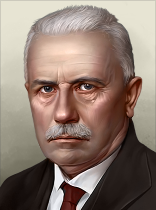
Rüdiger von der Goltz | 3 | 2 | 1 | 3 | 4 | 老卫队缜密规划者
|
|
| 肖像 | 名称 | 技能 |
攻击 |
防御 |
计划 |
后勤 |
特质 | 要求 |
|---|---|---|---|---|---|---|---|---|
|
|
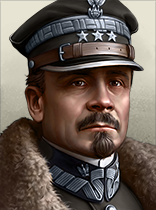
博莱斯瓦夫·维尼亚瓦-德武戈绍夫斯基 | 2 | 2 | 2 | 2 | 1 | 政治人脉骑兵军官战争英雄
|
– |
|
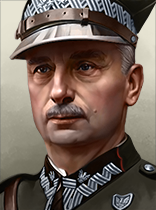
Józef Haller | 3 | 2 | 3 | 3 | 2 | 老卫队 Sanation Left Leader
|
– |
|
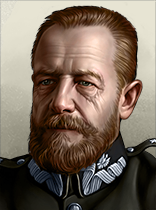
Kazimierz Sosnkowski | 3 | 2 | 4 | 4 | 2 | 防御学说
|
– |
|
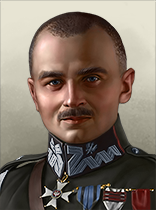
Lucjan Żeligowski | 3 | 3 | 2 | 3 | 2 | 老卫队步兵军官 Sanation Left Leader
|
– |
|
Marian Kukiel | 3 | 2 | 4 | 2 | 2 | 步兵军官
|
– |
|
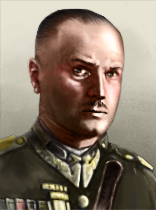
Roman Abraham | 4 | 3 | 4 | 3 | 3 | Sanation Right Leader
|
– |
|
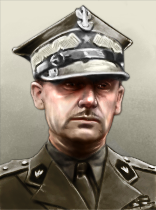
Stanisław Kopański | 2 | 3 | 2 | 2 | 1 | Sanation Right Leader 进攻学说 |
– |
|
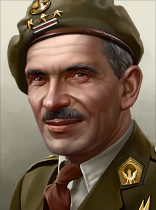
Stanisław Sosabowski | 3 | 2 | 2 | 2 | 4 | Sanation Left Leader 突击队 |
– |
|
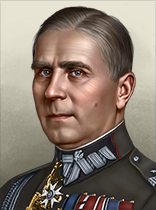
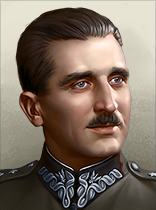
Tadeusz Kutrzeba | 2 | 1 | 3 | 1 | 2 | 防御学说
|
– |
|
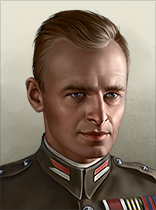
Wincenty Kowalski | 3 | 3 | 2 | 2 | 3 | Sanation Right Leader 诡计者 |
– |
|
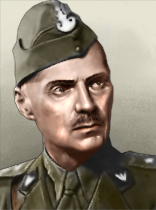
维托尔德·皮莱茨基 | 2 | 1 | 3 | 2 | 1 | 骑兵军官 Sanation Left Leader
|
– |
|
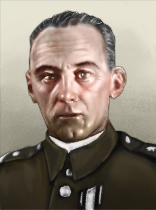
Władysław Anders | 4 | 4 | 3 | 3 | 3 |  装甲军官 |
– |
|
Władysław Bortnowski | 2 | 1 | 2 | 3 | 1 | Sanation Right Leader缜密规划者
|
– |
|
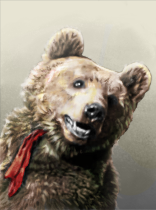
Wojtek | 1 | 1 | 1 | 1 | 1 |  火炮持有者(Bearer of Artillery) |
|
|
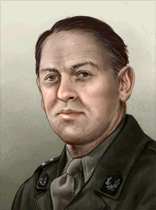
Vladislav Korchits | 3 | 2 | 4 | 3 | 2 | 老卫队 Communist Sympathizer |
|
| 肖像 | 名称 | 技能 |
攻击 |
防御 |
 MNV |
 COR |
特质 | 要求 |
|---|---|---|---|---|---|---|---|---|
|
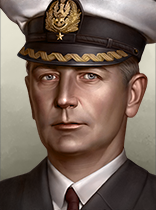
Józef Unrug | 4 | 3 | 5 | 1 | 2 | 战争英雄
|
– |
|
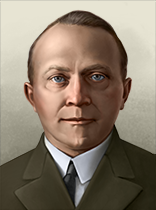
Karol Korytowski | 4 | 4 | 3 | 1 | 1 |  职业军官  卓越战术家 |
– |
|
Stefan Frankowski | 3 | 2 | 4 | 1 | 2 | 职业军官
|
– |
| 标志 | 名称 | 类型 | 效果 | 要求 | 花费()
|
DLC |
|---|---|---|---|---|---|---|

|
PKP | 工业财团 |
|
|
150 | P |

|
AVA | 电子学财团 |
|
|
150 | P |

|
Československé Státní Dráhy | 铁路公司 |
|
75 | ||

|
Walter Co | Engine Manufacturing Company |
|
|
150 | 
|

|
Třinec Ironworks | 工业钢厂 |
|
150 |
|
波兰 的设计公司。
| 标志 | 名称 | 类型 | 效果 | 要求 | 花费()
|
DLC |
|---|---|---|---|---|---|---|

|
PZinż | 坦克设计商 |
选择此设计公司后,只要它仍在受雇,就会永久影响其受雇期间研究的所有装备的性能。 |
|
150 | P |

|
斯柯达装甲-比尔森 | 坦克歼击车设计师 |
选择此设计公司后,只要它仍在受雇,就会永久影响其受雇期间研究的所有装备的性能。 |
|
150 |
|
| 标志 | 名称 | 类型 | 效果 | 要求 | 花费()
|
DLC |
|---|---|---|---|---|---|---|

|
格丁尼亚船厂 | 舰船设计商 |
选择此设计公司后,只要它仍在受雇,就会永久影响其受雇期间研究的所有装备的性能。 |
|
150 | P |
| 标志 | 名称 | 类型 | 效果 | 要求 | 花费()
|
DLC |
|---|---|---|---|---|---|---|

|
PWS | 轻型飞机设计商 |
选择此设计公司后,只要它仍在受雇,就会永久影响其受雇期间研究的所有装备的性能。 |
|
150 | P |

|
PZL | 中型飞机设计商 |
选择此设计公司后,只要它仍在受雇,就会永久影响其受雇期间研究的所有装备的性能。 |
|
150 | P |

|
重型航空连 | 重型飞机设计商 |
选择此设计公司后,只要它仍在受雇,就会永久影响其受雇期间研究的所有装备的性能。 |
|
150 | |

|
海军空军连 | 海军飞机设计商 |
选择此设计公司后,只要它仍在受雇,就会永久影响其受雇期间研究的所有装备的性能。 |
|
150 |
| 标志 | 名称 | 类型 | 效果 | 要求 | 花费()
|
DLC |
|---|---|---|---|---|---|---|

|
FB | 步兵装备设计商 |
|
|
150 | P |

|
LRL | 摩托化装备设计商 |
|
|
150 | P |

|
SMPA | 火炮设计商 |
|
|
150 | P |

|
福特汽车公司 | 摩托化装备设计商 |
显示条件:
|
150 | P | |

|
Vauxhall Poland | 摩托化装备设计商 |
|
显示条件:
|
150 | P |

|
SOMUA | 摩托化装备设计商 |
|
显示条件:
|
150 | P |

|
Zbrojovka-Vsetín | 支援装备设计商 |
选择此设计公司后,只要它仍在受雇,就会永久影响其受雇期间研究的所有装备的性能。 |
显示条件:
|
150 |
|

|
CZ Uherský Brod | 自动武器设计商 |
选择此设计公司后,只要它仍在受雇,就会永久影响其受雇期间研究的所有装备的性能。 |
显示条件:
|
150 |
|

|
CKD-Plzen | 列车设计商 |
选择此设计公司后,只要它仍在受雇,就会永久影响其受雇期间研究的所有装备的性能。 |
显示条件:
|
150 |
|
波兰 可使用这些军工产业组织。
| ||||||||||||||||||||||||||||||||||||||||||||||||||||||||||||||||||||||||||||||||||||||||||||||||||||||||||||||||||||||||||||||||||||||||||||||||||||||||
| ||||||||||||||||||||||||||||||||||||||||||||||||||||||||||||||||||
| ||||||||||||||||||||||||||||||||||||||||||||||||||||||||||||||||||||||||||||||||||||||||||||||||||||||||||||||||||||||||||||||||||||||||||||||||||||||||||||
| ||||||||||||||||||||||||||||||||||||||||||||||||||||||||||||||||||||||||||||||||||||||||||||||||||||||||||||||||||||||||||||||||||||||||||||||||||||||||||||||||||||||||||||||||||||||||||||||||||||||||||||||||||||||||||||||||||||||||||||||||||||||||||||||||||||||||||||||||||||||||||||||||||||||||||||||||||||||||||||||||||||||||||||||||||||||||||||||||||||||||||||||||||||||||||||||||||||||||||||||||||||||||||||||||||||||||||||||||
波兰 开局拥有以下法案:
1936
| 征兵法案 | 贸易法案 | 经济法令 |
|---|---|---|
 仅志愿兵役
|
 禁运经济
|
 民用经济
|
*Without the free "Poland: United and Ready" DLC, Poland starts with Export Focus.
1939
| 征兵法案 | 贸易法案 | 经济法令 |
|---|---|---|
 有限征兵
|
禁运经济
|
 部分动员
|
*Without the free "Poland: United and Ready" DLC, Poland starts with Limited Exports.
 年份 |
 军用工厂 |
 海军船坞 |
 民用工厂 |
 建筑槽位 |
|---|---|---|---|---|
| 1936 | 9 | 0 | 17 (-10) | 78 |
*红色 中的数字表示生产消费品所需的民用工厂数量,依据经济法案以及军用与民用工厂总数向上取整。
Additional factories are located in Gdansk, but are unavailable to Poland at the start of the game due to a state modifier.
年份 |
 石油 |
 铝 |
 橡胶 |
 钨 |
 钢铁 |
 铬 |
 煤 |
|---|---|---|---|---|---|---|---|
| 1936 | 5 (-1) | 12 (-3) | 0 | 0 | 56 (-14) | 0 | 59 (-15) |
*这些数字表示游戏开始一小时后可用的资源量。红色 中的数字表示因贸易法案而留作出口的资源量。
| 类型 | # 1936 | # 1939 | |
|---|---|---|---|
 |
步兵 | 28 | 45 |
 |
山地兵 | 2 | 5 |
 |
骑兵 | 10 | 11 |
 |
摩托化步兵 | 0 | 2 |
 |
轻型坦克 | 0 | 1 |
 |
师总数 | 40 | 64 |
 |
已用人力 | 320.00K | 482.70K |
| 师 | 名称列表 | # 1936 | # 1939 | 支援连 | 战斗营 |
|---|---|---|---|---|---|
 Dywizja Piechoty |
步兵师 | 28 | 37 |  |
9x
|
 Dywizja Piechoty Górskiej |
山地师 | 2 | 2 | |
9x
|
 Brygada Kawalerii |
Cavalry Brigade | 10 | 11 | |
3x
|
| Brygada Piechoty Górskiej^ |
山地师 | 0 | 3 | 3x 3x
| |
 Brygada Motorowej^ |
摩托化师 | 0 | 2 |  |
2x
|
 Grupa Pancerna^ |
Cavalry Brigade | 0 | 1 | |
2x
|
| Brygada Ochrony Pogranicza^ |
Border Guard Brigade | 0 | 8 | 6x
| |
| ^ 标记仅存在于 1939 年开局中的师。 | |||||
| 类型 | Chassis | Role | 主武器 | Turret | Suspension | 装甲(等级) | 发动机(等级) | 特殊模块 |
|---|---|---|---|---|---|---|---|---|
| TKS* | 战间期轻型 | 轻型坦克 | 重机枪 | Superstructure | Bogie | 铆接(1) | 汽油(1) | |
| 7TP dw | 战间期轻型 | 轻型坦克 | 重机枪 | 单人 | Bogie | 铆接(2) | Diesel (2) | 重机枪 |
| 7TP jw | 战间期轻型 | 轻型坦克 | 高速加农炮 | 双人 | Bogie | 铆接(2) | Diesel (3) | |
| TKS* | 战间期轻型 | 轻型坦克 | 重机枪 | Superstructure | Bogie | 铆接(1) | 汽油(1) | |
| 7TP dw | 战间期轻型 | 轻型坦克 | 重机枪 | 单人 | Bogie | 铆接(2) | Diesel (2) | 重机枪 |
| 7TP jw | 战间期轻型 | 轻型坦克 | 高速加农炮 | 双人 | Bogie | 铆接(2) | Diesel (2) | |
| * marks a variant as "outdated". | ||||||||
| 类型 | # 1936 | # 1939 | |
|---|---|---|---|
 |
驱逐舰 | 2 | 5 |
 |
潜艇 | 3 | 5 |
 |
运输船队 | 10 | |
 |
舰船总数 | 5 | 10 |
|
已用人力 | 1.10K | 2.40K |
| 类型 | Class | Hull | 发动机 | # 1936 |  1936 |
# 1939 | 1939 |
设计说明 |
|---|---|---|---|---|---|---|---|---|
| DD | Wicher | 早期驱逐舰 | 轻型 I | 2 | 2 | 轻型火炮 I、防空炮 I、火控系统 0、鱼雷发射器 I、深水炸弹 I、布雷轨 | ||
| DD | Grom^ | 基础驱逐舰 | 轻型 II | 2 | Light Battery II, Anti-Air I, Fire Control 0, Torpedo Launcher I, Depth Charge I, Minelaying Rails | |||
| DD | Gryf^ | 基础驱逐舰 | 轻型 I | 1 | Light Battery II, Anti-Air I, Fire Control 0, 2x Minelaying Rails | |||
| SS | Wilk | 基础潜艇 | 潜艇 I | 3 | 3 | 鱼雷发射管 I、布雷管 | ||
| SS | Orzel^ | 基础潜艇 | 潜艇 II | 2 | 2x Torpedo Tubes II | |||
| ^ 标记表示该变体仅在 1939 年开局时可用。 舰种术语:
| ||||||||
| 类型 |  1936 |
 1936 |
1939 |
1939
| |
|---|---|---|---|---|---|
 |
战斗机 | 162 | 164 | ||
 |
近距空中支援 | 22 | 50 | ||
 |
战术轰炸机 | 0 | 36 | ||
 |
飞机总数 | 184 | 184 | 250 | 250 |
|
已用人力 | 3.68K | 3.68K | 5.72K | 5.72K |
| 类型 | 机体 | Role | 主武器 | 副武器 | 发动机 | 特殊模块 |
|---|---|---|---|---|---|---|
| PZL P.23 | 基础小型 | CAS | 炸弹挂锁 | 1x 发动机 I | 轻机枪防御炮塔 | |
| PZL P.23 | 基础小型 | CAS | 炸弹挂锁 | 1x 发动机 I | 轻机枪防御炮塔 | |
| PZL P.24 | 战间期小型 | 战斗机 | 2x 机炮 I | 2x 轻机枪 | 1x 发动机 II | |
| PZL P.11* | 战间期小型 | 战斗机 | 4x 轻机枪 | 1x 发动机 I | ||
| PZL P.46 | 改进型小型 | CAS | 炸弹挂锁 | 4x 轻机枪 | 1x 发动机 II | 轻机枪防御炮塔 |
| PZL P.37 | 基础中型 | 战术轰炸机 | 中型弹舱 | 中型弹舱 | 2x 发动机 II | 轻机枪防御炮塔 |
| PZL P.43* | 基础小型 | CAS | 炸弹挂锁 | 2x 轻机枪 | 1x 发动机 I | |
| * marks a variant as "outdated". | ||||||
 以下是one of many玩家为波兰建议的战略。请记住,由于游戏的动态特性,其他玩家的情况可能会有所不同。
Before going down political paths (except for Organise the peasant's strike), it is highly recommended to rush to the focus "Agrarian reform," which removes the Looming Peasants Strike National Spirit. Also, complete the "Clamp down on Danzig" focuses down to "Integrate Gdańsk Industries" as quickly as possible, since Danzig will give you 7 factories and remove the awful Embargoed Economy law. In fact it is probably best to choose "Clamp down on Danzig" as your first focus regardless of what political direction you wish to take. After "Clamp down on Danzig" is complete, immediately do the decision "unification propaganda" with the 75PP you are given. After that, choose "raid Nazi resistance" when you regained your PP. Finally, doing "unification propaganda" one more time should give you enough compliance and low enough resistance to do "Ban the Nazi Party". Meanwhile, complete the focuses "The Four Year Plan" and then "Polish School of Mathematics" for an extra research slot. After getting the research slot you should be able to Ban the Nazi party. After this, immediately do "Integrate Gdańsk Industries" to remove Embargoed economy, and after this rush down for Agrarian Reform. Finally, before doing any political focuses, complete "National Defense Fund" which gives you -15% consumer goods for 2 years. It's best to do this focus early because, after getting attacked by the USSR and Germany, you'll likely be on War Economy or Total Mobilisation for the rest of the game and the focus will no longer be necessary. Additionally it gives you crutial industrial capacity to build up your country in preperation for the fascist and communist onslaught.
It may be a good idea to turn off Historical AI Focuses if you have Waking the Tiger and No Step Back DLCs, since it makes it likely for either Germany or the USSR (often times both) to have a civil war and significantly weakening themselves, making your game a lot easier. However, do note that countries around you going a-historical may ruin your game; for example, Hungary may restore Austria-Hungary and take over Czechoslovakia before you can do so in your Habsburg path, or Lithuania may go monarchist and incite a civil war in your country (in this case, just save up 100 political power when you see Lithuania becomes a kingdom; when the "Lithuania claims our throne" event pops up, you should be able to take a decision called "end the monarchist question" for 100PP which removes the threat and gives Lithuania a war goal on you. You can pull all of your divisions off the Lithuanian border to bait them to declare war on you, allowing you to annex them). Additionally the Baltic States are very likely to incite a communist civil war and become a Soviet puppet, and Czechoslovakia going to war with Germany over the Sudetenland (very likely in ahistorical) can screw up a lot of focuses in the two Monarchist paths involving Czechoslovakia. For these reasons it may be beneficial to set Hungary, Czechoslovakia, and the Baltic States to go historical to prevent them from doing wacky stuff. You can actually do this whilst still be able to get achievements.
If the player wishes to have a somewhat historical WW2 and dislikes the mindless territorial expansion of the monarchist paths, this would be the ideal choice. Sanationist Poland is arguably the strongest path for Poland in terms of national spirits, as it gives the player a lot of buffs to political power, stability, war support, factory output, building slots (in the case of Sanation Left) and especially recruitable manpower, but it does not give extra cores other than the decision to form Poland-Lithuania available to all versions of Poland. The first focus, Complete the April Constitution, will activate the Sanation irritation mechanics, which means the Sanation left and right factions will get more irritated every 180 days, therefore it is recommended to not do this focus until you have dealt with the Peasant strike and Danzig. Once you do the focus, rush through the tree as fast as possible until you have sufficiently dealth with one or both Sanation factions and the sanation irritation mechanics is removed, and only after that do you go back to doing industrial expansions. You should do every single focus in both the Sanation Left and Sanation Right branches - all of them gives lots of bonuses. Modus Vivedi gives you two very good advisors: Stanisław Wojciechowski, a silent workhorse (+15%PP) that also gives you 5% stability, and Wanda Wasilewska, who gives you +5% research speed (basically another Electronic tech), but she does also give +0.05 communist support daily, which can be dealt with if you repeatedly spam anti-communist raids. The Legion of Merit gives you Experienced soldier losses: -25.0%, which is like a free Field Hospital. Draft a new constitution, which I think is superior to Codify the Camp of National Unity, gives +15% PP and +10% stability. Department for Home Defence gives 2x 50% Cost reduction for Land Doctrine, (basically the equivalent of giving you 100 army XP), and finally, Support Right-Wing Paramilitarism gives you +2% recruitable population. Only the Castle give nothing significant - these focuses are only here to reduce Sanation irritation.
When you have completed all the focuses, it's time to choose what leader you want - Sławek (Sanation Left), Rydz-Śmigły (Sanation Right), or maintain Moscicki's dictatorship. Moscicki is the weakest out of the three - his buffs are weak compared to the Left and the Right (apart from the ones you've already got), and his path of joining the Allies can be accessed by both Rydz-Śmigły and Sławek. Rydz-Śmigły gives you an option to switch to fascism or stay non-aligned. Non aligned is slightly better, since non-aligned Śmigły gives you a -10% land doctrine cost (which can be stacked on top of another Miltary theorist, including Śmigły himself - you can apparently hire him twice and he will give double the benefit), and swiching to fascist does not remove all the non-aligned bonuses you get earlier (likely an oversight by Paradox) so your country's stability will be ruined by the non-aligned horde. Śmigły's unique path is Polish Revanchism. The only thing worth getting here is the -15% resistance target and -25% justification war goal. All the claims are pointless because they aren't cores, and you can simply right click and press "justify war goal" to go to war. Sławek's Sanation Left is arguably the best out of all three: while his Baltic security path doesn't offer anything good (it is often better to go "Align with the West" and then "Demand Lithuanian Ultimatum"), he has an extra focus "Common organisation of society", which gives you two extra building slot in every single state you own and core (totalling to some 30 building slots) as well as more factory output and civillian construction speed. As a leader he gives you an extra 10% stability, and after completing "A New king in the Castle" you have an option to switch to democracy or stay non aligned. Non-aligned is better for aggressive expansion, but the previous focus also gives you +0.1 weekly democracy support which is very annoying. Hiring Henryk Floyar-Rajchman and Edward Rydz-Śmigły as theorist should give plenty of non-aligned support, and along with the Amended April constitution should be enough to stamp out democratic influence. Turning democratic also gives you the same problem with non-aligned as does fascist Śmigły, but less problematic since the previous focus gives weekly democracy support.
It should be noted that while turning historical AI off has a chance to lock you out of some focus trees due to the Baltics becoming a puppet of the Soviets, historical AI on is likely to doom you even more as the Soviets will not have an otherwise somewhat likely revolution and will demand land or justify on you relatively soon.
There are 5 subpaths in the monarch tree. If one looks at the focus trees of Poland, it seems there are only 4, but the 5th is secret and will be exposed when the monarch is selected.
To start the Monarchist campaign, first go down the first 2 focuses of the monarch tree. When you complete the 5th of November Act, every 35 days an event appears in which you can either crown a king or pass to the next option. The events will show the rulers in the order of (Commonwealth, Habsburg, Poland - Romania, Cossack King, Commonwealth, Habsburg, Poland - Romania, Cossack King, Romanov, Commonwealth, Habsburg, etc). You want to do this first because it takes some time to get some kings, and it removes the political power penalty, allowing you to select partial mobilization as soon as possible.
After doing the 5th of November Act, while waiting for your desired ruler start doing the industrial part of your focus tree. Make sure to do Agrarian Reform relatively quickly (otherwise the peasants will revolt), although there is no need to rush it as you have 2 or 3 focuses of room. Good options are the early extra research slot, 2 extra civilian factories, and -15% consumer goods. It should be noted that some focuses are 35 days while others are 70. Once you proceed down the railroads and agrarian reform, doing Investing in Eastern Poland is recommended as it gives and extra 3 civs and 1 mil.
After finishing 5-6 industrial focuses, you should choose to rush down your political path that you selected, as most require annexing land from countries which both Germany and the Soviets will be annexing in 1938 and 1939.
For the Commonwealth, Habsburg, or Romanian monarch paths, it is relatively simple. Rush down the focus that allows you to start making the monarch decisions in the country you want. I suggest saving political power 1 or 2 focuses before that focus, as you will need around 350 political power in total in making the decisions without spending any of your industrial power. Try to limit yourself to using the 50 political power decision for the first few, and then when the 25 command power and 25 political power decision becomes available use that in conjunction with the 50 political power. If it seems Germany or the Soviets may be annexing it earlier than expected, you can use the other decisions to quicken up the pace. If you get the politcal power needed and do the focus, the AI sometimes tries to counter this by using decisions that allow them to decrease monarch support thus canceling your focus. It can then be recommended to do monarchy support while doing your focus, even if it is somewhat wasted. Annex them as quick as possible.
For the Cossack or Romanov paths, just rush down the focus that allows you to annex land. I believe improving relations does help the country saying yes to your demands, so do that when you start the focus to demand something.
After you have gathered all the annexations possible, there are several options for Poland to do. At this point, all will be dependent on the state of the game. However, I believe there are 4 good options, and the order is best determined by a players playstyle. If you are not ready for war it is usually beneficial to give up Danzig, although I would work with the Soviets diplomatically in the event that comes afterward, due to fascist support ruining stability. If you really want, you can give up the East to the Soviets, although you will run out of space to build factories really fast after that.
1: If you still have political focuses in your tree that you can do, those are generally good if they provide benefits you need at the moment. You can attack countries if you like, but make sure not to do it while a greater power is about to declare war on you.
2: The industrial tree is crucial to making Poland more than just a stepping stone. If one really focuses on the industrial tree while annexing land, a player can have more industrial power than France.
3: The plan west and plan east focuses after preparing for the next war. This gives you access to forts, some quality troops (not really worth 70 days so should not take priority), it allows you to sabotage all industry, which is good if you are allied to the allies as it dampens Germany's military potential, and finally it allows local western plans and eastern plans. These give you access to 50 pp decisions that give a boost to defense and a small boost to attack and breakthrough within a state.
4: The Between the Seas Concept is probably the most fun of the bunch, allowing you to invite Romania, Hungary, Sweden, Finland, Norway, Denmark, Czechoslovakia, Yugoslavia, the Baltics, and either Greece or Turkey. You can invite Italy if you are fascist, even if they have joined Germany by this point. Improving relations definitely helps them join, so do that as much as possible to almost guarantee them joining. It can be also noted that you can sometimes invite other AI countries depending on the state of the world. I have gotten Monarchist UK, China, mid civil war USSR, Spain and Bulgaria in my faction before. You need a good amount of Factories and 700k men to start doing this.
A few notes on each path:
Poland-Romania: Probably the easiest path to "win", as you can give Germany Danzig and use a large frontline and a good industrial base to focus on Russia, then turn back on Germany,
The Greater Commonwealth: If you want to do the focus at the bottom of your tree, you will need half of the Ussr and East Prussia, thus it is much of the gameplay from above, but instead of the Romanians at the start you will only have Lithuania and maybe Latvia. It can be recommended that you wait for the Baltics to do the industrial focuses as much as possible, as you can annex a sizeable industry.
The Habsburg: A slightly harder campaign but probably more useful against a player Germany that wants to kill Poland as fast as possible, since the Habsburg revolves around fighting Germany first, not Russia. Russia is of course harder after 1941, but before 1940 Germany is a much harder person to beat compared to the other 2 campaigns. If Germany pushes you past Krakow, you can do desperate defense much earlier than usual since a lot of your victory points are in Czechia and Krakow. If you let them push more, you can do Prepare for the Inevitable and many other focuses below it without actually capitulating once, gaining 20% core defense and attack, as well as numerous other benefits.
The Cossack King: You can actually do 1 or 2 industrial focuses at the start here, as by the time you get Pavel, world tension will probably be above 0%, and you can be on war economy early game. You are going to probably not want to make yourself a puppet, so the territorial benefits of this route is Slovakia and Lithuania, both of which are not guaranteed nor cores, although if you do garrison the Lithuanians you get cores on them in 1941 - 1942 due to the Restore the Commonwealth focus. Ignore the assert Western Campaigns, as Germany will always be more ready for war than you, and they will justify on you eventually. Instead, rush down the Alliance tree preferably as fast as possible, as if you can finish both the Yugoslavian focus and the Greek/turkey focus, you can invite Italy to the faction before they go to war. This seems really good, but your alliance will be declared on by both Germany and Russia, and Italy will probably declare war on the allies. Thus, winning the war quite literally against the entire world is difficult, so this is probably the hardest campaign. However, it is fun and challenging, and can be good for a multiplayer coop with a Poland and an Italy.
The Romanov: The secret path of coring Russia is also fun, although not so much challenging. Again, it is similar to gameplay as the first 2, as you fight Russia before it industrializes (and probably is in a civil war). Also, if the Soviets have no troops on your border because they are fighting in Siberia, be careful not to capitulate them before you do claim Russia, as it will cancel the focus and lock you out of getting cores. Finally, you can get Wojtek the Bear as your country leader (and the "Bearer of Artillery" achievement) if you have Wojtek as a general by triggering this event while controlling Moscow. It sounds more difficult than it actually is, because the order of events don't matter - you can get Wojtek after beating Russia; you don't need to get him before taking Moscow. You'll get Iran into your faction when the Soviet Union declares war on Iran in late '41 or '42, and then, when the Soviet Union is beaten and you move on to fighting the Axis, you just need to send one of your units to Italy and walk around central Italy until the event fires. Afterwards, if you have "No Step Back" DLC, another event ("Fate of Anastasia Romanov") fires (conditions: your ruler is Anastasia Romanov, you are not in faction with the Soviet Union, you have Wojtek, and Moscow is held by you or by someone from your faction), informing you that your "king" is basically an impostor and you have a choice between burying that knowledge for 100 political power or replacing Anastasia with Wojtek.
After taking Russia, you are basically Russia with a massive industry and unlimited manpower, with an overpowered leader that gives you 20% stability, 10% war support and 15% political power, so it should not be too difficult to take down the Axis.
This is a fun way to play against historical AI. Go straight down the Habsburg focuses with the objective of finishing "Unite with Bohemia" by July 1938 and "A Habsburg Alliance" by January 1939. This is a tight schedule and it does not allow more than a few focuses from other branches (take "The Four Year Plan", "Fill the Railways Gaps", "Polish School of Mathematics", and "Agrarian Reform" in 1936, and possibly a couple more later on). Aggressively recruit but watch your stockpiles. You'll get a large quantity of infantry equipment when you annex Czechoslovakia, but the rest (support equipment, artillery) will remain tight. Restructure the military into three groups.
You can start working on tanks, but you won't have the industrial capacity to field more than a couple of divisions before the action kicks off.
If Hungary refuses to install their Habsburg monarch ("Press the Habsburg Claim"), don't hesitate to go to war and puppet them, they have a small army and no allies.
You should have 30-ish strong divisions along your western border and another 30-ish along the border with East Prussia, in addition to 24 in Czechoslovakia.
At some point (could be as early as July 1938 or as late as March 1939), Germany will demand Sudetenland. Refuse. (Note: you have 14 days to answer. You can leave the pop-up open while you make last preparations, stop exercises, maybe even build a couple of forts.) Then it takes a few more days before Germany declares war. Set your tiny navy on convoy raiding (it'll be sunk within two weeks, but it'll help while it is still there.) It might help to build one shipyard in Gdynia early on (otherwise, you don't have any shipyards and your navy can't even repair.)
You should be able to take East Prussia with relative ease (it's not uncommon for the AI to have it practically empty at that point) and to push back on Germany, once their initial assault is stopped and you have East Prussia.
You'll end up either in your own faction or as part of the Allies (if you complete "A Habsburg Alliance" after the beginning of the war, you'll leave the Allies and start your own faction.) Either way, you'll likely have at least one Baltic state fighting alongside you before long. Don't count on any help from Western Europe - they'll happily sit and watch, or, at best, send a navy to the Baltic. You can start working on "Between The Seas" focuses while you're fighting, to add more allies to your faction (though many of them will be reluctant.)
Now the challenge is to capitulate Germany without depleting your army too drastically before the summer of 1940, which is when the Soviet Union is going to declare on Latvia and/or Lithuania and you'll have to fight the Soviets. By then you should have all your forces already at the eastern border (with one army guarding the Baltic coast against naval invasions.)
Make sure to insist on annexing or puppeting the entire Germany if you want "No more Partitions" achievement (leaving even a single state free will make it very difficult to complete the achievement later.)
On the surface they seem to be the weakest paths excluding the puppet paths as they necessitate a civil war which significantly slows you down before the actual WW2. Indeed, the democratic PSL path is inferior to Sanation Poland for the most part, and the ability to buy colonies is from the Allies is almost never relevant, since Africa in game is a desolate wasteland with few resources and industry. However, the independent Communist path has the focus "Support Colonial Workers' Strike", which gives you +0.15 extra daily compliance. For this reason alone this path, in some sense, is the strongest path in the whole game; since as a Communist government you will have access to the "Liberated Workers" occupation law, which when coupled with the daily compliance, means that you will have full access to every region's industry and resources within a year of occupying its territory, akin to coring them, only without the extra manpower. This also mean you can usually pop out a collaboration government within a year of occupation, making peace deals very favourable to you; and you can always milk your collaboration puppet of their manpower before re-annexing them. The problem is that this is also likely the hardest path to play in the game, since you have to fight a civil war and there is no free land to be given in the tree except for Liberia, so you will have to fight for every piece of land you own. Additionally you will have few allies, as this path antagonises the Soviet Union and essentially everyone around you. Depending on luck, you might still be able to join the Comintern, but it is not rare for the USSR to have "strategic reasons not to invite you to their faction."
The Fascist and Communist republican approaches have two sub-branches each: independent and dependent - 4 branches in total. The independent branches are not that different from Sanation branch - to defend against Germany and Soviet Union at the same time. Features are, that the communist and democratic independent branches makes the player able to get some colony from Ally powers, while the fascist independent branch makes the player able to form a faction against Germany, with a powerful potential ally Italy, which will help the player to defeat Germany before the Soviet invasion.
The dependent branches, technically are separated into two smaller sub-branches each: keeping being dependent and declaring independence. No matter the side Poland decides to pick, the German-Soviet war will always break earlier than expectation, and Poland will be the battle field. Both branches would force Poland to cede some territories to giants: for Germany, it's the border of former Kaiserreich, while for Soviet Union, Eastern Poland.
As a puppet of Germany, Poland won't face much pressure because Germany always advances in the beginning, so it needs only to prepare for rebellion, unless the player decide to keep being as a puppet of Germany. Note that even Poland has engaged a war against its former overlord Germany, it can not end its war status with Germany's enemy before: Allies, and Russia.
As a puppet of Soviet Union, Poland may retake its ceded territories (and perhaps more, together with Lithuania) while maintain a comparatively positive relation with its overlord. The challange is, that Soviet army can not defeat Germans in the beginning, so some construction of forts, and especially anti-air, can effectively weaken the advance of German troops.
Finally a few notes on Poland itself:
Poland's biggest problem beside it being between Russia and Germany is resources. When at war with Germany, Poland will be starved of almost all resources. It can actually be very useful not to upgrade your equipment, as doing so leads to more steel being used up. Even doing this, when fighting Germany, it is not useful to build more than 30 or 40 military factories as building more will lead to equipment that you have no resources to produce. For the same reason, you must protect Katowice at all costs when fighting the Germans. This is because Katowice holds the majority of your country's steel. Losing Katowice effectively means your country's industry will grind to a halt and soon after you will no longer have guns to arm your soldiers.
You can ally Germany if they go monarchist. You are actually more useful to Germany than Italy, so making the November Alliance is mutually beneficial to both of you, as Poland can invite many other countries. It also rules out the possibility of being attacked by monarchist Germany whilst at war with the Soviet Union. Unlike with fascist Germany (to whom you can give up Danzig in exchange for peace), monarchist Germany may just justify war on you without any prior warning.
Use anti-air. The allies will be of no use to you, at least in the early war, so you cannot expect to win the air war easily.
Once you are almost capitulated, you can finally do Prepare for the Inevitable. This focus tree will give you many bonuses and some factories to keep you occupied while capitulated, and you will eventually be able to form a very sizable revolt late game.
Ironically, attempting this achievement almost certainly necessitates abandoning the original Hel fortified area (which, in the in-game map, would be at the very thin line of land off the top of Gdynia) and concentrating all units in three tiles from Warsaw to Lódź. Although, theoretically the better position would be to somehow occupy the 5 tiles of Katowice to Tarnów through Kraków (maintain control of the steel produced in those states for equipment production), it would require perfect conditions to hold in comparison to 3 tiles, a herculean task for the forces Poland has in the 1939 start; and the loss of any victory point in those tiles would be an instant capitulation.
All units should become infantry units despite the equipment deficit, as 1939 start Poland does not have the industrial capacity to maintain sufficient equipment for a diverse army, and much less when the invasion begins. It simplifies what equipment will be needed, and maximizes the production efficiency if practically all factories are put on infantry equipment before the game is unpaused. (game mechanic: putting factories on existing production lines at the start date does not lower efficiency)
Construction should focus on constructing forts in the tile of Lodz and Warsaw; these tiles would be the constant target of unceasing attack by the overwhelming army of the Reich. Without fortifications, the incompletely-equipped divisions Poland has would lose organization and break too quickly and be too slow to cycle back into the tile after retreating from the damage of constant battle against German land artillery, and more crucially enemy air on Close Air Support missions.
In all, it would likely be a desperate struggle for two or even three years between the dregs of factories remaining under control while paying constant attention to cycle units back into tiles constantly under attack, as Poland somehow equips and even increases its army size to hold.
However, Poland may still not be lost. Should it survive long enough to construct at least level 7 forts, the German offence should peter off. During this time, the casualties sustained by Germany would likely be quite far from the 1.8 million required by the achievement, but now with a solid defense, the breathing room gives Poland the space to prepare to strike back. And even if Germany does not commence operation Barbarossa (with historical focuses enabled) due to not capitulating Poland, who is to say that the Soviet Union will not go after Germany, or one of it's other Axis members?
This presents the opportunity to strike, and by now Poland should have an experienced army land army. To push, Artillery (high soft attack) is crucial, since Poland would find it difficult to field armored or air units. When the enemy lines are thinned from the inactiveness of the Polish lines, diversion to fight the Soviets, when Poland is prepared, a big push. encircling as many units as possible and then digging in at a new front line after re-occupying more of the country should result in the requisite casualties for the achievements, even if total victory cannot be achieved by Polish land forces alone.
Some tricks may be employed to make it easier. One trick is that the player can queue all units they can when they start the game to "store" manpower when the invasion begins. This stored manpower is saved even as Germany takes control of Polish states, which would ordinarily reduce manpower. This stored manpower may then be released when Poland only has it's 3 tiles remaining by un-queuing those in-training divisions; one may imagine that it had drawn all its eligible men into training centres and thus being able to call upon them compared to them being lost in occupied states.
Note that the Allied airforce will be able to use an airfield in Poland, removing some pressure from enemy aircraft; do not forget to invest in airfields as you prepare for your counterattack.
With DLC, spy operations, cypher-cracking and the Polish Focus tree can make it easier to make a more powerful offense.


| 西欧 |
|
| 东欧 |
| 西欧 |
|
| 东欧 |  波斯尼亚-黑塞哥维那  克罗地亚  塞浦路斯  黑塞哥维那  卡舒比  科索沃  马其顿  摩尔多瓦  黑山  塞尔维亚  西里西亚  斯洛伐克  斯洛文尼亚  特兰西瓦尼亚 |
| 苏联 |
|
 稳定度:
 战争支持度:

 -50%


 士兵国王
 Restore the Bermontians
 Soviet Military Staff


 Unite the Railways
 Join Czech Industry

 Adaptive Designs

 与以下互斥:


 格丁尼亚船厂



 巴登-符腾堡
 巴斯克地区
 Bavaria
 布列塔尼
 Catalonia
 Corsica
 加利西亚
 Hesse
 伦巴底-威尼西亚
 Malta
 梅克伦堡
 北爱尔兰
 奥克西塔尼亚
 教宗国
 Prussia
 莱茵共和国
 萨普米
 Sardinia-Piedmont
 Saxony
 苏格兰
 石勒苏益格-荷尔斯泰因
 Thuringia
 Tuscany
 两西西里
 威尔士
 威斯特法伦
 阿布哈兹
 Bashkortostan
 白俄罗斯
 Chechnya-Ingushetia
 楚瓦什
 Crimea
 Dagestan
 Kabardino-Balkaria
 Kalmykia
 卡累利阿
 Komi
 马里埃尔
 涅涅茨
 北奥塞梯-阿兰
 Tatarstan
 乌德穆尔特
 乌克兰
 伏尔加德意志