| 陆军科技 | 海军科技 | 空军科技 | 电子与工业 |
|---|---|---|---|
|
「无」 |
没有
|
「无」 |
| 陆军学说 | 海军学说 | 空军学说 |
|---|---|---|
|
「无」 |
「无」 |
「无」 |
原页面:Lithuania
 立陶宛 is a minor country in Northern Europe with a population of 2.20 M. Located on the coast of the Baltic Sea, it borders
 拉脱维亚 to the north,
 波兰 to the south, and
 德国 to the southwest.
Lithuania broke free from the collapsing Russian Empire in 1918, along with the other Baltic States and found itself quickly in conflict to defend its newly gained independence.
Lithuania fought against the Russian SSR (precursor to the  苏联) alongside Poland and the other Baltic States and was able to stop the Russian grand offensive of 1918-1919. After beating back the Bolsheviks, Lithuania, along with the other Baltic States, fought an internal war against the West Russian Volunteer Army (essentially a leftover of the Imperial Russian Army) which had officially joined arms with Alexander Kolchak's White Russia in the Russian Civil War (Which opposed Baltic Independence). After exterminating any remaining Russian military units on its territory, Lithuania found itself at war with newly-independent Poland. The reason for the war was a territorial dispute, the Vilnius region had been assigned to Lithuania by the Russians in the peace treaty they have signed after the Baltic Wars of Independence, but later it was occupied by Poland. In 1926, Antanas Smetona took authoritarian power during coup d'etat.
As part of the secret protocol of the Molotov-Ribbentrop pact, Eastern Europe was divided into spheres of interest by the 德意志国 and the 苏联. Lithuania was initially in the German zone and was forced to cede the Memel area and later was occupied by the Soviet Union in 1940. This occupation was interrupted by Operation Barbarossa when Germany occupied the area, reorganizing the Baltic States into the "Reichskommisariat Ostland". The area was re-occupied by the Soviet Union in 1944-1945, Lithuania was annexed into the Soviet Union, and reorganized into the Lithuanian SSR along with the other Baltic States after the end of World War II.
立陶宛, along with the other Baltic States, gets a unique national focus tree as part of the  一步不退 expansion. Without the expansion, Lithuania utilizes the 通用国策树.
The Lithuanian national focus tree can be divided into 3 branches and 5 sub-branches:
 法西斯主义 or
 民主主义 major.
 共产主义 and either become a 苏联 puppet or independent. It also allows expansion to the other Baltic states and Scandinavia.法西斯. It also allows the formation of
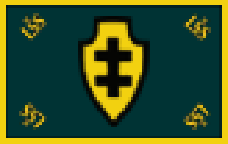 大立陶宛 and gives cores and
 战争目标 against surrounding countries.
 中立主义 sub-branch modifies the Seimas and can make Lithuania a Military Dictatorship.Monarchist sub-branch enthrones Karl Gero von Urach as Mindaugas III, King of Lithuania. It creates a
 共主邦联 with 波兰, gives claims on former Greater Lithuanian territory, and creates the
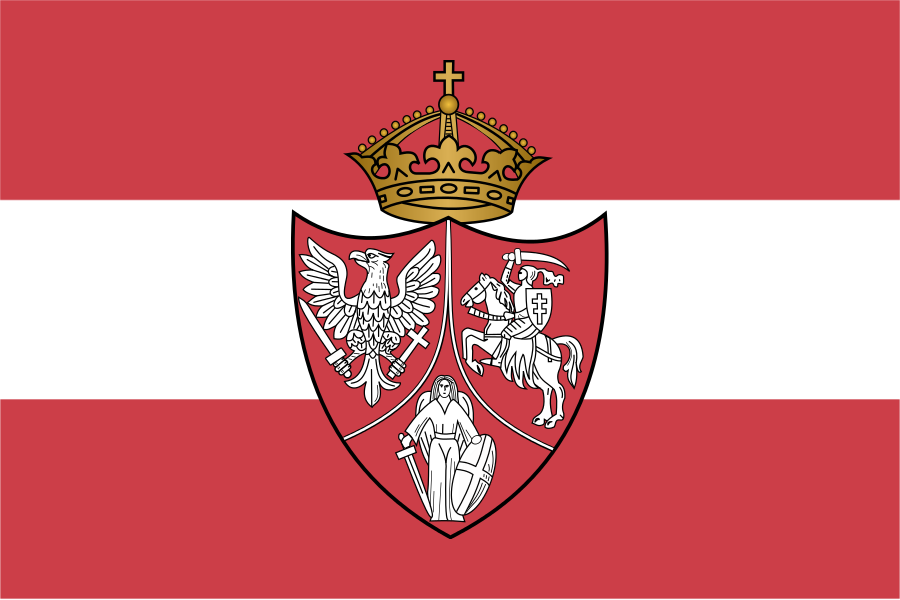 波兰-立陶宛联邦. It may also create the
 利沃尼亚王国.民主主义 faction.民主主义. It also can give political advisors and improves or hurts relations with 波兰, 德国 or the 苏联. Germans or Russians and become a puppet.
With the DLC 一步不退 enabled, Lithuania starts with the following 国家精神:
Lithuania must deal with the Iron Wolf, a paramilitary group lead by Augustinas Voldemaras, if the player follows the Reconvene the Seimas Branch. The following national spirits are in order of how it increases/decreases when a LIT_iron_wolf_up_effect or LIT_iron_wolf_down_effect happens. If a LIT_iron_wolf_up_effect happens when Lithuania has the  Iron Wolf Military spirit, it will get +10.00基础
 稳定度. If a LIT_iron_wolf_down_effect happens when Lithuania has the
 Impending Iron Wolf Uprising spirit, Lithuania will start a 法西斯主义 civil war.
立陶宛开局拥有 3 个可用科研槽;另有 2 个可通过国策树解锁。
| 陆军科技 | 海军科技 | 空军科技 | 电子与工业 |
|---|---|---|---|
|
「无」 |
没有
|
「无」 |
| 陆军学说 | 海军学说 | 空军学说 |
|---|---|---|
|
「无」 |
「无」 |
「无」 |
| 陆军科技 | 海军科技 | 空军科技 | 电子与工业 |
|---|---|---|---|
|
「无」 |
没有
|
|
| 陆军学说 | 海军学说 | 空军学说 |
|---|---|---|
|
|
|
立陶宛 的装备没有任何独特外观名称。
Lithuania is situated within the Baltics, a region that is geographically located in Northern Europe. The country has land borders with 拉脱维亚, 波兰, and 德国. Additionally, Lithuania possesses a modest coastline along the Baltic Sea.
立陶宛拥有 5 个州。
| 州 | 城市 | 
|
地形(省份数) | 区域 | 
|
|---|---|---|---|---|---|
| Aukštaitija | Panevėžys | 1 |  森林 (2)  平原 (6) |
发达乡村区 | 161,450 |
| 考纳斯 | 考纳斯 Ukmergė |
5 1 |
森林 (2)平原 (2) 城市 (1) |
发达乡村区 | 971,940 |
| Memel | Klaipėda | 3 | 平原 (1)
|
乡村区 | 150,000 |
| Sūduva | Marijampolė | 1 | 森林 (1) 丘陵 (2)平原 (1) |
发达乡村区 | 219,740 |
| 萨莫吉希亚 | Palanga Šiauliai |
1 3 |
森林 (3)平原 (3)
|
发达乡村区 | 697,100 |
Lietuvių Tautininkų Sąjunga(Non-aligned, Oligarchy)
 可以强迫另一个国家的政府采纳相同的意识形态。 Can puppet a country.
Antanas Smetona of the non-aligned Lietuvių Tautininkų Sąjunga (LTS) is in power with less than half of the government in its control in both scenarios, holding 40% popularity.
| 同上 | 政党名称 | 支持率 | 领袖 | 国家名称 | Ruling |
|---|---|---|---|---|---|
|
|
Lietuvos Krikščionių Demokratų Partija (LKDP) | 30% | 卡齐斯·格里纽斯 | 立陶宛共和国 Constitutional Kingdom of Lithuania (Democratic Monarchy) |
|
|
|
立陶宛共产党(LKP) | 15% | 安塔纳斯·斯涅奇库斯 | Lithuanian People's Republic (Lithuanian Independent SSR if puppeted by the Soviet Union) |
|
|
|
铁狼 | 15% | 奥古斯丁纳斯·沃尔德马拉斯 | 铁狼立陶宛 |
|
|
|
立陶宛民族联盟(LTS) | 40% | 安塔纳斯·斯梅托纳 | 立陶宛 | 
|
立陶宛 的可能国家领袖。
| 意识形态 | 肖像 | 名称 | 党派 | 特质 | 效果 | 可用 |
|---|---|---|---|---|---|---|
寡头 |
|
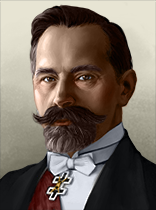
安塔纳斯·斯梅托纳 | 立陶宛民族联盟(LTS) | Starting Leader | ||
寡头 |
|
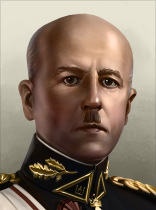
斯塔西斯·拉什蒂基斯 | 立陶宛民族联盟(LTS) | can come to power via focus  合并军政府与文官政府 | ||
Despotism |
|
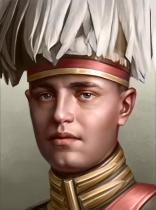
明道加斯三世 | 乌拉赫家族 | King of Lithuania 士兵国王 |
|
can come to power via focus  废除总统职位 |
Despotism |
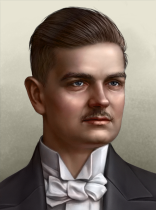
|
弗里德里希·克里斯蒂安 | 韦廷家族 | 王室正统派 |
|
可通过事件Friedrich Christian Supporters Demand Abdication上台 |
社会主义 |
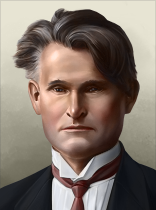
|
卡齐斯·格里纽斯 | 立陶宛基督教民主党(LKDP) | 民主改革者 |
|
can come to power via focus  恢复公开选举 |
斯大林主义 |
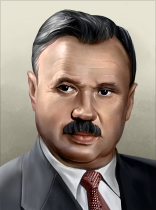
|
安塔纳斯·斯涅奇库斯 | 立陶宛共产党(LKP) | can come to power via  Overthrow Lietuviu Tautininku Sajunga if the focus 加入反对派 hasn't been taken | ||
马克思主义 |
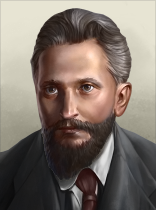
|
齐格马斯·安加列蒂斯 | 立陶宛共产党(LKP) | 虔诚的马克思主义者 |
|
can come to power via Overthrow Lietuviu Tautininku Sajunga if the focus 加入反对派 has been taken
|
法西斯主义 |

|
奥古斯丁纳斯·沃尔德马拉斯 | 铁狼 | can come to power via focus  统一军队 |
As a non-aligned country, Lithuania has good relations with other non-aligned countries (+10). Especially with its neighbour Latvia (+20) for also sharing the same ruling party. Lithuania has (-10) relations with Poland because Poland owns the state of Vilnius, which is a core state of Lithuania. Otherwise it's a mostly isolated country, with all diplomacy values revolving around "Different Ideology" (-10), "Same Ideology" (+10) and "Same Ruling Party" (+20). They also have a land border with 拉脱维亚; 波兰和 德意志国, and have coast with two Naval Bases (both Lvl. 1). However, Memel is usually seized by Germany.
Lithuania has no alliances at the start of the game. However, they may join the Międzymorze if created by 波兰.
立陶宛 的部长与军事幕僚
| 肖像 | 名称 | 特质 | 效果 | 要求 | 花费()
|
|---|---|---|---|---|---|

|
Antanas Snieckus | 共产主义革命者 |
|
|
150 |
| Antanas Snieckus | 共产主义革命者 |
|
150 | ||

|
奥古斯丁纳斯·沃尔德马拉斯 | Militant Minister |
|
150 | |
| 奥古斯丁纳斯·沃尔德马拉斯 | 法西斯煽动家 |
|
150 | ||

|
卡齐斯·格里纽斯 | 民主改革者 |
|
|
150 |

|
斯塔西斯·拉什蒂基斯 | Veteran Minister |
|
|
150 |

|
Vladas Jurgutis | 工业巨头 | – | 150 | |

|
Leonas Bistras | 仁慈绅士 |
|
– | 150 |

|
Mykolas Slezevicius | 恐怖亲王 |
|
– | 150 |

|
Mečislovas Gedvilas | 马克思主义原教旨主义者 |
|
|
150 |

|
Vladas Mironas | Priestly Prime Minister |
|
|
150 |

|
Antanas Venclova | 革命诗人 |
|
150 | |

|
Vytautas Alantas | 法西斯煽动家 |
|
150 | |

|
Ernestas Galvanauskas | Staunch Anti-German |
|
150 | |

|
Vytautas Petrulis | Agricultural Capitalist |
|
|
150 |

|
Aleksandras Stulginskis | Agricultural Nationalist |
|
150 | |

|
Jonas Staugaitis | 幕后暗算者 |
|
|
150 |

|
Vincas Mickevičius-Kapsukas | 爱国社会主义者 |
|
|
150 |
| 名称 | 特质 | 效果 | 花费()
|
|---|---|---|---|
| 约纳斯·切尔纽斯 | 军事理论家 |
|
100 |
| 文森塔斯·拉托扎伊特 | 空战理论家 |
|
100 |
| 名称 | 特质 | 效果 | 花费()
|
|---|---|---|---|
| 斯塔西斯·拉什蒂基斯 |
陆军防御(专家) |
|
100 |
| Feliksas Baltusis-Zemaitis | Army Drill (Genius) |
|
200 |
| 名称 | 特质 | 效果 | 花费()
|
|---|---|---|---|
| Antanas Kaskelis | 海军机动(专家) |
|
100 |
| Vladas Karvelis | 决战(专精) |
|
50 |
| 名称 | 特质 | 效果 | 花费()
|
|---|---|---|---|
| Juozas Ambrazevičius | 地面支援(专家) |
|
100 |
| Antanas Gustaitis | 空军改革者(天才) | 200 |
| 名称 | 特质 | 效果 | 花费()
|
|---|---|---|---|
| Juoza Barzda-Bradauskas | 火炮(专家) |
|
100 |
| Albinas Cepas | 步兵(专家) |
|
100 |
| Adolfas Ramanauskas | 隐蔽(专家) |
|
100 |
| 肖像 | 名称 |  技能 |
 攻击 |
 防御 |
 计划 |
 后勤 |
特质 | 要求 |
|---|---|---|---|---|---|---|---|---|
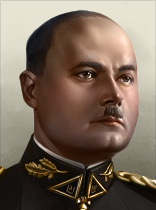
|
约纳斯·切尔纽斯 | 2 | 1 | 2 | 2 | 4 |  政治人脉  职业军官  Communist Sympathizer |
|
|
|
斯塔西斯·拉什蒂基斯 | 3 | 2 | 3 | 2 | 2 |  老卫队  Cautious  Veteran Anti-Bolshevik |
| 肖像 | 名称 | 技能 |
攻击 |
防御 |
计划 |
后勤 |
特质 | 要求 |
|---|---|---|---|---|---|---|---|---|
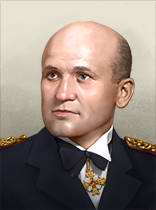
|
Antanas Gustaitis | 2 | 2 | 2 | 1 | 2 |  步兵军官  山地兵 |
|
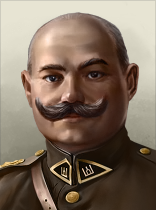
|
Edvardas Adamkavicius | 1 | 3 | 1 | 2 | 2 | 步兵军官 Veteran Anti-Bolshevik
|
|
|
|
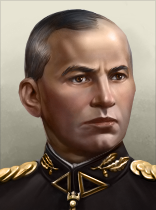
约纳斯·切尔纽斯 | 3 | 3 | 4 | 3 | 3 | 步兵军官 Communist Sympathizer
|
|
|
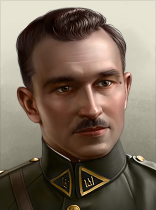
Kazys Musteikis | 2 | 3 | 2 | 1 | 3 | 步兵军官 Communist Sympathizer
|
|
|
Kazys Skučas | 2 | 2 | 1 | 4 | 1 |  战争英雄 Veteran Anti-Bolshevik |
|
| 通用 European |
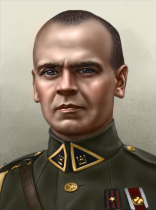
Pranas Saladžius | 2 | 2 | 4 | 3 | 2 | 职业军官战争英雄
|
|
|
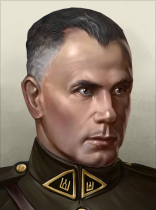
Stasys Pundzevičius | 2 | 2 | 3 | 2 | 1 |  骑兵军官 Veteran Anti-Bolshevik |
|
|
Vincas Vitkauskas | 3 | 4 | 4 | 3 | 3 | Communist Sympathizer
|
|
| 标志 | 名称 | 类型 | 效果 | 要求 | 花费()
|
|---|---|---|---|---|---|

|
工业连 | 工业财团 | – | 150 | |

|
电子连 | 电子学财团 |
|
– | 150 |
立陶宛 的设计公司。
| 标志 | 名称 | 类型 | 效果 | 要求 | 花费()
|
|---|---|---|---|---|---|

|
装甲连 | 坦克设计商 |
选择此设计公司后,只要它仍在受雇,就会永久影响其受雇期间研究的所有装备的性能。 |
– | 150 |
| 标志 | 名称 | 类型 | 效果 | 要求 | 花费()
|
|---|---|---|---|---|---|

|
海军连 | 舰船设计商 |
|
– | 150 |
| 标志 | 名称 | 类型 | 效果 | 要求 | 花费()
|
DLC |
|---|---|---|---|---|---|---|

|
皇家空军 | 中型飞机设计商 |
选择此设计公司后,只要它仍在受雇,就会永久影响其受雇期间研究的所有装备的性能。 |
|
150 |
|

|
ANBO | 轻型飞机设计商 |
选择此设计公司后,只要它仍在受雇,就会永久影响其受雇期间研究的所有装备的性能。 |
|
150 | |

|
重型航空连 | 重型飞机设计商 |
选择此设计公司后,只要它仍在受雇,就会永久影响其受雇期间研究的所有装备的性能。 |
|
150 | |

|
海军空军连 | 海军飞机设计商 |
选择此设计公司后,只要它仍在受雇,就会永久影响其受雇期间研究的所有装备的性能。 |
|
150 |
| 标志 | 名称 | 类型 | 效果 | 要求 | 花费()
|
DLC |
|---|---|---|---|---|---|---|

|
福特汽车公司 | 摩托化装备设计商 |
|
75 |
| |

|
RSAF Enfield | 步兵装备设计商 |
|
75 |
| |

|
Royal Arsenal | 火炮设计商 |
|
75 |
|
立陶宛 可使用这些军工产业组织。
| ||||||||||||||||||||||||||||||||||||||||||||||||||||||||||||||
| ||||||||||||||||||||||||||||||||||||||||||||||||||||||||||
| ||||||||||||||||||||||||||||||||||||||||||||||||||||||||||||||||||||||||||||||||||||||||||||||||||||||||||||||||||||||||||||||||||||||||||||||||||||||||||||
| ||||||||||||||||||||||||||||||||||||||||||||||||||||||||||||||||||||||||||||||||||||||||||||||||||||||||||||||||||||||||||||||||||||||||||||||||||||||||||||||||||||||||||||||||||||||||||||||||||||||||||||||||||||||||||||||||||||||||||||||||||||||||||||||||||||||||||||||||||||
| 征兵法案 | 贸易法案 | 经济法令 |
|---|---|---|
 有限征兵
|
 出口导向
|
 民用经济
|
 年份 |
 军用工厂 |
 海军船坞 |
 民用工厂 |
 建筑槽位 |
|---|---|---|---|---|
| 1936 | 2 | 0 | 5 (-2) | 18 |
*红色 中的数字表示生产消费品所需的民用工厂数量,依据经济法案以及军用与民用工厂总数向上取整。
年份 |
 石油 |
 铝 |
 橡胶 |
 钨 |
 钢铁 |
 铬 |
 煤 |
|---|---|---|---|---|---|---|---|
| 1936 | 0 | 0 | 0 | 0 | 3 (-1) | 0 | 0 |
*这些数字表示游戏开始一小时后可用的资源量。红色 中的数字表示因贸易法案而留作出口的资源量。
| 类型 | # 1936 | # 1939 | |
|---|---|---|---|
 |
步兵 | 8 | 5 |
 |
火炮 | 1 | 0 |
 |
骑兵 | 0 | 1 |
 |
师总数 | 9 | 6 |
 |
已用人力 | 18.28K | 46.60K |
Lithuania lacks enough manpower to fully equip its divisions in 1936.
| 师 | 名称列表 | # 1936 | # 1939 | 支援连 | 战斗营 |
|---|---|---|---|---|---|
 Pestininku Divizija |
步兵师 | 3 | 3 | 9x
| |
 Artilerija Divizija* |
步兵师 | 1 | 0 |  |
3x 3x
|
| Valstybės Sienos Apsaugos Skyrius* |
步兵师 | 5 | 0 | 2x 2x 
| |
| Kavalerijos Brigados^ |
骑兵师 | 0 | 1 | 3x
| |
| Anti-Communist Militia^ |
步兵师 | 0 | 2 |  |
7x
|
| * 标记的是在 1939 年开局中被移除的师。 ^ 标记仅存在于 1939 年开局中的师。 | |||||
| 类型 | # 1936 | # 1939 | |
|---|---|---|---|
 |
运输船队 | 10 | |
 |
舰船总数 | 0 | 0 |
|
已用人力 | 0 | 0 |
| 类型 |  1936 |
 1936 |
1939 |
1939
| |
|---|---|---|---|---|---|
 |
战斗机 | 48 | 39 | ||
 |
近距空中支援 | 0 | 0 | 30 | |
 |
战术轰炸机 | 0 | 30 | 0 | |
 |
飞机总数 | 48 | 48 | 69 | 69 |
|
已用人力 | 960 | 960 | 1.98K | 1.38K |
| 类型 | 机体 | Role | 主武器 | 副武器 | 发动机 | 特殊模块 |
|---|---|---|---|---|---|---|
| ANBO IV^ | 战间期小型 | CAS | 炸弹挂锁 | 2x 轻机枪 | 1x 发动机 II | |
| ^ 标记仅存在于 1939 年开局中的变体。 | ||||||
 以下是one of many玩家为立陶宛建议的战略。请记住,由于游戏的动态特性,其他玩家的情况可能会有所不同。
Lithuania is one of the most difficult minor nations to play, as it is a target of both the German Reich (who claims Memel) and the Soviet Union (who claims everything else). This makes Lithuania's position very precarious, as it cannot fight either power on its own. Since the USSR is by far the greatest threat to its survival, Lithuania must seek to ally itself with either the Axis or the Allies until it can stand on its own two feet.
Some things to know before starting:
For an aggressive Lithuania (as with most other minor powers), the optimal strategic approach is to pursue a fascist ideology. It is recommended that, at the outset of the game, the player prioritize the Political Branch of the National Focus Tree, aiming to reach the "Militarism" focus as expeditiously as possible. Subsequently, the player should commence work on the Industry branch. It is recommended that, as soon as the player has accrued sufficient political power, he should seek to enlist the services of a Fascist Demagogue in order to accelerate the transition to Fascism. The implementation of anti-communist and anti-democratic raids has the potential to enhance long-term stability, while concurrently mitigating the repercussions of the non-aligned party's diminishing influence over the nation.
Once the ruling party has been transformed into a fascist state, the player is required to justify a war goal against the neighbouring state of Latvia. In order to successfully conquer Latvia, it is highly recommended that the player have at least five or six infantry divisions, equipped with engineer companies, and have one or two more in training. Once a flanking maneuver has been executed through western or central Latvia, the tendency of the AI to rearrange its forces is likely to manifest, thereby enabling the player to occupy Latvia's three cities and compel its government to capitulate.
The subsequent objective should be the acquisition of Estonia. Upon the commencement of hostilities with Latvia, it is imperative to initiate the justification of a war objective against Estonia. Due to its limited population, Estonia is unable to deploy more than three or four divisions. However, these could potentially be augmented with additional units, such as seven infantry divisions and three artillery divisions. A player who is astute in their strategic planning can outmaneuver these forces with the more numerous Lithuanian divisions and force Estonia's capitulation in less than a month.
At this juncture, should Waking the Tiger be enabled and the player retain control of Memel, the player may elect to pursue the "Unite the Baltics" option, which bestows cores on all Baltic States and establishes the Baltic Unitary State.
To reclaim Vilnius from Poland under the Baltic Unitary State, significant luck is required. First, Poland must go down the "Poland First" branch of its focus tree, or else you will end up fighting an unwinnable war against the Allies. Next, Germany and the Soviet Union must not sign the Molotov-Ribbentrop Pact (this is not necessary, but it will make it much easier to take Vilnius without fighting the Soviet Union ). Start by joining the Axis and aiding Germany during the invasion of Poland. When the peace conference occurs, claim Wilno and any neighbouring states possible (states right next to the Soviet Union are not recommended as they will only lengthen the border you must defend). After the peace conference, the player may take the decision "Move the Capital to Vilnius", moving the player's capital to its rightful location. From here, the player can prepare for the inevitable war with the Soviet Union, and, in the event of victory, turn on whoever controls Memel and the rest of Poland to unite the entire Baltic region under one banner.
One of the hardest challenges is trying to keep Lithuania Non-Aligned and trying to survive and even win the war without switching ideologies.
This run is very heavily dependent on luck, as Soviet AI's decisions can ruin your game early, and in some cases, the allies you choose (either Japan, or Allies or Soviet Union) cannot defeat Germany in time. If you have access to  La Résistance, a less luck based strategy of signing NAP's with Germany and/or Soviet Union can be used. See a more detailed NAP descriptions below.
Going down the political branch of Nationalism without ever changing your government is enough to get "Militarism" focus and wield a substantial force. The composition of the force should depend on your plans, and specifically on the nations you are planning to face.
A short relation improvement later, you can easily send an Attache to your favorite side in the Spanish civil war, granting you a handful of Army experience you can use to set up your ideal divisions for your wars. This usually gives in excess of what a "Military Theorist" advisor can generate in the same time, but hiring him as well is an option, provided your strategy can spare the political power.
Whenever Germany does "Reassert Eastern Claims" focus, Lithuania gets an event demanding for Memel. If you have high relations with Britain or France, there's a good chance of getting a guarantee whenever you deny the German claims. Germany will declare war soon after. Depending on your goals, you can either join the Allies or remain a single state at war. If you manage the forces well, and make use of the general abilities, pushing at the German port can allow you to cut off German forces from supply allowing you to capture Ermland-Masuren and Königsberg states - this is very tricky to achieve, and might require multiple attempts. (Having many divisions in your army can sometimes be counter-productive as then the German AI can delay the start of the war and bring more troops over to your border, decreasing your chances or success considerably)
In this scenario German events concerning Czechoslovakia usually lead to Czechoslovakia joining the war and potentially raising the world tension to 50% opening your options by allowing justification of war-goals.
Sometimes, if the Allies are making good progress, this strategy leads to Germany delay the attack on Poland, or even forgo it entirely, which can spiral to Soviets attacking Poland in a couple of years, causing an Allies-Commintern conflict, that you can sometimes stay out off.
Having a good relation with Soviets sometimes gets you a few volunteer divisions against Germany (as the war for Memel usually starts before the Molotov-Ribentrop pact, and Germany and Soviets still don't have good relations) which also serves as an early warning-system for an impending Soviet attack. (They cannot declare war as long as you have their volunteers)
(requires justifying a war goal, so might be incompatible with seeking Alliance with Japan or Alliance with Soviets)
As the world tension reaches 50% (allowing justification of war-goals as non-aligned), and your luck is good, justifying on both Latvia and Estonia before Soviets send their ultimatums can allow you to reform the Baltic Unified States early (sometimes the Soviets start their justifications on Baltic states early, and their event forces the small nations to choose annexation with 100% certainty, robbing you of a chance to even declare war). It would also get Latvia and Estonia joining Axis as you declare the attacks. If you wish to join Allies, remember to start the justification first, as otherwise being in a Democratic faction can limit your war justification targets considerably. Conquering Latvia and Estonia can be done with a handful of 3-sized cavalry divisions (the template for which could be used for resistance suppression later) that prioritize going for victory points.
(requires justifying a war goal, so might be incompatible with seeking Baltic Unification or Alliance with Soviets)
Justifying a war-goal on one of inner high-manpower provinces in China and declaring a war, can lead to Japan sending you a faction invite, potentially drawing Japan into a war against Germany together with Allies. Depending on Japan's success, this could be a very strong alliance, or a really bad one if Japan capitulates earlier than you do. If you have token divisions to spare, sending them to japan to gainin a small percentage of war-score could even land you a single Chinese province in a peace deal, which, with high enough compliance or through colonial templates, could improve your glaring manpower issues.
By far the simplest option to go for- having a good relation with Britain or France gives you a high chance of getting a guarantee. Whenever you have a common war, the faction invite will come. Even when they don't guarantee you, holding out until the Allies join the war, would achieve the same thing.
Having an Alliance with Allies, also allows you to become a Government in Exile should you lose, but that strategy is not highly effective nor recommended.
(requires justifying a war goal, so might be incompatible with seeking Baltic Unification or Alliance with Japan)
Justifying a war-goal on Finland and declaring war can get Finland joining axis, and if you time the start of your war just as Soviet-Finald war starts (since Soviet AI can vary on the order of events, this is an issue of luck) you can get a common war with Soviets, and in turn join the Comintern.
Whichever side you are on, the USSR will get claims on your cores. Should their faction be busy with other wars, you might not get justified against, but usually it happens sooner or later. Having a "Prince of Terror" advisor can make Soviets prioritize justifying on Latvia or Estonia. Holding back USSR without a backing of another faction is nearly impossible, especially if you are already at war. Very luck dependent. It is better to seek out a NAP, if you have access to La Résistance, or try to go for a membership in Comintern by declaring war at Finland.
It is evident that there is no definitive strategy that can guarantee Poland's ability to withstand Germany's advances. Consequently, the likelihood of their defeat is high. Nevertheless, if one is not a member of the Allied forces, the deployment of a modest number of troops along the Kaunas-Vilnius border, followed by a decisive advance, could result in the capture of the former capital of Lithuania before the Soviet Union has an opportunity to claim it. Capturing Vilnius results in a modest augmentation of military personnel and, in most cases, the acquisition of a single civilian manufacturing facility. Should one join the Allied coalition after seizing Vilnius, the territory is retained until the conclusion of hostilities, contingent upon the ability to maintain control.
Following the capitulation of Poland, it is advisable to maintain a defensive position against Germany until the United States enters the war. Given that the Soviet Union is to receive half of Poland, this leaves two potential frontlines against Germany. The first objective can be achieved by maintaining a defensive position at Königsberg, where there is a three-province border, or by initiating a strategic withdrawal along the five provinces adjacent to the Nemunas River (six provinces, if Wilno is secured following the capitulation of Poland). Should one possess a well-balanced military force, including a means of penetrating the enemy's lines and a robust assault capability to counter German tanks, particularly in the later stages of the conflict, then a strategy of holding one's position while fortifying it could prove an effective approach.
抵抗运动This strategy can be applied not only to the Non-Aligned Lithuania, but is most useful for the Non-Aligned ideology, as both Fascist and Communist Lithuania are better served with an agressive start.
Successfully done it allows to safely wait out until the world tension reaches 50% and getting ability to justify war goals yourself, as well giving back control over when Lithuania can enter the war.
To gain some breathing room with Lithuania one should prioritize doing a few couple of civilian focuses of the generic tree before getting the military factories. "Construction Effort" and "Construction Effort II" coupled with changing mobilization laws to "Partial Mobilization" is just enough to have 5 required factories for establishing the secret service. (Getting five secret service upgrades or getting the "Illusive Gentleman" could increase the operative count but that is optional unless you plan to make extensive use of the operatives, and the factories are arguably better spent improving the economy).
Using your operative, coupled with a short improve-relations action, can get you NAP's with Germany and Soviets. Best time to start working on the NAP with Germany is soon after Anschluss, and with Soviets it's better done before Molotov-Ribbentrop Pact (it's important to this before modifiers for aggressive goals directed at Lithuania kick in). In this case, when Germany demands Memel, Lithuania can safely decline as the NAP will hold the Germans back. For as long as Lithuania has enough troops stationed on German-Lithuanian border the NAP will hold. This delay in German aggression also ensures a near-certain getting of guarantees from France and/or Britain. Getting a NAP with Soviets before Poland is attacked gets you a shared border before the Soviets can cancel the NAP, and keeping troops on the Lithuanian-Soviet border ensures that the Soviets cannot start justification on you, protecting you from the Soviet Ultimatum event.
If you need a better deterrent against breaking a NAP, remember that division size doesn't matter and stacking your border with 1-size divisions increases the amount of divisions Germany or Soviet Union needs to bring to your border to break the NAP.
The best moment to break the NAP would be at the start of German-USSR war. Joining Axis is a lot easier, since at that point USSR controls one of your cores, and being at war, your justification on Wilno would only take ~15 days, and barely cost any political power, allowing you to attack Soviets ~15 days after Germany does, leading to a near-guaranteed invitation to Axis. Mind, that at this point you do not need to join the Axis-Allies war, even as you will be constantly bombarded with invitations to that war from Axis members.


| 西欧 |
|
| 东欧 |
| 西欧 |
|
| 东欧 | 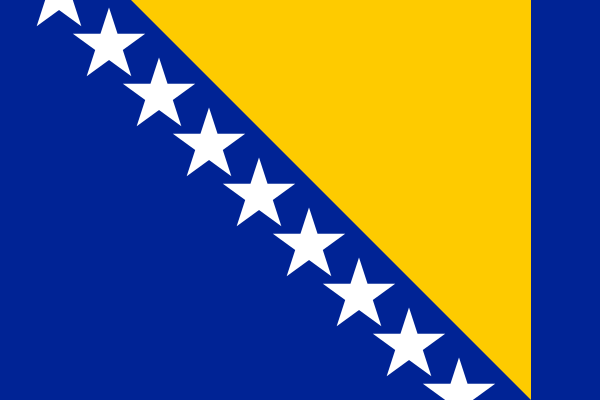 波斯尼亚-黑塞哥维那 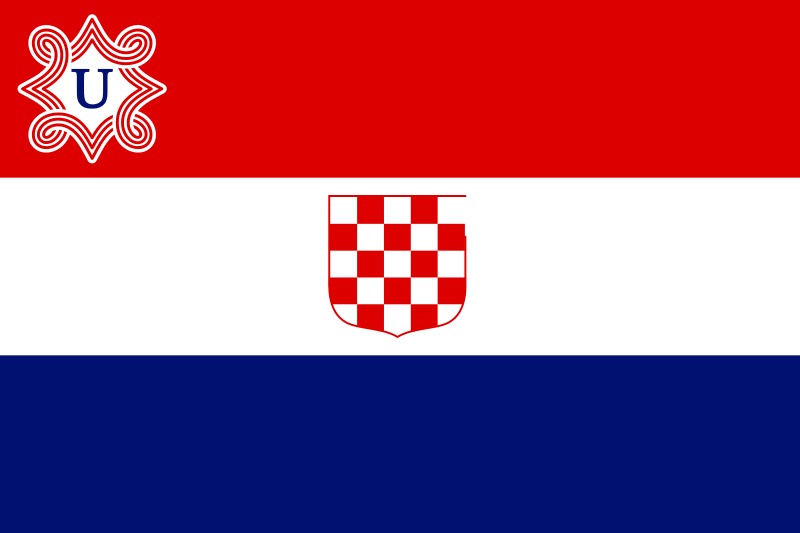 克罗地亚  塞浦路斯  黑塞哥维那  卡舒比  科索沃  马其顿  摩尔多瓦  黑山  塞尔维亚  西里西亚  斯洛伐克  斯洛文尼亚  特兰西瓦尼亚 |
| 苏联 |
|
 战争支持度:
 Restore the Worker's Republic
 Free Voldemaras

 A Martial Prime Minister


 A Revolutionary Cabinet
 A Priestly Prime Minister
 Reconvene the Seimas
 Soviet Military Staff
 Lithuanian Activist Front


 Harju Ford Industry


 与以下互斥:




 克罗斯利汽车







 匈牙利

 巴登-符腾堡
 巴斯克地区
 Bavaria
 布列塔尼
 Catalonia
 Corsica
 加利西亚
 Hesse
 伦巴底-威尼西亚
 Malta
 梅克伦堡
 北爱尔兰
 奥克西塔尼亚
 教宗国
 Prussia
 莱茵共和国
 萨普米
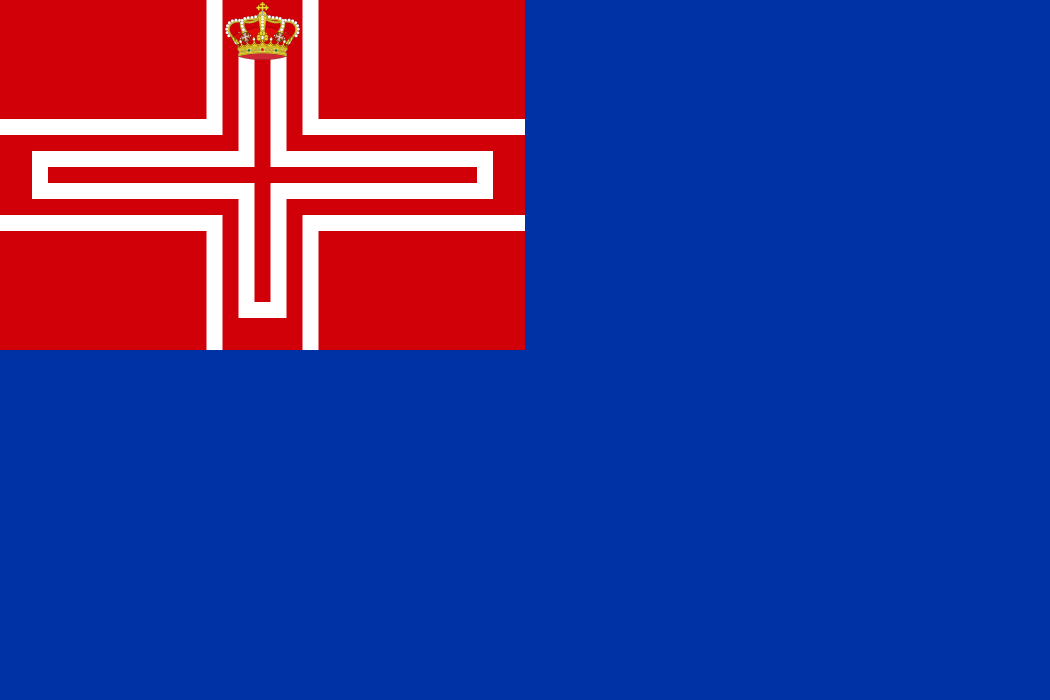 Sardinia-Piedmont
 Saxony
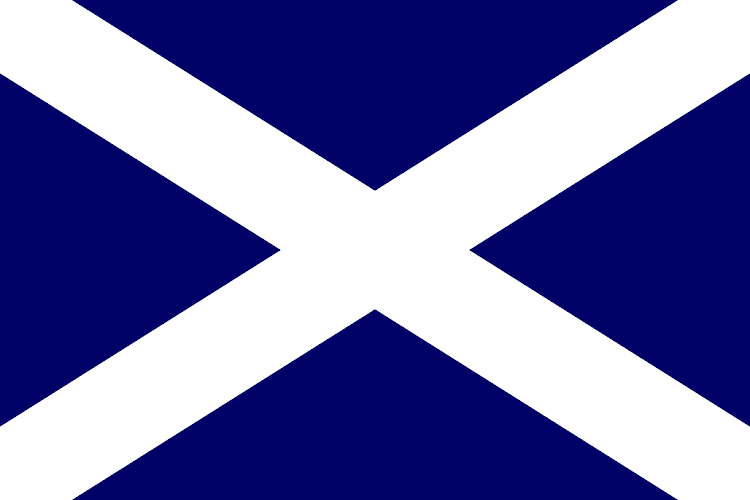 苏格兰
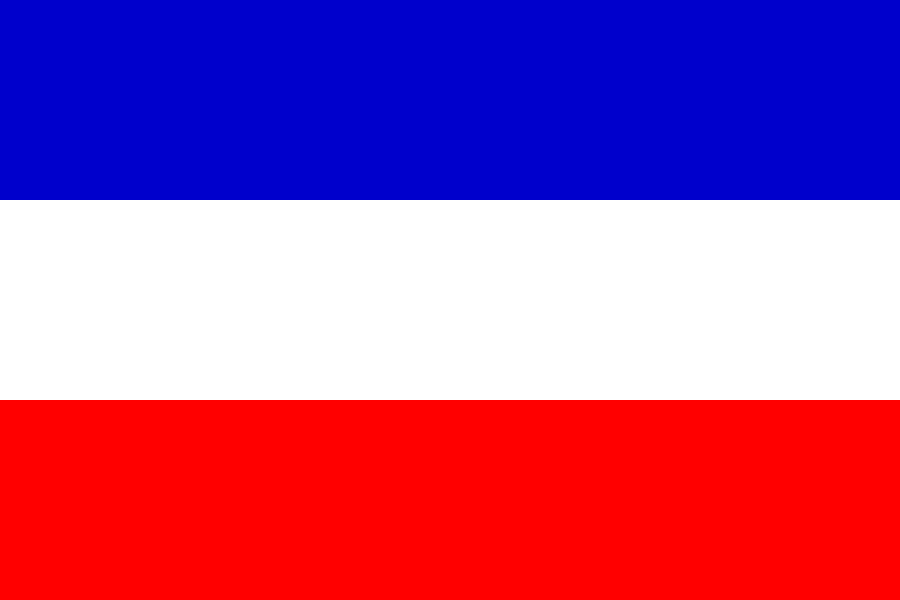 石勒苏益格-荷尔斯泰因
 Thuringia
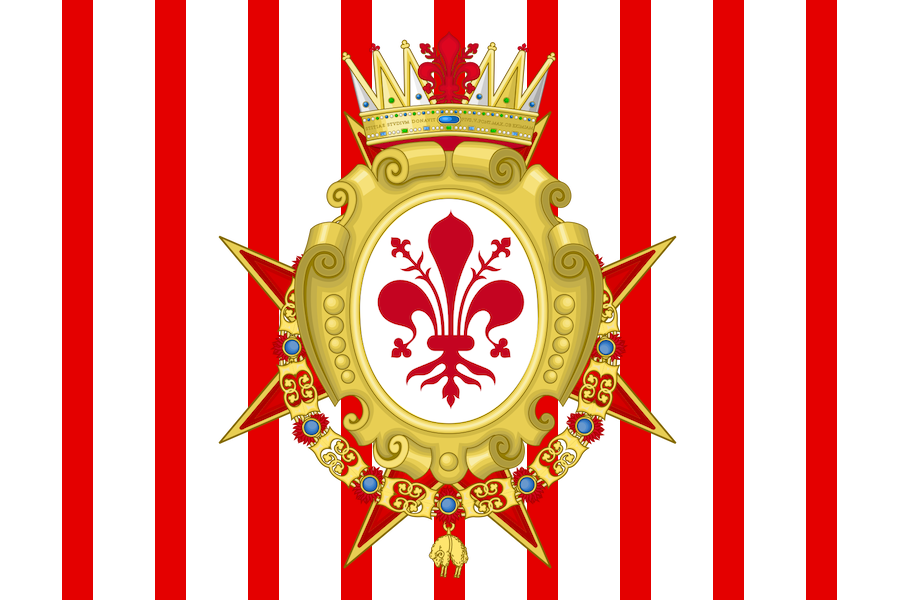 Tuscany
 两西西里
 威尔士
 威斯特法伦
 阿布哈兹
 Bashkortostan
 白俄罗斯
 Chechnya-Ingushetia
 楚瓦什
 Crimea
 Dagestan
 Kabardino-Balkaria
 Kalmykia
 卡累利阿
 Komi
 马里埃尔
 涅涅茨
 北奥塞梯-阿兰
 Tatarstan
 乌德穆尔特
 乌克兰
 伏尔加德意志