| 陆军科技 | 海军科技 | 空军科技 | 电子与工业 |
|---|---|---|---|
|
「无」 |
「无」 |
「无」 |
| 陆军学说 | 海军学说 | 空军学说 |
|---|---|---|
|
「无」 |
「无」 |
原页面:Chinese Soviet Republic
The 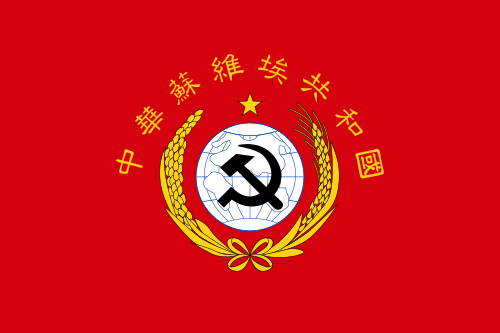 中华苏维埃共和国, also known as 共产主义中国, is a minor nation in eastern Asia with a population of 7.01 M in the 1936 start date. It borders
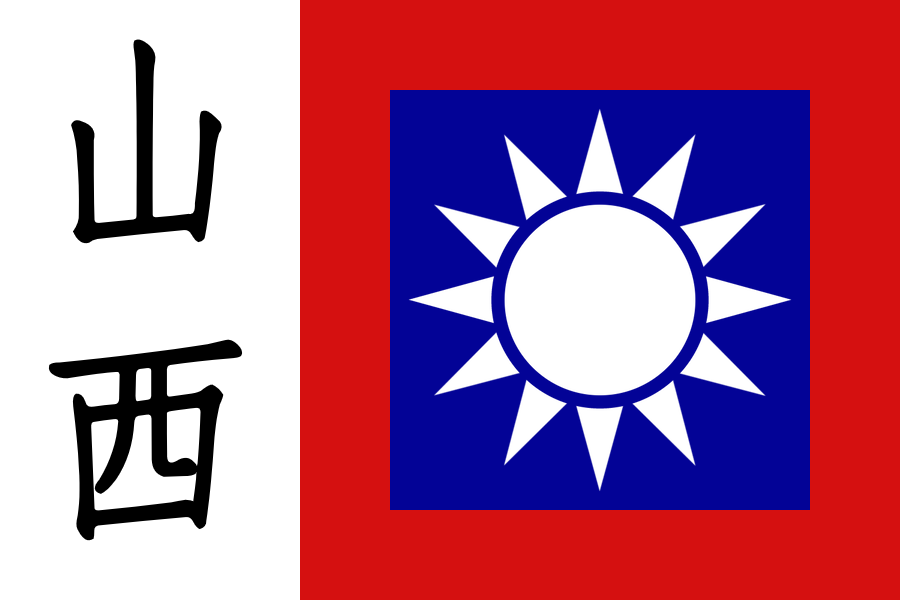 晋系 to the north and east,
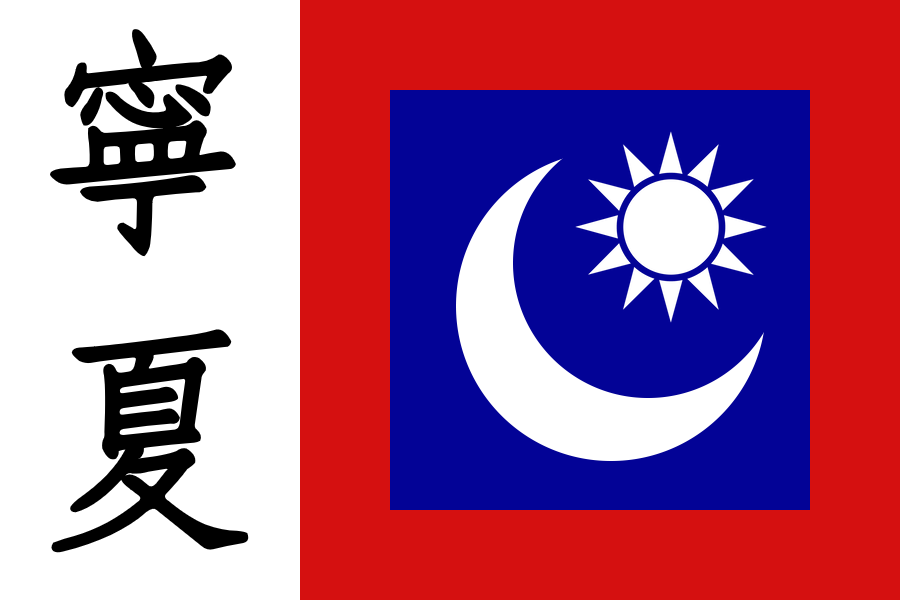 宁马(马家军) to the west, and the
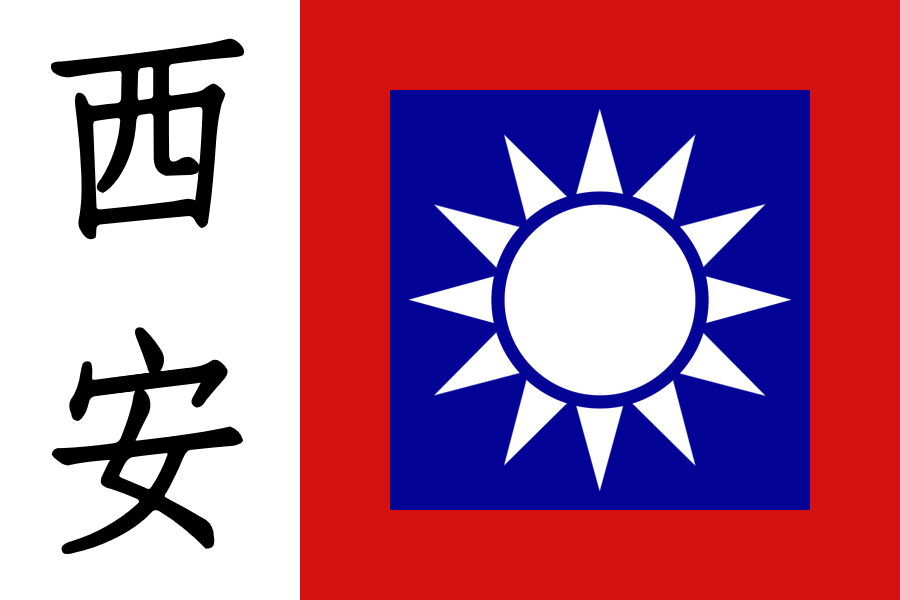 东北军 to the south. Communist China begins the game controlling the small and poor states of Shaanbei and Yulin with few factories and poorly equipped troops. However, its mountainous terrain, reasonable population, and starting forts provide a strong defensive position and a base from which it can expand its influence in China, with the potential to emerge as the underdog victor of the Chinese Civil War.
In 1912 following the Xinhai Revolution, the Qing Dynasty collapsed, and the Republic of China was formed. However, various warlords also arose, carving out territories from the former empire. In 1921, with the Western powers having ignored pleas for aid in confronting the warlords, the  苏联 answered by supporting both the Communist Party of China and the much larger Chinese nationalist Kuomintang government of the
 中华民国. Under Soviet urging, the two sides formed the First United Front in 1923. In 1927, tensions between communists and nationalists flared, with left-wing KMT members either joining Mao Zedong's CPC or being purged by Chiang Kai-shek's right wing KMT. Soon, armed communist revolts erupted between both parties and the Ten Year Civil War began.
Nationalist campaigns into communist territory in southern China were interrupted from 1929 through 1931, when Japanese expansion into Manchuria (the Mukden Incident and subsequent territorial concessions) and Northern China halted nationalist offenses for a time. Mao's forces declared independence as an otherwise unrecognized 中华苏维埃共和国 existing in various pockets throughout China. 1932 to 1933 saw limited success for the KMT, though new failure to halt  日本 forced demilitarization of the area around Beijing. But in 1934, careful encircling maneuvers crushed communist pockets, leading Mao's forces to exile on the Long March, nearly obliterating the communists in the process. However, the surviving communists reorganized in Yan'an in far northern China during 1935-1936. There, Mao's conviction in communism's inevitability strengthened. The civil war was temporarily halted in 1937 when 日本 invaded 中国 and the CPC and KMT formed the Second United Front to battle the Japanese, but almost immediately resumed after the latter's surrender, ending with the Republic of China's retreat to Taiwan and the establishment of the People's Republic of China under Mao on the mainland.
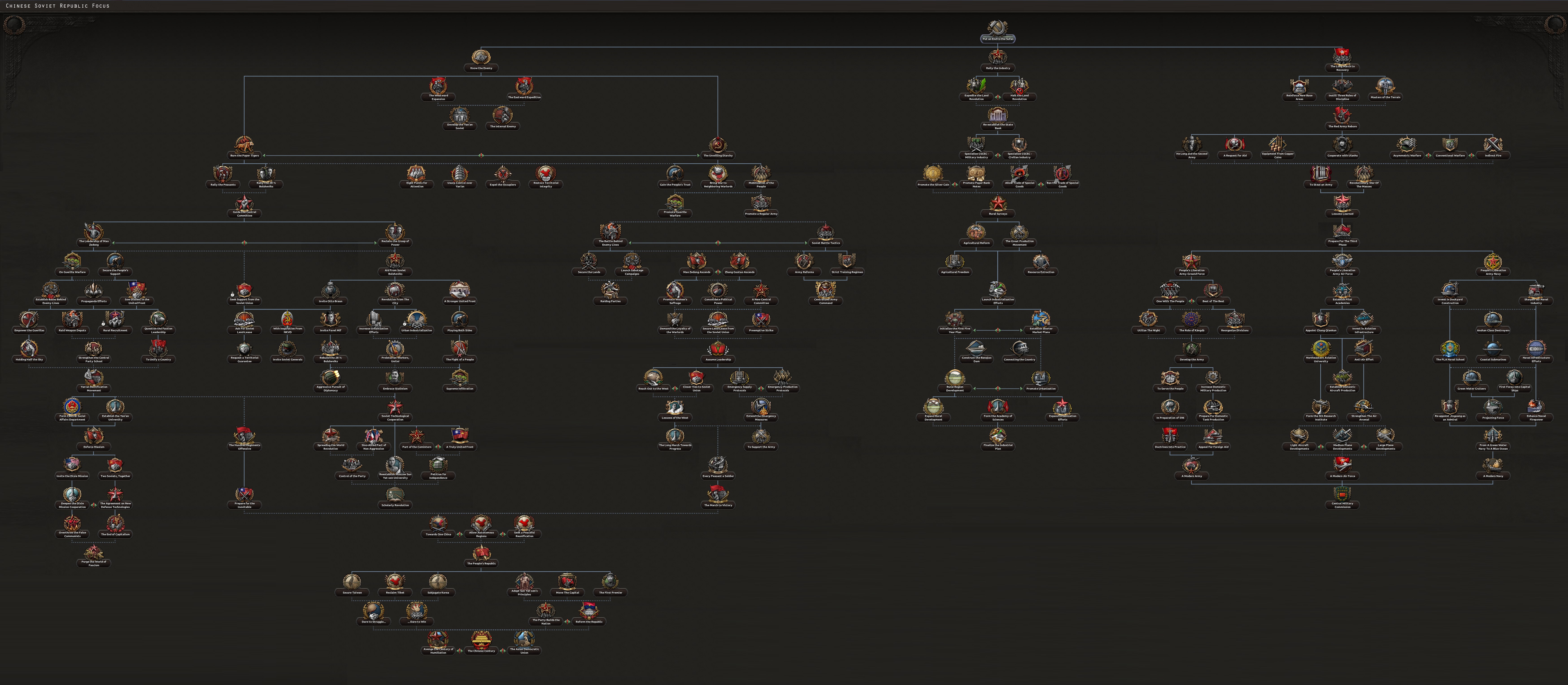
 不妥协,不投降的中华人民共和国国策树。
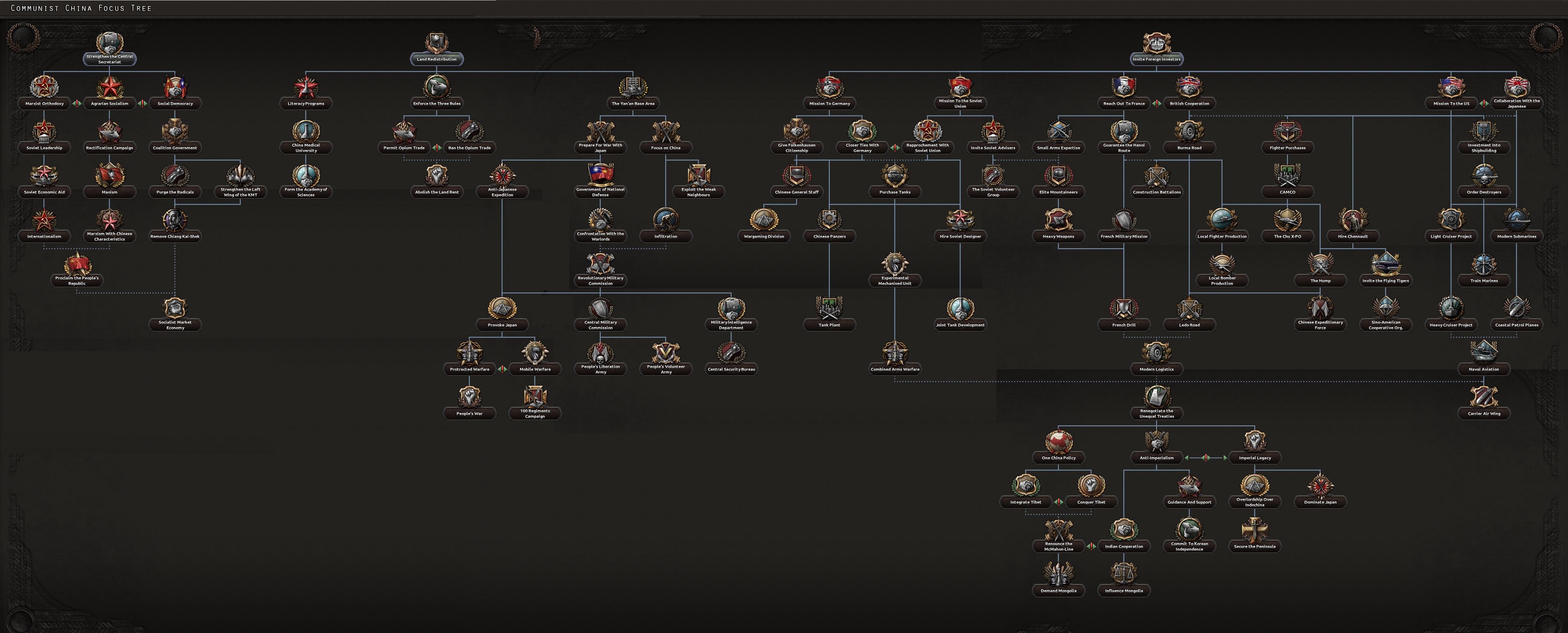
共产主义中国 got a unique national focus tree as part of the  唤醒猛虎 expansion. Ever since the DLC's integration, it is now available in the base game. It received its own unique expansion of their national focus tree in the 不妥协,不投降 Expansion Pack DLC.
The Communist Chinese national focus tree is a single branch divided into x sub-branches:
 稳定度和
 政治点数.稳定度 modifier, the ability to go to border wars with the 东北军, gain
 战争目标 against 日本, its vassals, for Chinese cores, and request the Chinese treaty ports.
 美国 or the 苏联. It can then attack the opposing ideology then attack
 法西斯主义 nations. 苏联.
 The People's Front faction. 苏联. It makes 王明 or 博古 as leader of the nation.war goals against non-allied Chinese nations, request subjugation from allied Chinese nations as well as war goals against non-allied Chinese nations, or request annexation of the Chinese leader, as well as integration of the warlords. Afterwards the country will then form the
 中华人民共和国. Then, the left side of the section focuses on expansion towards Taiwan with naval invasion bonuses and towards
 Tibetan和
 Korean cores. The right side drifts the country towards
 民主主义 and becomes the Chinese Republic, or sets the power towards the
 共产主义 party. The bottom of the section either declares war against western nations that own Chinese cores, declares war against surrounding Asian nations, or builds a faction with 民主主义 Asian nations.
 Agrarian Society. It will then switch over to Agrarian Reform. The Chinese Soviet Republic may then choose to follow a 5 year industrial plan, or choose a faster plan, where the country must complete construction goals before a time limit. The country may then choose to be rural focused or switch the modifier to an Urban Society.
 The Chinese Red Army in order to negate the effects caused by the Long March. The Chinese Red Army modifier to the
 People's Liberation Army Ground Force. It also gives army technology and doctrine bonuses.
 People's Liberation Army Air Force modifier and gives bonuses to air doctrine and technology.
 People's Liberation Army Navy modifier and gives bonuses to air doctrine and technology.
Without the 不妥协,不投降 DLC, 共产主义中国 starts with the following 国家精神:
With the 不妥协,不投降 DLC, the 中华苏维埃共和国 starts with the following instead:
中华苏维埃共和国开局时有 2 个可用科研槽;另外 3 个可通过国策树解锁。
| 陆军科技 | 海军科技 | 空军科技 | 电子与工业 |
|---|---|---|---|
|
「无」 |
「无」 |
「无」 |
| 陆军学说 | 海军学说 | 空军学说 |
|---|---|---|
|
「无」 |
「无」 |
| 陆军科技 | 海军科技 | 空军科技 | 电子与工业 |
|---|---|---|---|
|
「无」 |
「无」 |
未启用《抵抗运动》
|
| 陆军学说 | 海军学说 | 空军学说 |
|---|---|---|
|
「无」 |
「无」 |
The 中华苏维埃共和国 has a number of unique names for various technologies and equipment, listed here. Note that generic names are not listed.
| 类型 | 1918 | 1936 | 1939 | 1942 |
|---|---|---|---|---|
| 步兵装备 | 八八式 | 二四式 | 青岛 MP18 | PPSh-41 |
| 科技年份 | 轻型(反坦克/自行火炮/防空) | 中型(反坦克/自行火炮/防空) | 现代(反坦克/自行火炮/防空) | 重型(反坦克/自行火炮/防空) | 超重型(反坦克/自行火炮/防空) |
|---|---|---|---|---|---|
| 1918 | NA | ||||
| 1934 | 34 年式(PTZ 34 / PLZ 34 / PGZ 34) | 34 年式 大(PTZ 34 D / PLZ 34 D / PGZ 34 D) | |||
| 1936 | 36 年式(PTZ 36 / PLZ 36 / PGZ 36) | ||||
| 1938 | 39 年式(PTZ 39 / PLZ 39 / PGZ 39) | ||||
| 1940 | 41 年式(PTZ 41 Z / PLZ 41 Z / PGZ 41 Z) | 41 年式 大(PTZ 41 D / PLZ 41 D / PGZ 41 D) | |||
| 1941 | 41 年式(PTZ 41 / PLZ 41 / PGZ 41) | 44 年式(PTZ 44 / PLZ 44 / PGZ 44) | |||
| 1943 | 43 年式(PTZ 43 / PLZ 43 / PGZ 43) | 43 年式 大(PTZ 43 D / PLZ 43 D / PGZ 43 D) | |||
| 1945 | 59 年式(PTZ 59 / PLZ 59 / PGZ 59) | ||||
| 备注:若无一步不退,中型坦克 I 与 II 将推迟一年解锁。 | |||||
| 科技年份 | 近距空中支援 | 战斗机 | 海军轰炸机 | 重型战斗机 | 战术轰炸机 | 战略轰炸机 |
|---|---|---|---|---|---|---|
| 1933 | Lenin | H-1 | NA | |||
| 1936 | Q-1 | J-1 | Y-1 | JH-1 | H-2 | H-5 |
| 1940 | Q-2 | J-2 | Y-2 | JH-2 | H-3 | H-6 |
| 1944 | Q-3 | J-3 | Y-3 | JH-3 | H-4 | H-7 |
中华苏维埃共和国拥有 2 个州。
| 州 | 城市 | 
|
地形(省份数) | 区域 | 
|
|---|---|---|---|---|---|
| 陕北 | Wayaobu | 1 |  沙漠 (1)  山地 (2) |
发达乡村区 | 1,278,000 |
| 榆林 | 榆林 | 1 | 沙漠 (2)山地 (1)
|
发达乡村区 | 1,057,400 |
Communist (Marxism)
 可以强迫另一个国家的政府采纳相同的意识形态。
 可派遣志愿军
共产主义中国 starting political parties.
| 政党 | 意识形态 | 支持率 | 党派领袖 | 国名 | 是否执政? |
|---|---|---|---|---|---|
| 中国共产党 | 共产主义 |
100% | 毛泽东 | 共产主义中国 | 是 |
| 中国共产党 | 共产主义 |
Focus only | 王明 | 共产主义中国 | No, can come to power via the  马克思主义正统 focus. |
| 中国共产党 | 共产主义 |
Focus only | 张澜 | 共产主义中国 | No, can come to power via the  社会民主主义 focus. |
| Kuomintang Revolutionary Committee | 民主主义 |
0% | Kwong Hu | 中华共和国 | No |
| 法西斯主义 | 法西斯主义 |
0% | Luo Zhao | 中华帝国 | No |
| 中立主义 |  中立主义 |
0% | Liang Ma | 中国 | No |
| 意识形态 | 肖像 | 名称 | 党派 | 特质 | 效果 | 可用 |
|---|---|---|---|---|---|---|
民主主义 |
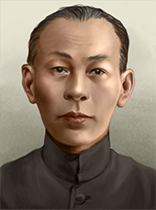
|
Kwong Hu | Kuomintang Revolutionary Committee | Hawk |
|
起始领袖 |
社会主义 |
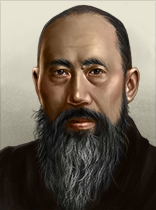
|
张澜 | KMT-RC | 务实的社会主义者 |
|
After completing the focus  改革共和国 if 中国 has 不 completed focus  Revive the Chinese Action Committee |
社会主义 |
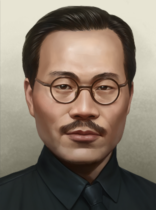
|
陈铭枢 | KMT-RC | 务实的社会主义者 |
|
After completing the focus 改革共和国 if 中国 has completed focus Revive the Chinese Action Committee
|
马克思主义 |
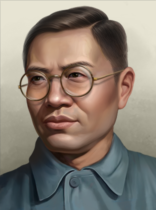
|
张闻天 | 中国共产党(中共) | 总书记 |
|
起始领袖 |
马克思主义 |
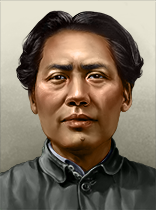
|
毛泽东 | 中国共产党(中共) | 事实上的领袖 |
|
Can come to power via focus  毛泽东上台 or via focus  毛泽东的领导 |
马克思主义 |
|
毛泽东 | 中国共产党(中共) | Cornered Fox |
|
Starting leader (NCNS disabled) |
斯大林主义 |
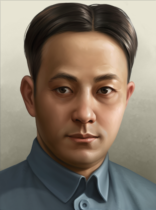
|
王明 | 中国共产党(中共) | 派系外交家 |
|
After completing the focus 马克思主义正统 (NCNS disabled) or via event Wang Ming or Bo Gu as leader of the Chinese Soviet Republic through focus  Reclaim the Grasp of Power |
斯大林主义 |
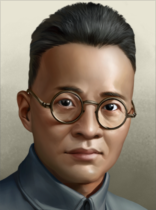
|
博古 | 中国共产党(中共) | 领导层回归 |
|
can come to power via event Wang Ming or Bo Gu as leader of the Chinese Soviet Republic through focus Reclaim the Grasp of Power
|
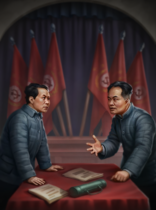
列宁主义 |
|
不情愿的双头政治 | 中国共产党(中共) | 我们敌人的敌人 |
|
can come to power via focus  不情愿的双头政治 |
斯大林主义 |
|
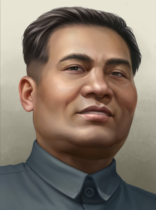
张国焘 | 中国共产党(中共) | 寻求复仇 |
|
can come to power via focus  Zhang Guotao Ascends |
斯大林主义 |
|
张澜 | 中国共产党(中共) | – | – | After completing the focus 社会民主主义 (NCNS disabled)
|
法西斯主义 |
|
Luo Zhao | 法西斯主义 | 金融专家 军备组织者 |
|
起始领袖 |
中立主义 |
|
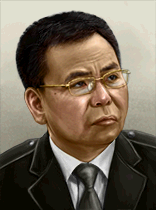
Liang Ma | 中立主义 | 金融专家 |
|
起始领袖 |
Possible country names for 共产主义中国.
| 同上 | 国家名称 |
|---|---|
|
中华共和国 |
|
共产主义中国 |
|
中华帝国 |
|
中国 |
Communist China starts the game bordering the 东北军, 宁马(马家军), and 晋系. In the north 日本 may justify a war goal with the Chinese Border Incident, and Communist China will most likely end up at war with the Japanese.
Communist China begins with a 稳定度 of 57% and a  战争支持度 of 52%.
In the 1936 start date, Communist China has no alliances. In 1939 however, it is in the 中国统一战线 faction with 中国 that is at war with 日本.
Ministers and military staff of 共产主义中国.
| 肖像 | 名称 | 特质 | 效果 | 要求 | () 花费 |
|---|---|---|---|---|---|

|
Lin Bojiu | 军备组织者 | – | 150 | |

|
Zhou Enlai | 意识形态斗士 |
|
– | 150 |

|
Liu Shaoqi | 沉默的实干家 |
|
– | 150 |
| He Yuandang | 军工实业家 | – | 150 | ||

|
Dong Biwu | 受拥戴的傀儡领袖 |
|
– | 150 |

|
康生 | 恐怖亲王 |
|
|
75 |

|
罗瑞卿 | 神秘绅士 |
|
|
150 |

|
邓小平 | 工业巨头 |
|
150 | |

|
张国焘 | 共产主义革命者 |
|
150 |
| 肖像 | 名称 | 特质 | 效果 | 要求 | () 花费 |
|---|---|---|---|---|---|

|
刘伯承 | 军事理论家 |
|
– | 100 |

|
Hsia Tian | 空战理论家 |
|
– | 100 |

|
Zhang Wei | 海军理论家 |
|
– | 100 |

|
克莱尔·李·陈纳德 | 空战理论家 |
|
|
25 |
| 肖像 | 名称 | 特质 | 效果 | 要求 | () 花费 |
|---|---|---|---|---|---|

|
Zhu De | 陆军士气(专家) |
|
– | 100 |

|
Su Yu | 陆军改革者(专家) | – | 100 | |

|
Otto Braun | 老卫队 |
|
– | 50 |
| Ma Jin | 陆军防御(专家) |
|
– | 100 | |

|
亚历山大·冯·法肯豪森 | 陆军进攻(专家) |
|
|
50 |
| 肖像 | 名称 | 特质 | 效果 | 要求 | () 花费 |
|---|---|---|---|---|---|

|
Ziao Jingguang | 海军机动(专家) |
|
– | 100 |
|
|
Gao Qiu | 决战(专家) |
|
– | 100 |
| 肖像 | 名称 | 特质 | 效果 | 要求 | () 花费 |
|---|---|---|---|---|---|

|
方泽一 | 地面支援(专家) |
|
– | 100 |
|
|
Gao Gang | 航空安全(专家) |
|
– | 100 |
|
|
克莱尔·李·陈纳德 | 地面支援(专家) |
|
|
25 |
| 肖像 | 名称 | 特质 | 效果 | 要求 | () 花费 |
|---|---|---|---|---|---|

|
Chen Yi | 装甲(专家) |
|
– | 100 |

|
Xu Xiangqian | 步兵(专家) |
|
– | 100 |

|
Nie Rongzhen | 陆军重整(专家) |
|
– | 100 |

|
Chen Geng | 工事(专家) |
|
– | 100 |

|
Ye Jianying | 陆军后勤(专家) |
|
– | 100 |
|
|
Liang Shen | 空战训练(专家) |
|
– | 100 |

|
Deng Ye Peng | 两栖突击(专家) |
|
– | 100 |
| 肖像 | 名称 |  技能 |
 攻击 |
 防御 |
 计划 |
 后勤 |
特质 | 要求 |
|---|---|---|---|---|---|---|---|---|
|
|
毛泽东 | 4 | 2 | 4 | 3 | 4 |  Cautious  政治人脉  防御学说  Survivor of the Long March |
|
|
|
张国焘 | 3 | 4 | 2 | 2 | 2 |  步兵军官 |
|
|
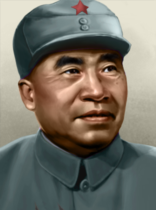
Zhu De | 4 | 4 | 3 | 4 | 4 |  杰出战略家  组织者 Survivor of the Long March |
| 肖像 | 名称 | 技能 |
攻击 |
防御 |
计划 |
后勤 |
特质 | 要求 |
|---|---|---|---|---|---|---|---|---|
|
|
博古 | 3 | 4 | 3 | 2 | 2 | 步兵军官
|
|
|
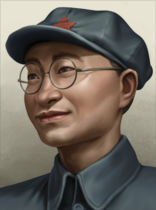
Chen Geng | 3 | 2 | 3 | 2 | 3 | 步兵军官 游击战士 Survivor of the Long March |
|
|
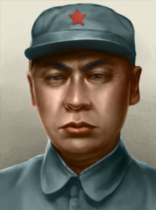
Chen Yi | 3 | 3 | 2 | 3 | 2 | 步兵军官组织者
|
|
| 3 | 4 | 3 | 2 | 2 | 步兵军官
|
|||
|
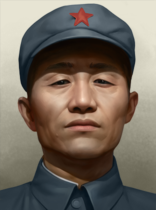
Cheng Zihua | 1 | 2 | 2 | 1 | 2 | Survivor of the Long March
|
|
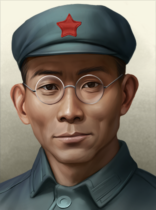
|
Deng Zihiu | 2 | 2 | 2 | 2 | 1 | 游击战士
|
|
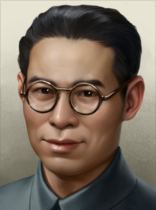
|
Gao Gang | 2 | 1 | 1 | 2 | 3 | 步兵军官组织者
|
|
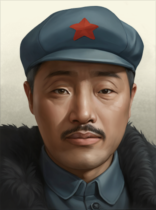
|
He Long | 4 | 4 | 3 | 3 | 3 |  民兵军官  山地兵游击战士 |
|
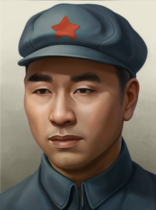
|
Lin Biao | 4 | 5 | 3 | 5 | 2 | 杰出战略家 Reckless游击战士 Survivor of the Long March |
|
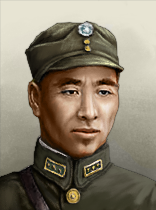
|
5 | 4 | 5 | 3 | 4 | 步兵军官山地兵
|
||
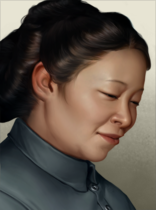
|
Li Zhen | 3 | 3 | 3 | 2 | 2 | 游击战士 Survivor of the Long March
|
|
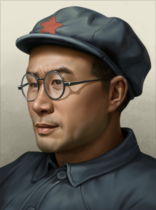
|
刘伯承 | 4 | 3 | 3 | 5 | 3 |  老卫队  严厉领袖  步兵将领 Survivor of the Long March |
|
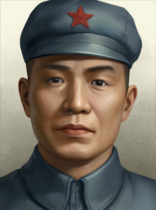
|
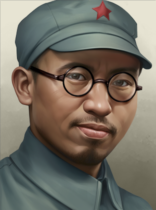
Lu Sheng | 2 | 2 | 2 | 1 | 2 | 民兵军官游击战士
|
|
|
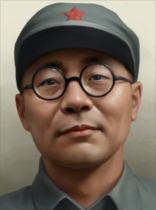
Luo Ronghuan | 2 | 2 | 2 | 1 | 2 |  职业军官 Survivor of the Long March |
|
|
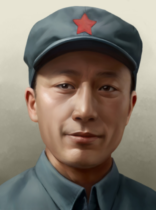
罗瑞卿 | 2 | 2 | 1 | 2 | 2 | 政治人脉 Survivor of the Long March
|
|
|
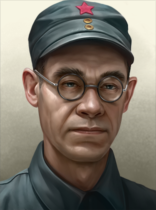
Nie Rongzhen | 3 | 2 | 3 | 2 | 3 | 步兵军官游击战士 Survivor of the Long March
|
|
|
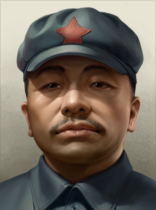
Otto Braun | 1 | 1 | 1 | 1 | 1 | 老卫队步兵军官 Survivor of the Long March
|
|
|
Peng Dehuai | 4 | 3 | 6 | 4 | 3 |  顽固战略家山地兵 Survivor of the Long March |
|
|
|
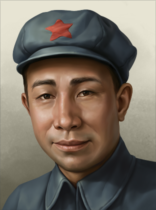
4 | 3 | 5 | 3 | 2 | 步兵军官山地兵
|
||
|
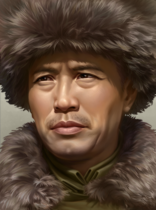
Su Yu | 4 | 4 | 3 | 3 | 3 | 步兵军官民兵军官组织者
|
|
|
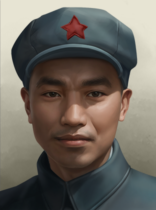
Ulanhu | 2 | 2 | 2 | 1 | 3 |  骑兵将领 |
|
|
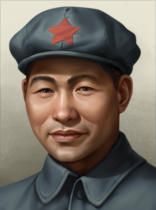
Xiao Ke | 2 | 1 | 2 | 2 | 2 | 组织者 Survivor of the Long March
|
|
|
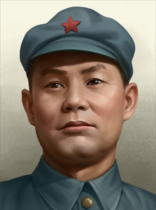
Xiao Jinguang | 2 | 3 | 2 | 2 | 1 | 老卫队严厉领袖 工兵 Survivor of the Long March |
|
|
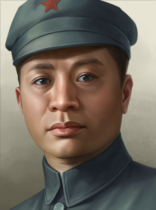
Ye Jianying | 2 | 2 | 2 | 1 | 2 | 政治人脉
|
|
|
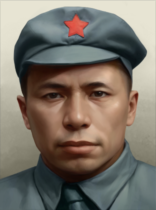
Ye Ting | 2 | 2 | 2 | 2 | 1 | Cautious
|
|
|
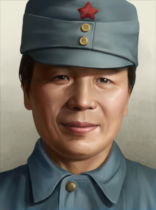
Zhang Dingcheng | 2 | 1 | 2 | 2 | 2 | 民兵军官 Survivor of the Long March
|
|
|
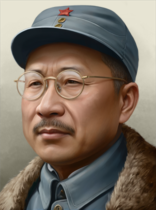
Zhang Qinqiu | 2 | 2 | 2 | 2 | 1 | 民兵军官 Survivor of the Long March
|
|
|
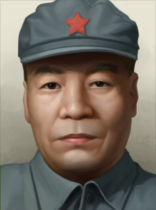
Zhang Yunyi | 2 | 1 | 1 | 3 | 2 | 游击战士
|
|
|
Zhang Zongxun | 3 | 2 | 2 | 2 | 3 | 民兵军官 Reckless Survivor of the Long March
|
|
|
|
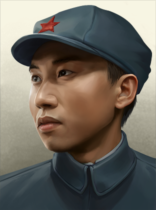
Zhu De | 4 | 3 | 3 | 3 | 4 | 步兵军官组织者
|
|
|
Zuo Quan | 3 | 3 | 3 | 1 | 3 |  诡计者 Survivor of the Long March |
|
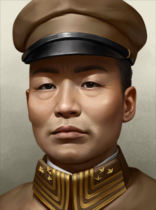
|
刘文辉 | 2 | 4 | 1 | 1 | 2 | 严厉领袖
|
|
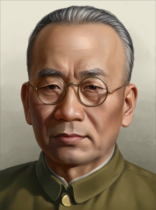
|
Ma Hongbin | 3 | 2 | 3 | 3 | 2 | - |
|
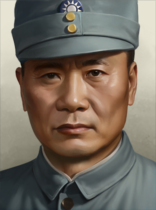
|
卢汉 | 3 | 4 | 2 | 1 | 3 | 组织者
|
|
| 肖像 | 名称 | 技能 |
攻击 |
防御 |
 MNV |
 COR |
特质 | 要求 |
|---|---|---|---|---|---|---|---|---|
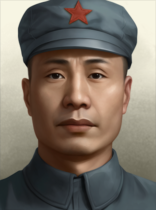
|
Rao Shoukun | 3 | 2 | 2 | 3 | 3 | 职业军官
|
|
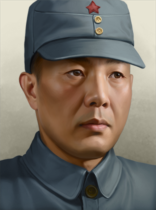
|
Su Zhenhua | 2 | 2 | 2 | 1 | 2 | 职业军官
|
|
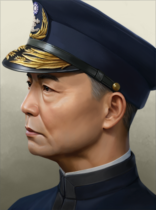
|
Chen Shaokuan | 2 | 2 | 1 | 2 | 2 |  航空爱好者 |
|
若无不妥协,不投降,中华苏维埃共和国将使用通用工业企业和设计师。
| 标志 | 名称 | 类型 | 效果 | 要求 | 花费()
|
DLC |
|---|---|---|---|---|---|---|

|
鞍山钢铁厂 | 工业财团 |
|
|
150 | |

|
西部炼油厂 | 炼油财团 |
|
150 |
| |

|
南京无线电厂 | 电子学财团 |
|
|
150 |
|

|
中苏资源调查 | 炼油财团 | 150 |
| ||

|
上海电子 | 电子学财团 |
|
|
150 |
|

|
People's Bank of China | 中央银行 |
|
|
150 |
|

|
Publicity Department of the Central Committee of the Chinese Communist Party | Party Magazine |
|
|
150 |
|

|
Sinochem | 炼油财团 |
|
150 |
| |

|
China State Construction Engineering Corporation | 建筑公司 |
|
显示条件:
|
150 |
|
|
显示条件:
|
150 |
| |||
|
显示条件:
|
150 |
|
中华苏维埃共和国 的设计公司。
| 标志 | 名称 | 类型 | 效果 | 要求 | 花费()
|
DLC |
|---|---|---|---|---|---|---|

|
中德技术代表团 | 重型坦克设计商 |
选择此设计公司后,只要它仍在受雇,就会永久影响其受雇期间研究的所有装备的性能。 |
150 |
| |

|
莫罗佐夫设计局 | 机动坦克设计商 |
选择此设计公司后,只要它仍在受雇,就会永久影响其受雇期间研究的所有装备的性能。 |
150 | ||

|
工厂617 | 中型坦克设计商 |
选择此设计公司后,只要它仍在受雇,就会永久影响其受雇期间研究的所有装备的性能。 |
|
150 |
|

|
第一拖拉机公司 | 机动坦克设计商 |
选择此设计公司后,只要它仍在受雇,就会永久影响其受雇期间研究的所有装备的性能。 |
|
150 |
|
| 标志 | 名称 | 类型 | 效果 | 要求 | 花费()
|
DLC |
|---|---|---|---|---|---|---|

|
江南造船集团 | 近海防御舰队设计商 |
选择此设计公司后,只要它仍在受雇,就会永久影响其受雇期间研究的所有装备的性能。 |
|
150 | |
|
|
大沽造船厂 | 袭击舰队设计商 |
选择此设计公司后,只要它仍在受雇,就会永久影响其受雇期间研究的所有装备的性能。 |
|
150 | |

|
造船工业局 | 护航舰队设计商 |
选择此设计公司后,只要它仍在受雇,就会永久影响其受雇期间研究的所有装备的性能。 |
|
150 |
|

|
大连造船公司 | 太平洋舰队设计商 |
选择此设计公司后,只要它仍在受雇,就会永久影响其受雇期间研究的所有装备的性能。 |
|
150 |
|
| 标志 | 名称 | 类型 | 效果 | 要求 | 花费()
|
DLC |
|---|---|---|---|---|---|---|

|
中国人民航空 | 中型飞机设计商 |
选择此设计公司后,只要它仍在受雇,就会永久影响其受雇期间研究的所有装备的性能。 |
|
150 |
|

|
沈阳飞机公司 | 轻型飞机设计商 |
选择此设计公司后,只要它仍在受雇,就会永久影响其受雇期间研究的所有装备的性能。 |
|
150 |
|

|
哈尔滨飞机工业集团 | 多用途飞机设计师 |
选择此设计公司后,只要它仍在受雇,就会永久影响其受雇期间研究的所有装备的性能。 |
|
150 |
|
| 标志 | 名称 | 类型 | 效果 | 要求 | 花费()
|
DLC |
|---|---|---|---|---|---|---|

|
太原兵工厂 | 火炮设计商 |
|
|
150 |
|

|
辽宁兵工厂 | 摩托化装备设计商 |
|
|
150 | |

|
汉阳兵工厂 | 步兵装备设计商 |
|
|
150 |
|

|
奉天兵工厂 | 步兵装备设计商 |
|
|
150 | |

|
Jinling Arsenal | 支援装备设计商 |
|
|
150 |
|

|
Ordnance Bureau | 火炮设计商 |
|
|
150 |
|

|
Huangyadong Arsenal | 支援装备设计商 |
|
|
150 |
|

|
Military Industry Bureau of the Central Military Commission | 步兵装备设计商 |
|
|
150 |
|

|
First Automative Works | 摩托化装备设计商 |
|
|
150 |
|
共产主义中国 have access to these 军事工业组织
| 标志 | 名称 | 类型 | 受影响装备 | 初始特质 | 要求 |
|---|---|---|---|---|---|
|
|
中德技术代表团 | 重型坦克设计商 | 所有重型坦克 |
|
|
|
|
莫罗佐夫设计局 | 快速坦克设计师 | 装甲科技 |
|
|
| 标志 | 名称 | 类型 | 受影响装备 | 初始特质 | 要求 |
|---|---|---|---|---|---|
|
|
江南造船集团 | 特遣舰队造船厂 | 所有航空母舰 所有巡洋舰 所有驱逐舰 |
|
|
|
|
大沽造船厂 | 袭击舰队 | 主力舰 屏卫舰 潜艇 |
|
|
| 标志 | 名称 | 类型 | 受影响装备 | 初始特质 | 要求 |
|---|---|---|---|---|---|

|
CAMCO | 多用途战术飞机 | 所有中型机 运输机 |
|
|
|
|
CAMCO - 战斗机部 | 轻型飞机设计商 | 战斗机与舰载战斗机 近距离空中支援 舰载近距离空中支援 |
|
|
|
|
CAMCO - 轰炸机部 | 近距离空中支援飞机设计师 | 近距离空中支援 舰载近距离空中支援 |
|
|
| 标志 | 名称 | 类型 | 受影响装备 | 初始特质 | 要求 |
|---|---|---|---|---|---|
|
|
太原兵工厂 | 火炮制造商 | 牵引式火炮 牵引式反坦克炮 牵引式防空炮 牵引式火箭炮 |
|
|

|
辽宁兵工厂 | 汽车制造商 | 卡车 机械化装备 摩托化火箭炮 |
|
|

|
汉阳兵工厂 | 步兵武器制造商 | 步兵装备 |
|
|
|
|
奉天兵工厂 | 步兵武器制造商 | 步兵装备 |
|
|
中华苏维埃共和国 开局拥有以下法令:
| 征兵法案 | 贸易法案 | 经济法令 |
|---|---|---|
 按需服役
|
 封闭经济
|
 部分动员
|
*1936 年与 1939 年的法案相同。
 年份 |
 军用工厂 |
 海军船坞 |
 民用工厂 |
 建筑槽位 |
|---|---|---|---|---|
| 1936 | 1 | 0 | 1 (-1) | 8 |
*红色 中的数字表示生产消费品所需的民用工厂数量,依据经济法案以及军用与民用工厂总数向上取整。
年份 |
 石油 |
 铝 |
 橡胶 |
 钨 |
 钢铁 |
 铬 |
 煤 |
|---|---|---|---|---|---|---|---|
| 1936 | 0 | 0 | 0 | 4 | 4 | 0 | 30 |
*这些数字表示游戏开始一小时后可用的资源量。红色 中的数字表示因贸易法案而留作出口的资源量。
| 类型 | # 1936 | # 1939 | |
|---|---|---|---|
 |
步兵 | 8 | 20 |
 |
师总数 | 8 | 20 |
 |
已用人力 | 42.00K | 120.00K |
| 师 | 名称列表 | # 1936 | # 1939 | 支援连 | 战斗营 |
|---|---|---|---|---|---|
 军团* |
步兵单位 | 3 | 0 | 4x
| |
| Juntuán^ |
步兵单位 | 0 | 17 | 6x
| |
| Renmin Jundui |
Garrison Unit | 5 | 3 | 6x
| |
| * 标记的是在 1939 年开局中被移除的师。 ^ 标记仅存在于 1939 年开局中的师。 | |||||
The 中华苏维埃共和国 has no navy.
中华苏维埃共和国没有空军。
 以下是one of many玩家为中华苏维埃共和国建议的战略。请记住,由于游戏的动态特性,其他玩家的情况可能会有所不同。
共产主义中国 finds itself in an equally precarious position as 国民党中国. While Nationalist China has to worry about its internal political stability, its unstable economy, its weak industry and military, hostile and opportunistic warlords and 大日本帝国 that can threaten its holdings, it does have access to a satisfactory amount of manpower, has enough industrial capacity to mount a workable (if desperate) defense and can, with enough effort, execute enough reforms to stabilize its government and economy, build up its industry and military and secure its own territorial holdings and national sovereignty.
共产主义 China on the other hand has equally pressing issues at hand; while the communists do not have have the same political and economic stability problems to worry about as the nationalists, they control very little territory, manpower, industry and material and are exhausted and crippled after the Long March and will therefore be hard-pressed to hold their own in a direct confrontation with the Nationalists, Japan or even other Chinese warlords. In addition to all that, Communist China also has a rather lofty "victory" condition to aim for: somehow, the communists must survive through the Chinese Civil War, take over all of China and repel Imperial Japan before they can consider themselves truly successful.
That being said, Communist China is not completely broken, for a cornered animal might just be the most dangerous animal, as the Nationalists will soon learn.
Communist China, unlike most other communist nations in the game, can actually decide what type of communism to adhere to: Marxism-Leninism or Maoism, or to adopt 社会民主主义.
The Strengthen the Central Secretariat national focus leads to a crossroads with paths to choose from. Each one allows the player to clean up the internal mess of the government and recover from the damage suffered in the Long March by seeking support from other sympathetic nations.
The 马克思主义正统 national focus and all focuses following it are based around the idea of adhering to the original version of communism by drawing closer to the 苏联 and the Comintern and having the two nations work together to spread the worker's revolution throughout the world. Electing this path will remove 毛泽东 from power and replace him with 王明.
Joining the Comintern can be helpful for players who either are new to Communist China or wish to play it safe and do not want to risk facing 大日本帝国 and/or 国民党中国 alone as if Communist China is able to join the Comintern, any attacks directed against then will also draw the Soviet Union (and all of its allies/puppets as well) into the fight. The Soviet Union is one of the more powerful nations in the game and being in an alliance with them will not only offer a great deal of protection from hostile anti-communist nations but will also guarantee that the Soviets won't antagonize Communist China as long as it remains in the alliance.
The Agrarian Socialism national focus and all focuses following it are based around the idea of creating an uniquely Chinese interpretation of Karl Marx's theories (think Communism/Socialism with Chinese characteristics) and having Communist China take matters into its own hands and conquer Nationalist China through using its own abilities and resources. 毛泽东 will remain in power but Communist China will not be able to join an alliance unless via player intervention. Instead, it will form its own faction which can be used to invite other nations into, like 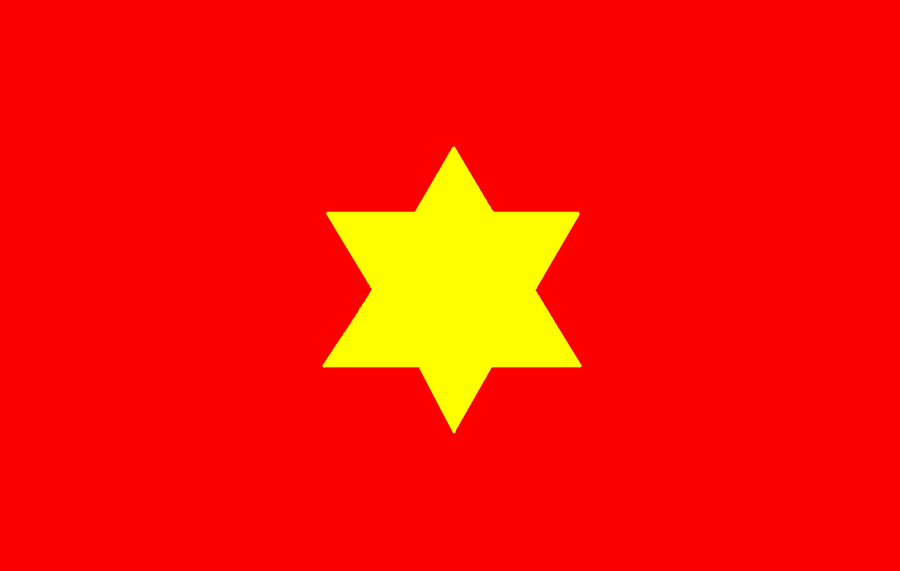 新疆 or any other warlord that decides to draw closer to the communists. This is the hardest path as Communist China will (in essence) be taking on Nationalist China and Imperial Japan on its own. Communist China will have to take maximum advantage of everything they have available for use including things such like infiltrating nationalist territory and staging uprisings, starting border wars to occupy neighboring provinces and boosting communist party popularity in Nationalist China among other things.
The 社会民主主义 national focus and all focuses following it are based around the idea of co-operating with the nationalists by forging a coalition government between 共产主义中国和 国民党中国 and then subverting the political system from within to gain control that way. Choosing this path will remove 毛泽东 from power and replace him with 张澜 and Communist China will enter into a power struggle with nationalist China for political leadership over China. They will never be able to take the national focus Proclaim the People's Republic and form the 中华人民共和国 but if Communist China wins the power struggle, they will annex Nationalist China.
The Land Redistribution national focus opens up into three sub-branches, a small one that grants more Research Slots as Communist China's industrial capacity and infrastructure improves, a second medium-sized one that increases the popular support for Communist China and gets rid of some of its starting penalties and a third, large-sized one named The Yan'an Base Area which deals with whether or not Communist China should cooperate with the Nationalists or compete with them. It also includes a sub-branch for dealing with Japan.
The Research Slot sub-branch should be progressed down whenever the player has the opportunity to do so as Communist China starts with only two Research Slots and can only unlock more by building up its industry and infrastructure.
The Land Redistribution branch allows Communist China to gradually get rid of the penalty Low Popular Support and it also presents them with a choice; Should Communist China embrace the Opium Trade by legalizing it and applying tax on it or should they ban it and exterminate it for good. Permitting the Opium Trade to continue will reduce the amount of factories allocated to Consumer Goods by 15% but will also apply a penalty named Government Corruption which causes a -10% penalty to Stability and Political Power output. This penalty is normally only found on the Chinese warlords and can be a notable hindrance in domestic politics. Exterminating the Opium Trade on the other hand, will award a flat +5% bonus to Stability with no strings attached.
The final branch of the national focus tree, named The Yan'an Base Area deals with Communist China's foreign policy. They can choose to either cooperate with the Nationalists and form a faction with them, force the warlords to submit to their control and confront Japan. The decisions to cooperate with the Nationalists and confronting Japan are independent from one another so it is possible to take on Japan by oneself while also opposing the Nationalists, although this is only recommended for skilled players.
It is also worth noting that this branch of the National focus tree plays very closely with the choices taken in the Strengthen the Central Secretariat branch of the National Focus Tree so one has to be aware of what choices they made in that branch so as to not pick conflicting policies. If the player decided to cooperate with the Nationalists by electing the 社会民主主义 national focus, then they should refrain from picking any focus in this branch that antagonizes Nationalist China as this will only make it harder to work together. At the same time, if one decided to oppose the Nationalists by picking either 马克思主义正统 or Agrarian Socialism then they can more freely choose whether they should confront Japan first or best the Nationalists and then go after Japan.
Electing to cooperate with the Nationalists will lead to the formation of a faction between Communist China and Nationalist China as well as demands for all Chinese warlords to join it, creating a unified coalition of Chinese nations to better oppose 日本. If Nationalist China decides to form the Chinese United Front on its own part, then Communist China can help provide more leverage by getting the Warlords to join the United Front as Nationalist China cannot do this by itself due to its focus tree lacking a national focus dedicated to that task while Communist China does have one.
Once the Chinese United Front has been formed and all Chinese nations have joined it, Communist China will gain access to a repeatable decision that will, whenever it is taken, cause Japan and its puppets to suffer constant damage to their industry, infrastructure and even their army units, in hopes of provoking them into launching an attack.
Electing to oppose the Nationalists will unlock a number of decisions that allows Communist China to infiltrate Nationalist-held territories and stage uprisings, causing those territories to revert to Communist China's control. Communist China will also gain access to a national focus that will give it wargoals against its two neighbors, 晋系和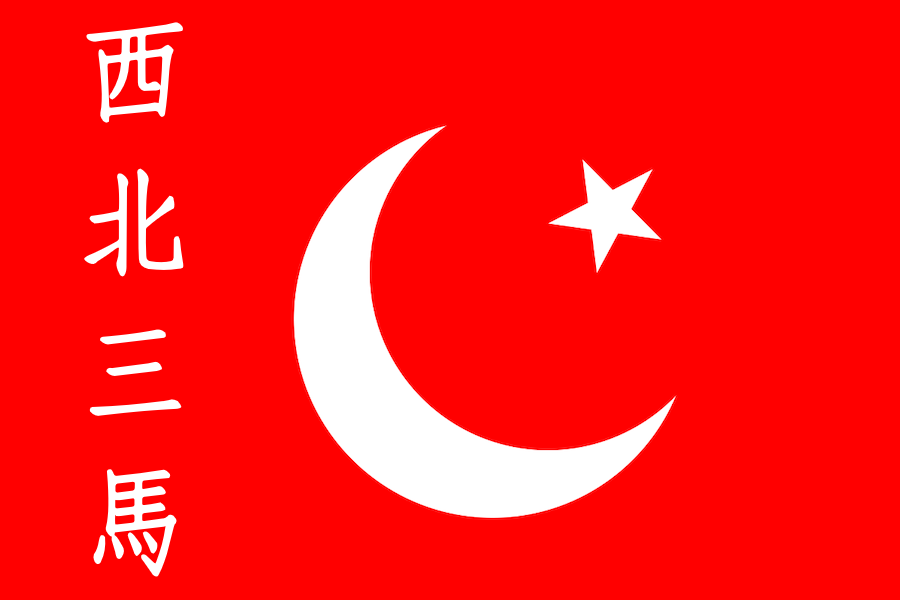 西北三马, which can allow the communists to expand their holdings by a noticeable amount and gain space to build factories and infrastructure to better oppose the nationalists. These weak neighbors have few Victory Point provinces, so just bring some artillery support for an on-foot blitzkrieg onto their capital.
Even if Waking the Tiger is not present, you can increase communist popularity in Nationalist China to have neighboring provinces desert to you. Justify the "weak neighbor" wargoals manually: "retake core" is always quick. With no ideological choices ahead, you can take Sinkiang and join the Comintern for additional backup.
At the end of both of these sub-branches there will be a number of national focuses that will help improve Communist China's military high command as well as remove the Red Army Weakened penalty.
Because Communist China lacks both resources and manpower it can be quite challenging to build up and maintain a respectable military to contend with the other Chinese factions. As such, when it comes to military build-up, Communist China should strive to collect all the low-hanging fruit that is within its reach to secure every advantage it can. In other words, try to focus on maximizing the utility of all options that you have access to resource-, factory- and manpower-wise.
In the early stages of the campaign, the Communist Chinese player should first prioritize making sure that all of their units (Communist China starts with 8 Infantry divisions) are fully equipped. It does not matter if the the equipment they are using is outdated, just make sure that every man has a rifle and ammunition at hand.
Once the equipment issues are taken care of, the player can begin expanding their military;步兵 is cheap and easy to produce but it pays greatly to also introduce specialized units to augment the army's fighting capability.  骑兵 units can be of notable use as they are 1.8 times as fast as regular infantry at the cost of only being slightly more expensive in terms of supply use and equipment, which can make them useful as cheap rapid-response units to intercept and delay enemy units while other units make their way over to assist in the defense.
 火炮 can be quite a potent addition to Communist China's arsenal as, aside from 大日本帝国 and, to some extent, 国民党中国, most other Chinese factions employ usually only Infantry along with some occasional Cavalry units so artillery can allow Communist China to score some decisive early victories against other warlords. Beware that artillery is rather expensive to produce in the early game given your lack of resources so it is best to first use support artillery (as it requires fewer guns, albeit at the cost of power) and only upgrade to line artillery (which is more powerful but requires more guns) once the player has secured the means to produce artillery reliably.
In addition to the base artillery, once sufficient industry and resources have been acquired, Communist China can further improve on its fighting capabilities by diversifying its arsenal and introducing  Anti-Tank Artillery和
 Anti-Air Artillery to the fray, granting them some means to effectively deal with tanks, trucks and planes, which can be a very valuable asset when facing 日本
Given the limited initial manpower and industry of Communist China, if facing bigger opponents like Nationalist China or Japan, one possible strategy is to go for a more defensive approach by employing  Fortifications和
 AA defenses. Take advantage of terrain features like rivers as well as any terrain that inflicts a penalty to attacking units, like mountains, hills etc., to maximize the effect of your fortifications. A strong and properly built defensive line (especially if built in layers of multiple successive fort lines) can allow the player to more easily hold off attacks by stronger opponents and inflict casualties to drain their manpower and equipment. Just like Chiang Kai-Shek did with Nationalist China in real life, trading space for time can allow one to build up their industry to launch a decisive counterattack to cut off the enemy's supply lines and maybe even encircle and destroy some of their units. One example includes building a defensive line through the provinces of Shanxi and Shaanxi (which are both mountainous) and using it to hold off Japan (or possibly Nationalist China) to buy time, allowing Communist China to build
 Synthetic Oil and Rubber Refineries, allowing it to then deploy
 摩托化步兵,
 机械化 or even Tank units to launch a counterattack and score a breakthrough.
When it comes to having an airforce, once again the lack of resources effectively prevents any sort of effective airplane production until Communist China can secure enough resources and factories to allow it. Once those resources and factories have been acquired, one could start by producing Interwar Fighters and Interwar Bombers to create at least a basic airforce to work with. Communist China will not be able to out-produce many of its opponents until later in the game, but having the means to acquire air superiority and bomb enemy units and buildings can go a long way in helping win the war. Be advised, though, that creating an airforce is a secondary priority; do not attempt it until you have the means to do it. Make sure that you are able to maintain a functional land army first.
Chinese Power Struggle is a series of decisions unlocked when you go down the 社会民主主义 path which let you annex Nationalist China without any bloodshed. To take the national leadership you need to have larger popular support than Nationalist China. You always start with base popular support of 5, and the Nationalist China starts with base popular support of 1, but they also hold all the states for a total value of 56. There are two ways to get support:
While all that might sound daunting, winning the support is surprisingly easy and you can annex Nationalist China in just seven focuses(so before the war with Japan even begins on Historical AI) simply by commiting to the 社会民主主义 path. As soon as you finish Coalition Government keep two popular support decisions running alongside your Focuses. Finish Land Redistribution, Purge the Radicals和Strengthen the Left Wing of the KMT. This should give you a total of 20 support. Now pick the two least painful Warlord support decisions to get your total support up to 30 and start on the Remove Chiang Kai-Shek. When the focus finishes you'll have majority support so all you need is to press the button to take over all of China. If you play on Historical AI the Nationalists will never fight you for the national leadership so you just take over the entire country instantly.
Note that in worst case scenario - if both Warlords demand Political Power - you'll have to eat a -450 PP loss, so it's recommended you pick the Silent Workhorse Political Advisor and Old Guard Chief of Army as soon as possible.
On a side note, since all Warlords are your faction members, you can kick them out one by one and justify war on them(and call in other Warlords to help you!) if you want your cores back.


| 亚洲 |
|
| 中国军阀 |
| 中东 |
| 亚洲 |
|
| 中东 |
|
| 苏联 |
|
| 印度土邦 |
|
| 印度尼西亚土邦 |
|
 :
 : 125)








 Invite Otto Braun
 Cooperate with Ulanhu

 石藏的政变 ; if it has Dubious Loyalty trait
 Re-establish the State Bank
 Specialize CSCEC - Military Industry
 Specialize CSCEC - Civilian Industry






















 阿伊努共和国
 Brunei
 柬埔寨
 占婆共和国
 Champasak
 虾夷共和国

 Laos
 Maldives
 巴基斯坦
 Ryukyu
 新加坡
 Sabah
 Sarawak
 斯里兰卡
 Taiwan
 Vietnam
 Assyria
 巴林
 Israel
 库尔德斯坦
 阿曼伊玛目国
 卡塔尔
 南阿拉伯
 特鲁西尔诸邦
 Altai
 亚美尼亚
 阿塞拜疆
 布哈拉
 Buryatia
 楚科奇
 Evenkia
 远东共和国
 佐治亚
 Karakalpakstan
 Kazakhstan
 哈卡斯
 希瓦
 Kyrgyzstan
 Ostyakia-Vogulia
 Sakha
 Tajikistan
 Taymyria
 Turkmenistan
 Uzbekistan
 符拉迪沃斯托克
 Yamalia
 Balochistan
 Bangladesh
 中印度诸邦
 海得拉巴
 卡拉特
 克什米尔
 卡利斯坦
 科拉普尔与德干诸邦
 马德拉斯诸邦
 曼尼普尔
 迈索尔
 西北边境
 Rajputana
 锡金
 Sindh
 西印度诸邦
 Aceh
 Bali
 Gowa
 Pontianak
 Siak
 Ternate
 Timor-Leste
 西巴布亚