| 陆军科技 | 海军科技 | 空军科技 | 电子与工业 |
|---|---|---|---|
无
|
|
没有
|
「无」 |

| 陆军学说 | 海军学说 | 空军学说 |
|---|---|---|
|
|
「无」 |
原页面:China
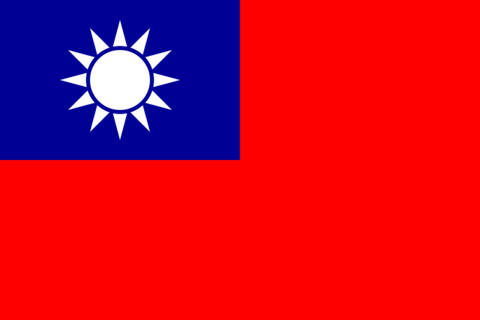 中国 is a regional power located in East Asia. Though it isn't one of the seven majors, it generally ends up as a Major Power due to it leading the Chinese United Front. It borders the warlord states of
 冀察,
 晋系和
 鲁系 to the north, the
 川系 and the
 东北军 to the west,
 滇系 to the south west and the
 粤系和
 桂系 to the south. China may also border the
 英国,
 葡萄牙和
 法国 due to their colonial holdings after reclaiming its core territories.
Due to China being fragmented by the warlord era, much of its core territory is owned by warlord cliques with the 滇系 Clique, the 粤系 and the 桂系 in the south, the  和田马家军和
 新疆 Cliques to the far north west, the
 宁马(马家军),
 甘马(马家军)和
 青马(马家军) Cliques to the north west, the 川系 and the 东北军 to the west and the 鲁系, 冀察和 晋系 Clique to the north. Nearby, there is
 共产主义中国 in the north and both nations engage in events revolving around the ongoing Chinese Civil War.
The nation is fractured from civil wars and political strife, making it seemingly weak and easy prey for the Japanese, who not only have both naval and air superiority, but also tanks. However, with the highest base population – 340.4 million – (which will increase to an even higher level once China is united) and a great deal of room to grow to an industrial giant, China can buy time and put it to good use. If they can overcome their fractiousness and stand together, China can turn Japan's attack into a dangerous meat grinder to sap Japan's manpower and turn themselves into a power on par with the other world majors.
The history of the Republic of China begins after the Xinhai Revolution against the Qing dynasty in 1911, when the formation of a constitutional republic put an end to 2,000 years of rule by various, occasionally competitive, imperial dynasties. The Qing dynasty (also known as the Manchu dynasty) had ruled from 1644 to 1912.
The republic experienced many trials and tribulations after its founding and is fractured by both internal and external elements. The central government was unable to assert full control over the country, resulting in the frontier regions of Uriankhai ( 唐努乌梁海),
 蒙古和
 西藏 breaking away and becoming de facto independent, and the provinces controlled by often disobedient warlord generals. Worse still, the Western powers and Japan continued to maintain their "spheres of influence" carved out during the Qing dynasty to force trade and exploitation.
In 1928, the republic was nominally unified by Chiang Kai-Shek under the "Kuomintang" (KMT) – also known as Chinese Nationalist Party – after the Northern Expedition, and embarked on a program of industrialization and modernization. However, the republic remained rife with conflicts as the Nationalist government struggled to keep the warlords in check (represented in-game by the presence of autonomous warlord cliques, prominently of 晋系, 滇系, 桂系, the Muslim Ma Cliques and 新疆), while fighting a civil war with the nascent 中国共产党.
On September 18, 1931, the Kwantung Army of  日本 staged a false flag operation as a pretext to invade northeastern China in what became known as the Mukden Incident, leading to the swift occupation of northeastern China and the subsequent creation of the puppet state of
 满洲国 in 1932. A period of relative peace ensued for the next few years, until it was broken by 日本 with a full-scale invasion in 1937 after the Marco Polo Bridge Incident. The Nationalists and Communists set aside hostilities and formed the Second United Front against Japan. 第二次中日战争 lasted until 1945 with the unconditional surrender of 日本, following the atomic bombings of Hiroshima and Nagasaki, and the Soviet invasion of 满洲国. The Chinese Civil War, however, would reignite almost immediately thereafter, with major hostilities lasting from 1946 until 1950, after Communist forces had taken control of mainland China and the Republic of China had retreated to Taiwan. To this day, although combat has ceased, a peace treaty has never been signed, and the People's Republic of China and the Republic of China both claim to be the only legitimate government of all China.
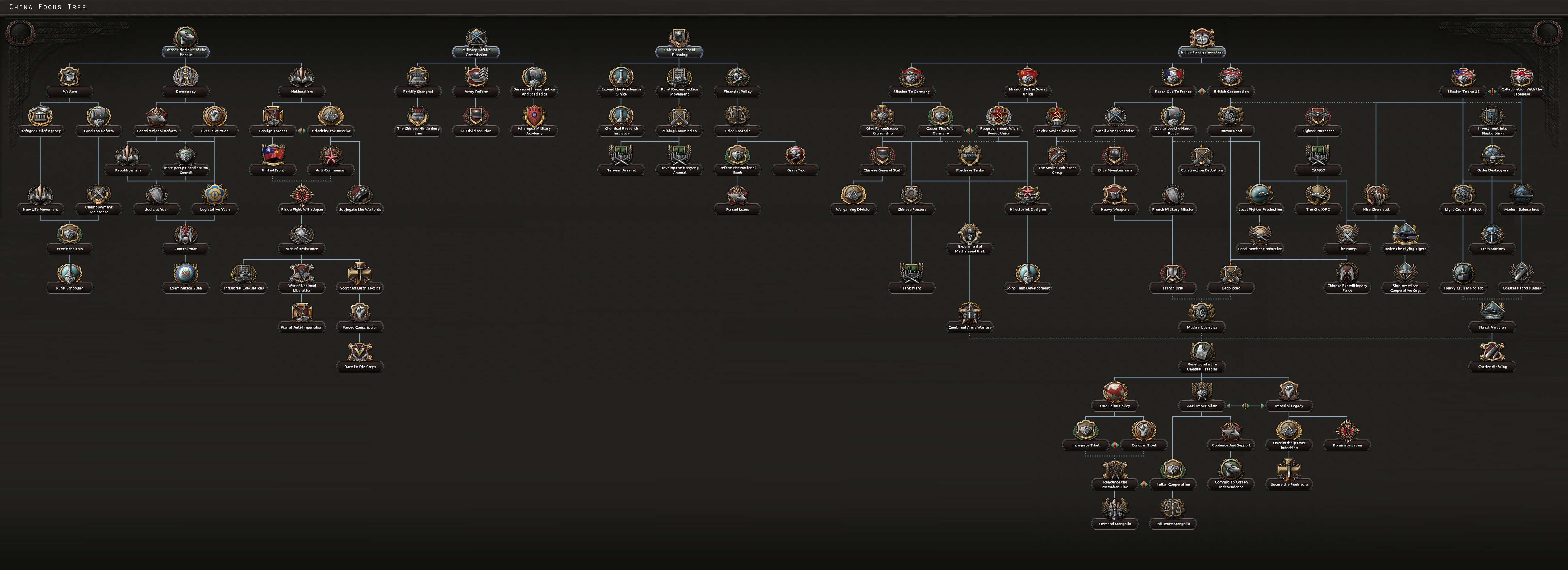
 不妥协,不投降的中国国策树。

中国 got a unique national focus tree as part of the  唤醒猛虎 expansion. Ever since the DLC's integration, it is now available in the base game. It also received its own unique expansion of their national focus tree in the 不妥协,不投降 Expansion Pack DLC.
China's unique focus tree has 7 branches, 11 sub-branches within them and 1 hidden focus:
 民主主义 branch follows Sun Yat-sen's
 The Political Tutelage and sets China's path towards Democracy. These focuses will decide which president the player can choose.
 Revive the Chinese Action Committee is completed, 张澜 may be president if the 中华苏维埃共和国 is not 民主主义 and has not completed
 Seek a Peaceful Reunification. Otherwise, 陈铭枢 can be president. 张君劢 can be president if
 Invite Carsun Chang is completed. Soong Ching Ling can be president if
 Give Protection of Civil Rights is completed. Zeng Qi can be president if
 Ally the Young China Party is completed.
Then the branch divides into three paths. The leftmost path requests support from foreign nations. The rightmost path follows Sun Yat-sen's principles of Nationalism, Democracy and Welfare, then builds 民主主义 in the warlords in order to annex them, then expands China into the neighboring countries. The middle path allies with the  美国 or makes
 The Pacific Entente faction and spreads democracy throughout Asia and Oceania.
中华苏维埃共和国 is removed, China will then create a faction with other Asian nations and declare war against the colonial nations in order to liberate and puppet the Asian colonies. Dang Guo, is at war with the 中华苏维埃共和国, is 70% towards capitulation, fully controls Taiwan (524), and the states 南京 (1035)和Chongqing (1037) are not fully controlled by China or a subject. Taiwan (524) will get 5
 建筑位, and one of each factory. 中华苏维埃共和国 is removed, China may then join the 民主主义 faction and go to war with the
 苏联 or declare war on
 Korea and the 苏联 while getting cores.
 Soviet Support和
 American Support in a war against 日本.
 法西斯主义 government with戴笠 and the Blue Shirt faction in power. It agressively annexes the Warlords, attacks countries who own Chinese cored states and then expands a Chinese Empire throughout Asia.
 Corruption in the Administration和
 Inefficient Economy until it is removed. The second section creates a three year plan to build the economy and extract resources. the third section focuses on research. The rightmost section builds military factories and military industry.
 Corruption in the Armed Forces to decrease its debuffs.
 Decisive Battles has been started, this sub-branch may not be started until the end of the other sub-branch is completed.
 Serve the Country with Utmost Loyalty has been started, this sub-branch may not be started until the end of the other sub-branch is completed.
 Aviation Affairs Commission dynamic modifier, builds factories, and can give helicopter technology.
 Republic of China Navy dynamic modifier, give naval research bonuses and dockyards.
Without the 不妥协,不投降 DLC, 中国 starts with the following 国家精神:
With the 不妥协,不投降 DLC, 中国 starts with the following instead:
Although not stated on its national spirit, the "Nine Power Treaty" effectively prevents China switching away from "Free Trade" trade policy.
中国开局拥有 2 个可用科研槽;另有 3 个可通过国策树解锁。
| 陆军科技 | 海军科技 | 空军科技 | 电子与工业 |
|---|---|---|---|
无
|
|
没有
|
「无」 |
| 陆军学说 | 海军学说 | 空军学说 |
|---|---|---|
|
|
「无」 |
| 陆军科技 | 海军科技 | 空军科技 | 电子与工业 |
|---|---|---|---|
无
|
|
没有
|
未启用《抵抗运动》
|
| 陆军学说 | 海军学说 | 空军学说 |
|---|---|---|
|
|
|
中国 为各种科技与装备设有一些独特名称与外观,列于此处。请注意,通用名称不在此列。
| 类型 | 1918 | 1936 | 1939 | 1942 |
|---|---|---|---|---|
| 步兵装备 | 八八式 | 二四式 | 青岛 MP18 | ZB vz.26 |
| 科技年份 | 轻型(反坦克/自行火炮/防空) | 中型(反坦克/自行火炮/防空) | 现代(反坦克/自行火炮/防空) | 重型(反坦克/自行火炮/防空) | 超重型(反坦克/自行火炮/防空) |
|---|---|---|---|---|---|
| 1918 | NA | ||||
| 1934 | 34 年式(PTZ 34 / PLZ 34 / PGZ 34) | 34 年式 大(PTZ 34 D / PLZ 34 D / PGZ 34 D) | |||
| 1936 | 36 年式(PTZ 36 / PLZ 36 / PGZ 36) | ||||
| 1938 | 39 年式(PTZ 39 / PLZ 39 / PGZ 39) | ||||
| 1940 | 41 年式(PTZ 41 Z / PLZ 41 Z / PGZ 41 Z) | 41 年式 大(PTZ 41 D / PLZ 41 D / PGZ 41 D) | |||
| 1941 | 41 年式(PTZ 41 / PLZ 41 / PGZ 41) | 44 年式(PTZ 44 / PLZ 44 / PGZ 44) | |||
| 1943 | 43 年式(PTZ 43 / PLZ 43 / PGZ 43) | 43 年式 大(PTZ 43 D / PLZ 43 D / PGZ 43 D) | |||
| 1945 | 59 年式(PTZ 59 / PLZ 59 / PGZ 59) | ||||
| 备注:若无一步不退,中型坦克 I 与 II 将推迟一年解锁。 | |||||
| 科技年份 | 火炮 | 反坦克炮 |
|---|---|---|
| 1934 | 75mm Type 10 | |
| 1936 | 37mm Type 14 | |
| 1939 | 105mm Type 16 Jin | |
| 1940 | 37 mm Type 30 | |
| 1942 | 150mm Type 14/19 | |
| 1943 | 75 mm Type 43 |
| 科技年份 | 近距空中支援 | 战斗机 | 海军轰炸机 | 重型战斗机 | 战术轰炸机 | 战略轰炸机 |
|---|---|---|---|---|---|---|
| 1933 | 3 年式 | 16 年式 | NA | |||
| 1936 | 伏尔提 V-11 | Hawk | N-323 | P-60 | 36 年式 | 236 年式 |
| 1940 | 12 年式 | X-P0 | N-650 | PF-77 | 40 年式 | 240 年式 |
| 1944 | 二四式 | P12 | N-854 | PF-98 | 44 年式 | 444 年式 |
中国 owns 17 states.
| 州 | 城市 | 
|
地形(省份数) | 区域 | 
|
|---|---|---|---|---|---|
| 安徽 | Anqing Hefei Jinjiazhai |
1 1 0 |
 山地 (2)  平原 (17) |
发达乡村区 | 18,265,400 |
| 常德 | 常德 | 10 |  丘陵 (2)山地 (5)平原 (2)  城市 (1) |
发达乡村区 | 8,000,000 |
| 福建 | Fuzhou Xiamen |
3 1 |
丘陵 (9)山地 (12)平原 (2)城市 (1)
|
发达乡村区 | 11,755,600 |
| 贵州 | Guiyang | 3 | 丘陵 (5)山地 (5)
|
发达乡村区 | 7,543,200 |
| 河南 | Kaifeng Luoyang Zhengzhou |
1 1 2 |
丘陵 (6)平原 (19)城市 (2)
|
发达乡村区 | 34,289,800 |
| 黄山 | Huizhou | 1 | 丘陵 (2)山地 (6)平原 (2)
|
发达乡村区 | 5,000,000 |
| 湖北 | Mienyang Yichang |
1 1 |
丘陵 (2)山地 (6)平原 (5)
|
发达乡村区 | 20,433,280 |
| 湖南 | Changsha Hengyang |
5 1 |
丘陵 (8) 湖泊 (1)山地 (7)平原 (6)城市 (1) |
发达乡村区 | 20,293,700 |
| 江苏 | Donghai Xuzhou Yangzhou |
2 1 1 |
湖泊 (1) 沼泽 (3)平原 (15) |
发达乡村区 | 23,669,300 |
| 江西 | Ganzhou Nanchang |
1 3 |
丘陵 (11)湖泊 (1)山地 (5)平原 (11)城市 (1)
|
发达乡村区 | 15,820,400 |
| 南京 | 南京 | 20 | 平原 (3)城市 (1)
|
稀疏城市区 | 8,652,549 |
| 青岛 | 青岛 | 5 | 城市 (1)
|
稀疏城市区 | 385,000 |
| 上海 | 上海 | 5 | 平原 (3)城市 (1)
|
密集城市区 | 6,180,392 |
| 苏州 | Nantong 苏州 |
1 3 |
湖泊 (1)平原 (6)城市 (1)
|
发达乡村区 | 2,472,157 |
| Wuhan | Hankow Wuhan |
1 10 |
平原 (1)城市 (2)
|
城市区 | 5,108,320 |
| 浙江 | Hangzhou Ningbo Quzhou Taizhou Wenzhou |
1 1 1 0 1 |
丘陵 (5)山地 (9)平原 (8)城市 (1)
|
发达乡村区 | 21,230,700 |
| 遵义 | 遵义 | 3 | 丘陵 (2)山地 (2)
|
牧区 | 1,500,000 |
China starts with 20%  and 50%
 as base. These are modified to 35% and 50% after modifiers.
China starts off as a  non-aligned nation, but pursuing its national Focus tree far enough will eventually cause a gradual shift towards democracy.
Kuomintang (Non-Aligned)
Despotism is a form of government in which a single person rules with absolute power.
 Can’t impose its ideology on other countries Can’t 傀儡国 countries in a peace conference
| 政党 | 意识形态 | 支持率 | 党派领袖 | 是否执政? | Nation Name |
|---|---|---|---|---|---|
| Kuomintang | 中立主义 |
100% | Chiang Kai-Shek | 是 | 中国 |
| Kuomintang | 中立主义 |
Event only | 汪精卫 | 否,可通过事件(刘湘扣押了蒋介石)上台 | 中国 |
| 中国民主同盟 | 民主主义 |
0% | 翁文灏 | No | 中华民国 |
| 中国共产党 |  共产主义 |
0% | Cheng Mingshu | No | Chinese People's Republic |
| 蓝衣社 | 法西斯主义 |
0% | 戴笠 | No | 中华民国维新政府 |
| 意识形态 | 肖像 | 名称 | 党派 | 特质 | 效果 | 可用 |
|---|---|---|---|---|---|---|
社会主义 |
|
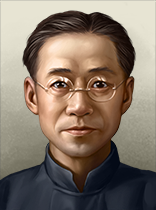
翁文灏 | 中国民主同盟(民盟) | – | – | 起始领袖 |
社会主义 |
|
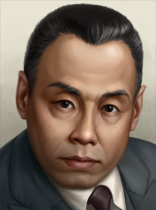
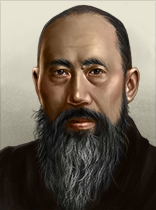
张君劢 | 中国民主同盟(民盟) | 坚定的社会民主主义者 | 可以通过事件A President for the Republic上台 | |
社会主义 |
|
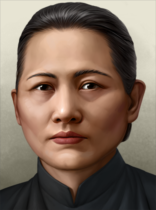
张澜 | 中国民主同盟(民盟) | 社会民主主义者 | 可以通过事件A President for the Republic上台 | |
社会主义 |
|
宋庆龄 | 中国民主同盟(民盟) | 桥梁建造者 | 可以通过事件A President for the Republic上台 | |
自由主义 |

|
Zeng Qi | 中国民主同盟(民盟) | 第三势力 | 可以通过事件A President for the Republic上台 | |
列宁主义 |
|
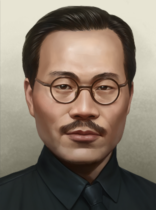
陈铭枢 | CPC(中国共产党) | 反苏社会主义者 | 起始领袖 | |
列宁主义 |

|
张国焘 | CPC(中国共产党) | Cornered Fox |
|
Starting leader (No NCNS dlc) |
法西斯主义 |
|
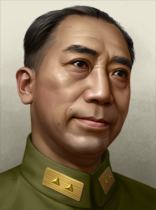
戴笠 | 蓝衣社(BSS) | Spymaster |
|
起始领袖 |
法西斯主义 |
|
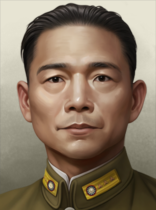
汪精卫 | 蓝衣社(BSS) | – | – | Starting leader (No NCNS dlc) |
Despotism |
|
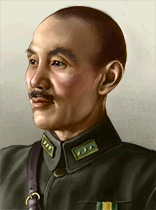
Chiang Kai-Shek | Kuomintang | Generalissimo Blue Shirt Connections |
|
起始领袖 |
Despotism |
|
Chiang Kai-Shek | Kuomintang | Generalissimo Blue Shirt Connections |
|
Starting leader; 1939 setting |
Despotism |
|
汪精卫 | Kuomintang | 受拥戴的傀儡领袖 |
|
Can come to power via event Liu Xiang Has Arrested Chiang Kai-Shek. Or without the DLC; After completing by having Chiang Kai-shek killed in "Xi'an Incident" event. |
Despotism |
|
汪精卫 | Revolutionary Committe of the Chinese Kuomitang (Left Kuomitang) | 受拥戴的傀儡领袖 Civilian Unifier Political Fox |
|
Can come to power via focus  寻找内部盟友 |
Despotism |
|
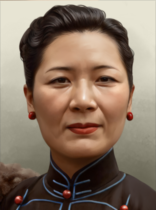
宋美龄 | Kuomintang | 共和国第一夫人 |
|
可以通过事件Chiang Kai-Shek arrested in Northeast and Shaanxi Army上台 |
中国 的可能国名。
| 同上 | 国家名称 |
|---|---|
|
中华民国 |
|
Chinese People's Republic |
|
中华民国维新政府 |
|
中国 |
China in 1936 is a fractured and weakened nation, plagued by intra-KMT struggles, warlordism and an ever-present threat of a communist takeover. Aside from Nationalist China itself, several Chinese warlords (specifically 滇系, the 桂系, 晋系, 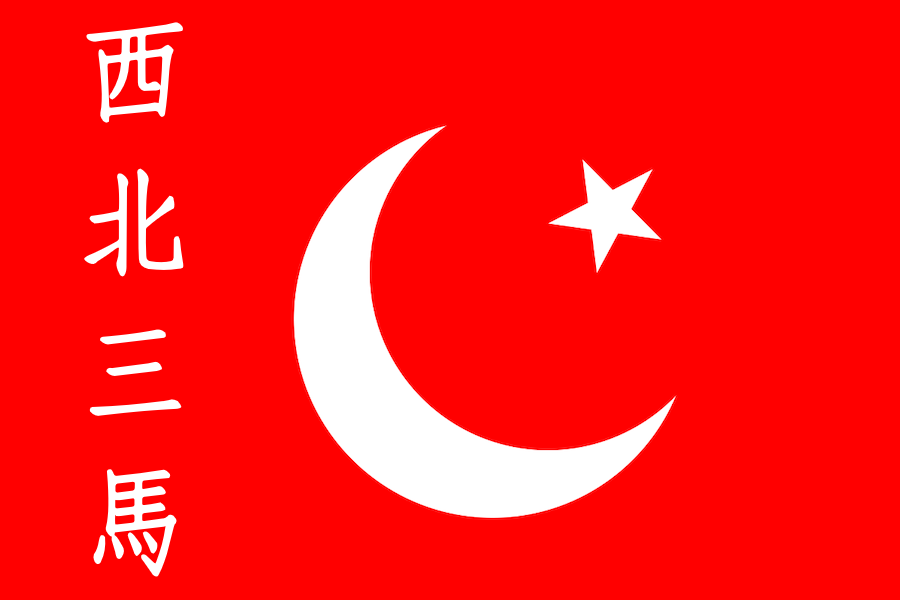 西北三马和 新疆) also control parts of China, dividing up the country into several smaller mutually hostile factions.
China starts in an uneasy truce with 共产主义中国, while 日本 is to its north preparing for war and is likely to invade by mid-1937. Another diplomatic problem China has is one of its national spirits, "Communist Uprisings", which, if communist support rises high enough, will cause a random state to switch over to Communist China's control. This is a highly deleterious national spirit as the loss of a state means loss of resources, factories and manpower among other crippling penalties.
China has to contend with the Chinese Power Struggle mechanic, in which the communists and the warlords are able to use  政治点数 to contest leadership over China after completing certain national focuses. Communist China is also able to infiltrate and stage uprisings in Chinese states and seize control of them. In addition, China begins with additional, crippling National Spirits that severely reduce its overall combat effectiveness across the board. These require time-consuming military and bureaucratic reform, through both National Focuses and Decisions, to remove.
中国 的部长与军事幕僚。
| 肖像 | 名称 | 特质 | 效果 | 要求 | () 花费 |
|---|---|---|---|---|---|
| Chiang Ching-Kuo | 沉默的实干家 |
|
– | 150 | |
| H. H. Kung | 工业巨头 | – | 150 | ||
| Chen Yi | 仁慈绅士 |
|
– | 150 | |

|
随机 | 恐怖亲王 |
|
|
150 |
| Lin Sen | 受拥戴的傀儡领袖 |
|
– | 150 | |
| Chen Guofu | 幕后暗算者 |
|
– | 150 | |
| 宋美龄 | 共和国第一夫人 |
|
|
150 | |

|
戴笠 | 恐怖亲王 |
|
|
150 |
|
|
戴笠 | 神秘绅士 |
|
|
150 |

|
宋子文 | 金融专家 |
|
|
150 |

|
邝江 | 民主改革者 |
|
150 |
| 肖像 | 名称 | 特质 | 效果 | 要求 | () 花费 |
|---|---|---|---|---|---|
| 薄一波 | 军事理论家 |
|
– | 100 | |

|
方泽一 | 空战理论家 |
|
– | 100 |
| 黄震 | 海军理论家 |
|
– | 100 | |

|
克莱尔·李·陈纳德 | 空战理论家 |
|
|
25 |
| 肖像 | 名称 | 特质 | 效果 | 要求 | () 花费 |
|---|---|---|---|---|---|

|
Zhu De | 陆军进攻(专家) |
|
– | 100 |
| 陈济棠 | 陆军组织(专家) |
|
– | 100 | |

|
李宗仁 | Army Defense (Genius) |
|
– | 200 |
| He Yingqin | 陆军机动(专家) |
|
– | 100 | |

|
亚历山大·冯·法肯豪森 | 陆军进攻(专家) |
|
|
50 |
| 肖像 | 名称 | 特质 | 效果 | 要求 | () 花费 |
|---|---|---|---|---|---|

|
Xiao Jinguang | 破交作战(专家) |
|
– | 100 |

|
Bai Chongxi | 海军改革者(专家) | – | 100 | |

|
Chen Shaokuan | 决战(专家) |
|
– | 100 |
| 肖像 | 名称 | 特质 | 效果 | 要求 | () 花费 |
|---|---|---|---|---|---|
| Wang Shu-ming | 地面支援(专家) |
|
– | 100 | |
|
|
周至柔 | 老卫队 |
|
– | 50 |
|
|
克莱尔·李·陈纳德 | 地面支援(专家) |
|
|
25 |
| 肖像 | 名称 | 特质 | 效果 | 要求 | () 花费 |
|---|---|---|---|---|---|
| Gao Zhihang | Air Superiority (Genius) |
|
– | 200 | |
| Xiao Yisu | 步兵(专家) |
|
– | 100 | |
| Chen Cheng | 陆军重整(专家) |
|
– | 100 | |
| 余汉谋 | 陆军后勤(专家) |
|
– | 100 |
| 肖像 | 名称 |  技能 |
 攻击 |
 防御 |
 计划 |
 后勤 |
特质 | 要求 |
|---|---|---|---|---|---|---|---|---|
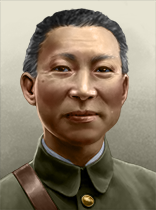
|
Hsueh Yueh | 3 | 5 | 3 | 2 | 3 |  杰出战略家  Reckless  战争英雄  进攻学说 |
– |
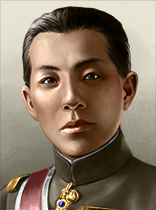
|
张学良 | 3 | 3 | 3 | 2 | 2 |
| 肖像 | 名称 | 技能 |
攻击 |
防御 |
计划 |
后勤 |
特质 | 要求 |
|---|---|---|---|---|---|---|---|---|
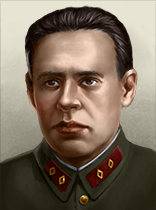
|
亚历山大·切列帕诺夫 | 3 | 3 | 3 | 2 | 2 |
| |

|
亚历山大·冯·法肯豪森 | 4 | 3 | 3 | 4 | 3 |  组织者  步兵将领 |
|
| 3 | 2 | 2 | 3 | 3 |  步兵军官 |
| ||
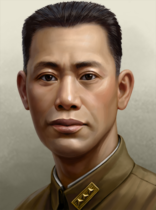
|
Cai Tingkai | 3 | 3 | 3 | 2 | 2 |
| |

|
Charles Berger | 3 | 2 | 3 | 2 | 3 |
| |
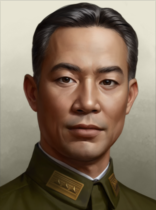
|
Chen Cheng | 3 | 3 | 3 | 2 | 2 | ||
|
|
陈铭枢 | 3 | 3 | 3 | 2 | 2 |
| |
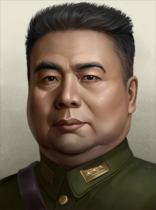
|
Feng Yuxiang | 3 | 3 | 3 | 2 | 2 | ||
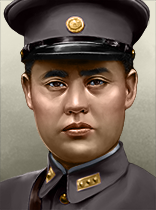
|
Fu Zuoyi | 3 | 3 | 3 | 2 | 2 | ||
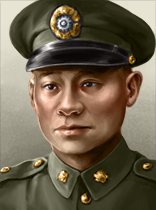
|
Gu Zhutong | 3 | 3 | 3 | 2 | 2 |  职业军官 |
|
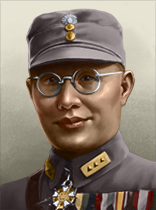
|
He Yingqin | 3 | 2 | 2 | 3 | 3 | 组织者
|
|
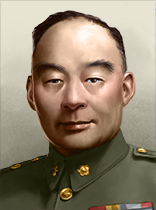
|
Hu Zongnan | 4 | 4 | 3 | 3 | 3 |  政治人脉 |
– |
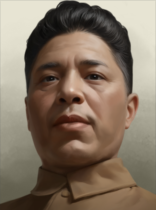
|
Jiang Dingwen | 2 | 2 | 1 | 2 | 2 |  山地兵 |
|
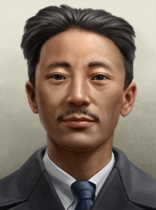
|
Jiang Guangnai | 3 | 3 | 3 | 2 | 2 |
| |

|
Joseph Stilwell | 1 | 2 | 1 | 1 | 1 | 政治人脉职业军官 严厉领袖步兵军官 |
|
| ||||||||
|
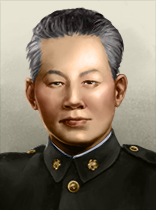
Sun Li Jen | 3 | 5 | 3 | 4 | 3 | 杰出战略家
|
|
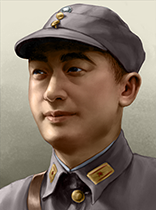
| 4 | 6 | 4 | 3 | 2 | ||||
|
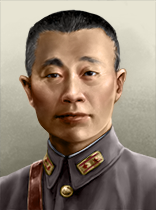
Tai An-lan | 3 | 3 | 3 | 3 | 1 | 职业军官 Reckless 装甲军官 |
|
|
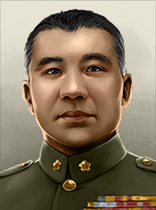
Tu Yu-ming | 3 | 4 | 4 | 2 | 3 |  Cautious装甲军官 |
|
|
Wang Yao-wu | 2 | 2 | 1 | 2 | 2 | Cautious步兵军官
|
– |
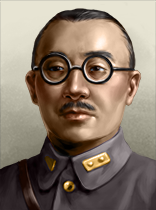
|
Wei Lihuang | 3 | 3 | 3 | 2 | 2 | 步兵军官
|
– |
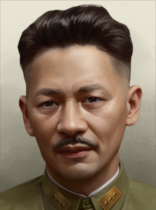
|
Zhang Fakui | 3 | 3 | 3 | 2 | 2 | – | |
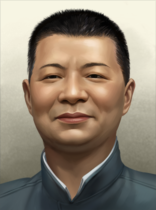
|
Zhu Shaoliang | 2 | 2 | 2 | 1 | 2 |  山地战士 |
– |
| 肖像 | 名称 | 技能 |
攻击 |
防御 |
 MNV |
 COR |
特质 | 要求 |
|---|---|---|---|---|---|---|---|---|
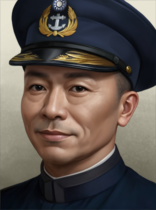
|
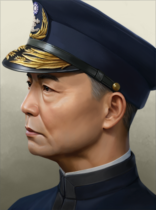
Chan Chak | 2 | 2 | 1 | 2 | 2 |  Bold  突破封锁者 |
|
|
Chen Shaokuan | 2 | 2 | 1 | 2 | 2 |  航空爱好者  Dubious Loyalty |
|
|
|
Jiang Dingwen | 2 | 2 | 1 | 2 | 2 |  Spotter |
|
With 不妥协,不投降 enabled, 中国 can get access to more commanders from the various Chinese Warlord states; either through integrating an  整合军阀附庸, through special decisions, or other events:
| 国家 | 肖像 | 名称 | 技能 |
攻击 |
防御 |
计划 |
后勤 |
特质 | 可用 |
|---|---|---|---|---|---|---|---|---|---|
| 甘马(马家军)
|
|
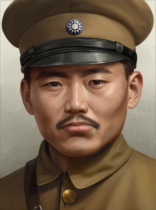
马步青 | 3 | 2 | 3 | 3 | 2 |
| |
| 粤系
|
|
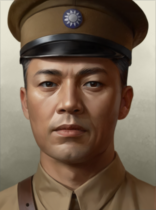
陈济棠 | 3 | 2 | 3 | 3 | 2 |
| |
| 桂系
|
|
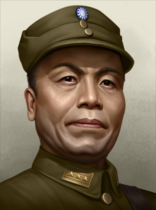
李宗仁 | 3 | 2 | 3 | 3 | 2 |
| |
| 和田马家军
|
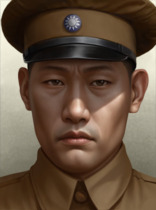
|
马虎山 | 3 | 2 | 3 | 3 | 2 |
| |
| 宁马(马家军)
|
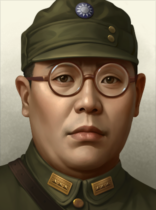
|
马鸿逵 | 3 | 2 | 3 | 3 | 2 |
| |
| 东北军
|
|
张学良 | 3 | 2 | 3 | 3 | 2 |
| |
| 鲁系
|
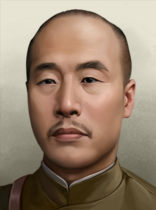
|
韩复榘 | 3 | 2 | 3 | 3 | 2 |
|
| 国家 | 肖像 | 名称 | 技能 |
攻击 |
防御 |
计划 |
后勤 |
特质 | 可用 |
|---|---|---|---|---|---|---|---|---|---|
| 桂系
|
|
李宗仁 | 3 | 2 | 3 | 3 | 2 |
| |
| 粤系
|
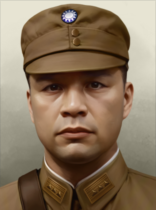
|
余汉谋 | 2 | 2 | 2 | 2 | 1 | 步兵将领
|
|
| 桂系
|
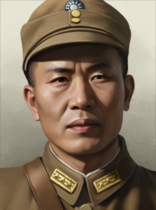
|
Bai Chongxi | 3 | 2 | 2 | 4 | 2 | 组织者
|
|
| 冀察
|
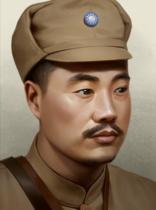
|
宋哲元 | 2 | 2 | 1 | 2 | 2 | 战争英雄步兵将领
|
|
| 冀察
|
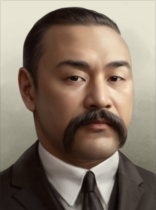
|
万福麟 | 3 | 2 | 3 | 2 | 3 | 步兵军官 冬季专家 |
|
| 和田马家军
|
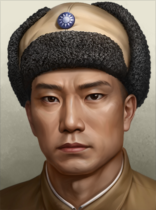
|
Ma Zhancang | 2 | 2 | 3 | 1 | 1 | 山地战士
|
|
 哈密汗国 |
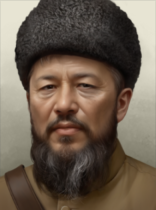
|
Yulbars Khan | 2 | 2 | 1 | 2 | 2 |  骑兵将领 |
|
| 满洲国
|
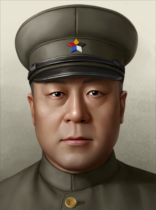
|
Yu Zhishan | 2 | 2 | 1 | 3 | 1 | 组织者
|
|
 蒙疆 |
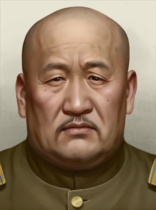
|
Altanochir | 2 | 2 | 1 | 2 | 2 | 山地战士
|
|
| 青马(马家军)
|
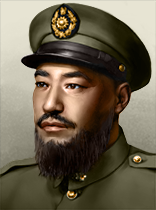
|
马步芳 | 3 | 4 | 2 | 2 | 2 | 骑兵将领
|
|
| 鲁系
|
|
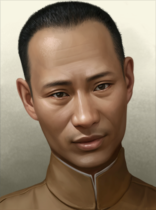
孙桐萱 | 2 | 2 | 1 | 2 | 2 | 步兵将领 诡计者 |
|
| 晋系
|
|
Fu Zuoyi | 3 | 3 | 3 | 2 | 2 |
| |
| 晋系
|
|
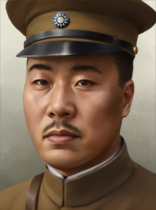
Wang Jingguo | 3 | 2 | 3 | 3 | 2 | 政治人脉
|
|
| 川系
|
|
Gu Zhutong | 3 | 3 | 3 | 2 | 2 | 职业军官
|
|
| 川系
|
|
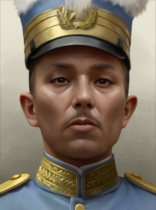
杨森 | 3 | 2 | 2 | 4 | 3 | 组织者
|
|
| 川系
|
|
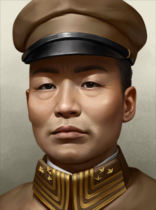
刘文辉 | 2 | 4 | 1 | 1 | 2 | 严厉领袖 Dubious Loyalty |
|
| 新疆
|
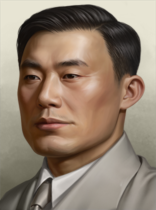
|
Sheng Shiqi | 2 | 1 | 2 | 2 | 2 | 组织者
|
|
| 滇系
|
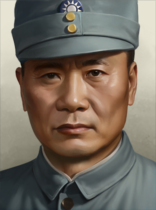
|
卢汉 | 3 | 4 | 2 | 1 | 3 | 组织者 Dubious Loyalty |
|
| 滇系
|
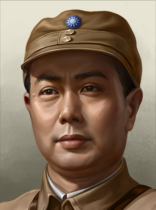
|
胡若愚 | 2 | 2 | 1 | 2 | 2 | 诡计者山地兵
|
|
| Concern | 类型 | 效果 | 花费() |
|---|---|---|---|
| 矿业委员会 |
已完成焦点矿业委员会 |
5 | |
| 鞍山钢铁厂 | 工业财团 |
Controls Liaotung |
150 |
| 西部炼油厂 | 炼油财团 |
Controls Liaotung |
150 |
| 中苏资源调查 | 炼油财团 |
Controls Urumqi |
150 |
| 上海电子 | 电子学财团 |
Controls 上海 |
150 |
中国 的设计公司。
| 标志 | 名称 | 类型 | 效果与条件 | () 花费 |
|---|---|---|---|---|

|
中德技术代表团 | 重型坦克设计商 |
选择此设计公司后,只要它仍在受雇,就会永久影响其受雇期间研究的所有装备的性能。 |
150 |

|
莫罗佐夫设计局 | 机动坦克设计商 |
选择此设计公司后,只要它仍在受雇,就会永久影响其受雇期间研究的所有装备的性能。
|
150 |
| 标志 | 名称 | 类型 | 效果与条件 | () 花费 |
|---|---|---|---|---|

|
江南造船集团 | 近海防御舰队设计商 |
|
150 |
|
|
大沽造船厂 | 袭击舰队设计商 |
|
150 |
| 标志 | 名称 | 类型 | 效果与条件 | () 花费 |
|---|---|---|---|---|

|
CAMCO | 中型飞机设计商 |
选择此设计公司后,只要它仍在受雇,就会永久影响其受雇期间研究的所有装备的性能。
|
150 |
|
|
CAMCO - 战斗机部 | 中型飞机设计商 |
选择此设计公司后,只要它仍在受雇,就会永久影响其受雇期间研究的所有装备的性能。
|
150 |
|
|
CAMCO - 轰炸机部 | 中型飞机设计商 |
选择此设计公司后,只要它仍在受雇,就会永久影响其受雇期间研究的所有装备的性能。
|
150 |
| 标志 | 名称 | 类型 | 效果与条件 | () 花费 |
|---|---|---|---|---|

|
太原兵工厂 | 火炮设计商 |
|
150 |

|
辽宁兵工厂 | 摩托化装备设计商 |
|
150 |

|
汉阳兵工厂 | 步兵装备设计商 |
|
150 |

|
奉天兵工厂 | 步兵装备设计商 |
|
150 |
中国 可使用这些军工产业组织
| 标志 | 名称 | 类型 | 受影响装备 | 初始特质 | 要求 |
|---|---|---|---|---|---|
|
|
中德技术代表团 | 重型坦克设计商 | 所有重型坦克 |
|
|
|
|
莫罗佐夫设计局 | 快速坦克设计师 | 装甲科技 |
|
|
| 标志 | 名称 | 类型 | 受影响装备 | 初始特质 | 要求 |
|---|---|---|---|---|---|
|
|
江南造船集团 | 特遣舰队造船厂 | 所有航空母舰 所有巡洋舰 所有驱逐舰 |
|
|
|
|
大沽造船厂 | 袭击舰队 | 主力舰 屏卫舰 潜艇 |
|
|
| 标志 | 名称 | 类型 | 受影响装备 | 初始特质 | 要求 |
|---|---|---|---|---|---|
|
|
CAMCO | 多用途战术飞机 | 所有中型机 运输机 |
|
|
|
|
CAMCO - 战斗机部 | 轻型飞机设计商 | 战斗机与舰载战斗机 近距离空中支援 舰载近距离空中支援 |
|
|
|
|
CAMCO - 轰炸机部 | 近距离空中支援飞机设计师 | 近距离空中支援 舰载近距离空中支援 |
|
|
| 标志 | 名称 | 类型 | 受影响装备 | 初始特质 | 要求 |
|---|---|---|---|---|---|
|
|
太原兵工厂 | 火炮制造商 | 牵引式火炮 牵引式反坦克炮 牵引式防空炮 牵引式火箭炮 |
|
|
|
|
辽宁兵工厂 | 汽车制造商 | 卡车 机械化装备 摩托化火箭炮 |
|
|
|
|
汉阳兵工厂 | 步兵武器制造商 | 步兵装备 |
|
|
|
|
奉天兵工厂 | 步兵武器制造商 | 步兵装备 |
|
|
| 征兵法案 | 贸易法案 | 经济法令 |
|---|---|---|
 仅志愿兵役
|
 出口导向
|
 民用经济
|
*1936 年与 1939 年的法案相同。
 年份 |
 军用工厂 |
 海军船坞 |
 民用工厂 |
建筑槽位 |
|---|---|---|---|---|
| 1936 | 8 | 2 | 11 (-8) | 73 |
*红色 中的数字表示生产消费品所需的民用工厂数量,依据经济法案以及军用与民用工厂总数向上取整。
年份 |
 石油 |
 铝 |
 橡胶 |
 钨 |
 钢铁 |
 铬 |
 煤 |
|---|---|---|---|---|---|---|---|
| 1936 | 0 | 0 | 0 | 33 (-22) | 14 (-9) | 0 | 3 (-2) |
*这些数字表示游戏开始一小时后可用的资源量。红色 中的数字表示因贸易法案而留作出口的资源量。
中国 starts with a sizable but under-equipped army (full manpower, but lacking in equipment), and is supplemented with a small navy and air force.
| 类型 | # 1936 | # 1939 | |
|---|---|---|---|
 |
步兵 | 79 | 113 |
 |
骑兵 | 6 | 4 |
 |
摩托化步兵 | 0 | 1 |
 |
师总数 | 85 | 118 |
 |
已用人力 | 475.10K | 512.90K |
| 师 | 名称列表 | # 1936 | # 1939 | 支援连 | 战斗营 |
|---|---|---|---|---|---|
 Juntuán |
步兵单位 | 14 | 95 | 4x
| |
| Sanjiao Jun |
步兵单位 | 48 | 15 | 6x
| |
| Juntuán Reformed |
步兵单位 | 17 | 3 |  |
6x
|
 Qibing Jun |
骑兵单位 | 6 | 4 | 4x
| |
 Motuo Hua Bubing Jun^ |
Motorized Unit | 0 | 1 |   |
6x
|
| ^ 标记仅存在于 1939 年开局中的师。 | |||||
| 类型 | Chassis | Role | 主武器 | Turret | Suspension | 装甲(等级) | 发动机(等级) | 特殊模块 |
|---|---|---|---|---|---|---|---|---|
| L3/35 | 基础轻型 | 轻型坦克 | 重机枪 | Superstructure | Bogie | 铆接(1) | 汽油(1) | |
| Panzer I Ausf. A | 基础轻型 | 轻型坦克 | 重机枪 | 单人 | Christie | 铆接(1) | 汽油(5) | 基础无线电 |
| 类型 | # 1936 | # 1939 | |
|---|---|---|---|
 |
重巡洋舰 | 2 | 0 |
 |
轻巡洋舰 | 4 | 0 |
 |
驱逐舰 | 3 | 0 |
 |
运输船队 | 40 | |
 |
舰船总数 | 9 | 0 |
|
已用人力 | 6.35K | 0 |
| 类型 | Class | Hull | 发动机 | # 1936 |  1936 |
# 1939 | 1939 |
设计说明 |
|---|---|---|---|---|---|---|---|---|
| CA | Chao Ho* | 岸防舰 | 巡洋舰 I | 2 | Medium Battery I, Secondary Battery I, Fire Control 0, Cruiser Armor I | |||
| CL | Hai Yung* | 岸防舰 | 巡洋舰 I | 3 | Light Cruiser Battery I, Fire Control 0, Cruiser Armor I | |||
| CL | Ninghai* | 早期巡洋舰 | 巡洋舰 I | 1 | 1 | Light Cruiser Battery I, Anti-Air I, Fire Control 0, Torpedo Launcher I | ||
| DD | Chiang Feng* | 早期驱逐舰 | 轻型 I | 3 | 轻型火炮 I、火控系统 0、鱼雷发射器 I | |||
| * 标记表示该变体「已过时」。 舰种术语:
| ||||||||
| 类型 |  1936 |
 1936 |
1939 |
1939
| |
|---|---|---|---|---|---|
 |
战斗机 | 100 | 111 | 75 | |
 |
战术轰炸机 | 15 | 21 | 0 | |
 |
飞机总数 | 115 | 132 | 75 | 75 |
|
已用人力 | 2.60K | 3.06K | 1.50K | 1.50K |
 以下是one of many玩家为中国建议的战略。请记住,由于游戏的动态特性,其他玩家的情况可能会有所不同。
China starts off right in the middle of the Century of Humiliation and is still laboring and suffering from its effects, with corruption and incompetence hampering its governmental, military and industrial performance. In addition to that, China is also threatened by 日本 and will most likely only have around a year to prepare before war breaks out.
War can be avoided by signing Non-Aggression Pact (NAP) with Japan using Diplomatic Pressure (with La Résistance) and Improve Relations. If you are at war with Yan's Shanxi when Marco Polo Bridge Event fires and choose "We have Reach the Breaking Point" Japan will invite you to its Faction after it and its Puppets declare war on Shanxi. This is Stalin's Nightmare Scenario because China and Japan will have up to three years to build up and can use Mongolia to pick a fight with USSR any time. A better way is to guarantee Finland after Poland falls in late 1938 and it will be a defensive war in Spring 1939. If you can, research Pick a Fight with Japan Focus before join Japan's Faction and access the bonus meant for Japan but can be use for anyone invading China. Use this method to avoid war and if Finland is not guaranteed, Japan will attack US or Philippines before Hitler goes after Stalin, make sure to go down to at least Legislative Yuan Focus to slowing gain Democracy Support to join the Allies and go after Japan at this point with around Two Hundred total Factories that can be evacuated away from the coast. Take out Japan and go after USSR and Axis.
If 100% Stability/War-Support and Total Mobilization Economy Law in July 1937 is the goal, China will have to focus heavily on military build-up in order to allow it to properly equip and outfit its military to defend against Japan. Taking "Unified Industrial Planning" first is arguably the best choice for national Focuses, since "扩建中央研究院" is available immediately after, which unlocks an additional research slot, allowing you to put more effort into both Industrial and Electrical research. The National Focus "Invite Foreign Investors" grants two civilian factories (which cannot get damaged) and if you can conquer the 晋系 clique, the "太原兵工厂" and "Develop the Hanyan Arsenal" will grant additional military factories..
Although there are many different ways to align the priority in which you could start developing your national focus trees, one of the best ways to do so would be in this progression.
At July 14~15 (which is about right after you complete these focuses, 560 days after 1936 start), Japan would start instigating a war with you through the Marco-Polo bridge incident, in which they will demand you to cede large swaths of northern territories or face war. Ceding territory effectively means that you'll lose multiple factories, withdraw away from more easily defensible positions, and Japan will only wait around half a year before declaring war on you to take you whole anyway. As a result, even with the ill-prepared state that your army is still in, it is still preferrable to stand your ground and fight rather than to appease them and buy time.
The somewhat risky part of this focus tree progression is that it would assume that Warlords will invite you to their meeting (where they will advise you to make an alliance with the Communists, happening around 1937 May 5~7), and that the Communists will be willing to accept to create a Chinese United Front. Both of these have a chance of either not firing up, or Communists refusing to join in a faction. If they do accept (which is most of the time), however, this will effectively bypass "United Front" focus (from creating a faction), and "Pick a fight with Japan" (because Japan declares war on you soon after anyway), saving the time and effort to redirect towards other focuses.
Coincidentally, since Warlord's territories are now under your faction's collective control, it unlocks the condition neccessary for one of the focus tree with France. It is recommended to improve relations with France whilecompleting "Mission to France" focus as later focuses would require relations above 75.
After this, you can focus on building up military factories (for war effort) and balancing out inflation costs (which becomes progressively detrimental), it is recommended to choose focuses that clear out inflation first before progressing up on the projects that increase it. Which will make the order as:
(Assuming that all national focuses are done one right after another, it will be 1295 days, or 3 years, 6 months and 20 days, or 1939 20 June)
Since France (if playing on Historical) is likely to capitulate around 1940 June 15, you have effectively 390 days to complete all the focuses before you get locked out of the tree from them, luckily it's just enough for you to complete all the ones exclusive to them.
After this, focus on improving relationship with Germany.
Now, assuming you have been building Civilian Factories all this time, you likely can already achieve the condition for unlocking new research slots, so focus on this condition:
And then progress through the 5th research slot unlocking requirement (remember to enact Forced Loans decision at all times except right before 34th, since 35th would reduce Inflation on its own):
Now, with the most beneficial ones completed, you likely have held defense against Japan long enough that you can start fighting back.
Once you successfully defeat 满洲国和 蒙疆, Japan will start suing for Peace. Reject this offer, since you get bonuses to Stability and War Support for fighting a Defensive War, which could help mitigate the losses for fighting an Offensive War later on. In this case, the Offensive War would be turning in and fighting against the Communists and Warlords. Kick the ones out of the faction that you wish to integrate first from your faction.
Alternatively, you could also choose to go to the One China Policy by improving relations with the appropriate nations:
Now the rest of the focus trees are generally less important or urgent, and you can complete them just for the sake of gaining a few bonuses, but one National Focus Tree Progression stands out in particular from others: The Democratic Branch.
Whether or not you should take it is largely optional, if taken to the fullest you'd remove the "Inefficient Bureaucracy" debuff, but it is rarely ever a problem given the population amount of China. The most important part of this is that it increases the support for Democracy, and given enough time it would turn China into one too. It's worth noting that since Democracy will have elections held (which may remove Chiang Kai-Shek from power, ending his "Generalissimo" buff), and disallows you to to justify war acts against nations that haven't raised World Tensions, it prevents you from going on a World Conquest, which may be a hindrance to a certain playstyle, (say, you'd like to avenge your humiliation by other countries or simply dominate others).
It could still be useful AFTER conquest though, since one of the 占领 policies of Democracies, "Local Autonomy" raises compliance significantly, potentially making them great puppets.
Some of the national focus trees are mutually exclusive, so prioritizing one over the other would require some explanation and comparisons, which would be provided below:
Generally speaking, when comparing the effects of which countries provide the best effect, it could be summed up in the following.
法国 gives better effects than 英国. 德意志国 gives better effects than 苏联. 日本 is going to war with you, you are gonna reach out to 美国 instead.
The rationale for the first comparison this is that, although in the end both France and Britain give the same amount of Military Factories in the end, France can give 3 immediately after reaching out to them, whilst Britain can only give 2 at first, and the last military factory is locked behind another focus that should be completed, effectively taking much more time to get the same results.
Secondly, France gives multiple bonuses to generals and national spirits, many of which could be useful immediately in battle. They also give technological speed-up bonuses to infantry weapons and artillery, this bonus is so great, in fact, that you could actually make-up for the technological inferiority against the Japanese, if not outright out-performing them if you know how to prioritize technological researches appropriately. Britain, on the other hand, gives most of their bonuses on Fighter and Bomber production through companies, which are very expensive to make and will take significant investments to level with the Japanese, this effectively renders it useless until the very late-game, since at the start China will barely have enough forces to fill up the gaps in all their fronts, let alone some grandeur air force project.
For the second comparison, both Germany and Soviet Union gives a General (the difference between them is pretty much negligible) and a design company (Germany focuses on armor, Soviets on reliability), but Germany allows the possibility of giving 1 Civilian Factory and 2 Military ones, alongside some national spirits and General skill bonuses, they also give some bonuses to doctrinal and technological advancements. The Soviets on the other hand, only give out a volunteer group project (which is entirely dependant on their goodwill to help you), and a joint research group project.
Unfortunately though, the ones that are the most advantageous to the Chinese are also the most time-constrained. 法国 is likely to capitulate to 德意志国 at around 1940~41, while Germans themselves may recall their advisor Alexander Folk Haussen a year later unless China manages to join Axis (which would also remove him from being the Chief of Army if he is hired, wasting Political Power, although he is somehow still capable of being assigned as a General). Both of these effectively lock out China from being able to pursue further national focuses specifically from these 2 countries, so if you choose to go with these 2 nations, always be wary of the time period.
Also, make sure that you keep the relations steadily above 75 with these nations when unlocking their focuses. The focus (and the progress) will be immediately canceled if it goes even slightly below that.
It is clear beyond doubt that the greatest threat to Chinese sovereignty would be the Japanese threat looming right around the corner, faced with this existential crisis amidst the fractured political landscape, there are 2 opposite methods to achieve the same result of unity: Do you make concessions to warlords and even the communists to rally them to your cause? OR Do you try to stomp out all forms of oppositions ASAP to have full control over the rebel areas to have better centralized control?
At first glance, it could certainly be quite a tempting option to try to subjugate the other political entities as soon as possible. Fully unifying China grants you almost another half of Manpower (although it's unlikely to ever be a problem until the very late-game), and almost doubles your Civilian and Military Factories. Even with all your military debuffs, you still clearly hold an edge against all the warlords and communists individually, and smashing through their divisions shouldn't be that big of a problem.
But I'd argue that in this case, you need to prioritize "Foreign Threats" (aka. Japan) over "Internal Divisions" (aka. Warlords and Communists).
Why? First of all, the time it takes to complete the latter focus is HUGE. It takes 210 days just to get to the point where you finally are able to target the Warlords or the Communists, and it takes a further 70 days just to target each of them, respectively. What this means is that just by declaring war (not conquering yet) at them takes almost an entire year, this, combined with the fact that you'd likely want to at least complete the first 2 focuses to gain the 3rd research slot, leaves you only with 1~2 months to stomp out all other political entities before Japan attacks you. Or, if you forsake the 3rd research slot (which is desperately needed given the technological inferiority compared to Japanese), you still only have around half a year to stomp them out.
The amount of time it takes to crush the rebels is dependant on where they are located, the Mountaineous ones (i.e 新疆, 西北三马, 中国共产党, 晋系) may take months just to travel there, and the rugged terrain would mean that divisions will take significant attrition and favour the defenders. And \you'd probably have to spend another few months just by redirecting the forces who are done fighting the northern warlords to fight the southern ones, or vice-versa.
Secondly, the amount of penalties that you would get from low Stability and War Support for being in a war (and an Offensive one at that), not only decreases your factory production dramatically by almost around 1/3rd (or ~-33%), it gets so low, that you could even trigger mutinies and riots in the midst of conquest, further complicating matters.
Thirdly, the amount of factories and land you could gain from conquest is dependant on whether or not the Warlords are actually willing to submit to you. If they don't, then it will proceed as the point mentioned above. If they do, however, you will then be not allowed to directly conquer them through conquest. You will have to spend significant Political Power and time to integrate the Warlords and then annex them. During which you would only have partial control over them, and have a Political Power gain penalty for integrating a Warlord.
Fourth point in mind, giving the Warlords their time to build up their land could actually make it much more profitable to reap later. Their national focuses give them Civilian and Military Factories after they are completed, which, while making them somewhat more threatening, dramatically increases the industrial rewards for conquering them later.
Fifth point, the warlords (and communists) work as a natural buffer against the Japanese. They are fairly weak on their own, and may get pushed back in the early phases of the war against the Japanese, but they can fit in a niche role of defending the barren frontier lands of the mountains, where the Japanese will likely overstretch their supplylines and run into a standstill. The southern warlords can also defend against Japanese invasion from the south after they snatch the Vietnamese colony from France. This allows you to concentrate your forces elsewhere, which is much needed to counteract your military debuffs.
China also suffers from the Nation Spirit "Army Corruption", applies an immense -30% penalty to all division attack and defense, making China's military very ineffective in combat. This makes China's military so weak in fact, that when taking into account Japan's division templates this means that a force of comparable Chinese units might still lose a battle even when outnumbering the Japanese. You are essentially sending your men into a fight they are not likely to win and the only military strategy that China is capable of pulling off at this stage, given its incompetent leadership, is sending in its disorganized units en masse and relying on its massive army to win the day. Significant casualties are to be expected for your soldiers and it may very well be that China's rivers will have to run red with the blood of their sacrifice if China is to have any hope of an independent future.
But there is, however, hope. Even though China's units cannot match Japan's in battle, it is possible to compensate for that by bringing in a bigger stick to the fight. That bigger stick is 火炮; Artillery is quite affordable for China and grants a significant increase to both Divison Soft Attack and Hard Attack. If you place enough Artillery in a single division, you can actually increase its firepower to the point where, even with the penalty, you are able to hold your own against Japan through raw numbers alone. As such, mass-producing and equipping your units with Line Artillery can give your army units the necessary bite to allow them to more easily compete with Japanese units until the Army Corruption national spirit can be removed. In addition to regular Artillery, adding in Anti-Tank and Anti-Air artillery can also be very helpful for dealing with Japanese Tanks, Trucks and Planes, evening the odds in battle.
"Military Affairs Commission" should be taken early on to start down on the path to removing Army Corruption.
In the standard scenario you'll get roughly one and a half year until Japan attacks. Use that time to build fortifications along your initial border with Japan (level 3 will do) and on or two fallback lines behind the rinext rivers, so if Japan breaks through, they will be slammed with two attack penalties.
Maintenance companies are your best friend. They should be the very first thing your research, and producing enough support equipment is the most important thing after infantry equipment, even more important than artillery - because they allow you to steal Japans artillery... and pretty much everything else. This will prove to be of immense value, as your own war industry is seriously lacking and won't see too much improvement for a while. Therefore being able to re-use dropped japanese equipment is a godsend. Research the level 2 update once it becomes available to increase your capture ratio to a whopping 10%. Same thing theoretically goes for level 3 of that technology in 1942, though chances are you won't have to. By that point Japan will likely have run out of steam and also be fighting on mutiple fronts, completely losing the war of attrition.
Guard China's coast closely! If enough firepower is provided and effort is given, China is capable of holding off a Japanese attack from Manchuria but Japan has an Ace in the hole to undermine that and achieve victory. That Ace in the hole is Naval invasions; if China manages to significantly slow down or even halt the Japanese advance into China from Manchuria, Japan is very likely to attempt to launch a naval invasion to open up a second front and overwhelm China by overextending its weak military.
To prevent this from happening, make sure to station at least 3-4 garrison divisions (again, with Artillery to even the odds) at every port on China's coast to prevent Japan from gaining a foothold to open up a second front. You should also have a handful of "reserve garrison" units at the ready to reinforce any port that is under attack. If Japan attacks a port and the battle is not going well, move the reserve units in to assist the garrison units in holding off the attack. If Japan manages to defeat the garrison and capture a port then unless you manage to retake it quickly enough, this can potentially spell disaster as while China is capable of holding off Japan on one front, a second front will very likely be too much for China's weakened military to handle as they will likely not be able to field enough units quickly enough to mount a workable defense.
But if you manage to hold the ports while their units land in other places, they will quickly degrade due to lack of supply and are easy pickings. That way you'll be able to destroy entire division instead of just pushing them back, increasing the speed at which Japan is bleeding out. However, it may be necessary to keep coastline garrisons on the Shandong peninsula, in order to prevent an encirclement of the port on the edge, which will usually result in a loss of that port due to the encirclement penalty.
China's low starting stability reduces 政治点数 gain as well as factory output, which are both very important for China in the coming years. Being at war with less than 50% stability can also cause negative events to occur. Therefore, increasing China's stability is a top priority. Fortunately, this is one of the easier problems to solve, with several options at China's disposal:
The biggest barrier to winning the war against Japan, this national spirit applies a nasty -30% penalty to all division attack and defense. The "陆军改革" national focus will grant access to decisions to reduce and eventually remove the national spirit altogether but this requires a large amount of Army XP, which is difficult to acquire when not at war. Historical Japan will trigger the Marco Polo Bridge Incident as its 8th focus, so China should make sure this focus is completed by then or at least soon after.
China starts with just two research slots and few researched technologies. Expand the Academia Sinica is a good early focus for the extra research slot, but additional research slots will take longer. Early research should focus on industry and infantry, as China starts with a huge surplus of manpower but an underdeveloped industry. Use Spies(La Résistance) to Steal Blueprints, third/fourth spy can be obtain by Focus and Dai Li as Political Advisor or becoming Spy Master. Use Bhutan or other small nations that is unable to have a Spy Agency for Stealing Blueprints.
The  九国公约 prevents China from switching away from the
 自由贸易 law, which will generally result in many civilian factories being traded away for China's 钢铁 needs. Removing the Treaty requires progressing through one of the diplomatic focus branches. The German or Soviet branches are the fastest way to accomplish this, with a total of 7 focuses being required. Note that these two paths typically require improved relations with the chosen nation over that provided by focuses, as well as the Motorized tech which may take more than the length of two focuses to research. however, the focus "rapproachment with the Soviet Union" can be skipped if you sign a non-agression pact manually. this will bypass the focus.
Removing the Nine Powers treaty may not be an urgent concern however. If one is able to conquer the 桂系, its plentiful resources will allow China to more easily satisfy its own resource needs and can make it more valuable to export these for a large number of civilian factories which one can turn around and use to import what one needs over land such as from the USSR. This can be used to massively supplement your own factories. In addition, the research and production boosts make free trade a very valuable law as long as you are exporting as much as you are importing.
China starts with  Low Inflation, a deleterious national spirit that reduces factory output and the number of civilian factories available for construction, and its effects will progressively worsen if any national focus that increases inflation is completed:
If China reaches a state of  Economic Collapse, any remaining focuses that increase inflation will be locked. To remove its effects, focuses that reduce inflation must be completed. In fact, it is prudent to alternate between focuses that increase inflation and focuses that reduce inflation so as to mitigate the negative effects of inflation. However, since there are only a limited number of focuses that reduce inflation, it is important to complete the focus Forced Loans, which will unlock a decision, re-enactable once every 90 days, that reduces inflation by one level at the cost of 100 政治点数, -3% 稳定度和-3% 战争支持度.
A choice must be made about whether or not to go down the welfare national focus tree. This will increase one's war support but will also raise inflation. Increasing one's war support may also be done rather cheaply through propaganda without increasing inflation. However, without going down this tree, China can only get 4 total research spots. This may not be a major concern as China both may not need to research many technologies (naval and radar and perhaps tank and air technology with licensed production) and can make up for its technological inferiority with massive numerical superiority. Not going down this path also frees up time to focus on the other national focuses. It may be best to first prosecute the war with Japan to a close and then start working one's way down the Welfare branch while at peace, making it less likely for the Inflation to cause problems while at war.
The number of focuses that are related to inflation are 8 increase and 3 decrease. As a result, the "Forced Loan" decision should be taken 6 times if all focuses related to inflation are taken, and to remove the initial "Low Inflation" National Spirit.
This is the first thing every Chinese player will need if it hopes to fight Japan as a united (at least Nanjing-controlled) China. To start, the player should not hesitate to going to this focus. This means that it will have to pick "Three Principles of the People", then "Nationalism" and finally "Prioritize the Interior". Alternatively, rush down the USSR branch (NAP to by pass Third Focus) if joining Japan's Faction or NAP to delay war with Japan.
Your main enemy in the very early game is Guangxi Clique, not only having basically most of the resources of all of China, but also has a robust industry. As such, this early strike would prevent this warlord nation from building a larger army. Even with the speed of the completion of this focus, they will barely have enough divisions to cover the entire border. This is where China's larger and advanced military comes to play. Use the air force to gain the advantage on single tile battles, use the cavalry and the 6-battalion units to break and exploit lines and use the regular infantry to pin Guangxi Clique's army.
Even if Guangxi clique submits, its steel can still be bought at a cheaper discount. And while the control of the Guangxi province is important, the wars with the Chinese warlords itself is also important, as it brings the much needed army experience for army reforms. The worst case scenario is, ironically, that all of the warlords submit to the Central government. Even so, their forces could be used for garrison duty when a war with Japan ensues.
Note that these reunification wars will either be the second or third conflict around the world (first being the Second Italo-Ethiopian War and the second one potentially being the Spanish Civil war), meaning that other players could either send volunteers or lend lease for early game army experience.


| 亚洲 |
|
| 中国军阀 |
| 中东 |
| 亚洲 |
|
| 中东 |
|
| 苏联 |
|
| 印度土邦 |
|
| 印度尼西亚土邦 |
|
 :








 Invite Soviet Advisers
 French Military Mission
 Crackdown on Corruption
 Collaborate with Allied Forces和
 Chinese Expeditionary Force和
 Organize the 200th Division (
 The Burma Road (
 提拔海军上将

















 阿伊努共和国
 Brunei
 柬埔寨
 占婆共和国
 Champasak
 虾夷共和国
 Laos
 Maldives
 巴基斯坦
 Ryukyu
 新加坡
 Sabah
 Sarawak
 斯里兰卡
 Taiwan
 Vietnam
 Assyria
 巴林
 Israel
 库尔德斯坦
 阿曼伊玛目国
 卡塔尔
 南阿拉伯
 特鲁西尔诸邦
 Altai
 亚美尼亚
 阿塞拜疆
 布哈拉
 Buryatia
 楚科奇
 Evenkia
 远东共和国
 佐治亚
 Karakalpakstan
 Kazakhstan
 哈卡斯
 希瓦
 Kyrgyzstan
 Ostyakia-Vogulia
 Sakha
 Tajikistan
 Taymyria
 Turkmenistan
 Uzbekistan
 符拉迪沃斯托克
 Yamalia
 Balochistan
 Bangladesh
 中印度诸邦
 海得拉巴
 卡拉特
 克什米尔
 卡利斯坦
 科拉普尔与德干诸邦
 马德拉斯诸邦
 曼尼普尔
 迈索尔
 西北边境
 Rajputana
 锡金
 Sindh
 西印度诸邦
 Aceh
 Bali
 Gowa
 Pontianak
 Siak
 Ternate
 Timor-Leste
 西巴布亚