| 陆军科技 | 海军科技 | 空军科技 | 电子与工业 |
|---|---|---|---|
|
「无」 |
「无」 |
「无」 |
| 陆军学说 | 海军学说 | 空军学说 |
|---|---|---|
|
「无」 |
「无」 |
「无」 |
原页面:Tibet
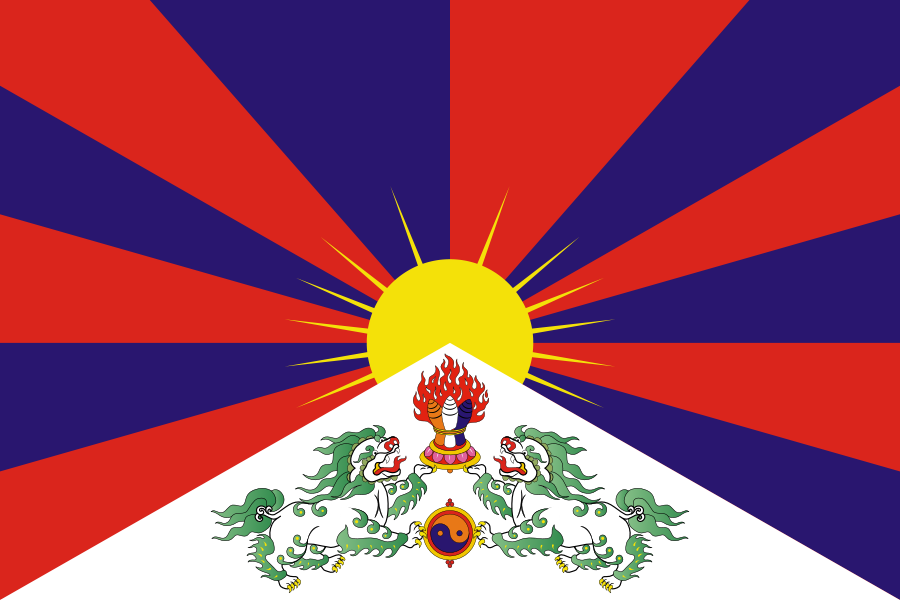 西藏 is a landlocked minor country in South Asia with a population of 3.72 M. It borders the
 川系,
 滇系和
 英属缅甸 to the east,
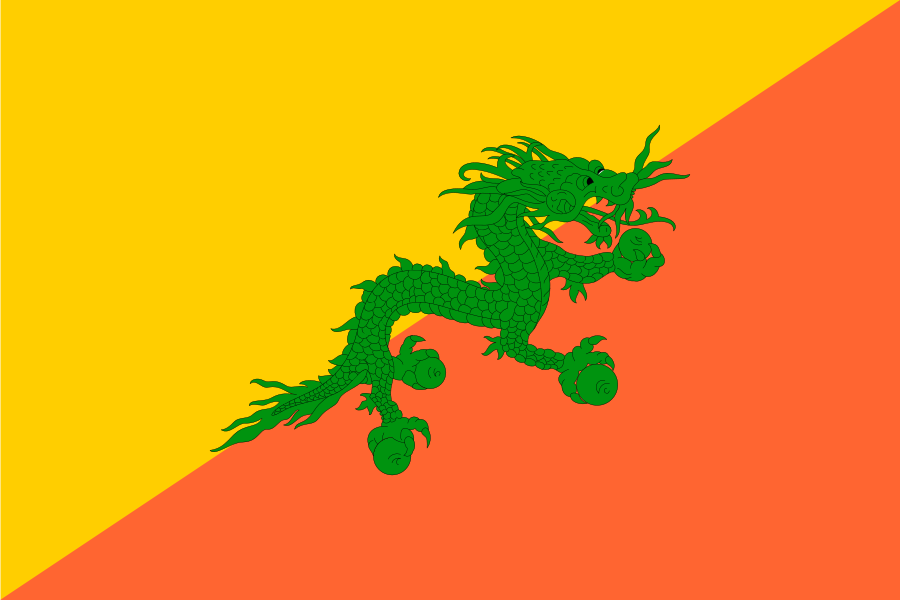 不丹,
 英属印度, and
 尼泊尔 to the south, and
 和田马家军和
 青马(马家军) to the north.
After the Xinhai Revolution (1911–12) toppled the Qing dynasty and the last Qing troops were escorted out of Tibet, the new Republic of China apologized for the actions of the Qing and offered to restore the Dalai Lama's title. The Dalai Lama refused any Chinese title and declared himself ruler of an independent Tibet. In 1913, Tibet and Mongolia concluded a treaty of mutual recognition. For the next 36 years, the 13th Dalai Lama and the regents who succeeded him governed Tibet. During this time, Tibet fought Chinese warlords for control of the ethnically Tibetan areas in Xikang and Qinghai (parts of Kham and Amdo) along the upper reaches of the Yangtze River. In 1914 the Tibetan government signed the Simla Accord with Britain, ceding the South Tibet region to British India. The Chinese government denounced the agreement as illegal.
When in the 1930s and 1940s the regents displayed negligence in affairs, the Kuomintang Government of the Republic of China took advantage of this to expand its reach into the territory.
Emerging with control over most of mainland China after the Chinese Civil War, the People's Republic of China invaded Tibet in 1950 and forcibly negotiated the Seventeen Point Agreement with the newly enthroned 14th Dalai Lama's government, affirming the People's Republic of China's sovereignty but granting the area nominal autonomy. Subsequently, on his journey into exile, the 14th Dalai Lama completely repudiated the agreement, which he has repeated on many occasions.
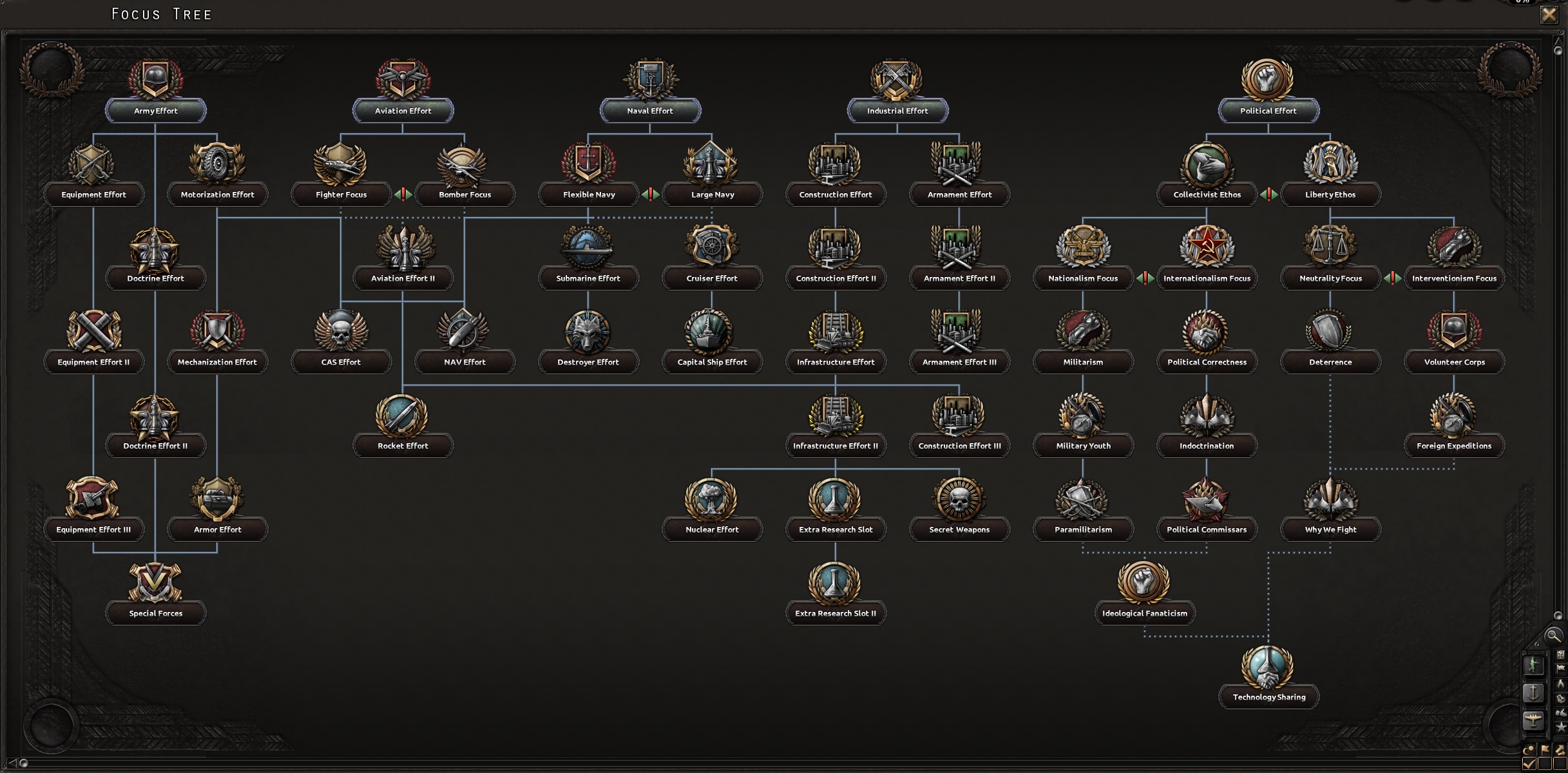
西藏 缺少专属国策树,因此改用通用国策树。
通用国策树有5个主要分支:
西藏 starts with the following National Spirits:
西藏开局拥有 2 个可用科研槽;另有 3 个可通过国策树解锁。
| 陆军科技 | 海军科技 | 空军科技 | 电子与工业 |
|---|---|---|---|
|
「无」 |
「无」 |
「无」 |
| 陆军学说 | 海军学说 | 空军学说 |
|---|---|---|
|
「无」 |
「无」 |
「无」 |
| 陆军科技 | 海军科技 | 空军科技 | 电子与工业 |
|---|---|---|---|
|
「无」 |
「无」 |
|
| 陆军学说 | 海军学说 | 空军学说 |
|---|---|---|
|
「无」 |
|
西藏 的装备没有任何独特外观名称。
西藏拥有 4 个州。
| 州 | 城市 | 
|
地形(省份数) | 区域 | 
|
|---|---|---|---|---|---|
| Chamdo | Chamdo | 1 |  沙漠 (4)  山地 (4) |
荒地 | 368,200 |
| Nagqu | – | – | 沙漠 (6)山地 (2)
|
牧区 | 1,722,000 |
| Ngari | – | – | 沙漠 (5)山地 (1)
|
牧区 | 1,000,000 |
| Shigatse | Lhasa | 5 | 沙漠 (5)山地 (2)
|
乡村区 | 1,000,000 |
西藏 开局拥有以下政党:
| Party Name | Party Ideology | 党派领袖 | 支持率 | 国名 |
|---|---|---|---|---|
| Kashag |  民主主义 |
Langdun | 0% | 西藏共和国 |
| 西藏民主青年联盟 |  共产主义 |
平措旺杰·戈拉南巴 | 0% | 西藏僧侣公社 |
| 甘丹颇章 |  法西斯主义 |
土登贡培 | 0% | 西藏帝国 |
| 热振仁波切 |  中立主义 |
绛白益西坚赞 | 100% | 西藏 |
| 意识形态 | 肖像 | 名称 | 党派 | 特质 | 效果 | 可用 |
|---|---|---|---|---|---|---|
保守主义 |
|
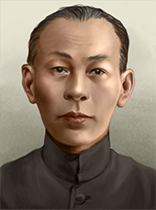
Langdun | Kashag | – | – | 起始民主制领袖 |
马克思主义 |

|
平措旺杰·戈拉南巴 | 西藏民主青年联盟 | 缺乏经验的社会主义者 | 起始共产主义领袖 | |
天皇法西斯主义 |
|
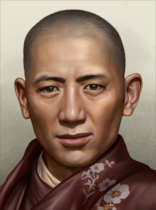
土登贡培 | 甘丹颇章 | 西藏的强人 |
|
起始法西斯领袖 |
Despotism |
|
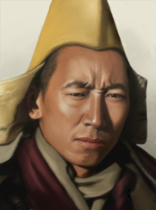
绛白益西坚赞 | 热振仁波切 | Tulku |
|
起始领袖 |
西藏 pursues a neutral foreign policy. It enjoys a relatively long peace but, it is prone to 川系's attack and invasion of the province of Kham (known as Chamdo or Xikang), as an early war. Other than that, it is prone to submission or conquering focus from the Chinese nations through the Chinese shared focus tree. Notably Manchukuo, Communist China and Warlords that have accessed the nationalist or communist focus.
西藏 的部长与军事幕僚
| 名称 | 特质 | 效果 | 要求 | 花费()
|
|---|---|---|---|---|
| Jigme Taring | 军工实业家 | – | 150 | |
| Reting Rimpoche | 仁慈绅士 |
|
– | 150 |
| Taktra Rinpoche | 幕后暗算者 |
|
– | 150 |
| 随机 | 共产主义革命者 |
|
|
150 |
| 随机 | 民主改革者 |
|
|
150 |
| 随机 | 法西斯煽动家 |
|
|
150 |
| 随机 | 神秘绅士 |
|
|
150 |
| 名称 | 特质 | 效果 | 要求 | 花费()
|
|---|---|---|---|---|
| 加托·旺杜 | 军事理论家 |
|
– | 100 |
| 桑波·次旺仁增 | 空战理论家 |
|
– | 100 |
| 查马·桑佩 | 海军理论家 |
|
– | 100 |
| 名称 | 特质 | 效果 | 要求 | 花费()
|
|---|---|---|---|---|
| Lobsang Tenzin | 陆军组织(专家) |
|
– | 100 |
| Jampal Rabgyé Rinpoche | 陆军士气(专家) |
|
– | 100 |
| 名称 | 特质 | 效果 | 要求 | 花费()
|
|---|---|---|---|---|
| Lhalu Tsewang Dorje | 海军航空(专家) |
|
– | 100 |
| Sogyal Rinpoche | 海军机动(专家) |
|
– | 100 |
| 名称 | 特质 | 效果 | 要求 | 花费()
|
|---|---|---|---|---|
| Chodak Karma | 航空安全(专家) |
|
– | 100 |
| Bapa Yeshe | 地面支援(专家) |
|
– | 100 |
| 名称 | 特质 | 效果 | 要求 | 花费()
|
|---|---|---|---|---|
| Tenpa Jamyang | 骑兵(专家) |
|
– | 100 |
| Chaghoe Namgyal Dorje | 步兵(专家) |
|
– | 100 |
| Jamyang Rabten | 反潜(专精) |
|
– | 50 |
| Khemey Sonam Wangdi | Army Regrouping (Genius) |
|
– | 200 |
| 肖像 | 名称 |  技能 |
 攻击 |
 防御 |
 计划 |
 后勤 |
特质 | 要求 |
|---|---|---|---|---|---|---|---|---|
|
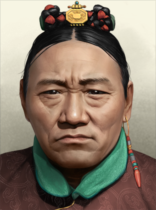
Tsarong Dasang Dramdul | 3 | 2 | 2 | 3 | 3 |  山地兵  组织者 |
– |
| 标志 | 名称 | 类型 | 效果 | 要求 | 花费()
|
|---|---|---|---|---|---|

|
工业连 | 工业财团 | – | 150 | |

|
电子连 | 电子学财团 |
|
– | 150 |
西藏 的设计公司。
| 标志 | 名称 | 类型 | 效果 | 要求 | 花费()
|
|---|---|---|---|---|---|

|
装甲连 | 坦克设计商 |
选择此设计公司后,只要它仍在受雇,就会永久影响其受雇期间研究的所有装备的性能。 |
– | 150 |
| 标志 | 名称 | 类型 | 效果 | 要求 | 花费()
|
|---|---|---|---|---|---|

|
海军连 | 舰船设计商 |
|
– | 150 |
| 标志 | 名称 | 类型 | 效果 | 要求 | 花费()
|
|---|---|---|---|---|---|

|
轻型航空连 | 轻型飞机设计商 |
选择此设计公司后,只要它仍在受雇,就会永久影响其受雇期间研究的所有装备的性能。 |
– | 150 |

|
中型航空连 | 中型飞机设计商 |
选择此设计公司后,只要它仍在受雇,就会永久影响其受雇期间研究的所有装备的性能。 |
– | 150 |

|
重型航空连 | 重型飞机设计商 |
选择此设计公司后,只要它仍在受雇,就会永久影响其受雇期间研究的所有装备的性能。 |
– | 150 |

|
海军空军连 | 海军飞机设计商 |
选择此设计公司后,只要它仍在受雇,就会永久影响其受雇期间研究的所有装备的性能。 |
– | 150 |
| 标志 | 名称 | 类型 | 效果 | 要求 | 花费()
|
|---|---|---|---|---|---|

|
摩托化连 | 摩托化装备设计商 |
|
– | 150 |

|
轻武器公司 | 步兵装备设计商 |
|
– | 150 |

|
火炮连 | 火炮设计商 |
|
– | 150 |
西藏 可使用这些军工产业组织。
| ||||||||||||||||||||||||||||||||||||||||||||||||||||||||||||||
| ||||||||||||||||||||||||||||||||||||||||||||||||||||||||||
| ||||||||||||||||||||||||||||||||||||||||||||||||||||||||||||||||||
| ||||||||||||||||||||||||||||||||||||||||||||||||||||||||||||||||||||||||||||||||||||||||||||||||||||||||||||||||||||||||||||||||||||||||||||||||||||||||||||||||||||||||||||||||||||||||||||||||||||||||||||||||||
| 征兵法案 | 贸易法案 | 经济法令 |
|---|---|---|
 仅志愿兵役
|
 出口导向
|
 民用经济
|
*1936 年与 1939 年的法案相同。
 年份 |
 军用工厂 |
 海军船坞 |
 民用工厂 |
 建筑槽位 |
|---|---|---|---|---|
| 1936 | 1 | 0 | 2 (-1) | 4 |
*红色 中的数字表示生产消费品所需的民用工厂数量,依据经济法案以及军用与民用工厂总数向上取整。
年份 |
 石油 |
 铝 |
 橡胶 |
 钨 |
 钢铁 |
 铬 |
 煤 |
|---|---|---|---|---|---|---|---|
| 1936 | 2 (-1) | 0 | 0 | 2 (-1) | 0 | 0 | 0 |
*这些数字表示游戏开始一小时后可用的资源量。红色 中的数字表示因贸易法案而留作出口的资源量。
| 类型 | # 1936 | # 1939 | |
|---|---|---|---|
 |
步兵 | 2 | |
 |
师总数 | 2 | 2 |
 |
已用人力 | 8.00K | 8.00K |
| 师 | 名称列表 | # 1936 | # 1939 | 支援连 | 战斗营 |
|---|---|---|---|---|---|
 Juntuan |
驻军师 | 2 | 2 | 4x
|
西藏 没有海军。
西藏 没有空军。
 以下是one of many玩家为西藏建议的战略。请记住,由于游戏的动态特性,其他玩家的情况可能会有所不同。
Tibet starts out with a weak industry and an almost non-existent military. Also, you're surrounded by much more powerful nations:  中国,
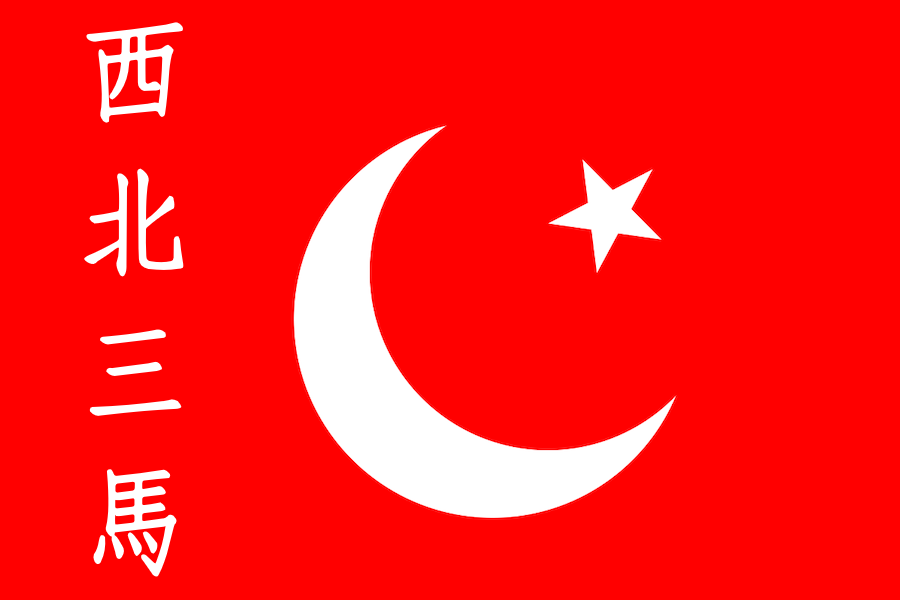 西北三马, 英属印度, and
 新疆. In time, you will be able to take all of those nations.
First, begin by taking the Political Effort, which grants you much-needed Political Power (PP). Begin researching Construction I and Basic Machine Tools. Use your Civilian Factories to build more Military Factories. Once that focus has been completed, spend that on the Fascist Demagogue, which will allow you to transit to Fascism and grant you the highly coveted 7% Recruitable Population.
After taking Political Effort, begin the Industrial Effort focus to upgrade your industry to more than just 2 Civilian Factories and 1 Military Factory. While that is happening, spend some of your remaining PP (if you have any) on the decision to Open Up Political Discourse (75 PP). You probably won't have enough to do either Expand Civil Support (25 PP) or Discredit the Government (75 PP), so save what little you have left.
With only two factories, your industrial upgrades will take a long time, and you will probably not finish until around 1938. That, however, is where your territorial expansion begins, first by a justification on the small nation of 不丹, which will have around 1 division to defend itself from you.
While you're working on the justification, start going down the Nationalist Ethos side of the political focus tree. This will grant you a 7% Recruitable Population, something that is highly covered and useful for small nations as it boosts your manpower.
Once you finish justifying your war goal, send your two divisions down to the border with Bhutan and invade them. It shouldn't take more than a few days and you'll conquer them and take their one or two factories.
Conquering 不丹 won't get you much manpower, unfortunately, so once you finish the Nationalism Focus of Tibet's generic focus tree, start the next focus, Militarism, which grants you
5% manpower and -10% damage to your garrisons by rebels in occupied nations.
At this point you should two Military Factories, the one you started with and the one you got from Bhutan. Set both to producing Basic Infantry Equipment, and begin justifying on your second minor neighbor, Nepal.
The difference between Nepal and Bhutan is that Nepal is mainly mountainous, which gives them a better area to defend. Also, they start out with 2 Mountaineer divisions. Unless you've trained another division already this will be a close and hard war. I would recommend stationing both divisions along the border but don't use battle plans.
Once the justification is finished, declare and then micromanage your troops until you can take the capital. Once the capital falls, you can annex Nepal into your empire.
| 亚洲 |
|
| 中国军阀 |
| 中东 |
| 亚洲 |
|
| 中东 |
|
| 苏联 |
|
| 印度土邦 |
|
| 印度尼西亚土邦 |
|
 稳定度:
 战争支持度:


 与以下互斥:
















 阿伊努共和国
 Brunei
 柬埔寨
 占婆共和国
 Champasak
 虾夷共和国
 Korea

 Laos
 Maldives
 巴基斯坦
 Ryukyu
 新加坡
 Sabah
 Sarawak
 斯里兰卡
 Taiwan
 Vietnam
 Assyria
 巴林
 Israel
 库尔德斯坦
 阿曼伊玛目国
 卡塔尔
 南阿拉伯
 特鲁西尔诸邦
 Altai
 亚美尼亚
 阿塞拜疆
 布哈拉
 Buryatia
 楚科奇
 Evenkia
 远东共和国
 佐治亚
 Karakalpakstan
 Kazakhstan
 哈卡斯
 希瓦
 Kyrgyzstan
 Ostyakia-Vogulia
 Sakha
 Tajikistan
 Taymyria
 Turkmenistan
 Uzbekistan
 符拉迪沃斯托克
 Yamalia
 Balochistan
 Bangladesh
 中印度诸邦
 海得拉巴
 卡拉特
 克什米尔
 卡利斯坦
 科拉普尔与德干诸邦
 马德拉斯诸邦
 曼尼普尔
 迈索尔
 西北边境
 Rajputana
 锡金
 Sindh
 西印度诸邦
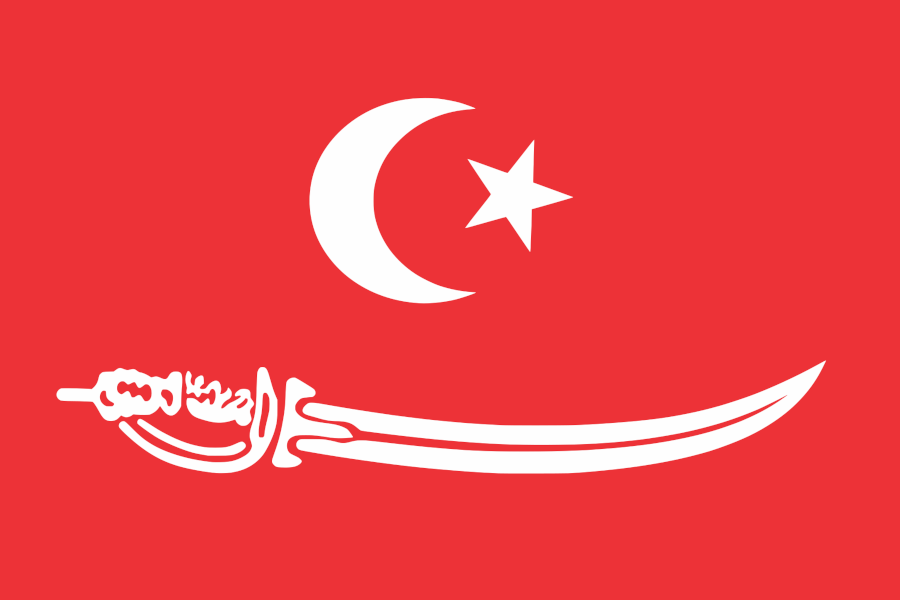 Aceh
 Bali
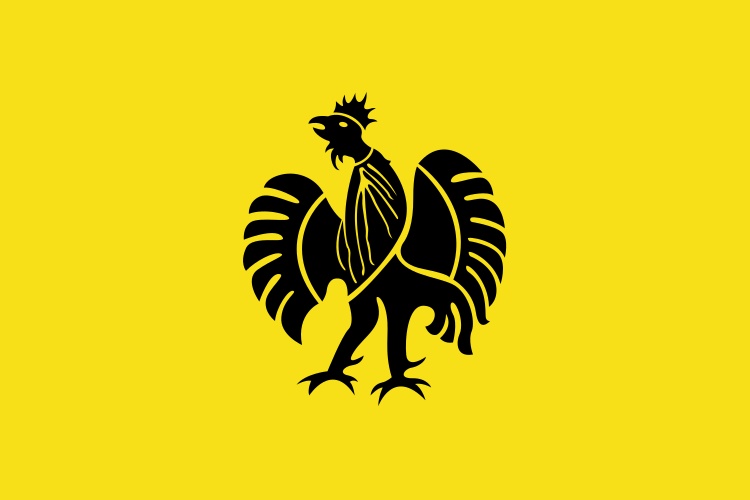 Gowa
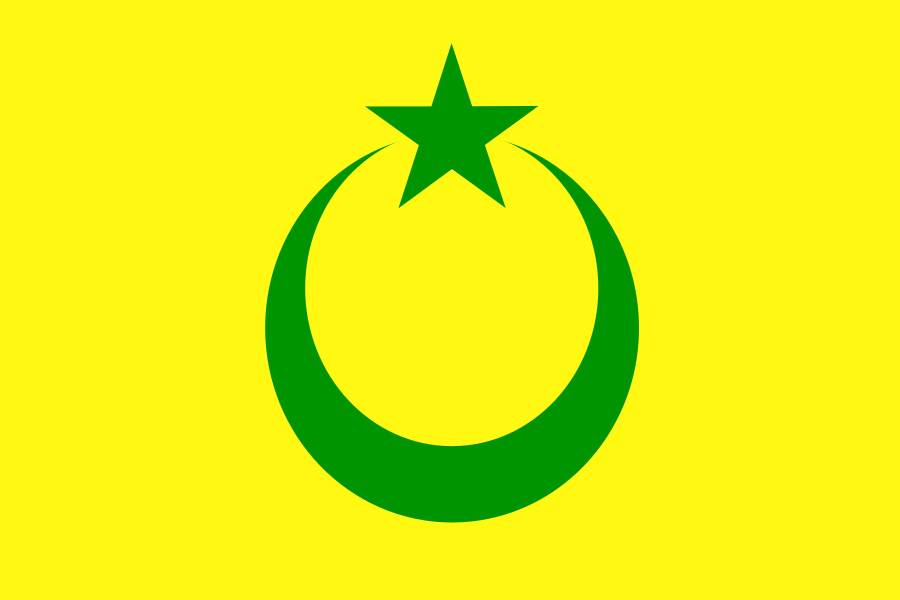 Pontianak
 Siak
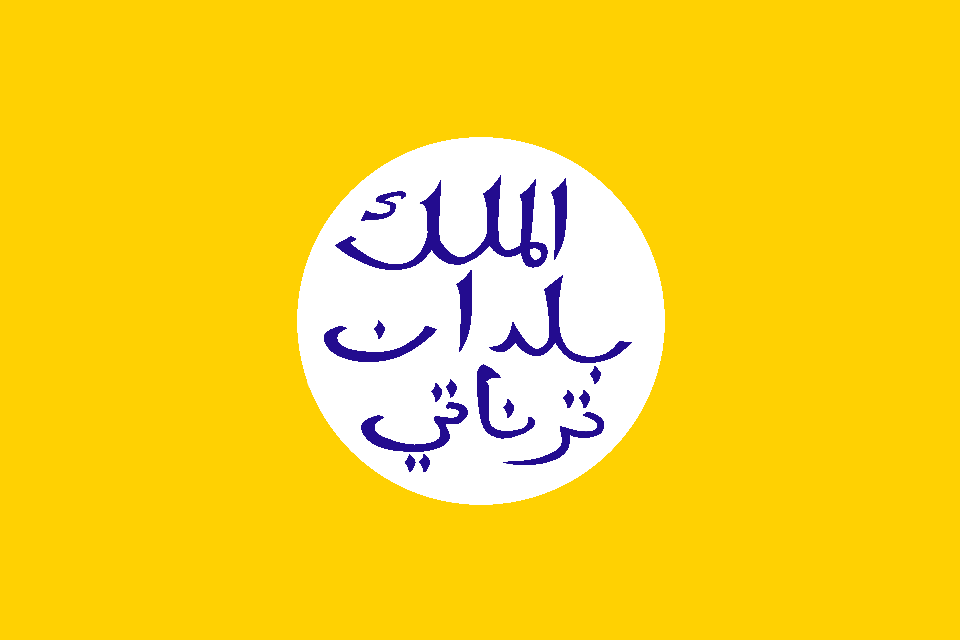 Ternate
 Timor-Leste
 西巴布亚